Freehold, Monmouth County
Creosote Removal in Freehold, NJ
For homeowners in Freehold, NJ, ensuring your chimney is clear of hazardous creosote is a critical safety measure. Jersey Chimney Pros provides expert creosote removal services, protecting historic borough homes and modern developments across this Monmouth County seat.
Typical investment
From $200
- Local crews
- Licensed & insured
- Documented work
- Fast scheduling
- Serving Freehold and the surrounding Monmouth County towns
- $99 inspection, deducted from an approved quote
- Usually on the same Monmouth County route as Atlantic Highlands, Brielle, Colts Neck
Why Freehold homes need creosote removal
Freehold's blend of historic borough residences and suburban developments, home to 35,354 residents, means diverse chimney systems. Our crews expertly service everything from older brickwork to newer flues, all susceptible to creosote buildup.
Freehold counts about 35,354 residents, and we cover it end to end — along with Marlboro, Manalapan and Colts Neck on the same run. Booking creosote removal here rarely means waiting for a crew to come from far away.
Done by licensed crews
Our own team, never a subcontractor sent by a call center.
Written quote up front
You approve the price before any work begins.
Photo-documented
Before and after photos of every fix, in plain English.
Built for the local climate
Salt air, freeze-thaw and coastal wear factored in.
Expert Creosote Removal for Freehold's Diverse Homes
Creosote removal eliminates the highly flammable byproduct of wood burning from your chimney. This tar-like substance is a significant fire hazard, igniting to cause devastating chimney fires. For Freehold homeowners, adhering to NFPA 211, recommending annual inspections and cleanings, is paramount for safety.
Excessive creosote impedes proper drafting of smoke and dangerous carbon monoxide (CO), posing an invisible threat. Creosote forms in three stages: flaky soot, crunchy deposit, and hardened glaze, extremely difficult to remove. The harder it is, the more critical its removal.
Freehold's inland setting experiences seasonal humidity and temperature fluctuations contributing to creosote formation and masonry degradation. Older borough homes often have unlined chimneys where creosote adheres easily. Newer suburban homes also suffer from buildup due to improper burning or infrequent maintenance.
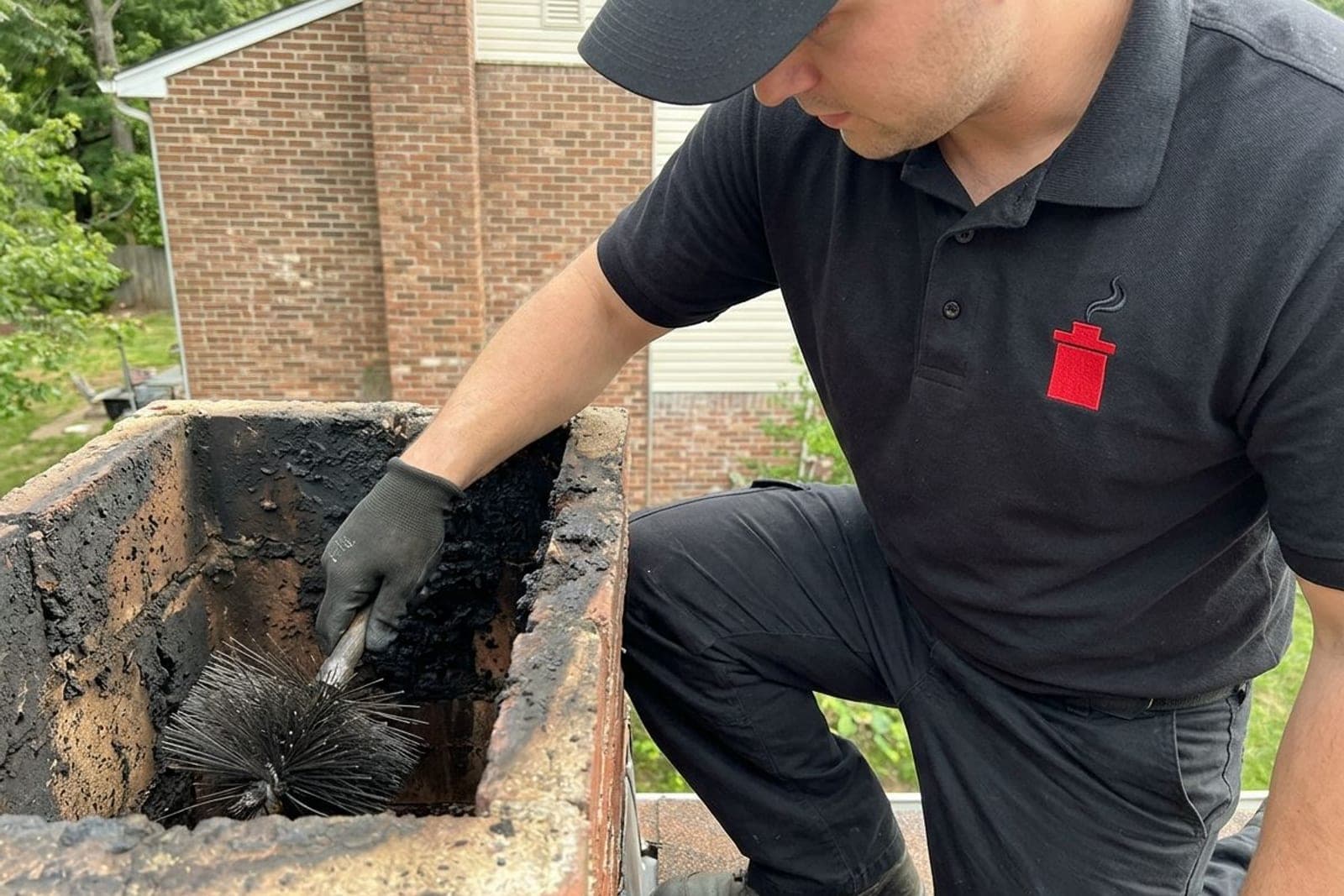
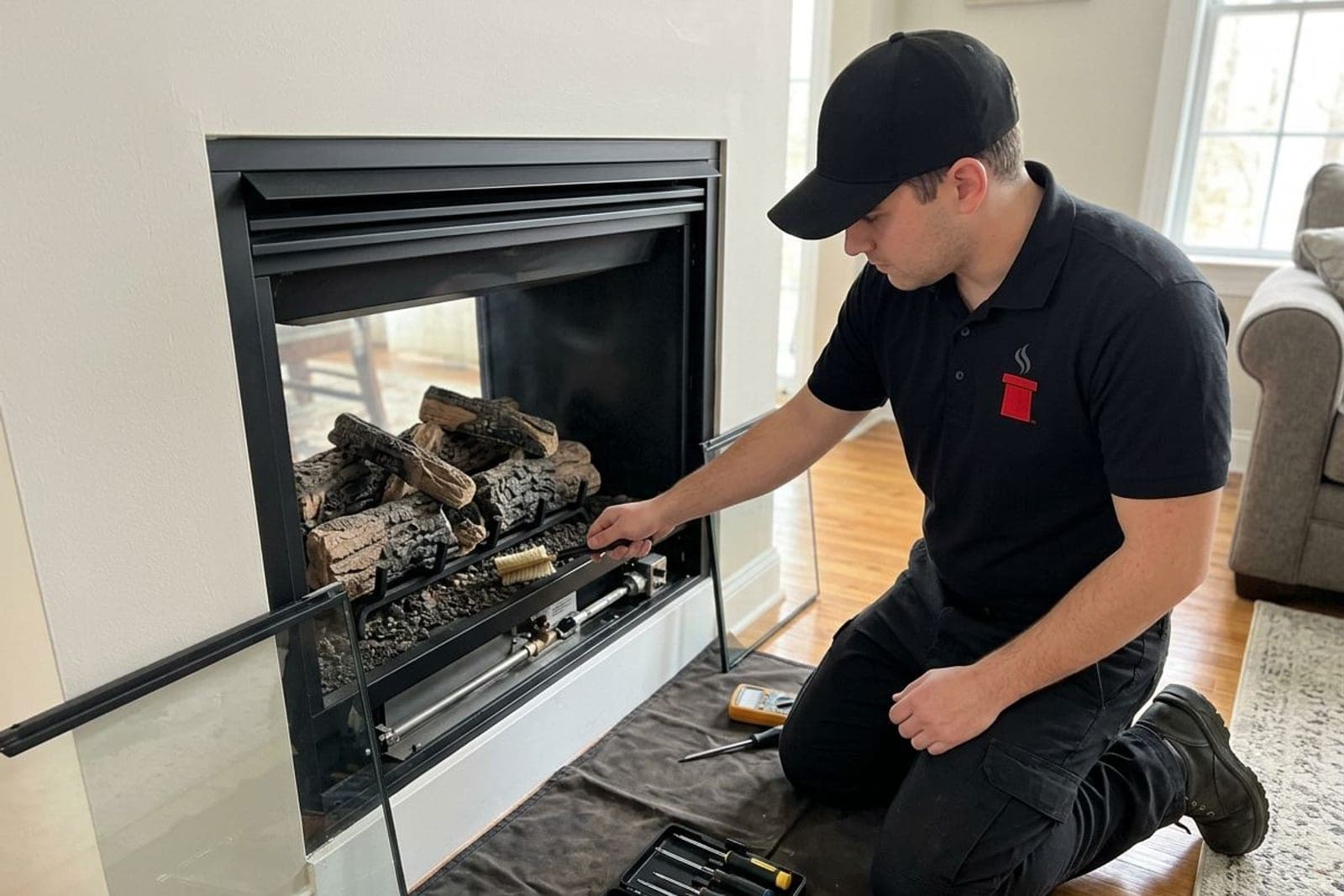
Our professional creosote removal involves thorough assessment, identifying buildup type and extent. We use specialized power-sweeping equipment and advanced chemicals to safely remove stubborn, glazed creosote. Technicians meticulously protect your home from soot and debris and inspect your flue liner.
Routine chimney sweeps handle general soot; dedicated removal targets heavy, solidified deposits posing immediate danger. This service is recommended when a standard sweep isn't sufficient or inspection reveals significant accumulation. Freehold residents should book before colder seasons, ideally late summer or early fall.
Entrusting removal to certified professionals like Jersey Chimney Pros ensures safe and effective work. Our team identifies issues beyond creosote, providing comprehensive chimney care. For Freehold's 35,354 residents, professional creosote removal safeguards your home and family from preventable hazards.
Every Step of Your Freehold Creosote Abatement
Every creosote removal we do in Freehold includes:
- Visual chimney and flue inspection
- Home interior protection from soot
- Specialized creosote removal agents
- Mechanical creosote removal
- Thorough cleanup of fireplace
- Prevention recommendations
Professional, clean, no-mess service.
Spotting Creosote: Early Warnings for Freehold Homeowners
- Strong odor from fireplace
- Tarry or crusty flue buildup
- Dark smoke when burning
- Reduced chimney draft
- Black flakes in firebox
- Flames within the flue
If you notice smoke backup or stage-3 creosote, book immediately.
Book nowWhy Freehold's Historic Homes Accumulate Creosote
Freehold, an inland town, experiences varying humidity and strong weather like nor'easters, impacting creosote accumulation. Consistent fireplace use during cool Freehold winters, combined with humid air, creates an ideal environment for sticky, flammable creosote, making professional removal essential.
How We Safely Remove Creosote from Freehold Homes
 1
1On-Site Assessment and Quote
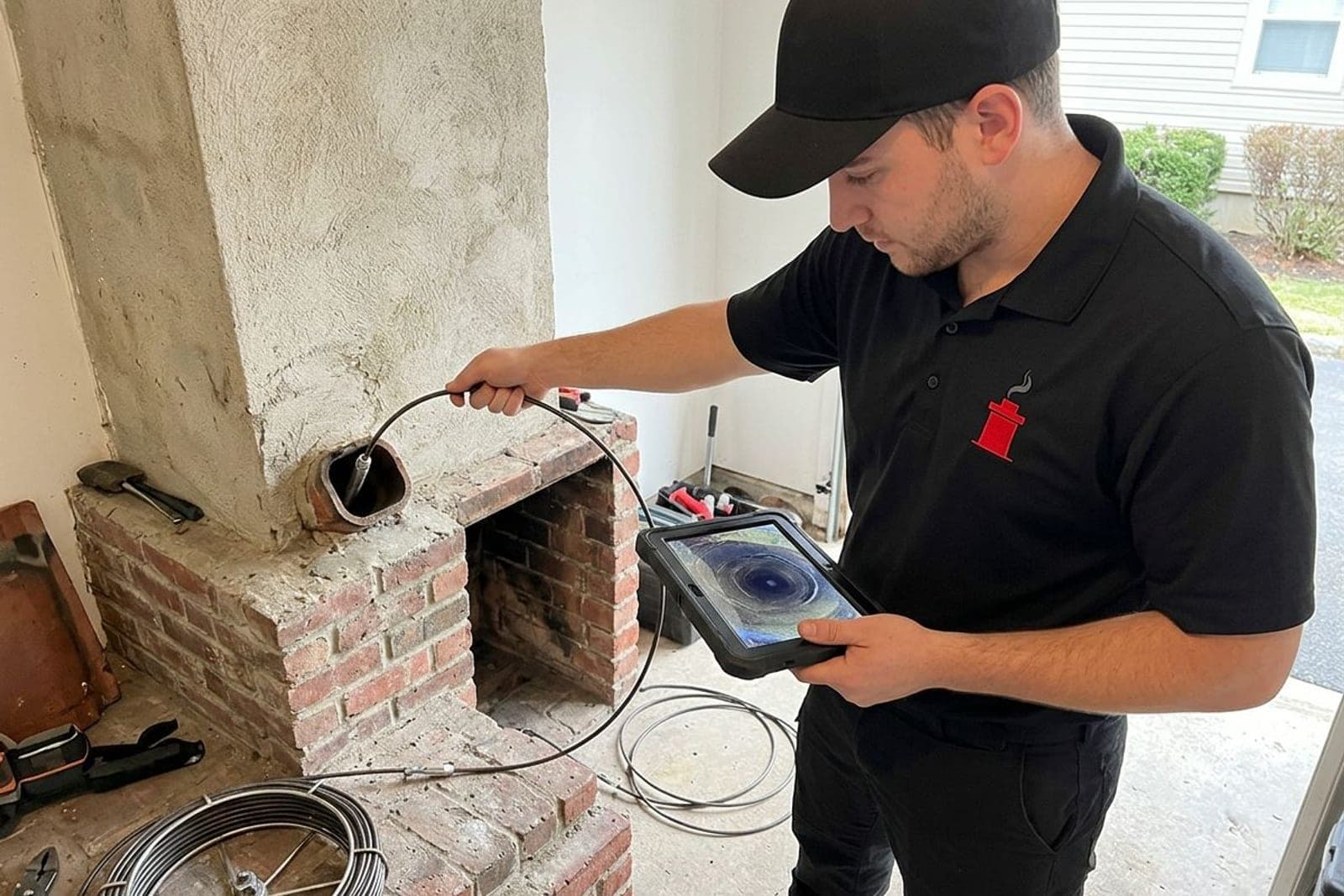
Our technician visits your Freehold home for a $99 plus tax inspection, assessing creosote and other issues. You receive a written quote, with the $99 plus tax on-site inspection deducted in full if you proceed with our service.
 2
2Specialized Creosote Removal
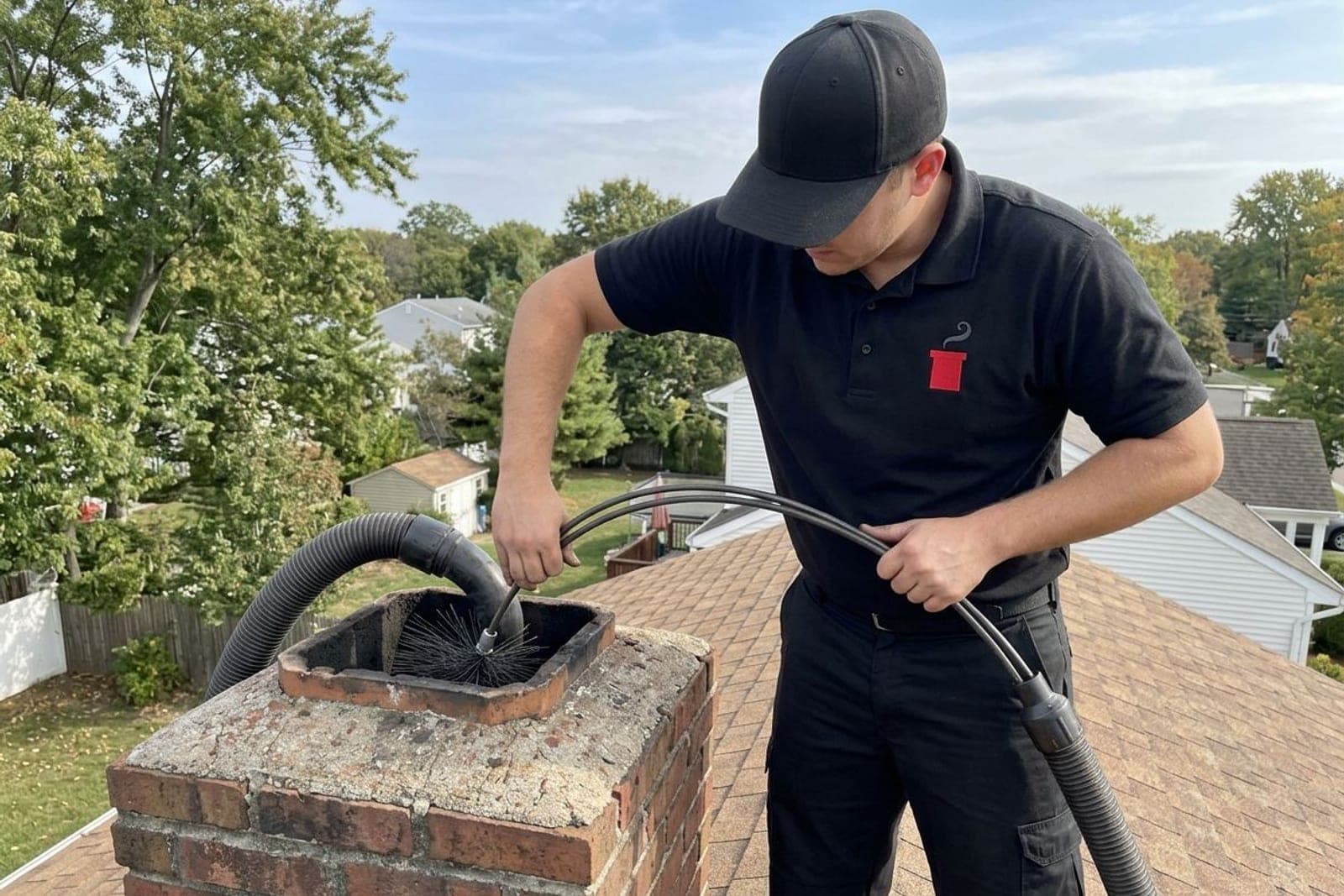
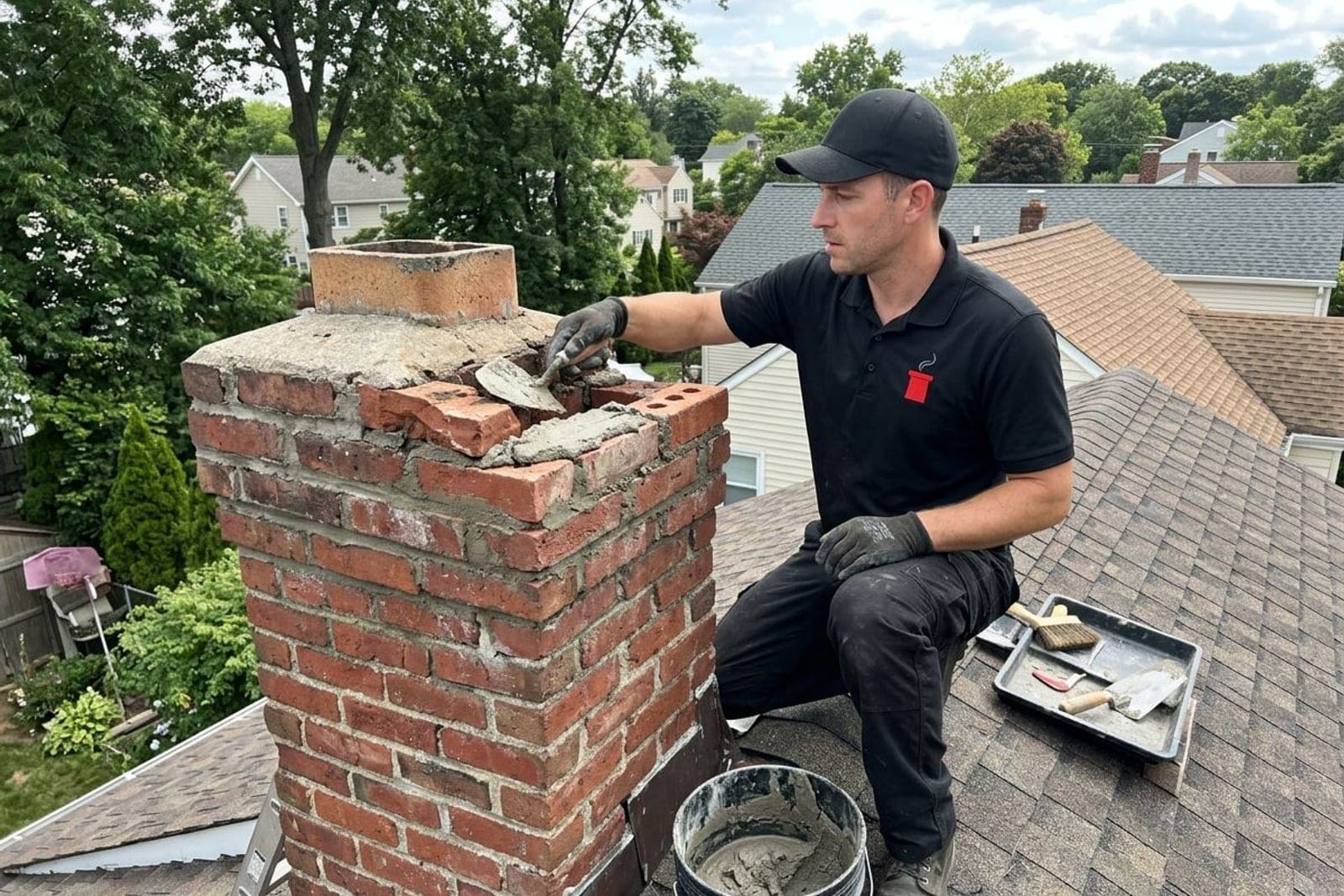
We prepare the work area, protecting your home. Then, professional tools and techniques, including power-sweeping or chemical treatments, safely remove all creosote from your chimney flue.
 3
3Final Cleanup and Safety Review
We clean the area, perform a final flue inspection for complete creosote elimination, and ensure proper drafting. We provide Freehold-specific maintenance tips and answer questions.
| Sign in Your Freehold Home | What It Indicates | Action Needed |
|---|---|---|
| Strong odor from fireplace | Heavy creosote accumulation | Professional inspection |
| Tarry or crusty flue buildup | Hardened creosote layers | Immediate removal needed |
| Dark smoke when burning | Impeded draft, inefficient burn | Inspection to prevent CO |
| Reduced chimney draft | Obstruction from buildup | Professional cleaning |
| Black flakes in firebox | Flammable creosote breaking off | Urgent assessment |
| Flames within the flue | Active chimney fire | Call emergency services |
Prices verified on .
Built for Freehold's homes and climate
Freehold counts about 35,354 residents, and we cover it end to end — along with Marlboro, Manalapan and Colts Neck on the same run. Booking creosote removal here rarely means waiting for a crew to come from far away.
FreeholdMonmouth County, NJ · 40.260, -74.274
Answers to Freehold Homeowners' Creosote Concerns
How often should Freehold homeowners get creosote removed?
For Freehold residents using wood-burning fireplaces, annual chimney inspections and cleanings are recommended by NFPA standards. If significant glazed creosote is found, immediate specialized removal is crucial for safety.
What's the typical cost for creosote removal in Freehold, NJ?
Creosote removal in Freehold typically starts from $200, varying with chimney size, accessibility, and buildup. Our on-site inspection provides a precise quote, at $99 plus tax.
Is creosote removal different from a regular chimney sweep?
Yes, creosote removal is more intensive than a routine chimney sweep. A sweep handles light soot, while removal targets heavy, hardened, or glazed creosote, a significant fire hazard requiring specialized tools.
Can I remove creosote myself?
Attempting DIY creosote removal is highly discouraged due to the specialized tools, expertise, and safety precautions required. For your Freehold home's safety, always rely on certified chimney professionals.
How does Freehold's inland climate affect creosote buildup?
Freehold's inland humidity and cooler flue temperatures, especially in older borough homes, contribute to creosote formation. This leads to more condensation and faster accumulation of sticky creosote deposits.
What are the dangers if I don't remove creosote from my Freehold chimney?
Neglecting creosote removal can cause severe chimney fires, spreading quickly to your Freehold home. Blockages can also lead to deadly carbon monoxide backing up into living spaces, posing serious health risks.
Get in touch
- (732) 889-5194
- contact@jerseychimneypros.com
- Based in Lakewood, NJ — serving Freehold

Need your chimney checked in Freehold?
Clear pricing, local scheduling, and honest written recommendations you can trust.

Book your creosote removal in Freehold
Real open times on our crew's calendar — confirmed instantly.
Creosote Removal in Freehold