Ocean & Monmouth County, New Jersey
Chimney Relining in New Jersey
A new stainless-steel or cast liner restores a safe, code-compliant flue when the old liner is cracked, corroded or undersized.
Typical investment
From $1,500
- Local crews
- Licensed & insured
- Documented work
- Fast scheduling
- From $1,500 — typical 2026 range across the two counties
- $99 inspection, deducted from an approved quote
- Written quote before any work starts — photos of every job
What chimney relining actually involves
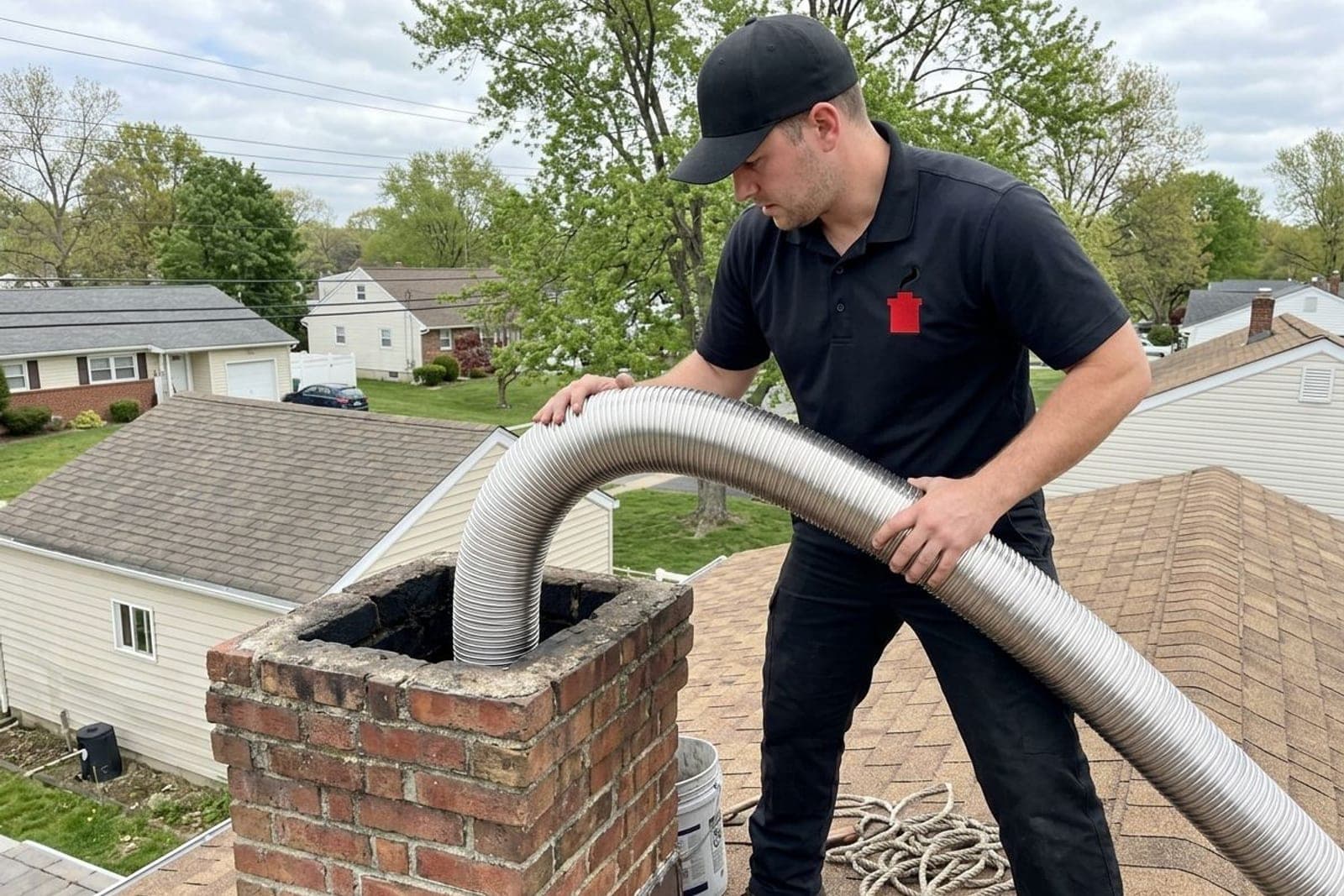
The liner is the part of your chimney that keeps heat and combustion gases off your home's framing. When it cracks, corrodes or was never installed, heat and carbon monoxide can reach combustible materials — the most common reason a chimney is condemned. Along the Jersey Shore this failure is accelerated: salt air corrodes clay tile joints and older Ocean & Monmouth County masonry from the inside out, which is why a camera scan is the first step of every reline we do. We install a properly sized stainless-steel or ceramic liner, insulated where required, that brings your chimney back to code in a single day for most homes — and every install ends with photos of the finished flue.
Older shore-area masonry and salt-driven corrosion make liner failure common in coastal homes.
What's included
- Full-length stainless-steel or ceramic liner
- Proper sizing to your appliance
- Insulation wrap where required
- Code-compliant installation
- Lifetime-grade materials and warranty
Why it matters
A failed liner lets heat and carbon monoxide reach combustible framing — the most common reason a chimney is condemned and a real fire and health risk.
Not sure if you need it? That's what the inspection is for.
$99 inspection, deducted from an approved quote
Book an inspectionHow it works
What to expect with chimney relining
 1
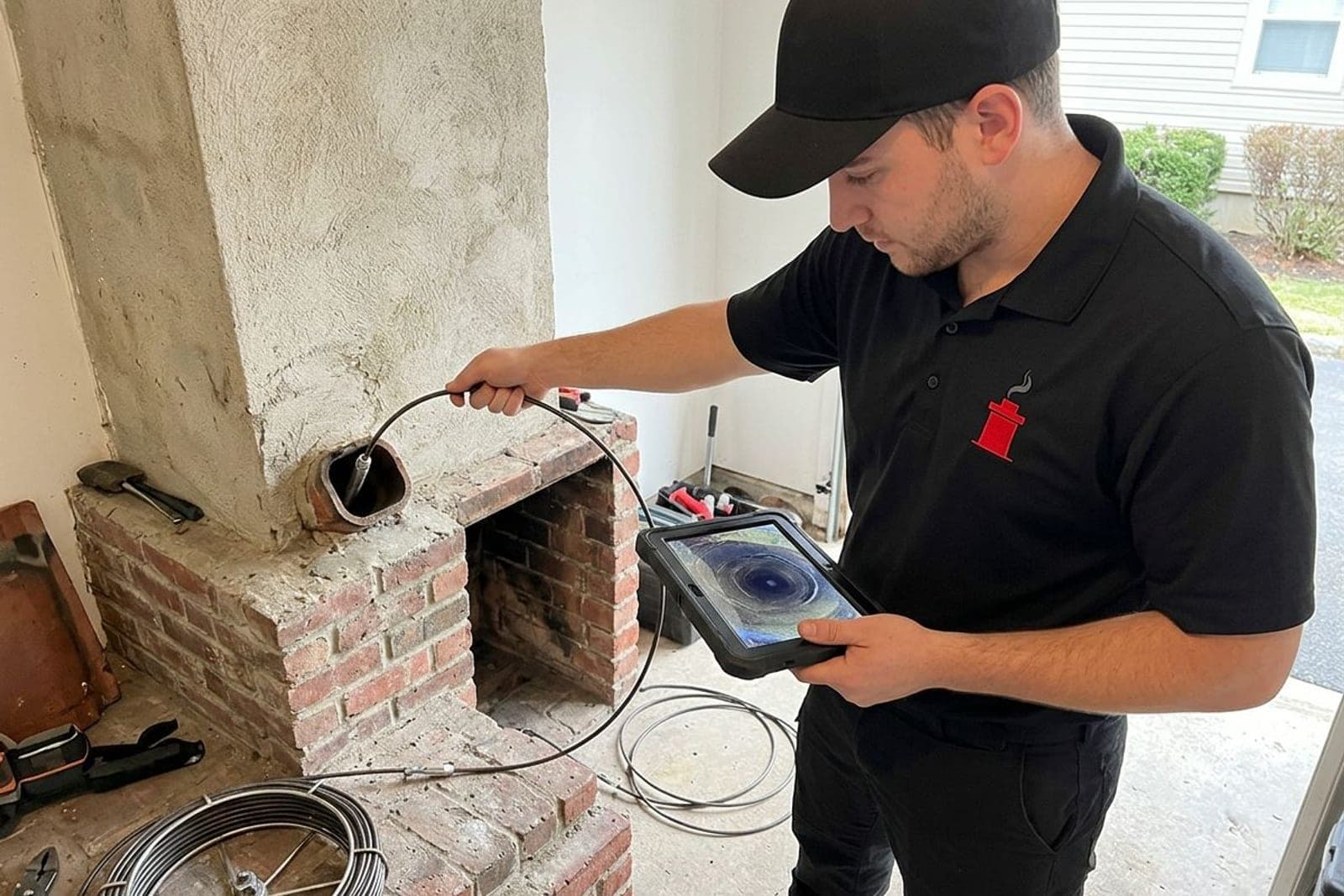
1Inspect & measure
A camera scan confirms the failure and the exact flue size.
 2
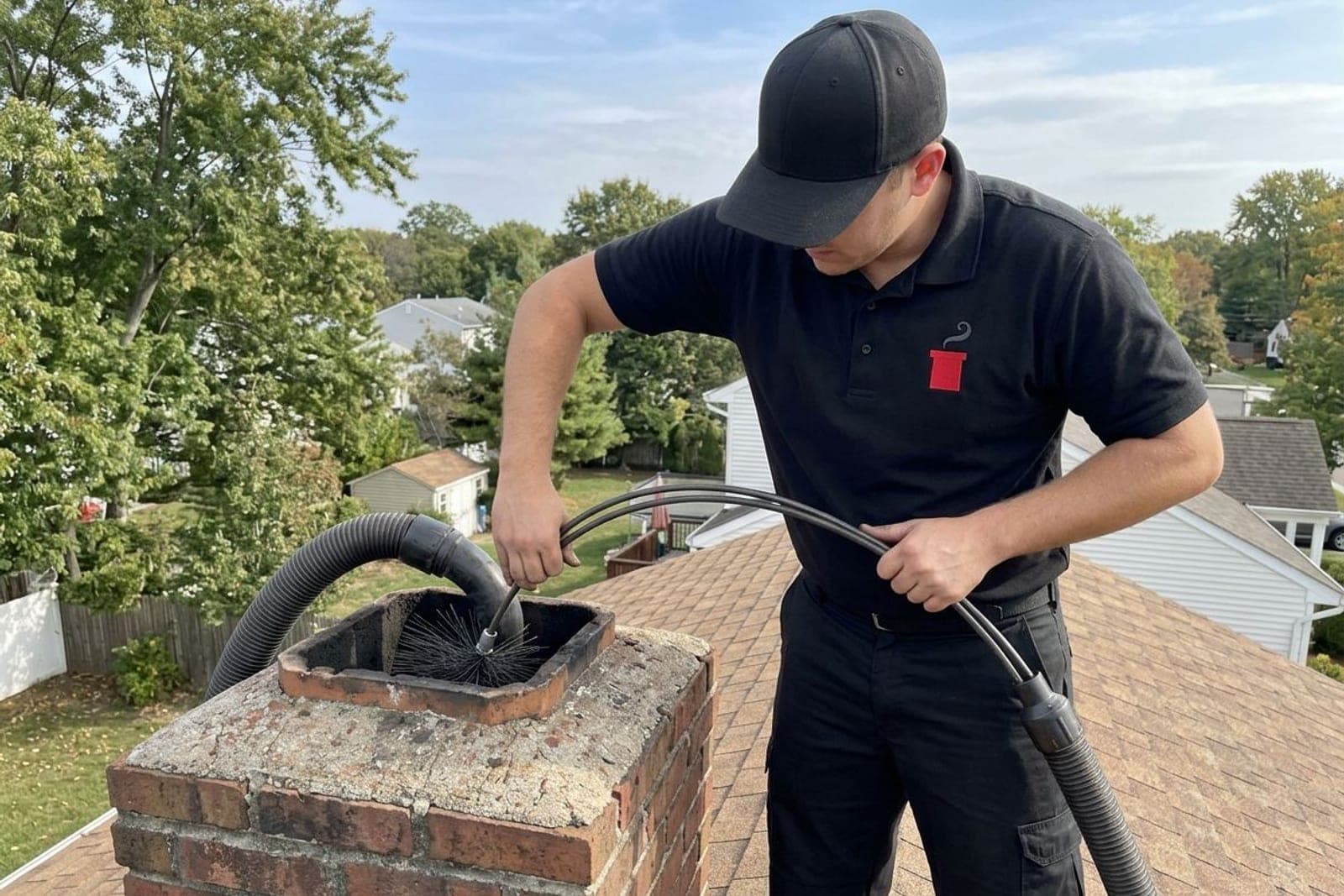
2Recommend the liner
Stainless for most setups, ceramic for high-heat — sized to your appliance.
 3
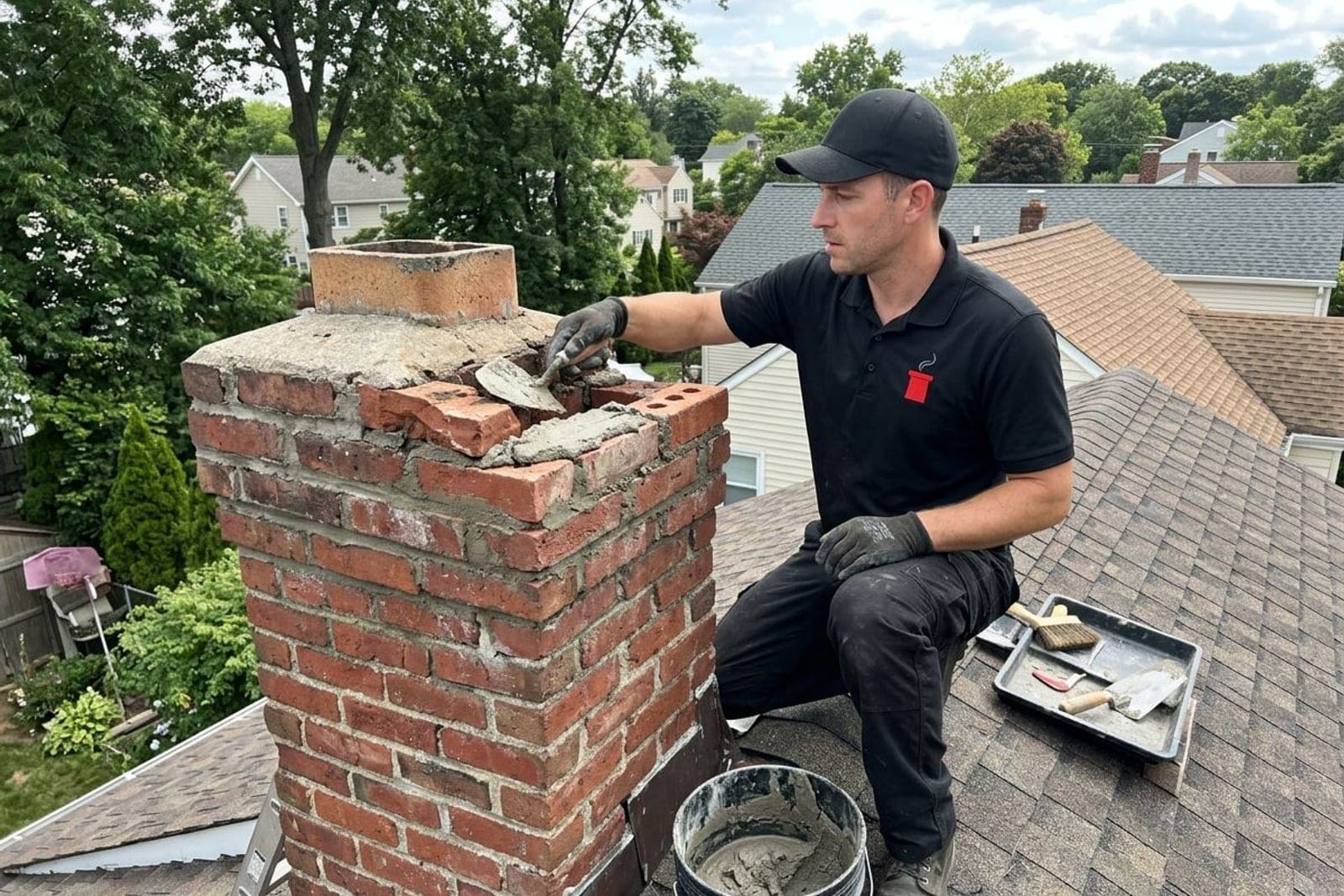
3Install
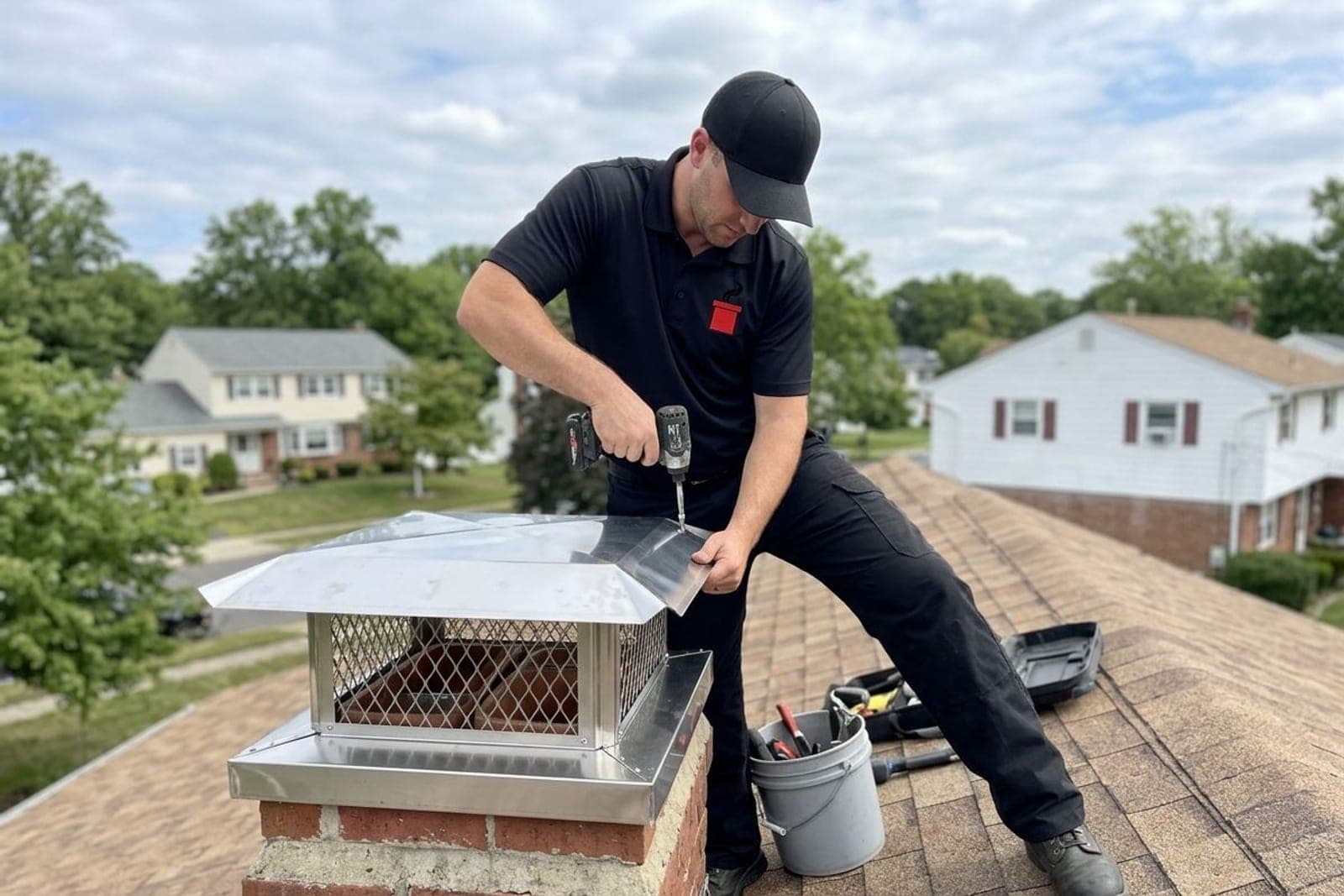
We feed and secure the liner, insulate as required, and seal the top.
 4
4Verify
A final check and photos confirm a safe, code-compliant flue.
By town
Chimney Relining across Monmouth & Ocean County
All 49 towns we cover, county by county. Pick yours for local pricing, scheduling and the chimney issues we see there.
Chimney Relining — common questions
How do I know if my chimney needs relining?
Flaking liner tiles in the firebox, a failed inspection, white staining, or a chimney that was never lined are the usual signs. A camera scan confirms it.
How much does chimney relining cost in New Jersey?
We charge from $1,500 for a full stainless-steel reline, scaling with flue length, diameter and insulation; cast/ceramic systems price higher. That is our own price, not the New Jersey market figure — our sourced chimney relining cost guide lists the published 2026 market range alongside it. The exact figure for your chimney is quoted in writing after a camera inspection, and that inspection is $99 plus tax, deducted from the quote if you approve the work.
How long does relining take?
Most relines are completed in a single day.
Stainless steel vs. ceramic liner — which is better?
Stainless steel suits most wood, gas and oil appliances and installs quickly; cast/ceramic is used for high-heat or unusual configurations. We recommend based on your setup.
Is a relined chimney safe to use right away?
Yes — once installed and verified, your chimney is code-compliant and ready for use.

Other chimney services
Ready to book your chimney relining?
Licensed local crews, clear written quotes, and photos of every job.

Book your chimney relining
Real open times on our crew's calendar — confirmed instantly.
Book an inspection