Toms River, Ocean County
Chimney Relining in Toms River, NJ
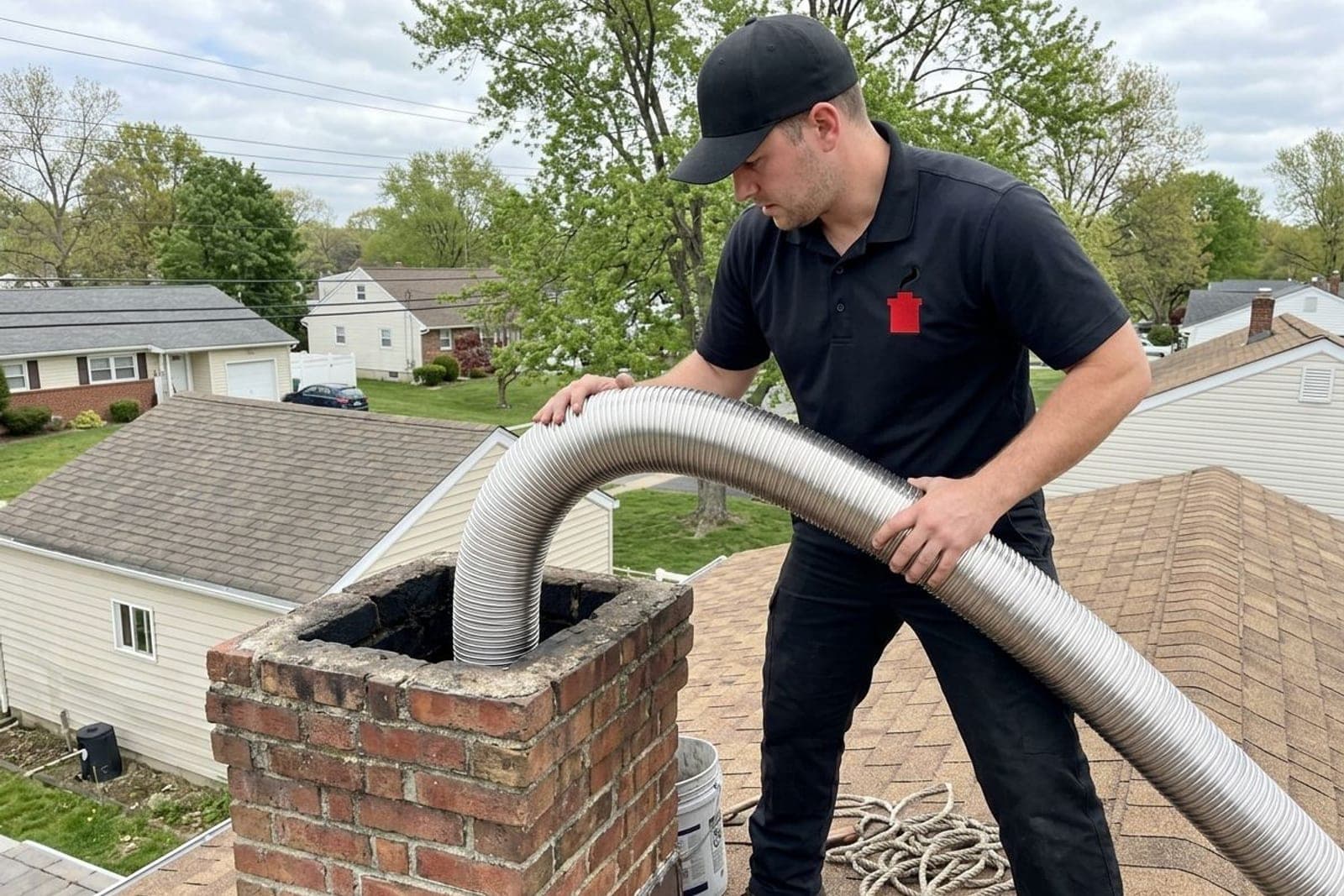
A cracked or failing flue liner lets combustion byproducts reach masonry and framing that were never built to handle them directly, and Jersey Chimney Pros handles that fix everywhere in Toms River Township — established mainland homes and rebuilds out on the Dover Beaches barrier peninsula alike. What the job actually requires depends less on the town and more on which permit category the flue falls into.
Typical investment
From $1,500
- Local crews
- Licensed & insured
- Documented work
- Fast scheduling
- Serving Toms River and the surrounding Ocean County towns
- $99 inspection, deducted from an approved quote
- Usually on the same Ocean County route as Barnegat Light, Bay Head, Brick
Why Toms River homes need chimney relining
Toms River's flue stock reflects two different building eras: older mainland construction near the bay, and newer, higher-elevation rebuilding on the barrier peninsula since the 2012 storm. A reline that fits one doesn't automatically fit the other, and the permit path can differ even more than the liner material does.
We treat Toms River — about 95,432 residents — as home turf, together with Beachwood, Island Heights and Bayville next door. That is why chimney relining appointments here fit into an existing route instead of a special trip.
Done by licensed crews
Our own team, never a subcontractor sent by a call center.
Written quote up front
You approve the price before any work begins.
Photo-documented
Before and after photos of every fix, in plain English.
Built for the local climate
Salt air, freeze-thaw and coastal wear factored in.
Chimney Relining for a Township Split Between Bay and Barrier Peninsula
A flue liner is what stands between the inside of a chimney and the masonry or framing around it, and relining is the job we get called for once that barrier starts to fail — cracked clay tile, a liner sized wrong for a swapped appliance, or a liner nobody's checked since it was installed. In Toms River that call comes from two different directions: aging mainland construction where the liner has simply outlived its expected life, and Dover Beaches rebuilds where a reline is one line item inside a much bigger structural project.
New Jersey's statewide Uniform Construction Code carves out a real exception worth knowing before you assume a permit is required: applying a liquid-applied lining material inside an existing chimney counts as ordinary maintenance, so it needs no construction permit and no notice to the local enforcing agency (N.J.A.C. 5:23-2.7(c)5x). That's why a cast-in-place reline can often move on a faster timeline than a homeowner expects. It's a narrow exception, though — installing a new rigid or flexible stainless liner, or a reline bundled into a larger chimney rebuild, still goes through the standard construction-permit process, and we tell you plainly which category your job falls into before we price it.
The mainland's liner problem usually starts below the roofline. Toms River's Barnegat Bay shoreline saw the worst flooding on record along Silverton and the downtown core during the 2012 hurricane that put the whole county under a federal disaster declaration, and water that sat against a chimney's base for days back then can still be the reason a liner shows cracking today — moisture works on clay tile from the inside out, not just from rain at the top.
On the barrier peninsula, a reline is more often tied to a home built back up on pilings after storm damage than to an isolated liner failure. Structural work for new construction or a substantial improvement in a coastal high-hazard V zone has to be designed or reviewed by a licensed engineer or architect under federal flood insurance rules — the ordinary allowance for a homeowner to submit self-drawn plans does not apply there. If your reline is riding along with that kind of rebuild, the liner scope gets decided alongside the structural plan the engineer of record is already reviewing, not ahead of it.
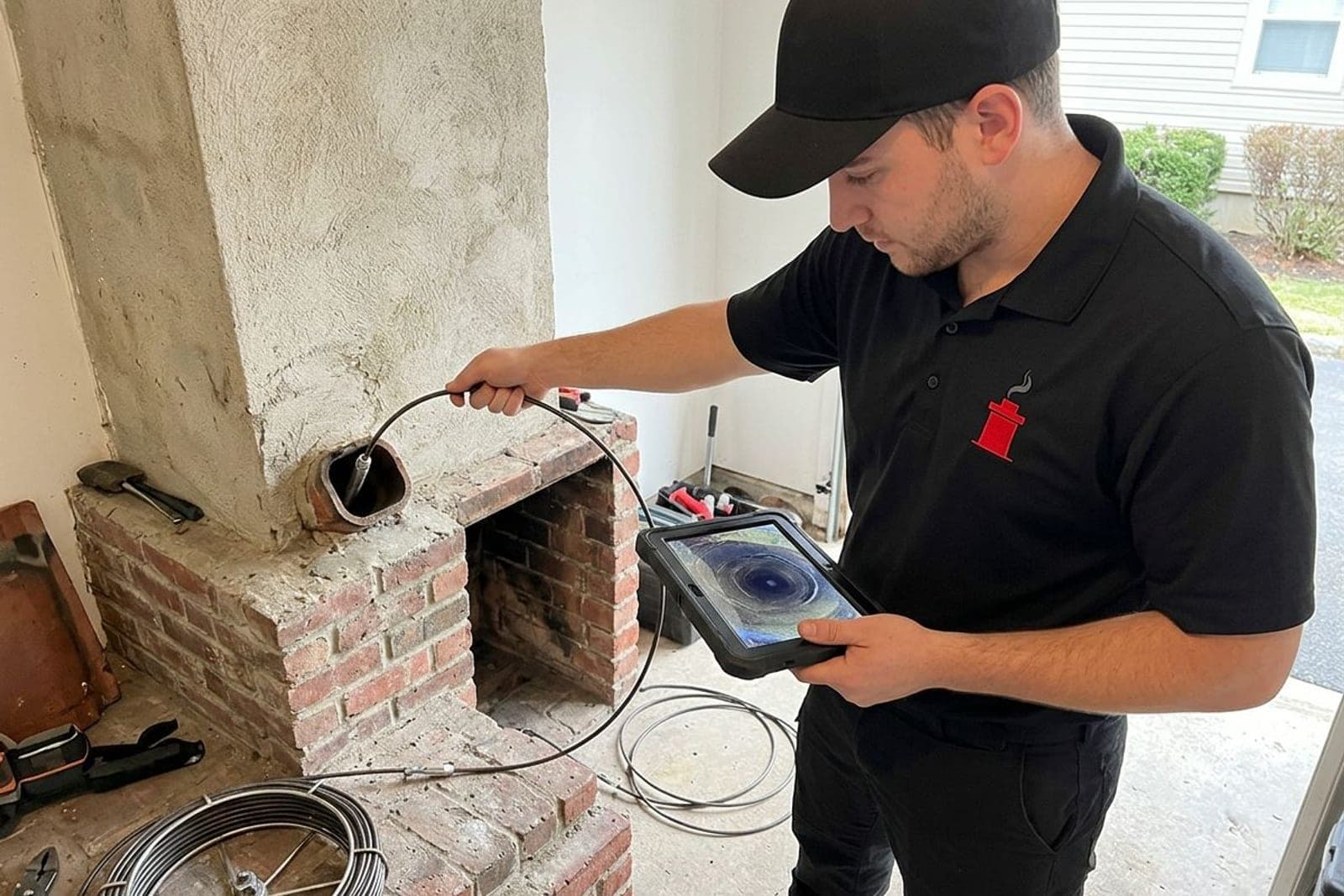
Whichever side of the township the call comes from, we run a full-length camera down the flue before recommending a liner type or material, and we tell you upfront whether the job qualifies for the state's maintenance exception or needs a permit filed first.
A Liner Doesn't Have to Take on Rain to Crack
Most liner failures we're called out for on the mainland trace back to age, not a single storm — but Barnegat Bay's 2012 flooding, which put the Silverton area and downtown Toms River under water at levels never recorded before, left a real mark on chimneys whose bases sat in that water for days. Moisture pulled up into surrounding masonry keeps working on a clay tile liner from the outside long after the flood itself is a memory.
That's why a camera inspection on an older mainland flue isn't optional for us, even when the liner looks fine at the top: cracking driven by base moisture shows up mid-flue, not at the crown, and a liner that already has hairline damage gives any future water intrusion a much shorter path into the structure.
The Liner in the Boathouse Nobody's Thought About
A fair number of Toms River's waterfront properties run a second, smaller flue for a boathouse or bulkhead-side stove or heater — separate from the liner inside the main house, and used a fraction as often. A liner in one of those structures deteriorates on the same timeline as any other; it just doesn't get checked, because nobody's firing that appliance up every week.
We ask about detached waterfront structures specifically when we're already scoping a relining job on the main house, since a liner that's sat idle for a season or more is exactly the kind we'd otherwise never see until the appliance it serves gets used again.
What Toms River Chimney Relining Includes
Every chimney relining we do in Toms River includes:
- Full-length camera inspection of the existing flue before any liner work is scoped
- Liquid-applied (cast-in-place) relining where it qualifies as permit-exempt maintenance under New Jersey's code
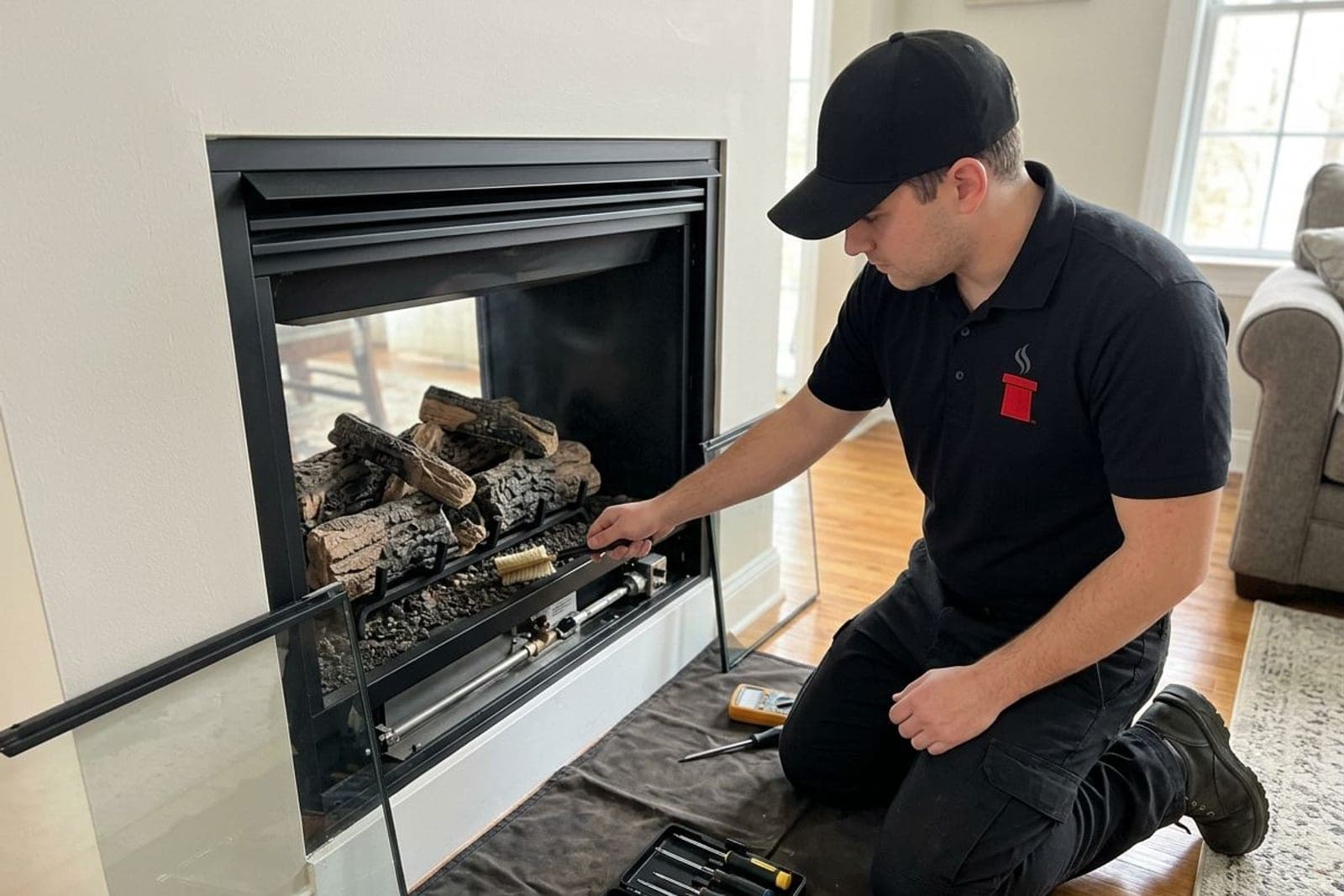
- Rigid or flexible stainless steel liner installation and permit filing where the work falls outside that exception
- Removal of a failed or cracked clay tile liner ahead of a new installation
- Coordination with the engineer of record on barrier-peninsula rebuilds subject to structural review
- Sizing the liner correctly to the connected appliance, gas or wood-burning
- Sealing and insulating the liner where the flue run allows it
- A written, itemized quote before any relining work begins
Professional, clean, no-mess service.
Signs Your Toms River Flue Liner Needs Attention
- Pieces of tile or liner material found in the firebox
- Visible cracks in the flue on a camera inspection
- Rust-colored or dark staining low on the interior chimney wall
- Smoke or a burning odor reaching the living space
- A noticeable drop in draft or heating efficiency
- The liner has never been checked since a post-storm rebuild
- A liner serving an appliance that's been swapped without paperwork on file
- Evidence of a prior chimney fire
If you notice smoke backup or stage-3 creosote, book immediately.
Book nowA Permit Exception on the Mainland, an Engineer's Sign-Off on the Peninsula
New Jersey's maintenance exception for liquid-applied lining can move a mainland reline faster than homeowners expect, while a peninsula reline tied to a structural rebuild adds an engineer's review the mainland job never sees. Knowing which situation you're in changes both the price and the timeline.
A chimney relining job in Toms River — start to finish
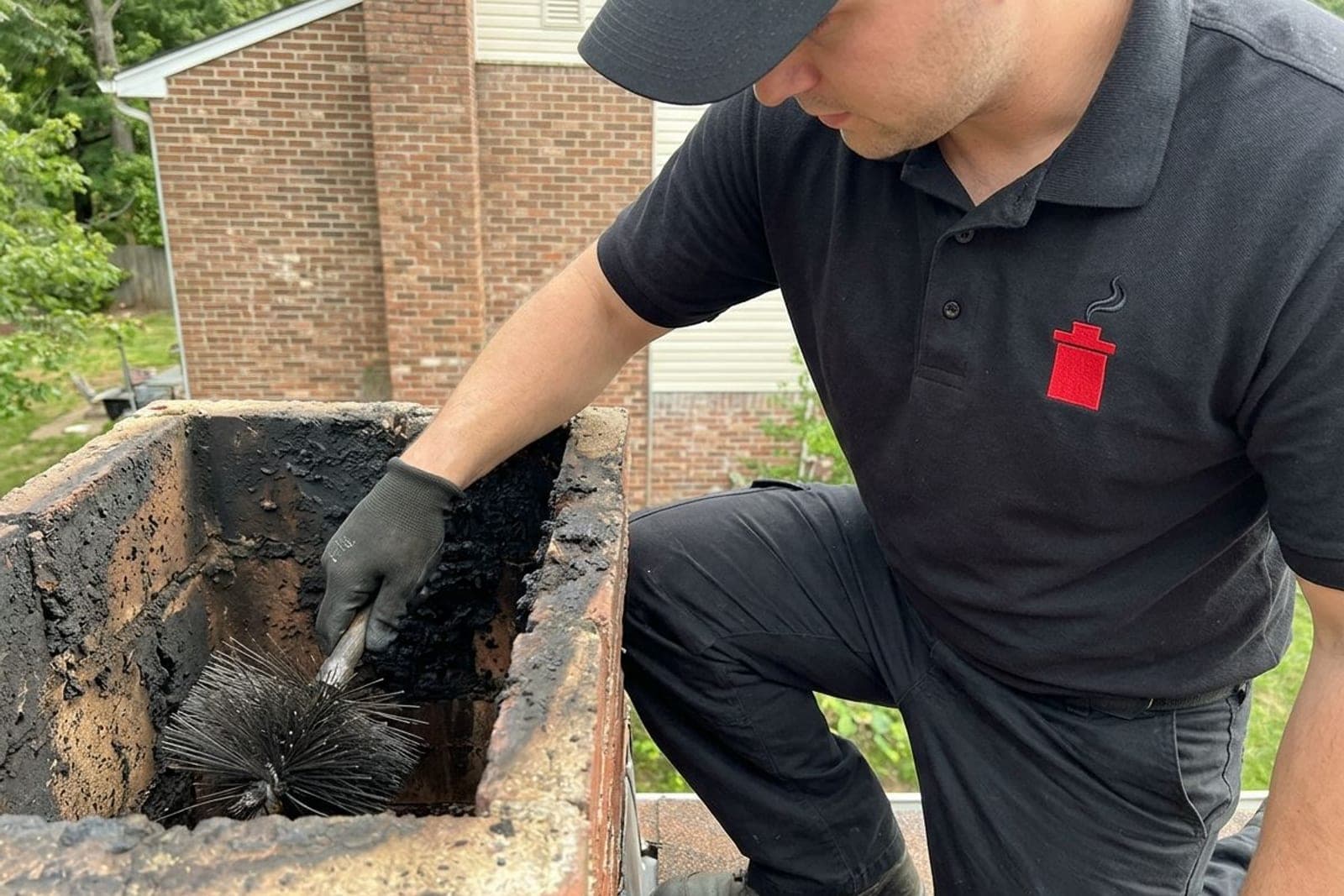 Before
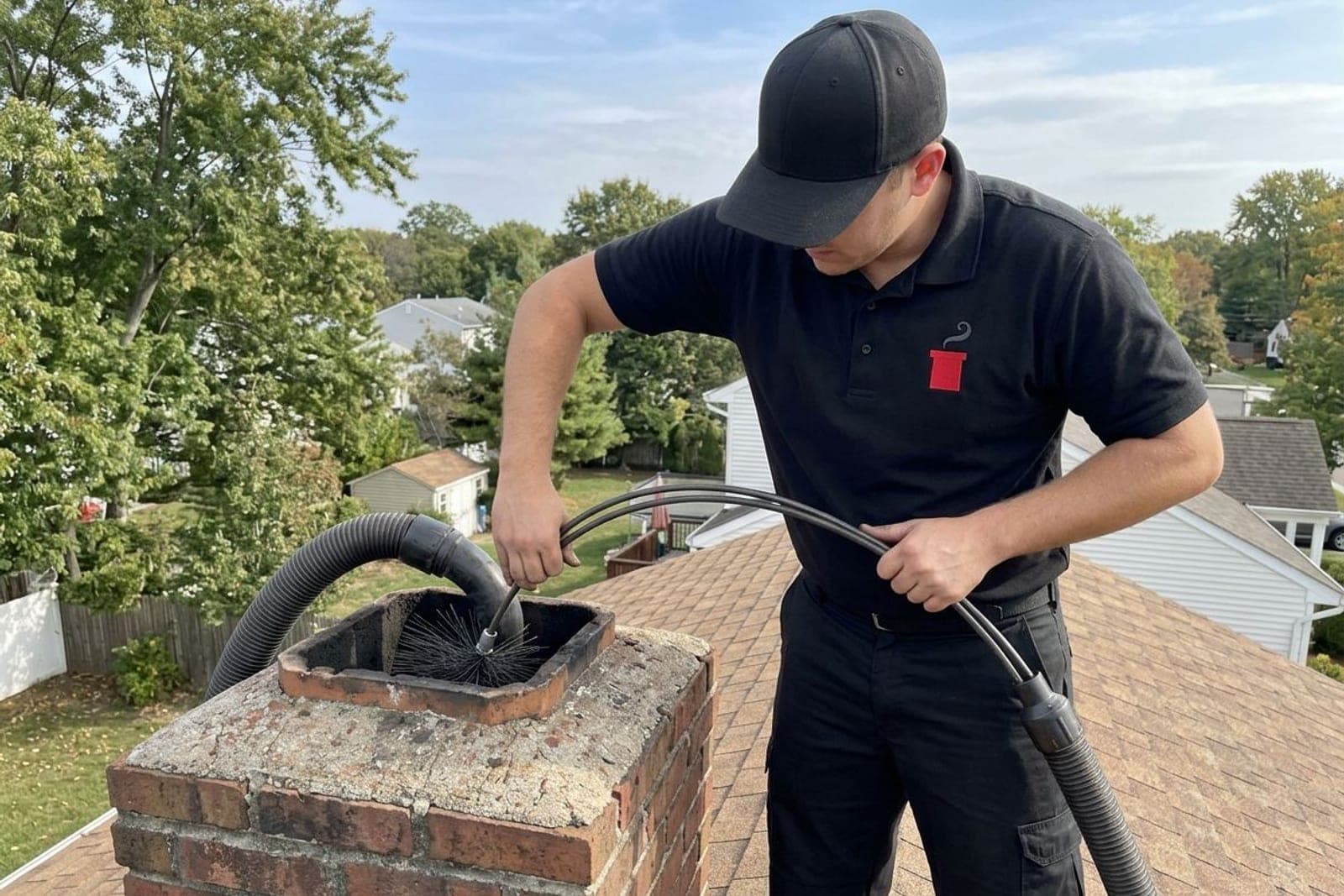 After
AfterA homeowner rebuilding a Dover Beaches North property on new pilings after prior storm damage needed the chimney's flue liner addressed as part of the structural rebuild, not as a separate later job.
- 1
On-Site Inspection
$99 plus tax
Our inspection found the original clay tile liner had been left in place during a partial rebuild, with several tiles cracked from the original storm damage.
- 2
Liner Removal and Stainless Installation
$2,300
We removed the cracked clay tile sections and installed a full-length stainless steel liner sized to the home's new appliance, coordinating the work with the project's engineer of record since the home sits in a coastal V zone.
- 3
Sealing and Final Draft Check
included
We sealed the liner at the top and bottom and confirmed proper draft as part of finishing the installation.
The total for this reline came to $2,399. Coordinating the liner scope with the rebuild's engineer of record added a step a mainland reline never sees, but it kept the new liner compliant with the structural review the home's elevation project already required.
This is a representative crew-written job summary, not a customer review. Photographs of jobs we have actually completed are on our work.
How We Reline a Toms River Chimney
 1
1On-Site Flue Inspection
We run a camera the full length of the flue to see the liner's actual condition, not just what's visible from the top, and confirm which permit category the job falls into.
- 2
Written Quote and Permit Determination
We tell you plainly whether the work qualifies as permit-exempt liquid-applied lining or needs a standard construction permit, and price it accordingly before anything starts.
 3
3Relining and Final Inspection
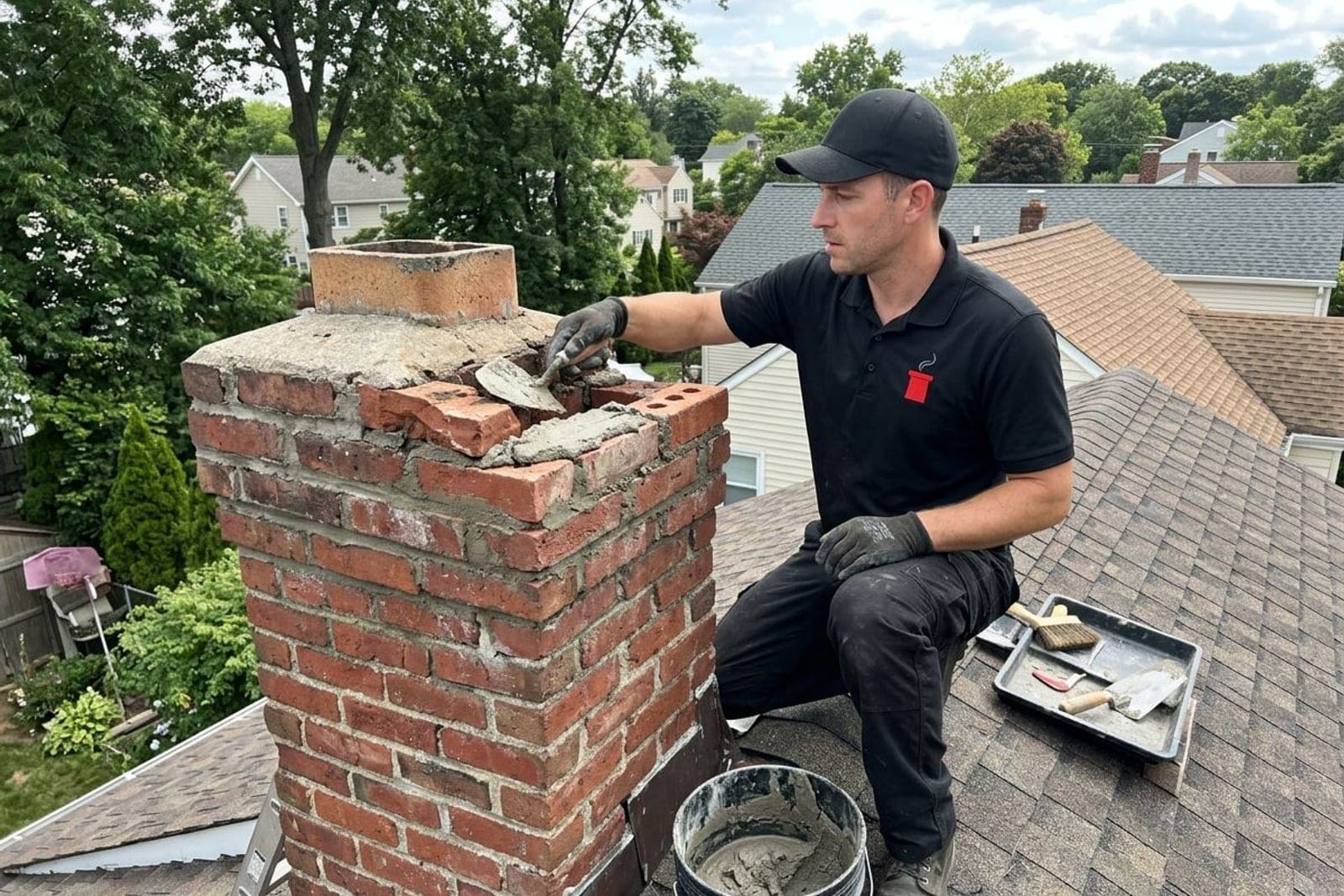
We install the liner your flue and appliance call for, seal the work, and confirm draft and clearance before we consider the chimney back in service.
| Warning Sign | Toms River Cause | Recommended Next Step |
|---|---|---|
| Cracked or missing flue tiles visible on camera | Age, freeze-thaw cycling on mainland masonry | On-site inspection: $99 plus tax (relining from $1,500) |
| Rust-colored staining low on interior masonry | Bay floodwater wicking up from the base | Full flue inspection before relining is scoped |
| Smoke or odor reaching living space | Compromised liner letting gases escape | Same-week inspection recommended |
| Chimney tied to a barrier-peninsula rebuild | V-zone structural rules apply to the project | Coordinate liner scope with the engineer of record |
| Furnace or water heater recently replaced | Flue connection needs Form F-370 documentation | Confirm the paperwork was completed |
| Poor draft or a persistent burning smell | Liner diameter mismatch or internal damage | Diagnostic inspection and reline recommendation |
Prices verified on .
Built for Toms River's homes and climate
We treat Toms River — about 95,432 residents — as home turf, together with Beachwood, Island Heights and Bayville next door. That is why chimney relining appointments here fit into an existing route instead of a special trip.
Toms RiverOcean County, NJ · 39.954, -74.198
Chimney Relining Questions from Toms River Homeowners
Does chimney relining need a permit in Toms River?
It depends on the method. New Jersey's Uniform Construction Code treats a liquid-applied lining material inside an existing chimney as ordinary maintenance, with no permit required (N.J.A.C. 5:23-2.7(c)5x). A new rigid or flexible stainless liner, or a reline bundled into a larger chimney rebuild, follows the standard construction-permit process instead. We tell you which category your job falls into at the inspection.
What does chimney relining cost in Toms River?
Our relining work starts from $1,500, depending on flue height, liner diameter and whether the old liner has to come out first. Fixr, HomeGuide, Angi and Doctor Chimney NJ each track a New Jersey figure for this work; their 2026 data, current to September 3, clusters between $1,800 and $4,000, with $2,500 the typical charge. The on-site inspection is $99 plus tax, deducted in full from the quote if you approve the work.
Why would a Dover Beaches reline involve an engineer, when a mainland one usually doesn't?
Homes on the barrier peninsula sit in a coastal high-hazard flood zone. When a reline rides along with new construction or a substantial improvement there, federal flood insurance rules require the structural work to be designed or reviewed by a licensed engineer or architect, and the usual self-drawn-plan allowance for homeowners doesn't apply. A standalone reline with no structural changes around it doesn't trigger that step.
Can an old clay tile liner be relined without tearing out the chimney?
Often, yes — that's exactly what the liquid-applied lining exception in New Jersey's code is built for: coating the inside of the existing flue rather than demolishing and rebuilding the chase around it. Whether that method is enough, or whether the old tile has to come out first, depends on how far it's already deteriorated, which is what the camera inspection tells us.
Does a liner that's never touched rainwater still need attention after a bay flood?
Yes. A liner doesn't have to take on water directly to be damaged by a flood — groundwater held in the masonry around it for days afterward works on clay tile from the outside, and cracking from that kind of exposure can take months to show up on a camera inspection.
Get in touch
- (732) 889-5194
- contact@jerseychimneypros.com
- Based in Lakewood, NJ — serving Toms River

Need your chimney checked in Toms River?
Clear pricing, local scheduling, and honest written recommendations you can trust.

Book your chimney relining in Toms River
Real open times on our crew's calendar — confirmed instantly.
Chimney Relining in Toms River