Freehold, Monmouth County
Chimney Relining in Freehold, NJ
Ensure the safety and efficiency of your heating system with professional chimney relining in Freehold, NJ. Jersey Chimney Pros specializes in restoring the integrity of chimneys in historic borough homes and modern suburban residences across Monmouth County, protecting your family and property.
Typical investment
From $1,500
- Local crews
- Licensed & insured
- Documented work
- Fast scheduling
- Serving Freehold and the surrounding Monmouth County towns
- $99 inspection, deducted from an approved quote
- Usually on the same Monmouth County route as Atlantic Highlands, Brielle, Colts Neck
Why Freehold homes need chimney relining
Freehold's diverse housing stock, ranging from stately historic borough homes to more recent suburban developments, often presents unique chimney challenges. Our local crews are adept at assessing both older, unlined flues susceptible to decades of wear and newer chimneys that might have hidden deterioration, ensuring tailored solutions for every Freehold property.
We treat Freehold — about 35,354 residents — as home turf, together with Marlboro, Manalapan and Colts Neck next door. That is why chimney relining appointments here fit into an existing route instead of a special trip.
Done by licensed crews
Our own team, never a subcontractor sent by a call center.
Written quote up front
You approve the price before any work begins.
Photo-documented
Before and after photos of every fix, in plain English.
Built for the local climate
Salt air, freeze-thaw and coastal wear factored in.
Restoring Freehold Chimney Integrity and Safety
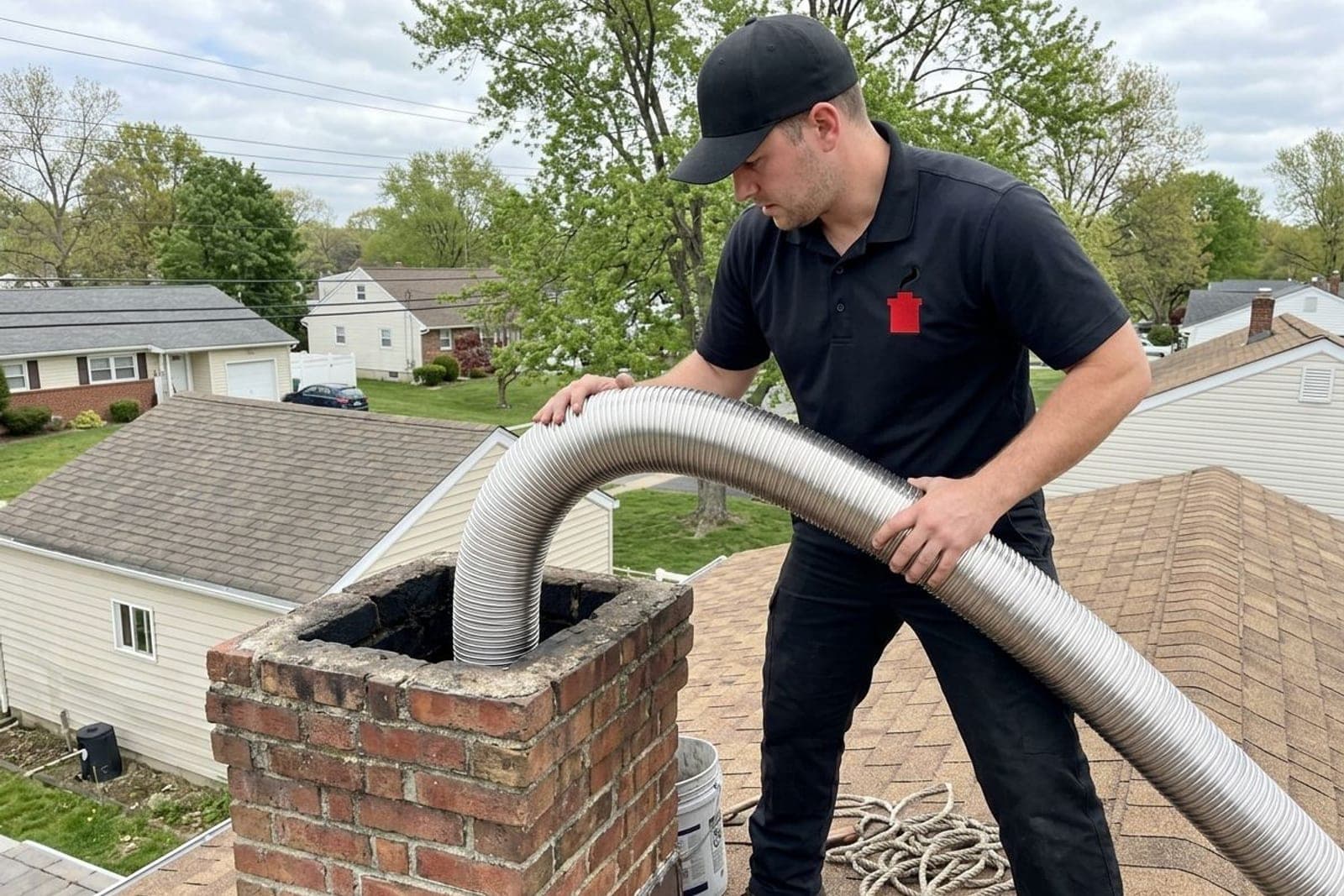
Chimney relining is the process of installing a new, durable lining inside an existing chimney flue. This critical upgrade creates a sealed, efficient pathway for combustion byproducts to exit your Freehold home safely, protecting both the chimney's masonry structure and your living space from heat, fire, and toxic gases. Whether your chimney serves a fireplace, wood stove, or heating appliance, a properly installed liner is fundamental to its safe and effective operation.
For Freehold's historic homes, many chimneys were originally built without liners or with clay tiles that have long since degraded due to age and exposure to the elements. Even chimneys in newer suburban developments can suffer from liner damage caused by chimney fires, lightning strikes, or simply the relentless freeze-thaw cycles common to our inland climate. A new liner from Jersey Chimney Pros provides a vital defense, preventing dangerous carbon monoxide leaks and drastically reducing the risk of chimney fires in your Freehold residence.
An unlined or damaged chimney flue poses severe risks, including the potential for lethal carbon monoxide (CO) to seep into your home, fire spreading to combustible materials within the walls, and accelerated deterioration of the chimney structure itself. The National Fire Protection Association (NFPA) Standard 211 mandates that all chimneys be lined and recommends annual inspections to ensure their integrity. For Freehold homeowners, understanding these dangers and adhering to safety standards is paramount to maintaining a secure living environment, especially when using wood-burning appliances or fireplaces.
Our chimney relining process typically involves a thorough inspection to determine the best liner type for your Freehold chimney and heating appliance. Depending on your specific needs, we might recommend installing a high-quality stainless steel liner, perfect for gas, oil, or wood-burning systems, or a cast-in-place refractory cement liner for a durable, custom-fit solution. Each option ensures a smooth, non-combustible passageway, significantly improving draft and preventing heat transfer to surrounding combustible materials.
Don't wait for visible damage to schedule a chimney inspection; regular maintenance is key, particularly given Freehold's weather patterns that can quickly exacerbate minor issues. Chimney relining is a more extensive service than a routine chimney sweeping, which only removes creosote and debris, and it's distinct from masonry repair, which addresses the exterior structure. If you notice signs like crumbling mortar, excessive smoke in your home, or a change in your fireplace's performance, it's time to consider a professional evaluation for relining.
The Relining Service Details for Freehold
Every chimney relining we do in Freehold includes:
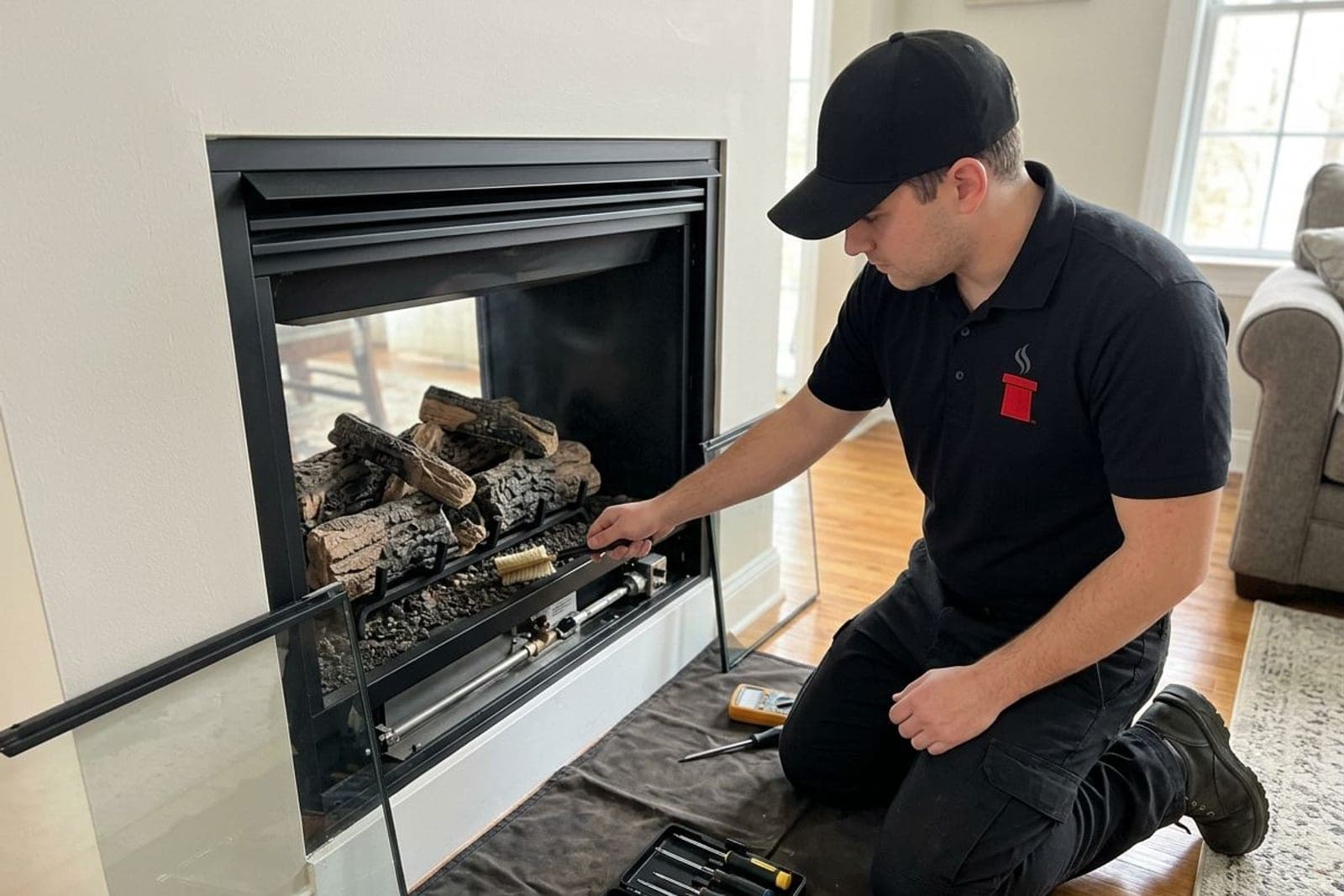
- Comprehensive chimney flue inspection and assessment
- Professional removal of existing deteriorated liners or debris
- Expert installation of code-compliant chimney liner (stainless steel or cast-in-place)
- Connection of heating appliance or fireplace to the new liner
- Post-installation smoke test and draft verification
- Site cleanup upon job completion
- Detailed explanation of new liner benefits and maintenance tips
Professional, clean, no-mess service.
Key Indicators for Freehold Chimney Relining
- Visible cracks or deterioration in the chimney's interior flue
- Excessive smoke entering your Freehold home when using the fireplace
- Rusting or corrosion around the damper or cleanout door
- Unexplained odors coming from the fireplace or chimney
- Difficulty starting or maintaining a fire in your Freehold fireplace
- Carbon monoxide detectors alarming frequently
- Mortar joint failure or spalling bricks visible within the flue
If you notice smoke backup or stage-3 creosote, book immediately.
Book nowFreehold's Diverse Homes and Chimney Wear
Though inland, Freehold homes are not immune to the severe weather common to central New Jersey, experiencing significant freeze-thaw cycles and heavy, wind-driven rains from nor'easters. These conditions, combined with high humidity, can accelerate the deterioration of masonry and existing clay tile liners, creating critical safety concerns like cracks, blockages, and the dangerous accumulation of creosote within Freehold's chimneys.
Our Relining Approach for Freehold Dwellings
 1
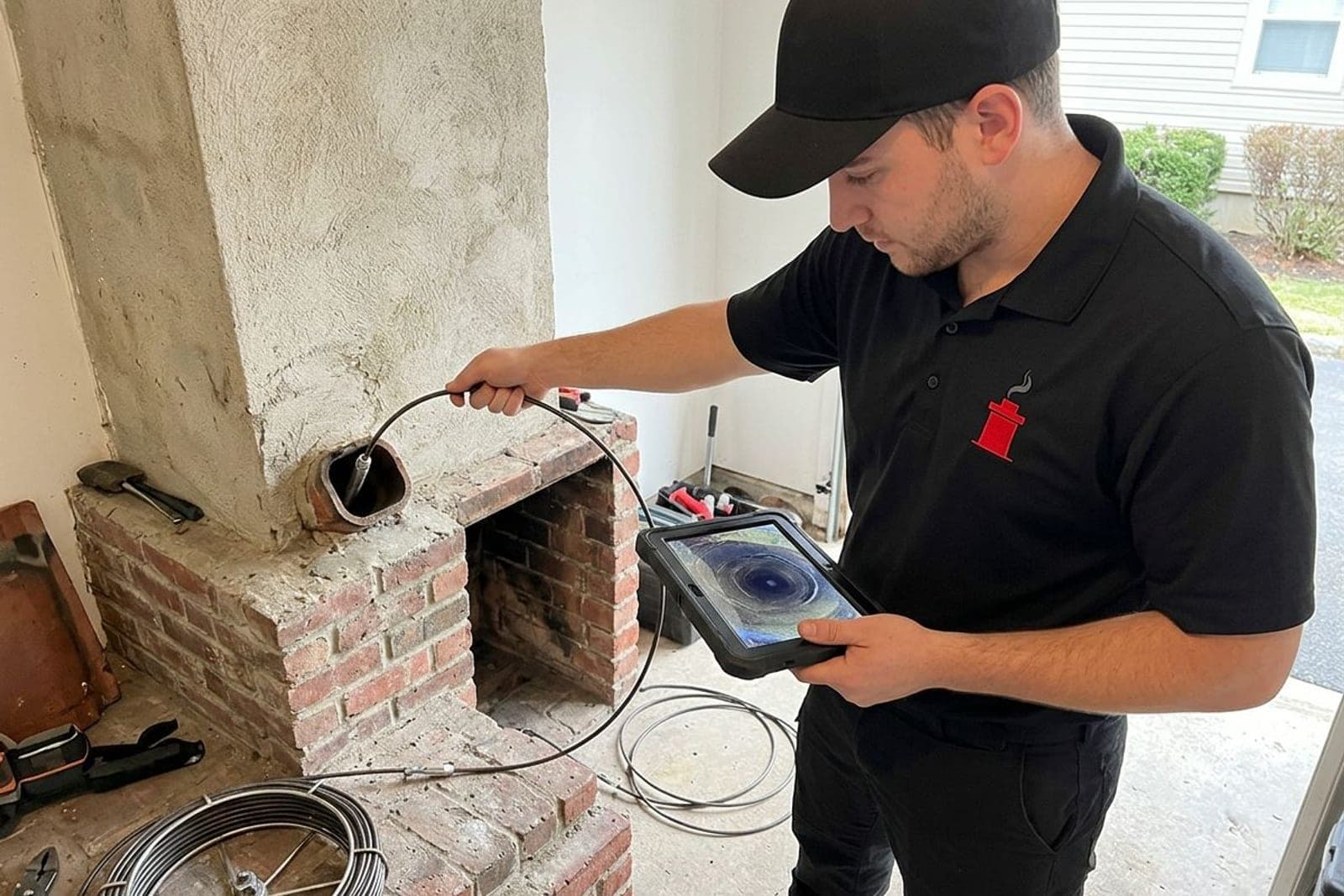
1Initial Freehold Chimney Assessment
Our certified technicians conduct a comprehensive, on-site inspection ($99 plus tax) of your Freehold chimney, evaluating its condition and diagnosing any liner damage.
 2
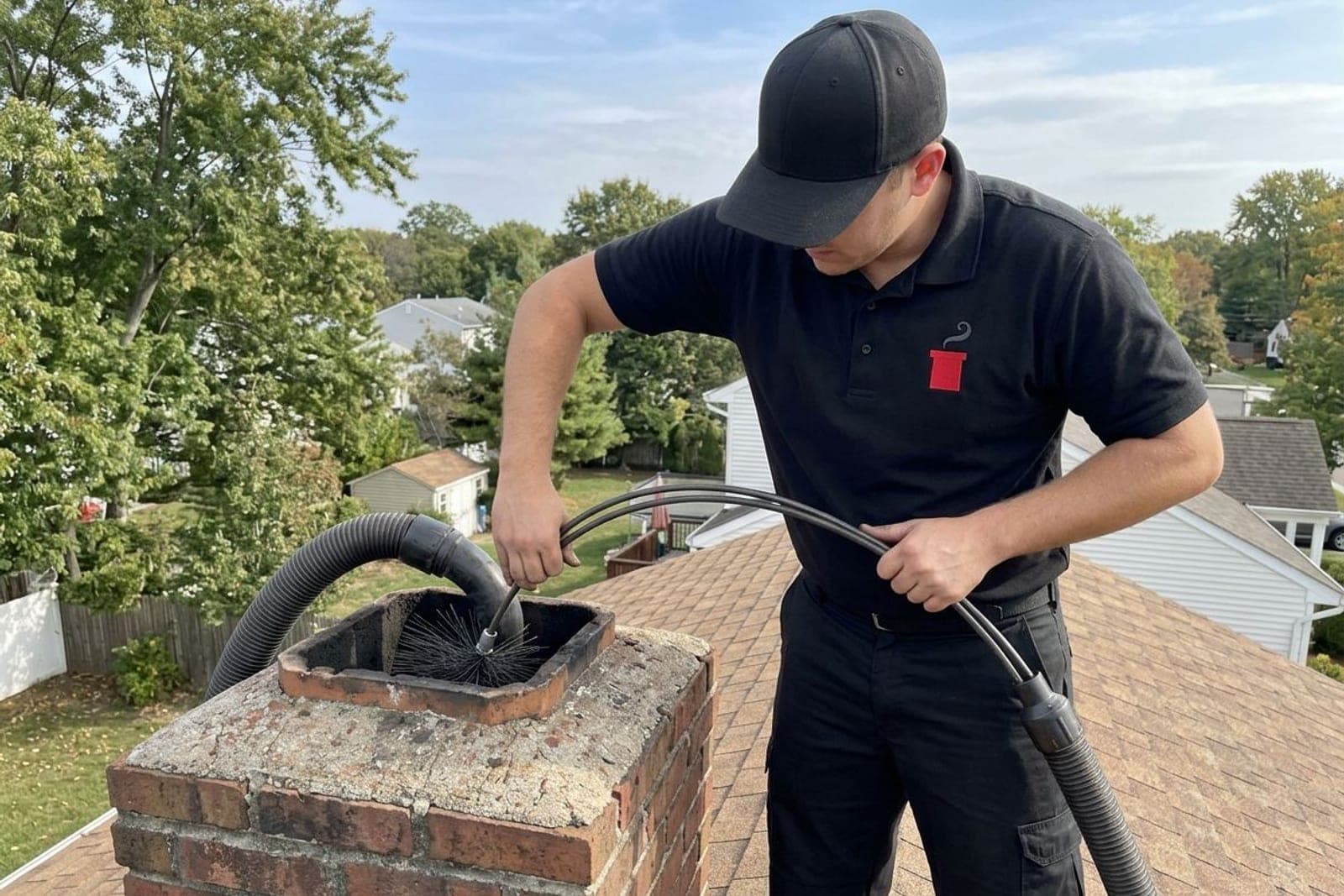
2Precision Liner Installation
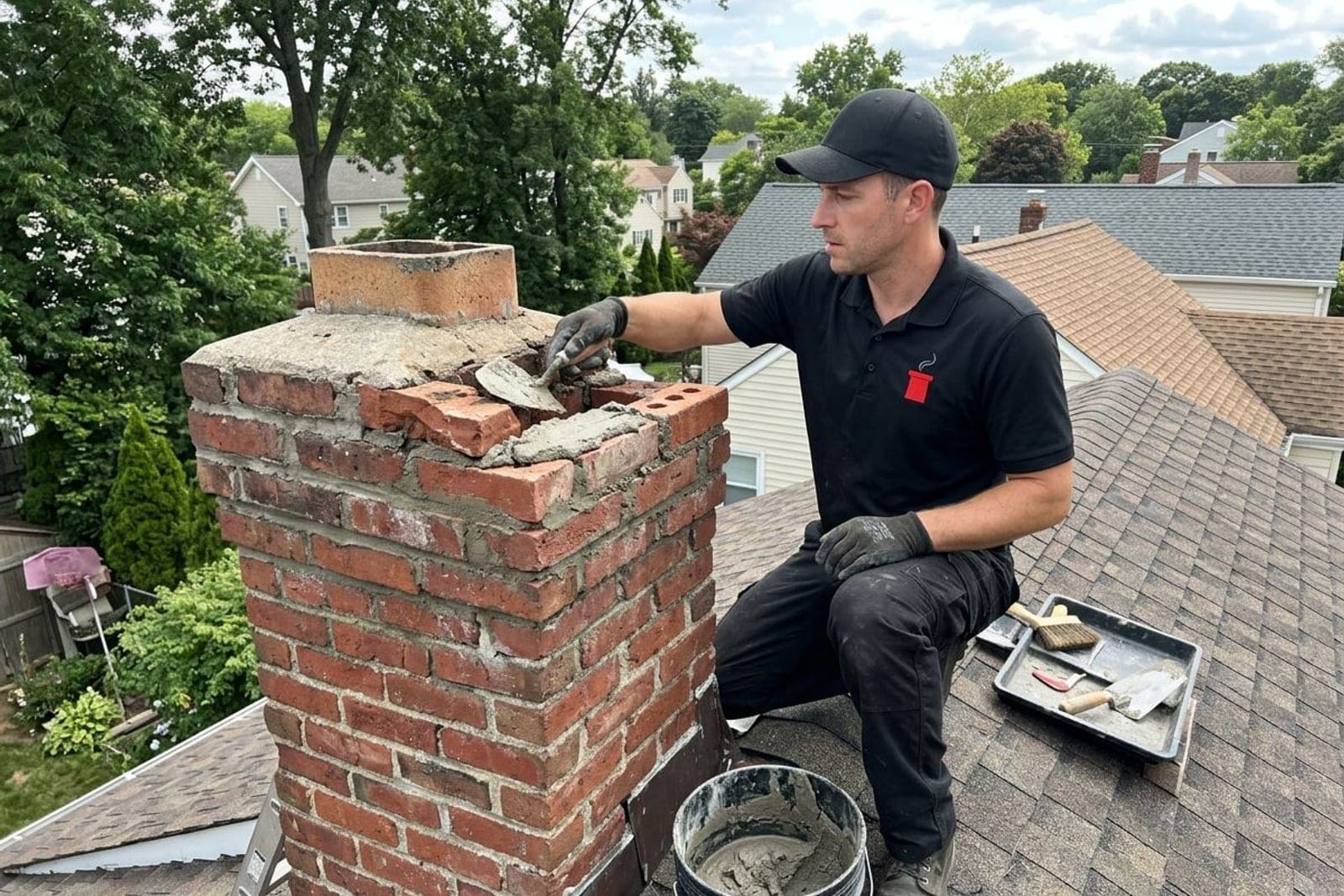
Using specialized tools and materials, we expertly install the chosen liner—be it durable stainless steel or a custom-formed cast-in-place system—ensuring a perfect, airtight fit specific to your Freehold home's chimney.
 3
3Final Safety Verification
After installation, we perform rigorous smoke tests and draft efficiency checks to confirm your new liner operates safely and effectively, providing you with peace of mind and a certificate of completion.
| Warning Sign in Freehold Chimney | Potential Problem | Urgency & Action |
|---|---|---|
| Visible cracks in interior flue | Fire hazard, structural damage | High - Schedule inspection |
| Excessive smoke entering home | Blockage, draft issue, CO risk | High - Stop use, call Pros |
| Carbon monoxide detector alarms | Lethal gas leak into home | IMMEDIATE - Evacuate, call 911 |
| Unexplained odors from chimney | Creosote buildup, animal issue | Medium - Investigate soon |
| Rusting on damper or cleanout | Moisture damage, liner failure | Medium - Plan inspection |
Prices verified on .
Built for Freehold's homes and climate
We treat Freehold — about 35,354 residents — as home turf, together with Marlboro, Manalapan and Colts Neck next door. That is why chimney relining appointments here fit into an existing route instead of a special trip.
FreeholdMonmouth County, NJ · 40.260, -74.274
Freehold Homeowner Relining Questions
Why do chimneys in Freehold need relining?
Freehold's climate, with its pronounced freeze-thaw cycles and inland humidity, takes a toll on older masonry and clay tile liners, especially in historic borough homes. Over time, these conditions, coupled with regular use, lead to cracks and deterioration that compromise safety and efficiency, making relining a crucial upgrade for many Freehold properties.
How much does chimney relining cost in Freehold, NJ?
The cost of chimney relining in Freehold varies based on factors like chimney height, flue size, and the chosen liner material. While prices start from $1,500, a precise quote requires a thorough inspection. We aim to provide cost-effective, long-lasting solutions tailored to your Freehold home's specific needs.
Is chimney relining really necessary, even if my Freehold chimney seems fine?
Yes, absolutely. Many issues like hairline cracks or hidden creosote buildup aren't visible to the untrained eye but can pose serious risks like carbon monoxide leaks or chimney fires. Regular inspections are vital, especially for older Freehold homes, to catch problems early and ensure your chimney meets current safety standards before it becomes a hazard.
What type of liner is best for my Freehold home?
The best liner type depends on your heating appliance and chimney's condition. Stainless steel liners are versatile and popular for gas, oil, and wood-burning appliances, offering excellent durability. Cast-in-place liners are ideal for custom shapes or damaged flues, forming a seamless, robust structure. Our Freehold experts will recommend the optimal solution after a detailed assessment.
How long does a chimney relining job typically take in Freehold?
Most standard chimney relining projects in Freehold can be completed within one to three days, depending on the chimney's size, complexity, and the type of liner being installed. We work efficiently to minimize disruption to your Freehold home while ensuring the highest quality of workmanship and adherence to safety protocols.
What are the first signs I should look for that indicate my Freehold chimney needs relining?
Key warning signs include visible cracks or spalling bricks inside the flue, a noticeable decrease in fireplace draft, smoke entering your living space, or excessive creosote buildup that won't easily scrape away. If you notice any of these issues, particularly in an older Freehold home, it's prudent to schedule a professional inspection promptly.
Get in touch
- (732) 889-5194
- contact@jerseychimneypros.com
- Based in Lakewood, NJ — serving Freehold
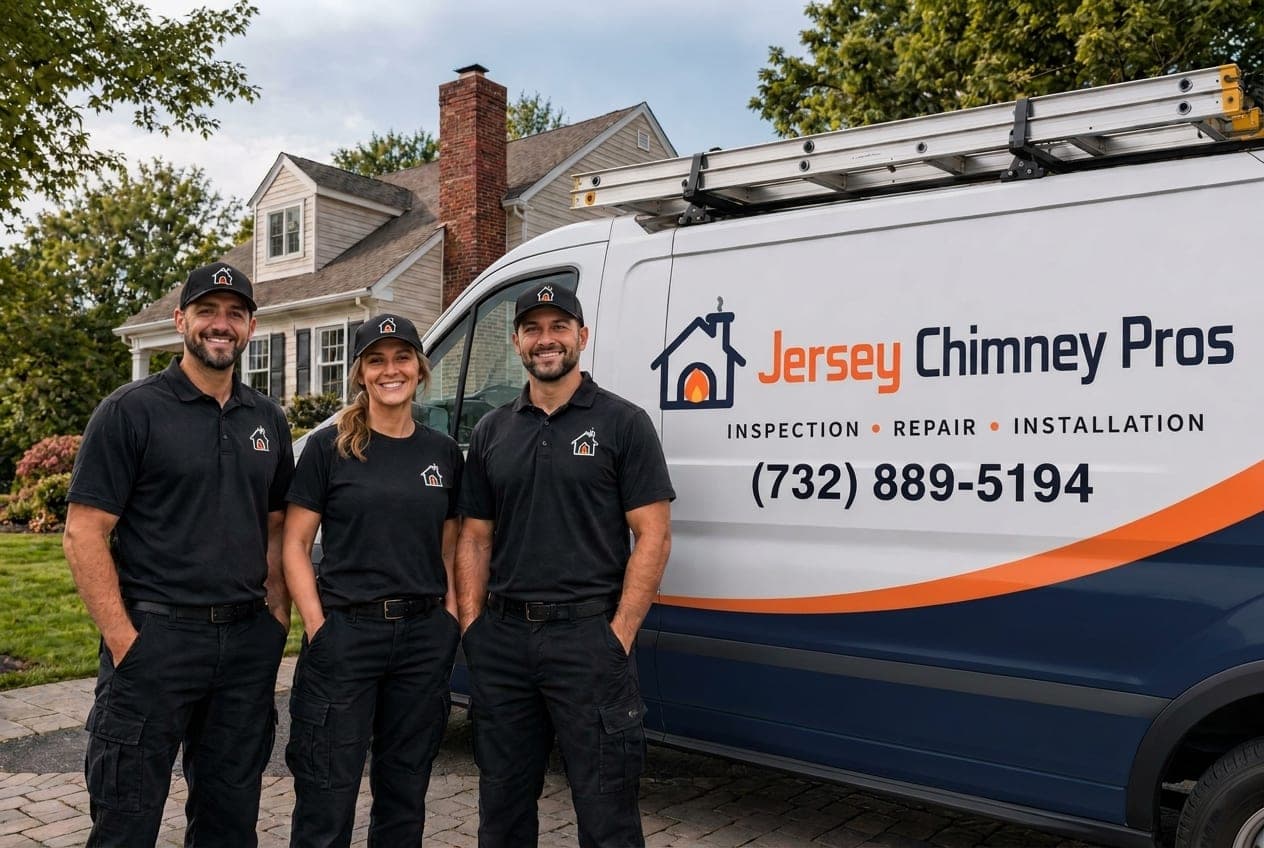
Need your chimney checked in Freehold?
Clear pricing, local scheduling, and honest written recommendations you can trust.
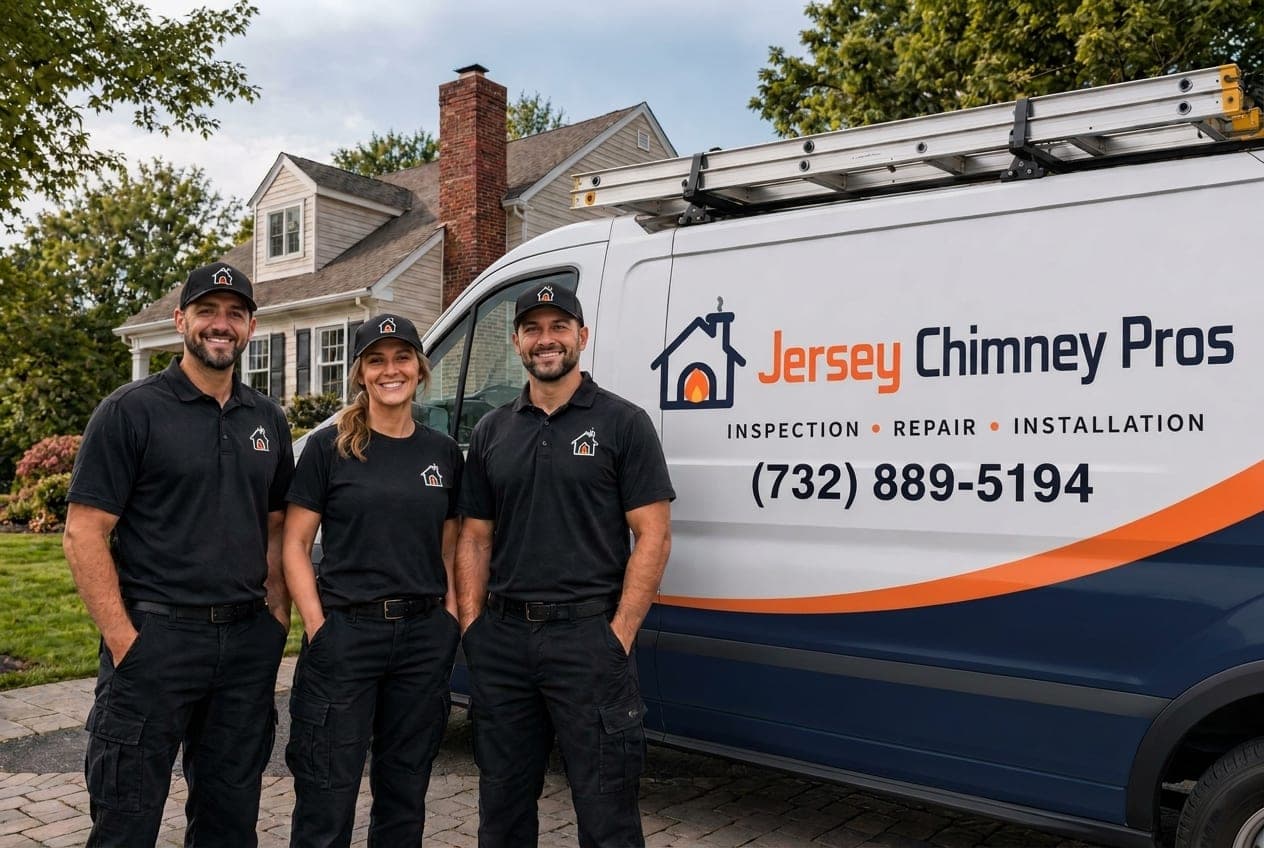
Book your chimney relining in Freehold
Real open times on our crew's calendar — confirmed instantly.
Chimney Relining in Freehold