Freehold, Monmouth County
Chimney Waterproofing in Freehold, NJ
For Freehold, NJ, homeowners, protecting your chimney from the relentless elements is crucial. Jersey Chimney Pros offers expert chimney waterproofing services to safeguard your home's masonry and ensure its longevity. We help prevent water damage that can compromise the structural integrity and safety of your chimney system.
Typical investment
$250–$650
- Local crews
- Licensed & insured
- Documented work
- Fast scheduling
- Serving Freehold and the surrounding Monmouth County towns
- $99 inspection, deducted from an approved quote
- Usually on the same Monmouth County route as Atlantic Highlands, Brielle, Colts Neck
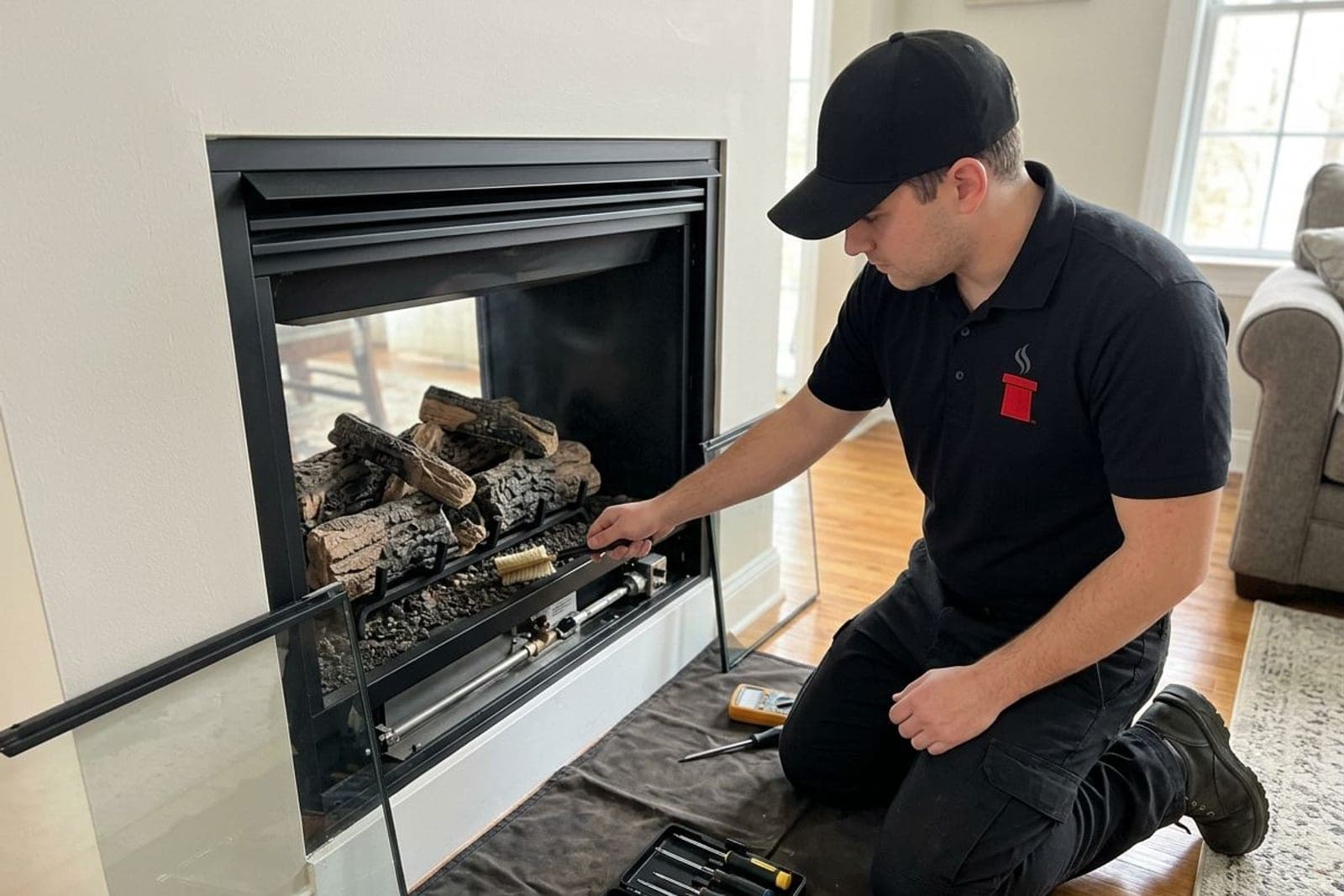
Why Freehold homes need chimney waterproofing
In Freehold, with its mix of historic borough homes and newer suburban developments, chimneys often represent a significant investment and a critical component of your heating system. Our local crews understand the particular needs of chimneys here, from the aged brickwork of older residences to the newer constructions susceptible to freeze-thaw damage. We focus on proactive protection against the specific weather patterns of inland Monmouth County.
With roughly 35,354 residents, Freehold keeps us busy year-round. We pair it with Marlboro, Manalapan and Colts Neck on the same route, so chimney waterproofing in Freehold gets scheduled without a long wait.
Done by licensed crews
Our own team, never a subcontractor sent by a call center.
Written quote up front
You approve the price before any work begins.
Photo-documented
Before and after photos of every fix, in plain English.
Built for the local climate
Salt air, freeze-thaw and coastal wear factored in.
Safeguarding Freehold Chimneys from Relentless Elements
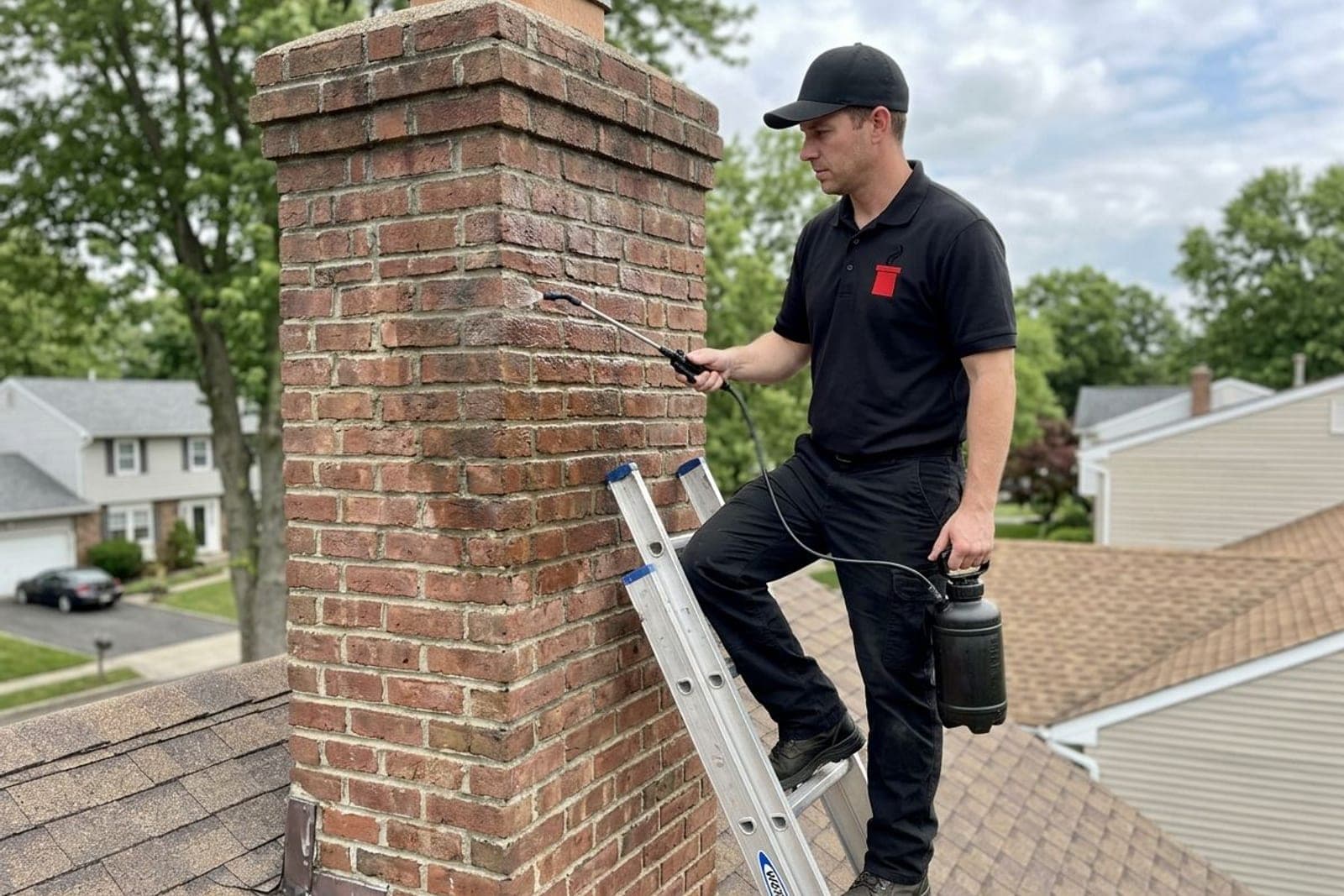
Chimney waterproofing is a specialized service that applies a breathable, water-repellent sealant to your chimney's exterior masonry. Unlike paint, this sealant penetrates the pores of the brick and mortar, allowing moisture vapor from inside the chimney to escape while preventing rain and snow from entering. For Freehold residents, this protective barrier is essential to prevent water infiltration, which is the leading cause of chimney deterioration and costly repairs in our climate.
Masonry materials like brick and mortar are naturally porous, acting like sponges that absorb water. When this absorbed water freezes, it expands, putting immense pressure on the surrounding material and causing it to crack, spall, and crumble – a process known as the freeze-thaw cycle. Given Freehold's distinct winter temperatures that frequently hover around freezing, this cycle poses a constant threat to unsealed chimneys, weakening their structure over time and compromising their ability to safely vent heating appliances.
While coastal towns battle salt air, Freehold's inland setting means a different battle against moisture: persistent humidity, heavy rainfall, and intense summer storms. These elements relentlessly attack unprotected chimneys, saturating the masonry and promoting mildew and moss growth. Properly waterproofing your chimney offers vital defense against these specific local conditions, preserving the aesthetic appeal of your Freehold home and preventing internal dampness that can affect indoor air quality.
Beyond structural integrity, a compromised chimney can pose significant safety risks. Water damage can deteriorate the chimney liner, which is critical for containing combustion byproducts like carbon monoxide (CO) and creosote. NFPA 211 standards recommend annual chimney inspections, which include assessing the condition of your masonry. Regular waterproofing, alongside professional inspections, helps maintain a safe flue, reduces the likelihood of creosote accumulation due to dampness, and ensures your Freehold home remains protected from potential hazards.
Our chimney waterproofing service involves more than just spraying a product. It typically begins with a thorough cleaning to remove dirt, efflorescence, and loose debris, followed by any necessary minor repairs to mortar joints or small cracks. We then carefully apply a high-quality, professional-grade waterproofing agent specifically designed for masonry, ensuring complete coverage. This is distinct from services like tuckpointing (which repairs extensive mortar damage) or major liner replacement, as waterproofing focuses on preventing future water penetration rather than repairing existing structural failures.
The ideal time for chimney waterproofing is during milder weather, before the harsh winter freeze-thaw cycles or the heavy downpours of spring. Proactive maintenance is key to extending the life of your chimney and avoiding costly repairs down the line. By booking regular waterproofing and annual inspections with Jersey Chimney Pros, Freehold homeowners can protect their property's value, ensure optimal chimney performance, and gain peace of mind knowing their home is well-prepared for any weather Monmouth County throws its way.
Detailed Waterproofing Coverage for Freehold Homes
Every chimney waterproofing we do in Freehold includes:
- Full visual inspection of exterior masonry
- Thorough cleaning of chimney surface to remove dirt and debris
- Application of professional-grade, breathable waterproofing sealant
- Checking and sealing minor cracks and voids
- Inspection of chimney crown for water integrity
- Clearance of any superficial efflorescence
- Protection of surrounding roof and property during application
Professional, clean, no-mess service.
Spotting Water Damage on Your Freehold Chimney
- Discolored or stained bricks on the chimney exterior
- Crumbling, flaking, or spalling bricks
- Deteriorated or missing mortar joints
- White, powdery residue (efflorescence) on masonry
- Dampness or moisture in the firebox or fireplace interior
- Musty odors emanating from the fireplace or chimney
- Visible water leaks inside the home near the chimney structure
If you notice smoke backup or stage-3 creosote, book immediately.
Book nowFreehold's Inland Climate and Chimney Health
While Freehold is safely inland and spared the direct salt air corrosion of the Shore, its chimneys face unique challenges from heavy seasonal rains and persistent humidity. The repeated freeze-thaw cycles common in Monmouth County winters are particularly damaging to unsealed masonry, causing bricks to spall and mortar to erode. Nor'easters and other strong storms can also drive moisture deep into brickwork, leading to costly long-term damage if not addressed with professional waterproofing.
Our Method for Lasting Freehold Chimney Waterproofing
 1
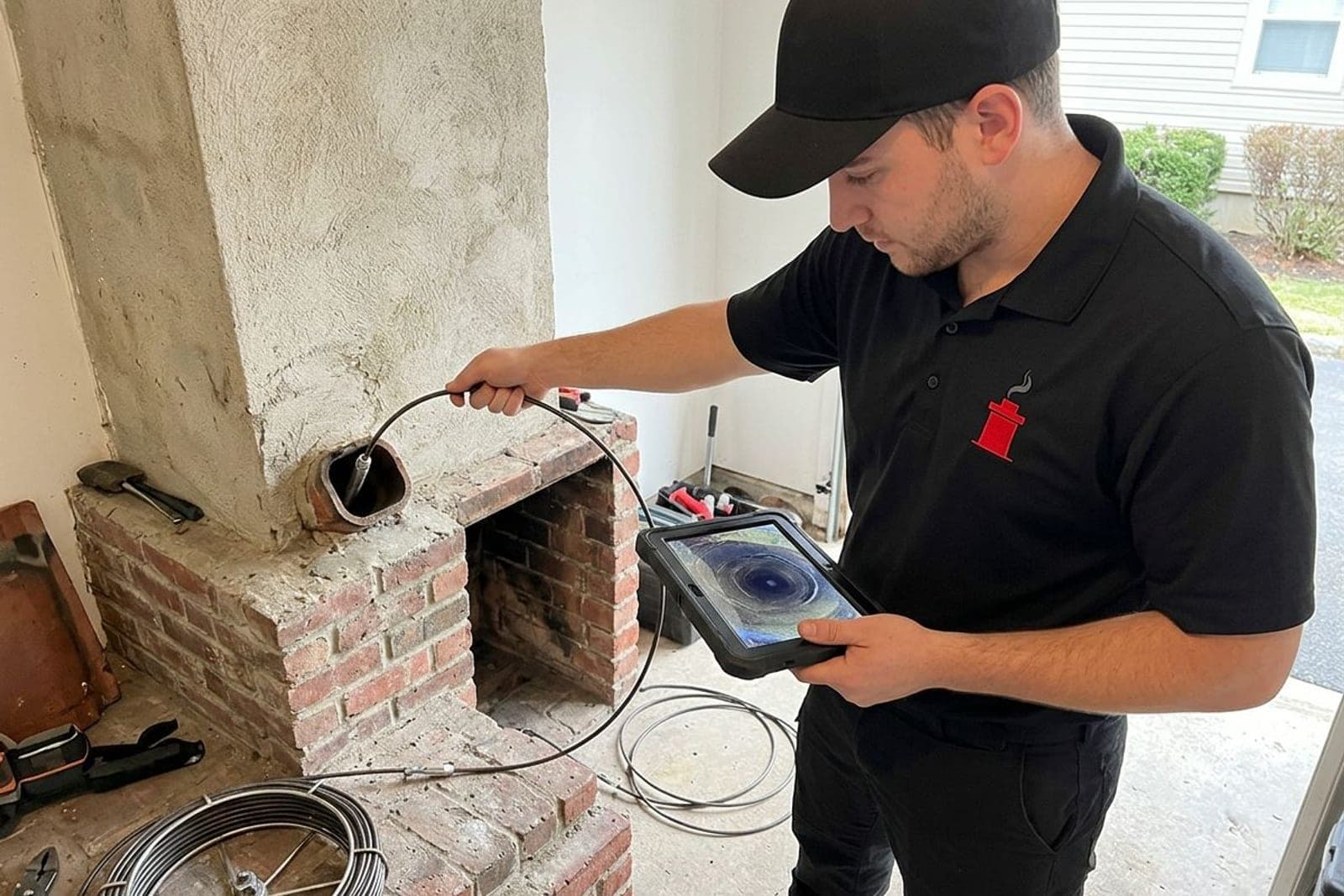
1Initial Inspection and Assessment
Our certified technicians conduct a detailed visual inspection of your Freehold chimney's exterior to identify any existing damage, structural issues, and areas of water penetration. We provide a comprehensive assessment to determine the best course of action.
 2
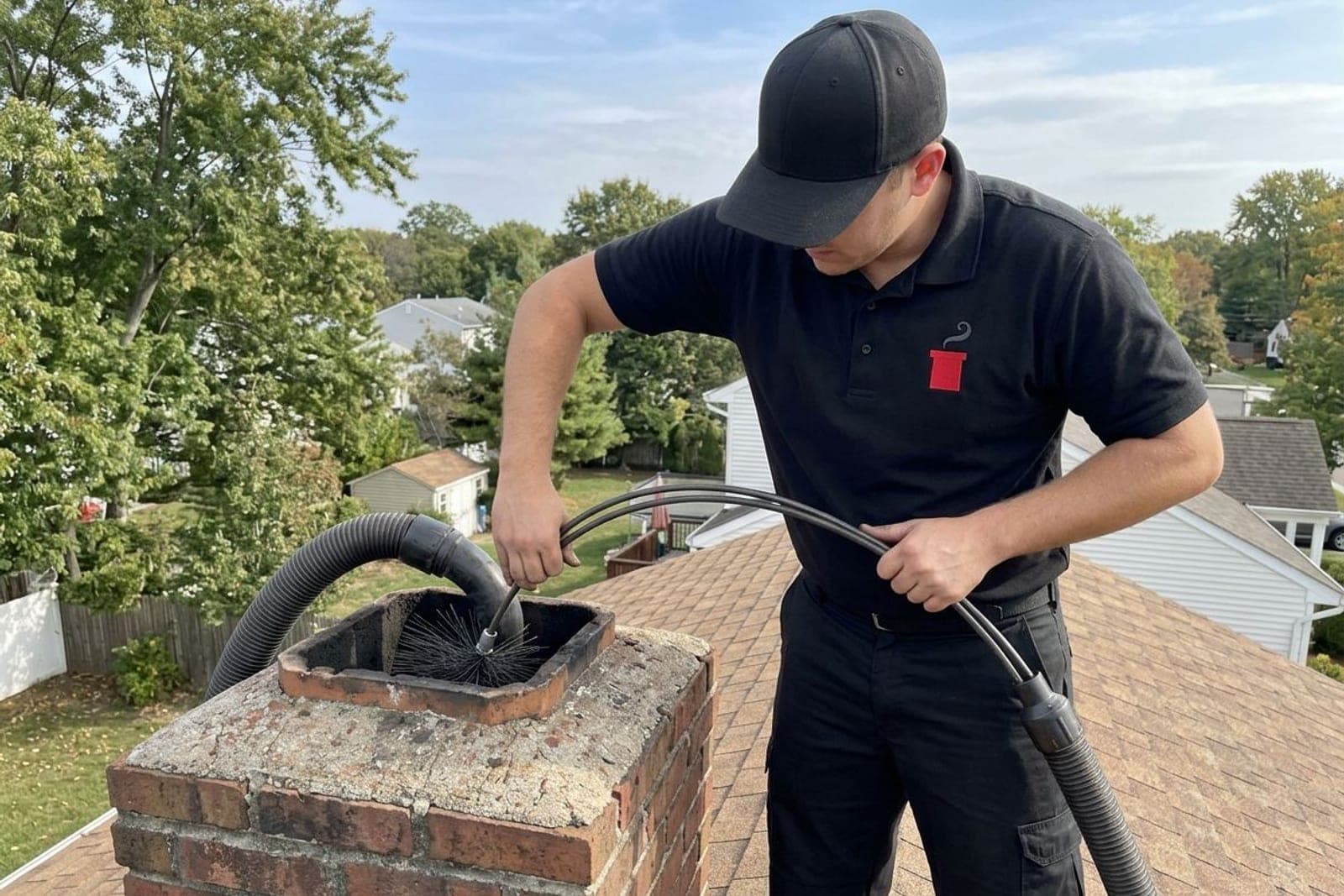
2Surface Preparation and Minor Repairs
Before applying the sealant, we meticulously clean the chimney surface, removing dirt, moss, and loose debris. Any minor cracks or damaged mortar joints are addressed and repaired to ensure a smooth, sound base for effective waterproofing.
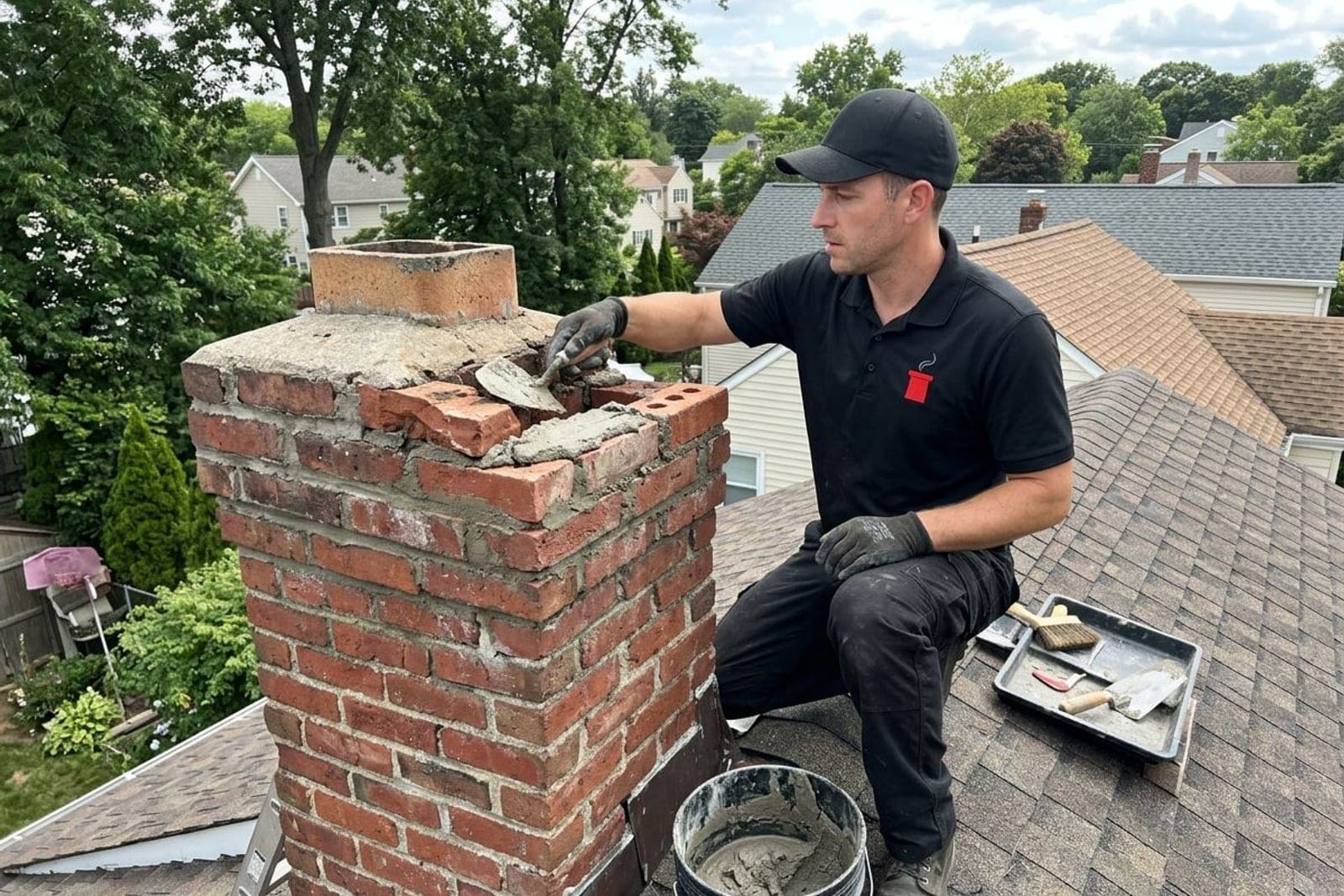 3
3Expert Sealant Application
Using professional-grade equipment, we apply a high-quality, breathable waterproofing sealant specifically designed for masonry. This ensures deep penetration and comprehensive protection against water absorption, without trapping internal moisture.
| Warning Sign | Indicates | Freehold Relevance |
|---|---|---|
| Discolored or stained bricks | Water absorption or mildew | Common from local humidity |
| Crumbling or spalling bricks | Freeze-thaw damage | High risk in Freehold winters |
| Deteriorated mortar joints | Water infiltration path | Worsens with heavy rains |
| White, powdery residue (efflorescence) | Moisture moving through masonry | Sign of masonry saturation |
| Dampness or moisture in firebox | Water inside chimney system | Requires prompt assessment |
| Visible water leaks near chimney | Serious structural issue | Urgent repair for safety |
Prices verified on .
Built for Freehold's homes and climate
With roughly 35,354 residents, Freehold keeps us busy year-round. We pair it with Marlboro, Manalapan and Colts Neck on the same route, so chimney waterproofing in Freehold gets scheduled without a long wait.
FreeholdMonmouth County, NJ · 40.260, -74.274
Your Freehold Chimney Waterproofing Questions Answered
What exactly is chimney waterproofing and why do I need it for my Freehold home?
Chimney waterproofing involves applying a specialized, breathable sealant to your chimney's exterior masonry. For Freehold homes, it's essential because our climate's freeze-thaw cycles and heavy rains can cause water to penetrate bricks and mortar, leading to costly damage like spalling, cracking, and deterioration. It protects your chimney from these elements, prolonging its life.
How often should chimneys in Freehold be waterproofed?
The lifespan of waterproofing sealants typically ranges from 5 to 10 years, depending on the product used and the exposure to elements. We recommend an annual chimney inspection for Freehold homeowners, during which our technicians can assess the condition of your waterproofing and advise if reapplication is necessary based on local weather impacts.
Is waterproofing expensive for Freehold chimneys?
The typical price range for chimney waterproofing in Freehold, NJ, is between $250 and $650, depending on the size and condition of your chimney. This investment is significantly less than the cost of major masonry repairs or a complete chimney rebuild that can result from unchecked water damage.
Can I just paint my Freehold chimney instead of waterproofing it?
No, painting your chimney is not a substitute for professional waterproofing. Paint typically forms a non-breathable barrier that can trap moisture inside the masonry, exacerbating freeze-thaw damage and leading to peeling or cracking paint. Our specialized waterproofing sealants are designed to repel water while allowing the chimney to 'breathe,' which is crucial for masonry health.
What is the cost for an on-site inspection for waterproofing services?
Our professional on-site inspection for chimney waterproofing costs $99 plus tax. The written quote for the service and booking an appointment online are always free.
Does waterproofing protect against creosote buildup in my Freehold chimney?
While waterproofing primarily protects the exterior masonry from water damage, it indirectly contributes to safer chimney operation. By preventing water infiltration, waterproofing helps maintain a dry interior flue, which can reduce the conditions that accelerate creosote formation and corrosion of the liner. However, regular annual cleanings are still vital for creosote removal and overall chimney safety in Freehold homes.
Get in touch
- (732) 889-5194
- contact@jerseychimneypros.com
- Based in Lakewood, NJ — serving Freehold

Need your chimney checked in Freehold?
Clear pricing, local scheduling, and honest written recommendations you can trust.

Book your chimney waterproofing in Freehold
Real open times on our crew's calendar — confirmed instantly.
Chimney Waterproofing in Freehold