Freehold, Monmouth County
Masonry Repair (Crown / Repointing) in Freehold, NJ
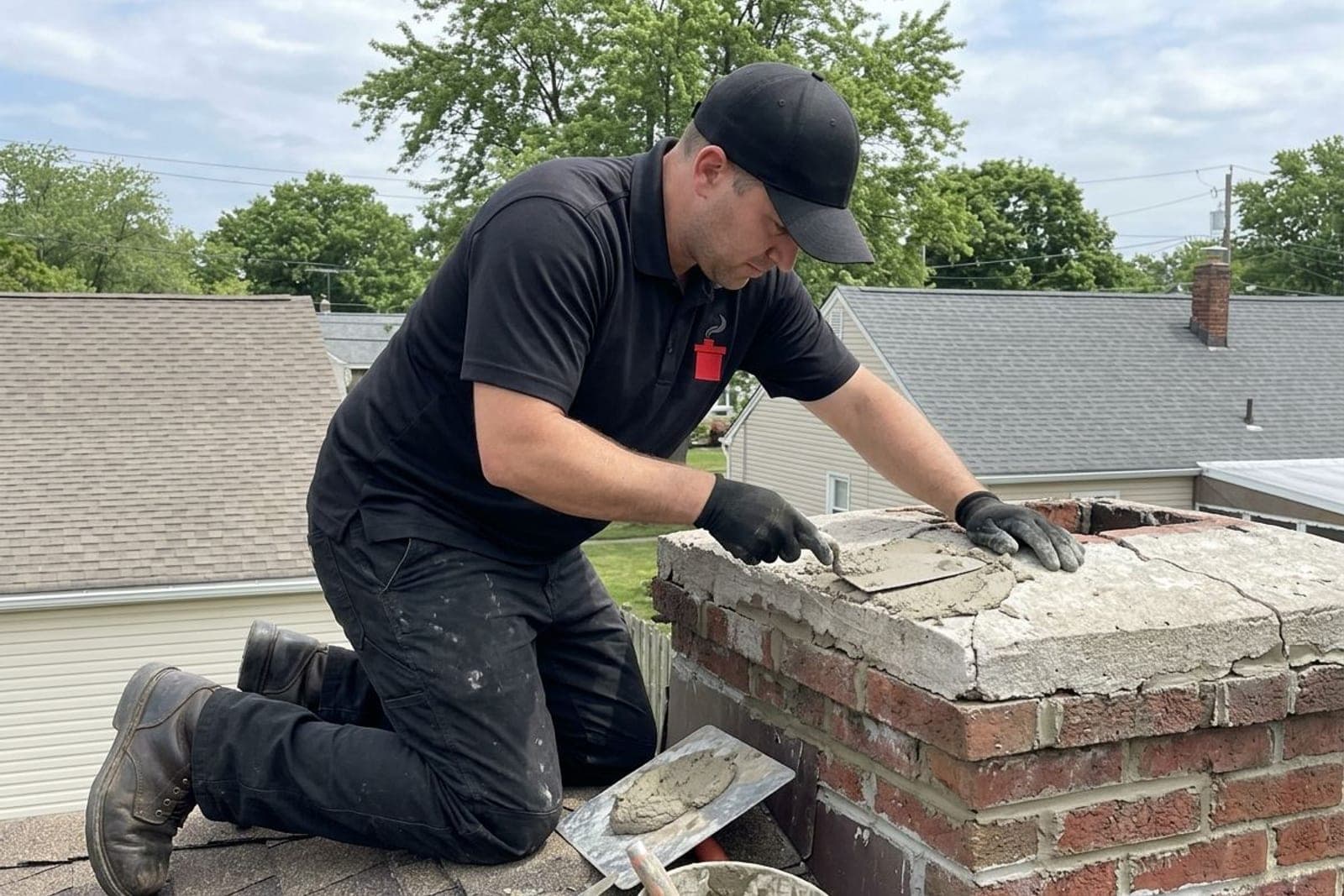
Protecting the integrity of your Freehold home often starts from the top down, and your chimney's masonry is no exception. Jersey Chimney Pros specializes in expert masonry repair, including crucial crown repair and repointing services, ensuring your chimney stands strong against Monmouth County's diverse weather patterns. We help maintain the historical charm and structural safety of homes throughout Freehold, NJ.
Typical investment
From $400
- Local crews
- Licensed & insured
- Documented work
- Fast scheduling
- Serving Freehold and the surrounding Monmouth County towns
- $99 inspection, deducted from an approved quote
- Usually on the same Monmouth County route as Atlantic Highlands, Brielle, Colts Neck
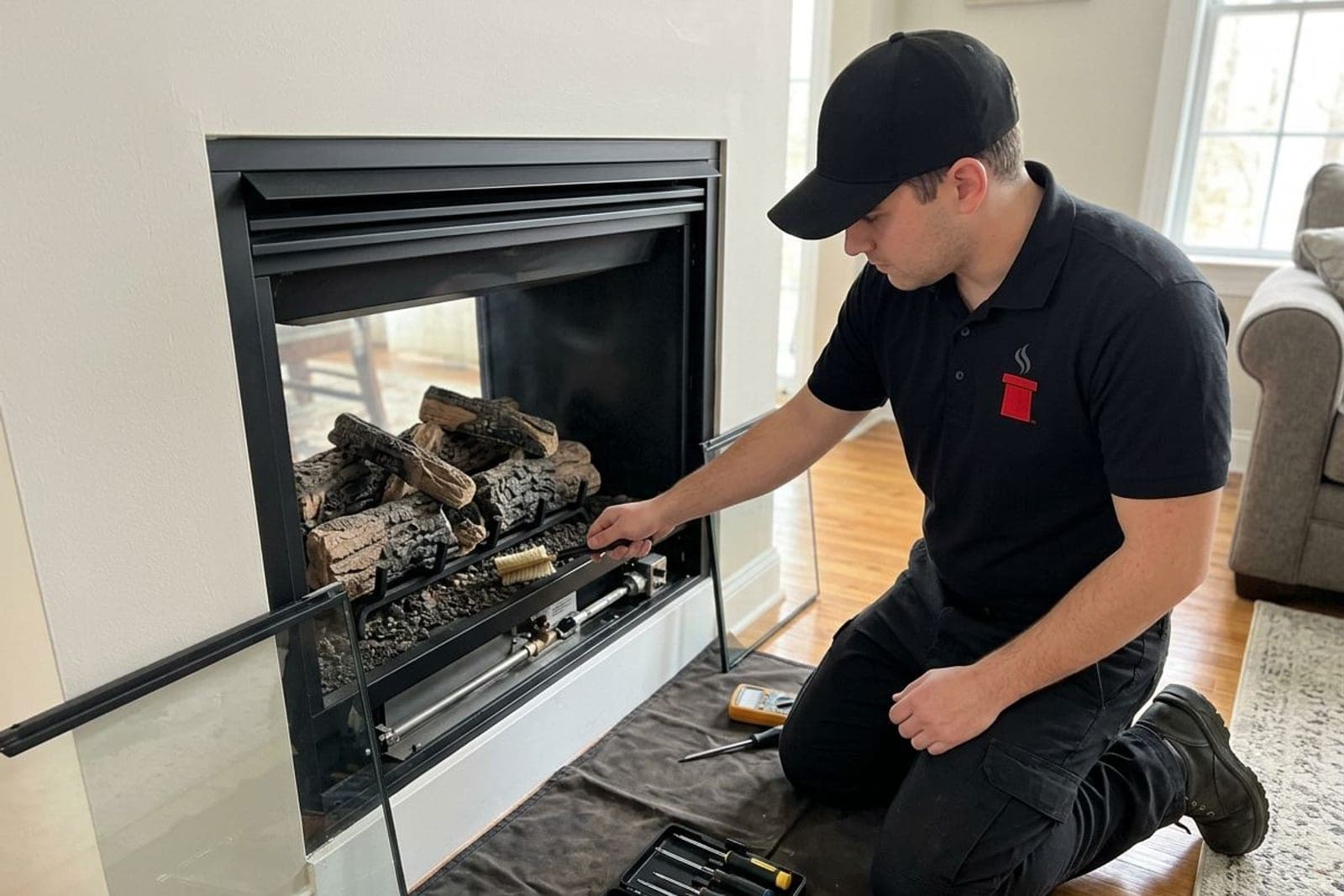
Why Freehold homes need masonry repair (crown / repointing)
Freehold, as the historic Monmouth County seat, boasts a varied housing stock, from charming, older borough homes built decades ago to more modern suburban developments. Many of these residences rely on fireplaces and chimneys, making them susceptible to wear and tear. Our local crews understand the unique construction nuances of Freehold chimneys and what issues to proactively look for, whether your home dates back to the early 20th century or is a newer build.
With roughly 35,354 residents, Freehold keeps us busy year-round. We pair it with Marlboro, Manalapan and Colts Neck on the same route, so masonry repair (crown / repointing) in Freehold gets scheduled without a long wait.
Done by licensed crews
Our own team, never a subcontractor sent by a call center.
Written quote up front
You approve the price before any work begins.
Photo-documented
Before and after photos of every fix, in plain English.
Built for the local climate
Salt air, freeze-thaw and coastal wear factored in.
Restoring Freehold's Historic Chimneys Through Masonry Repair
Masonry repair for chimneys, encompassing both crown repair and repointing, is fundamental to a chimney's longevity and performance. A chimney crown acts as a protective shield, diverting water away from the flue opening and masonry below, while repointing addresses deteriorated mortar joints between bricks. Neglecting these repairs in Freehold can lead to extensive water damage, compromising the entire chimney structure and potentially leading to costly interior repairs. Investing in timely masonry work ensures your chimney remains a safe and efficient component of your home's heating system.
The chimney crown is arguably the most vulnerable part of your chimney, taking the brunt of Freehold's weather. Cracks in the crown allow water to penetrate the chimney's interior, saturating the brickwork and accelerating deterioration, especially during the cyclical freezing and thawing we experience in Monmouth County. Our repair process often involves rebuilding or resurfacing damaged crowns with a durable, water-resistant material, creating an effective watershed to protect the underlying masonry from rain, snow, and ice, common issues in an inland setting.
Repointing involves carefully removing old, deteriorated mortar from between bricks and replacing it with fresh, correctly mixed mortar. For the many historic borough homes and older suburban developments in Freehold, whose chimneys have endured decades of weather, repointing is a critical restoration process. It doesn't just improve aesthetics; it restores the structural integrity of the chimney, preventing moisture intrusion and ensuring the bricks are properly bonded, which is essential given the age of much of Freehold's housing stock.
Freehold's inland climate, with its pronounced seasons and susceptibility to significant weather events, places immense stress on chimney masonry. The constant expansion and contraction of materials due to temperature fluctuations, particularly the freeze-thaw cycle, can quickly degrade mortar and bricks. Compromised masonry isn't just an aesthetic issue; it can lead to dangerous conditions by allowing exhaust gases, including odorless, colorless carbon monoxide (CO), to leak into your home. The National Fire Protection Association (NFPA) recommends annual chimney inspections to identify and address such structural concerns promptly, safeguarding your household.
Sound exterior masonry is vital for protecting the chimney liner, whether it's clay tile or a stainless steel insert. If the outer brickwork fails, it exposes the liner to elements and compromises its ability to safely vent exhaust gases, potentially leading to increased creosote buildup or even chimney fires. Our masonry repair services for Freehold homes focus on preventing these issues, differing significantly from a full chimney rebuild by targeting specific areas of damage. The best time to schedule masonry repair is during milder weather, typically spring or early fall, before winter's harsh conditions can exacerbate existing damage.
Masonry Repair Components for Freehold Chimneys
Every masonry repair (crown / repointing) we do in Freehold includes:
- Thorough inspection of chimney exterior masonry.
- Detailed assessment of chimney crown integrity.
- Removal of loose or spalling brickwork.
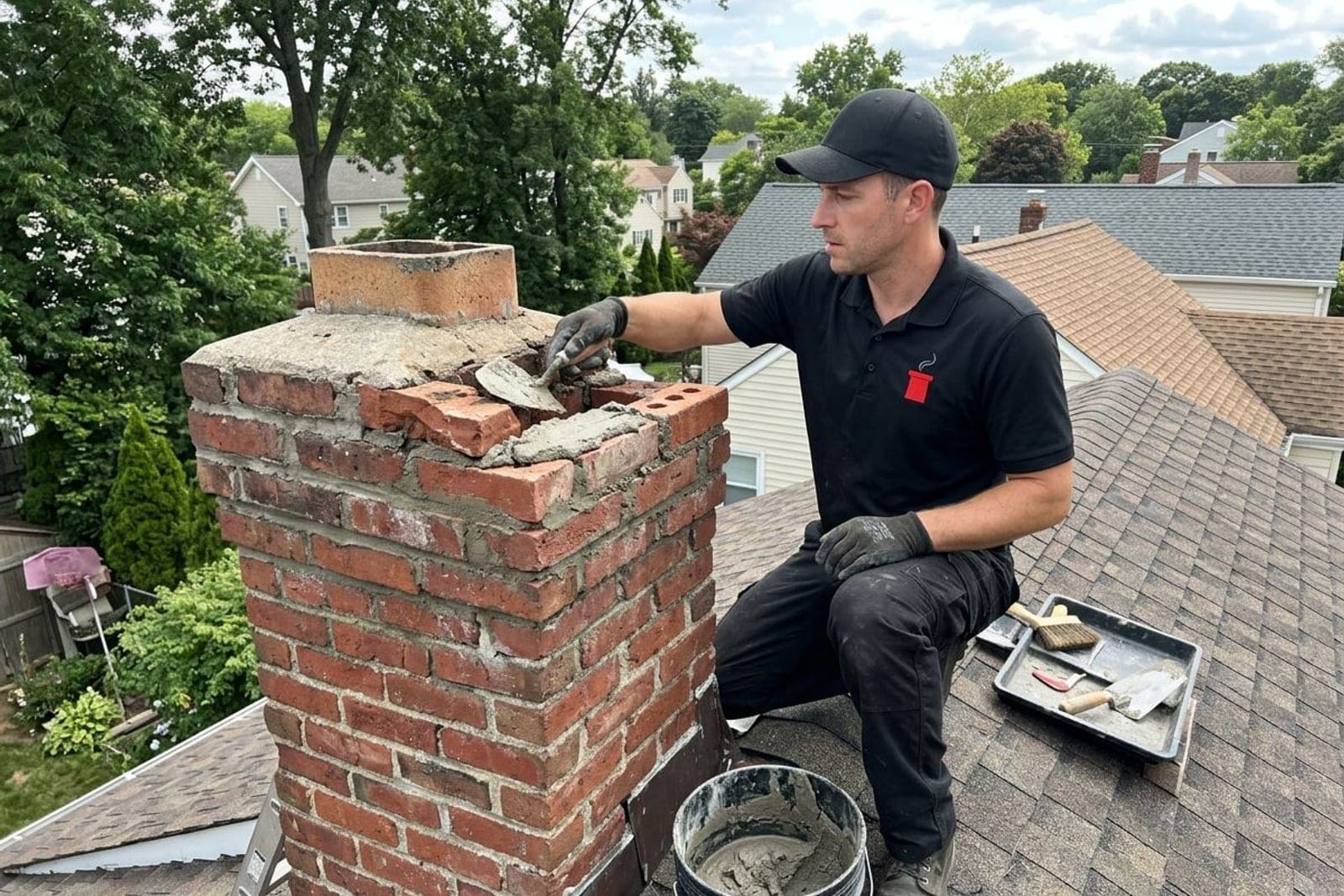
- Grinding out deteriorated mortar joints for repointing.
- Application of new, properly mixed mortar.
- Professional patching and resurfacing of chimney crowns.
- Waterproofing application on repaired crowns (as needed).
- Site cleanup upon completion.
Professional, clean, no-mess service.
Recognizing Freehold Chimney Masonry Deterioration
- Cracks visible on the chimney crown.
- Spalling or flaking bricks on the chimney exterior.
- Missing or crumbling mortar between bricks.
- White staining (efflorescence) on chimney masonry.
- Water leaks inside the firebox or around the chimney base.
- Plant growth or moss on the chimney's exterior.
- Loose bricks or sections of the chimney.
- A visually leaning or unstable chimney structure.
If you notice smoke backup or stage-3 creosote, book immediately.
Book nowInland Freehold's Weather Impact on Masonry
Located inland, Freehold chimneys face specific environmental challenges distinct from coastal properties. The absence of salt air does not spare them from the harsh realities of New Jersey winters, characterized by freezing temperatures and significant snowfall, followed by thaws. This relentless freeze-thaw cycle, combined with exposure to high winds and driving rain from nor'easters, is a primary culprit for masonry deterioration, causing brick and mortar to crack, spall, and crumble over time.
Executing Masonry Repair for Freehold Chimneys
 1
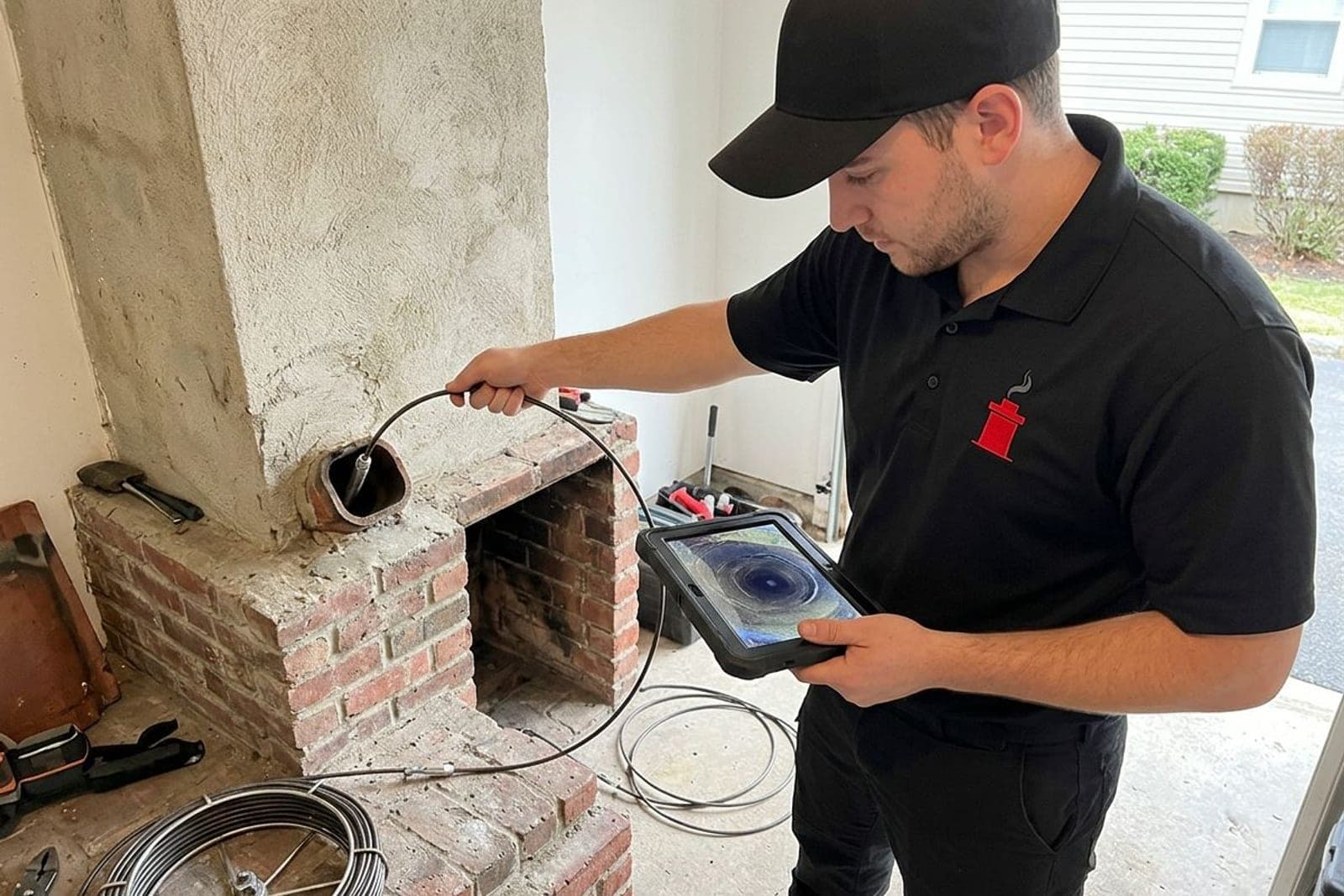
1Schedule Your Initial Masonry Assessment
Begin by scheduling a professional on-site inspection for your Freehold home's chimney. This detailed assessment is $99 plus tax.
 2
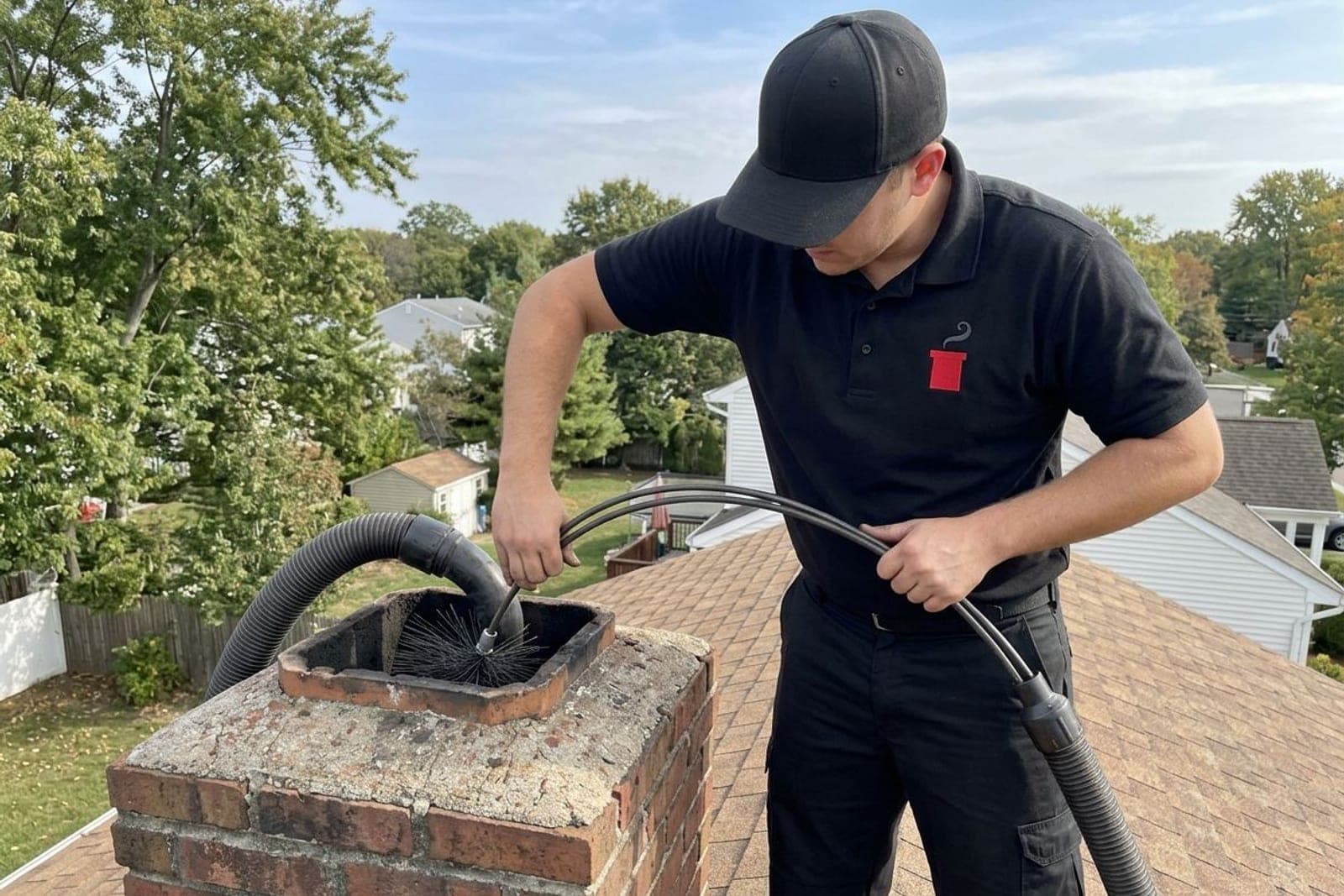
2Receive a Clear, Detailed Repair Proposal
Following the inspection, our technicians will provide a comprehensive, written quote outlining the necessary crown repair or repointing work. This transparent proposal ensures you understand the scope and cost before any work begins.
 3
3Expert Masonry Repair and Restoration
Upon your approval, our skilled masons will meticulously carry out the repairs, using high-quality materials and techniques to restore your Freehold chimney's structural integrity and aesthetic appeal, ensuring lasting protection.
| Warning Sign | What it Means | Action Needed |
|---|---|---|
| Cracks visible on the chimney crown. | Water penetrates, accelerating deterioration. | Timely crown repair prevents damage. |
| Missing or crumbling mortar between bricks. | Compromises structural integrity. | Repointing needed to restore strength. |
| Spalling or flaking bricks. | Water damage, freeze-thaw cycle effects. | Inspect for extensive water damage. |
| Water leaks inside the firebox. | Severe water intrusion, structural risk. | Immediate professional assessment. |
Prices verified on .
Built for Freehold's homes and climate
With roughly 35,354 residents, Freehold keeps us busy year-round. We pair it with Marlboro, Manalapan and Colts Neck on the same route, so masonry repair (crown / repointing) in Freehold gets scheduled without a long wait.
FreeholdMonmouth County, NJ · 40.260, -74.274
Addressing Freehold Masonry Repair Inquiries
What is the typical cost for masonry repair in Freehold, NJ?
The cost for chimney masonry repair, including crown repair and repointing, can vary significantly depending on the extent of the damage. For Freehold homeowners, typical prices for these services start from $400, but a precise quote requires an on-site inspection to assess your specific chimney's needs.
How often should I have my Freehold chimney's masonry inspected?
The National Fire Protection Association (NFPA) recommends annual chimney inspections regardless of usage. For homes in Freehold, this regular check is crucial to catch early signs of wear from freeze-thaw cycles and storm exposure before they escalate into major, costly masonry repairs.
Can minor cracks in my Freehold chimney crown wait to be repaired?
It's highly advisable not to delay crown repair, even for minor cracks. In Freehold's climate, small fissures can quickly become significant pathways for water, leading to saturation of the chimney's interior masonry, accelerated deterioration, and potential leaks into your home, especially during heavy rain or melting snow.
What causes mortar to crumble on Freehold chimneys?
Mortar deterioration on Freehold chimneys is primarily caused by prolonged exposure to the elements, especially the cyclical freezing and thawing of water absorbed into the mortar. High winds and driving rain, common during Monmouth County's storm seasons, also contribute significantly to the erosion and breakdown of mortar joints over time.
Is masonry repair different from a complete chimney rebuild for Freehold homes?
Yes, masonry repair, like crown repair or repointing, addresses specific areas of damage to restore structural integrity. A complete chimney rebuild, conversely, is necessary when the chimney structure is extensively compromised or leaning, requiring a full reconstruction from the roofline or foundation up. We aim to perform repairs when possible to save Freehold homeowners from more extensive work.
How long do masonry repairs typically last for a Freehold chimney?
When executed properly by experienced professionals using quality materials, masonry repairs such as crown repair and repointing can significantly extend the life of your Freehold chimney by many years, often decades. Longevity depends on the severity of the initial damage, the quality of the repair, and ongoing maintenance.
Get in touch
- (732) 889-5194
- contact@jerseychimneypros.com
- Based in Lakewood, NJ — serving Freehold
Need your chimney checked in Freehold?
Clear pricing, local scheduling, and honest written recommendations you can trust.
Book your masonry repair (crown / repointing) in Freehold
Real open times on our crew's calendar — confirmed instantly.
Masonry Repair (Crown / Repointing) in Freehold