Ocean & Monmouth County, New Jersey
Creosote Removal in New Jersey
Heavy (Stage 3) creosote is glazed, hardened and highly flammable — it needs professional removal, not a basic sweep.
Typical investment
From $200
- Local crews
- Licensed & insured
- Documented work
- Fast scheduling
- From $200 — typical 2026 range across the two counties
- $99 inspection, deducted from an approved quote
- Written quote before any work starts — photos of every job
What creosote removal actually involves
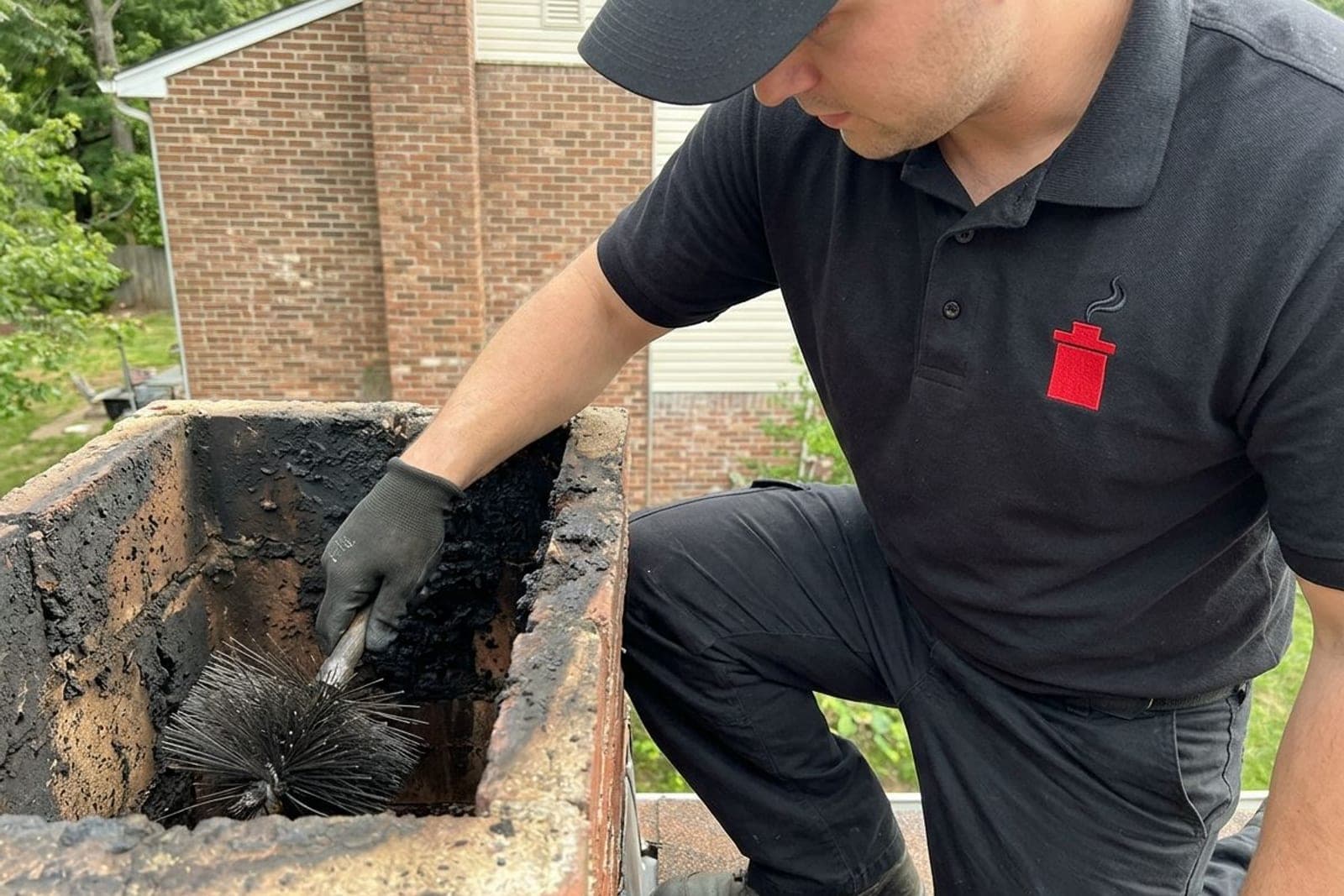
Not all creosote is equal. Light, flaky buildup brushes off in a normal sweep — but Stage 3 creosote is glazed, tar-like and fused to the flue, and it's the leading cause of chimney fires. It can't be removed by brushing alone. We assess the creosote stage, remove heavy glazed buildup with rotary or chemical methods, and re-inspect to confirm your flue is safe again.
Infrequently used shore and seasonal homes can accumulate dense buildup between visits.
What's included
- Stage 2–3 creosote assessment
- Rotary or chemical removal
- Post-removal inspection
- Photo verification
- Buildup-prevention advice
Why it matters
Glazed creosote is the leading cause of chimney fires and can't be removed by brushing alone.
Not sure if you need it? That's what the inspection is for.
$99 inspection, deducted from an approved quote
Book an inspectionHow it works
What to expect with creosote removal
 1
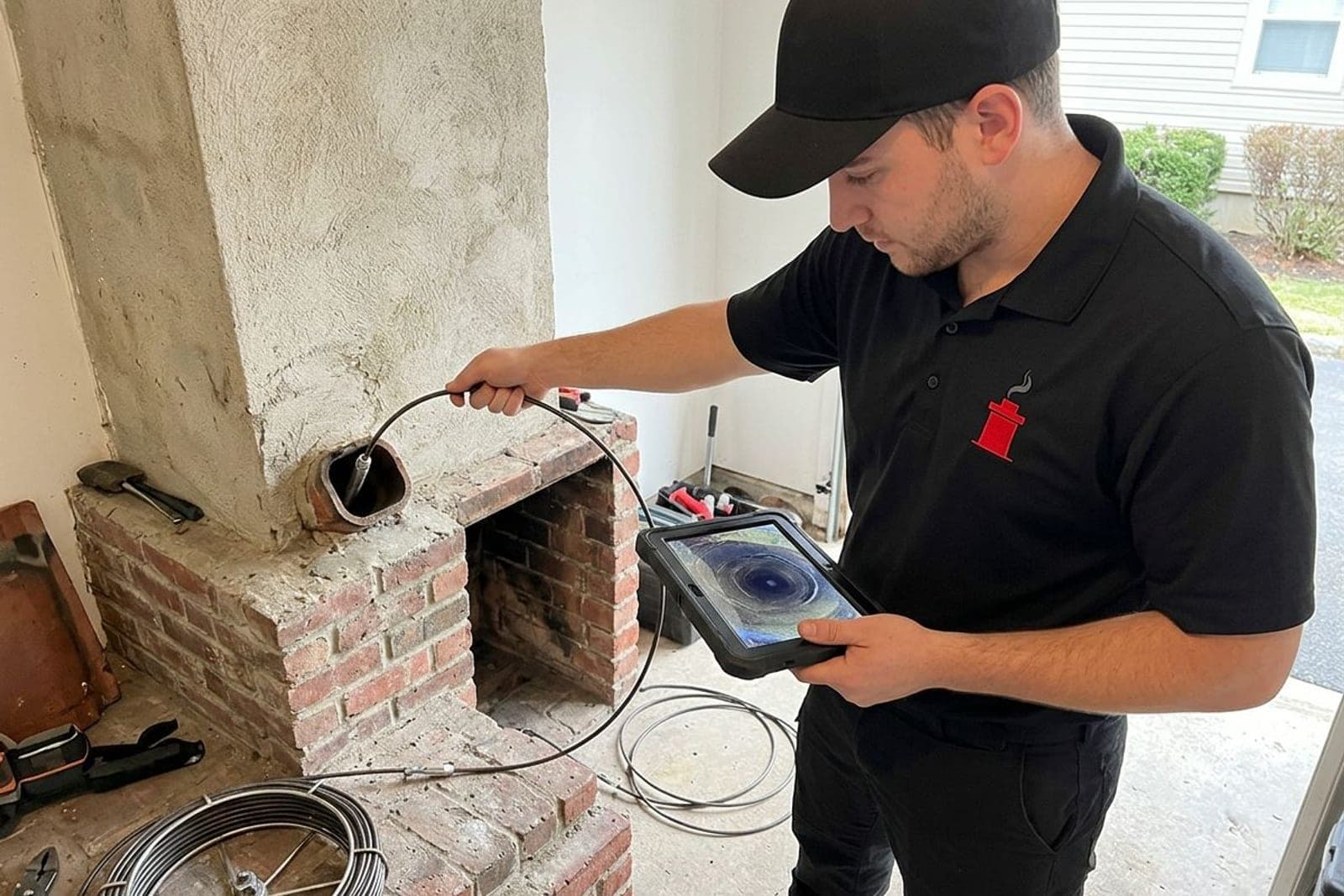
1Assess the stage
We identify whether buildup is flaky (Stage 1–2) or glazed (Stage 3).
 2
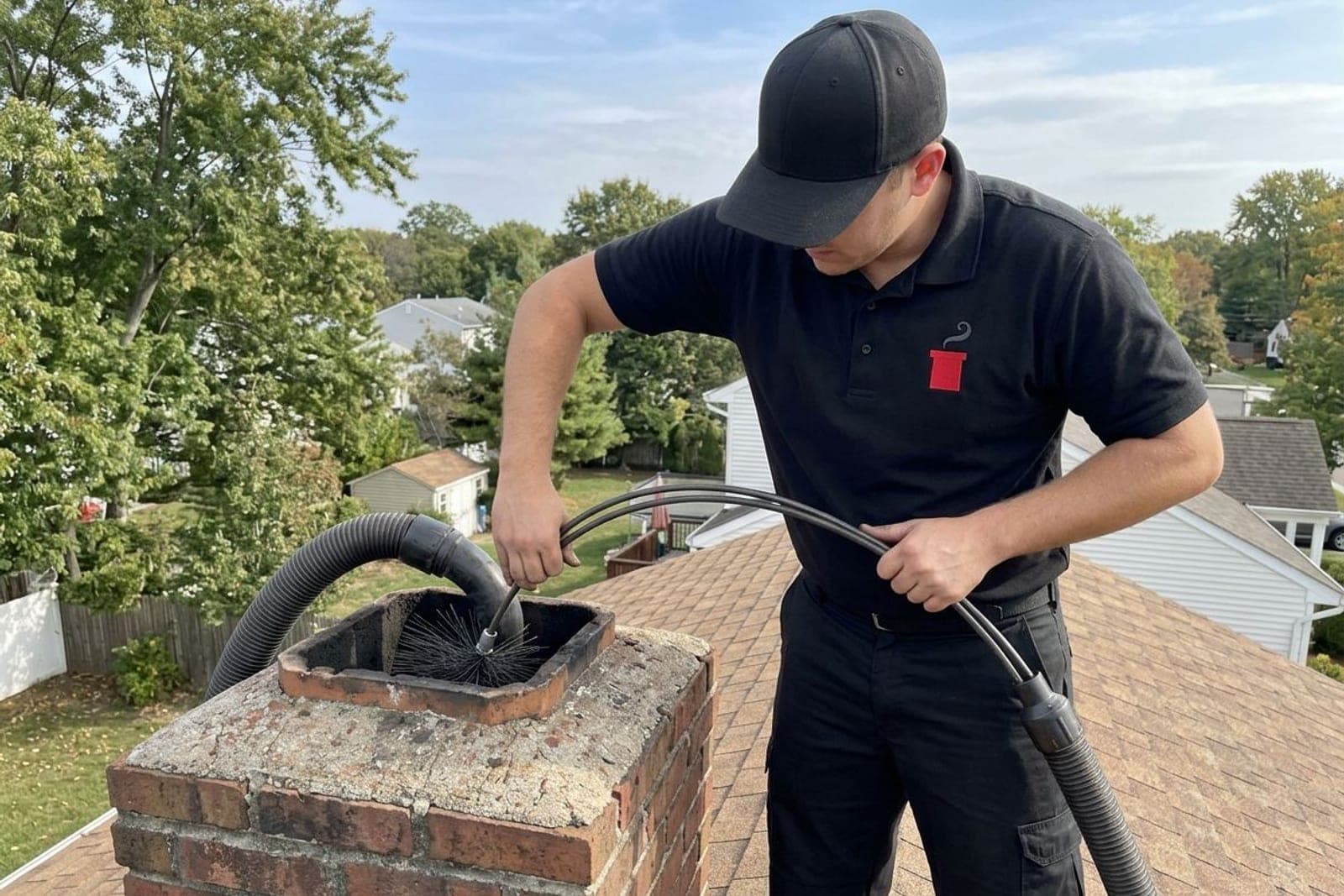
2Remove
Glazed creosote is taken off with rotary tools or a professional chemical treatment.
 3
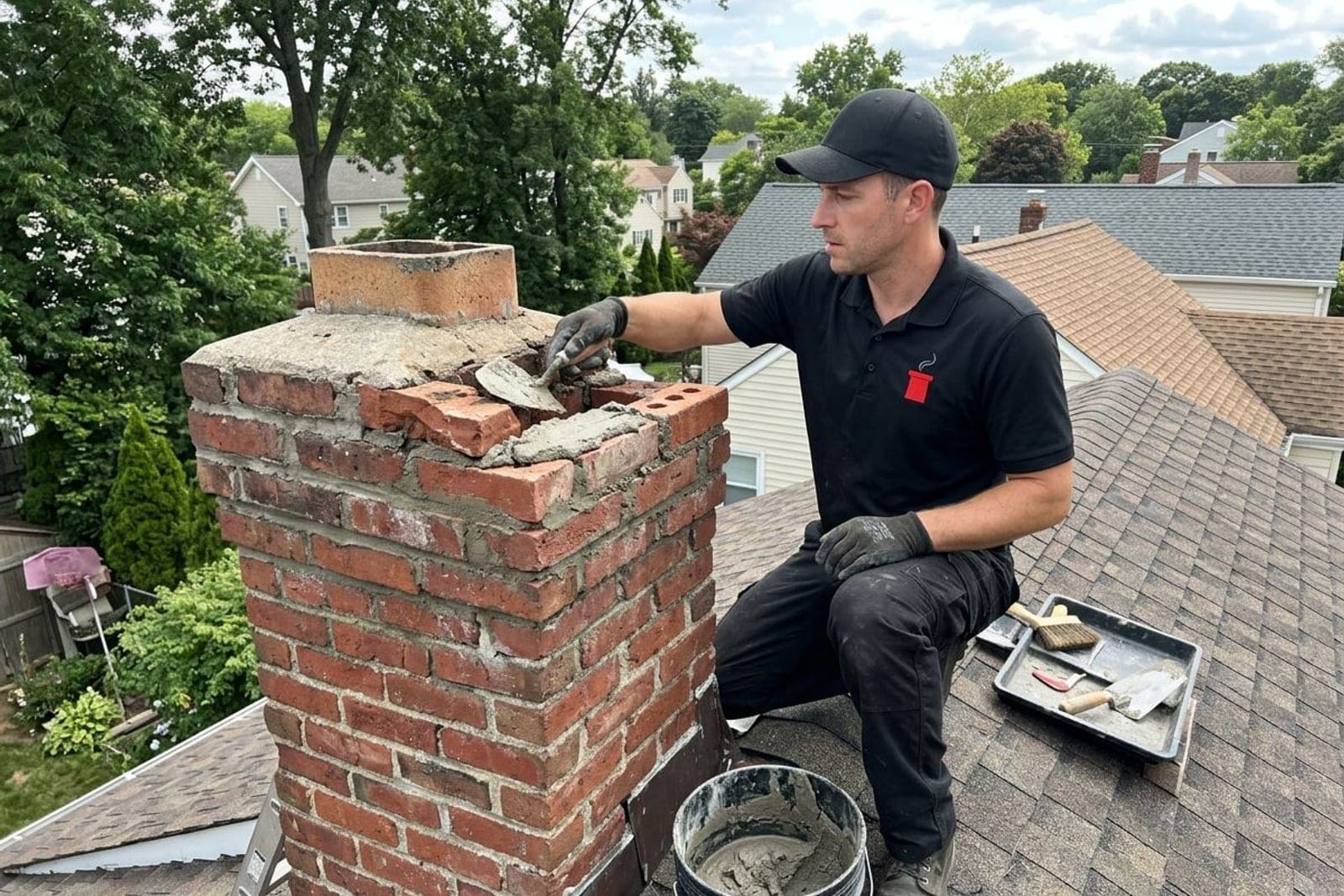
3Re-inspect
We confirm the flue is clear and check for any heat damage.
 4
4Advise
Tips on wood, burning and frequency to keep buildup from returning.
By town
Creosote Removal across Monmouth & Ocean County
All 49 towns we cover, county by county. Pick yours for local pricing, scheduling and the chimney issues we see there.
Creosote Removal — common questions
How do I know if I have dangerous creosote?
Shiny, tar-like buildup, a strong smoky smell, or a sweep that 'won't come clean' all point to Stage 3 creosote. Have it inspected before you burn again.
Can't I just sweep heavy creosote myself?
No — glazed creosote is hardened to the flue and requires professional rotary or chemical removal. Brushing won't touch it.
How much does creosote removal cost?
It costs more than a standard sweep because of the time and method involved; the price depends on the stage and amount. You'll know before we start.
What causes heavy creosote buildup?
Burning unseasoned or softwood, slow smoldering fires, and infrequent sweeping all accelerate glazed creosote.
Is a chimney fire likely with Stage 3 creosote?
It's the single biggest risk factor — glazed creosote is highly flammable, which is why removal shouldn't wait.

Other chimney services
Ready to book your creosote removal?
Licensed local crews, clear written quotes, and photos of every job.

Book your creosote removal
Real open times on our crew's calendar — confirmed instantly.
Book an inspection