Barnegat Light, Ocean County
Creosote Removal in Barnegat Light, NJ
Ensure the safety and efficiency of your fireplace and chimney system in Barnegat Light with expert creosote removal from Jersey Chimney Pros. As a small oceanfront borough at the northern tip of Long Beach Island, homes here face unique challenges that make regular creosote removal essential. Protect your shore cottage or rebuilt oceanfront home from the hazards of creosote buildup with our specialized service.
Typical investment
From $200
- Local crews
- Licensed & insured
- Documented work
- Fast scheduling
- Serving Barnegat Light and the surrounding Ocean County towns
- $99 inspection, deducted from an approved quote
- Usually on the same Ocean County route as Bay Head, Brick, Lakewood
Why Barnegat Light homes need creosote removal
In Barnegat Light, where the Atlantic Ocean meets Barnegat Inlet, our crews pay close attention to chimneys in both classic shore cottages and newer rebuilt oceanfront homes. We understand the specific wear and tear caused by the persistent salt air and wind-driven rain on LBI, which can impact chimney health and accelerate creosote accumulation. Our specialized inspection includes assessing for moisture intrusion and masonry degradation common to this seaside environment.
With roughly 640 residents, Barnegat Light keeps us busy year-round. We pair it with Waretown, Barnegat and Forked River on the same route, so creosote removal in Barnegat Light gets scheduled without a long wait.
Done by licensed crews
Our own team, never a subcontractor sent by a call center.
Written quote up front
You approve the price before any work begins.
Photo-documented
Before and after photos of every fix, in plain English.
Built for the local climate
Salt air, freeze-thaw and coastal wear factored in.
Ensuring Barnegat Light Shore Home Safety from Creosote
Creosote is a highly flammable byproduct of burning wood, accumulating inside your chimney flue as tarry, flaky, or glazed deposits. Beyond restricting airflow and reducing heating efficiency, this dangerous buildup poses a severe fire hazard, responsible for countless chimney fires annually. For the 640 permanent residents of Barnegat Light, and seasonal visitors enjoying their shore cottages after a brisk walk along Barnegat Lighthouse State Park, understanding and proactively addressing creosote is crucial for home safety and peace of mind. Regular, professional creosote removal isn't merely about basic cleaning; it's a vital safety measure that protects your property and loved ones from potential disaster, especially in homes that may experience varied draft conditions due to strong ocean winds off the Atlantic.
Creosote typically forms in three distinct stages: first-degree, which is a sooty, powdery deposit relatively easy to brush away; second-degree, a flaky, brittle accumulation that adheres more stubbornly; and third-degree, a glazed, tarry, and extremely hard substance that is highly combustible and resistant to standard cleaning methods. While routine chimney sweepings can effectively handle light, first-degree creosote, extensive second and third-degree buildups, especially common in chimneys that vent less-than-efficient wood-burning in older Barnegat Light homes, demand specialized removal techniques. The National Fire Protection Association (NFPA) Standard 211 recommends annual inspections and cleaning as needed, emphasizing that creosote exceeding 1/8 inch in thickness should always be professionally removed to prevent devastating chimney fires. This specialized removal process goes significantly beyond a basic sweep, employing advanced tools and methods to safely eliminate hazardous deposits that a standard brush simply cannot dislodge.
The unique environmental factors of Barnegat Light, nestled at the northern tip of Long Beach Island between the Atlantic Ocean and Barnegat Inlet, significantly influence both accelerated creosote formation and overall chimney health. High humidity from the ocean and colder air temperatures near the water can lead to cooler flue temperatures, causing smoke to condense more rapidly and deposit creosote at an accelerated and stickier rate. Furthermore, the constant exposure to corrosive salt air and persistent wind-driven rain can corrode metal chimney components, including the essential flue liners, and degrade masonry faster than in more inland areas. This degradation, particularly prevalent in classic shore cottages, creates rougher, more porous surfaces within the flue, providing more adhesion points for creosote and making it even harder to remove without specialized equipment. Our certified technicians are specifically trained to identify and address these unique climate-related issues affecting Barnegat Light chimneys, ensuring a thorough and lasting solution.
Beyond the immediate and devastating threat of a chimney fire, unchecked creosote accumulation can lead to other serious hazards for Barnegat Light homeowners. A severely restricted flue due to heavy buildup impedes proper ventilation, forcing dangerous carbon monoxide (CO) – an invisible, odorless, and potentially lethal gas – back into your living spaces. Moreover, a chimney fire, even if initially contained within the flue, can reach extreme temperatures, often soaring above 2,000°F. Such intense heat can crack, warp, or permanently damage the chimney liner, compromising its ability to safely contain smoke and hot gases, and potentially allowing sparks and heat to ignite combustible materials in your home's surrounding structure. Regular, professional creosote removal is therefore critical for maintaining the structural integrity of your entire chimney system and, most importantly, the safety of your home and family, especially in older LBI homes that may have original, unlined or deteriorating masonry flues vulnerable to these stresses.
Determining the ideal time to book professional creosote removal often depends on your specific burning habits, the type of wood used, and the age and condition of your chimney system. Generally, if you burn several cords of wood annually, frequently use unseasoned or softwoods, or notice thick, tarry deposits during a visual inspection, it's definitely time for an expert assessment. Given Barnegat Light's challenging climate and the typical use of fireplaces during cooler, stormier months, we often recommend that homeowners on Long Beach Island consider an annual professional inspection. This proactive approach helps identify issues before they become dangerous. Our licensed technicians utilize state-of-the-art tools, from specialized rotary power cleaning systems to advanced chemical treatments for stubborn third-degree creosote, ensuring a thorough and safe removal process that protects your unique oceanfront property. Don't wait for obvious warning signs like strong smoky odors or a noticeable decrease in draft to emerge; proactive removal is always the safest and most cost-effective approach to chimney maintenance.
Unlike a basic chimney sweep, which focuses on removing soot and minor debris for optimal airflow, specialized creosote removal targets the hazardous, glazed, and hardened deposits that pose a direct fire risk. This distinct service often involves more aggressive mechanical methods or specific chemical treatments designed to break down and safely remove the toughest creosote, particularly prevalent in older chimneys of Barnegat Light's shore cottages. It’s a targeted intervention for a specific and dangerous problem, ensuring the structural integrity of your flue system remains intact while eliminating a significant fire hazard. Our certified experts are equipped to differentiate between routine cleaning needs and the critical necessity for comprehensive creosote removal, providing the precise service required to keep your Barnegat Light home safe and compliant with safety standards.
Thorough Creosote Cleaning for Barnegat Light Chimneys
Every creosote removal we do in Barnegat Light includes:
- Comprehensive chimney inspection to assess creosote stage and buildup
- Use of specialized power rotary tools for effective creosote removal
- Application of advanced chemical treatments for glazed creosote, if necessary
- Thorough cleaning of flue walls from top to bottom
- Removal of all dislodged creosote debris from the firebox and smoke chamber
- Inspection of chimney cap and crown for weather-related damage typical of LBI
- Verification of proper chimney drafting and airflow post-cleaning
- Protective measures to keep your Barnegat Light home clean during service
Professional, clean, no-mess service.
Don't Miss These Barnegat Light Creosote Indicators
- Thick, black, tar-like deposits visible inside your Barnegat Light chimney flue
- A distinct, strong campfire or smoky odor emanating from the fireplace
- Dark, dense smoke pouring back into your home when the fireplace is in use
- A noticeable decrease in the fireplace's drafting efficiency or performance
- Flames appearing to reach the top of the firebox during operation
- Unusual crackling or popping noises coming from inside the chimney
- Difficulty igniting fires or sustaining a strong flame
- Soot or small creosote flakes falling into the fireplace
If you notice smoke backup or stage-3 creosote, book immediately.
Book nowBarnegat Light Ocean Air and Creosote Buildup
The unique ocean-shore climate of Barnegat Light significantly contributes to conditions that accelerate creosote formation and chimney deterioration. Constant exposure to salt air can corrode metal components and compromise masonry integrity, while the persistent humidity near the Atlantic Ocean fosters a more rapid and sticky creosote buildup. Furthermore, homes on Long Beach Island are routinely exposed to nor'easters and storm surges, driving moisture into every crevice and increasing the risk of both water damage and dangerous creosote accumulation, especially in older ventilation systems.
A creosote removal job in Barnegat Light — start to finish
Before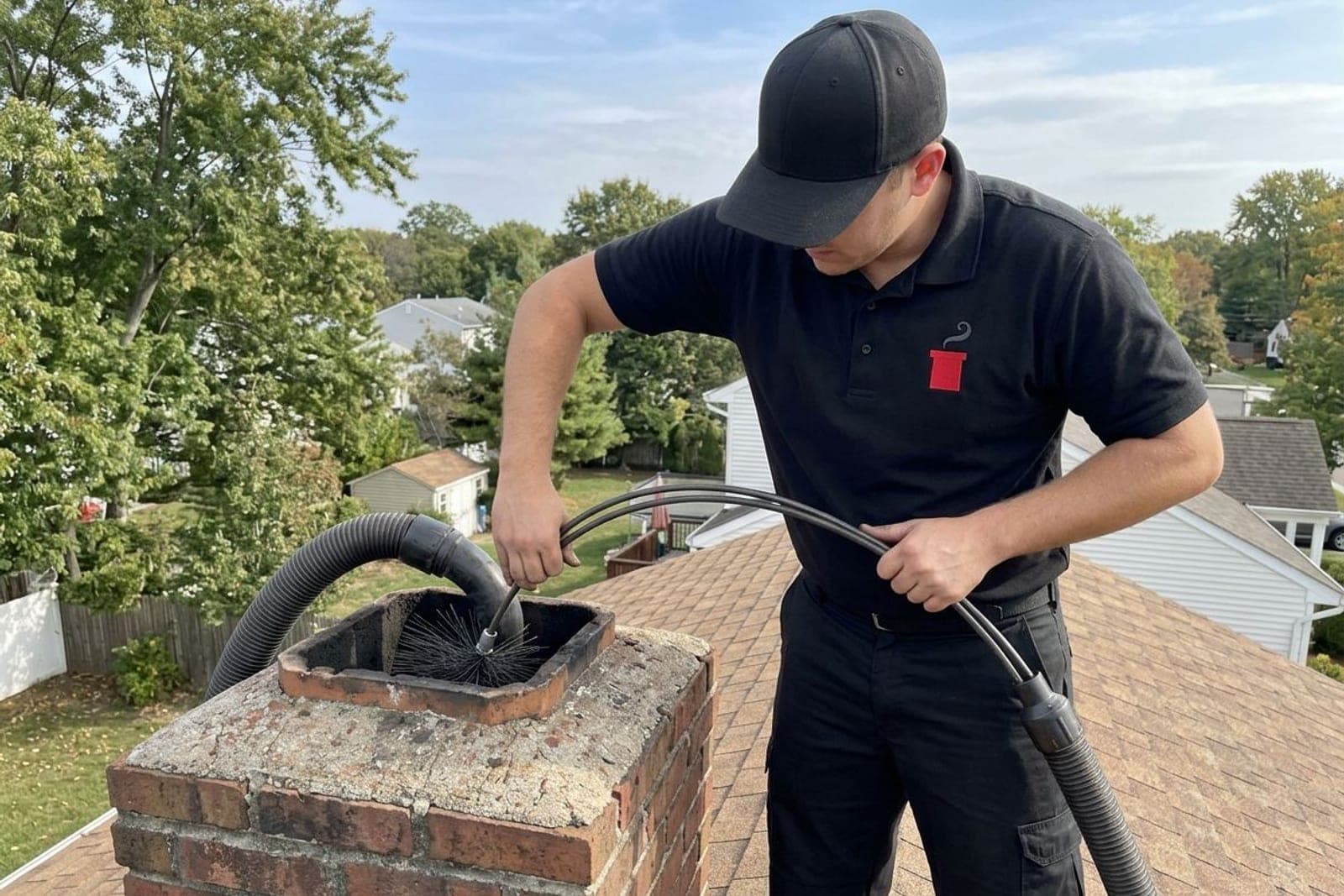 After
AfterWe received a call in mid-spring from new owners of an older, charming shore cottage nestled just a few blocks from the Barnegat Inlet. They reported a peculiar, almost whistling sound coming from the chimney whenever they used their fireplace, along with surprisingly rapid flaky soot accumulation after only a handful of fires.
- 1
On-site Inspection
$99 plus tax
We began with our comprehensive, $99 plus tax on-site inspection, carefully examining the flue liner, smoke chamber, and firebox. Our camera revealed significant, early-stage (Stage 2) creosote buildup, dense and flaky, especially in the upper sections of the single-flue chimney.
- 2
Flue Assessment & Problem Identification
$99 plus tax
This inspection confirmed the whistling sound was due to turbulent airflow caused by uneven creosote deposits disrupting the flue's smooth path, exacerbated by the home's ocean-shore exposure and potential humidity drawing moisture into the chimney.
- 3
Mechanical Creosote Removal
$300
Utilizing specialized rotary brushes and extension rods, we meticulously scraped and brushed the entire flue, dislodging the tough, flaky creosote that had accumulated on the interior walls.
- 4
Post-Removal Cleanup & Verification
included
After clearing the flue, we used an industrial-grade HEPA vacuum system to meticulously remove all dislodged creosote and soot from the smoke shelf, firebox, and surrounding area, leaving no mess behind.
The total cost for this Barnegat Light creosote removal job came to $449. This included the mechanical creosote removal and comprehensive cleanup. The price fell within our standard range due to the creosote being Stage 2, requiring thorough mechanical brushing without advanced chemical treatment.
This is a representative crew-written job summary, not a customer review. Photographs of jobs we have actually completed are on our work.
| Warning Sign | What It Indicates | Action Needed |
|---|---|---|
| Thick, tar-like deposits | Glazed 3rd-degree creosote | Severe fire risk |
| Smoky odor from fireplace | Creosote accumulation | Schedule inspection |
| Smoke entering home | Restricted airflow, buildup | High risk, stop use |
| Poor drafting efficiency | Flue blockage developing | Needs professional check |
| Crackling/popping sounds | Creosote burning in flue | DO NOT USE, immediate danger |
Prices verified on .
Built for Barnegat Light's homes and climate
With roughly 640 residents, Barnegat Light keeps us busy year-round. We pair it with Waretown, Barnegat and Forked River on the same route, so creosote removal in Barnegat Light gets scheduled without a long wait.
Barnegat LightOcean County, NJ · 39.755, -74.112
Creosote Q&A for Barnegat Light Residents
Why is creosote removal especially important for homes in Barnegat Light?
The unique ocean-shore environment in Barnegat Light, with its high humidity, salt air, and exposure to strong winds, can accelerate creosote buildup and degrade chimney components. These conditions make regular, thorough creosote removal vital for preventing chimney fires and maintaining structural integrity in local shore cottages and rebuilt homes.
How often should I have creosote removed from my Barnegat Light chimney?
While annual inspections are recommended by NFPA 211, the frequency of removal depends on your burning habits. If you burn several cords of wood annually, use unseasoned wood, or notice significant creosote buildup in your Barnegat Light home, professional removal should be scheduled more often than just a basic annual sweep.
What is the typical cost for creosote removal in Barnegat Light?
The price for professional creosote removal in Barnegat Light generally starts from $200, depending on the stage and amount of buildup, as well as the complexity of your chimney system. We provide a detailed, written quote after our initial on-site inspection, which costs $99 plus tax.
Can I remove creosote myself from my Barnegat Light chimney?
We strongly advise against DIY creosote removal, especially for significant second or third-degree buildup. Professional technicians have specialized tools, training, and experience to safely and effectively remove creosote without damaging your chimney liner or risking exposure to hazardous materials, which is crucial for the varied housing stock in Barnegat Light.
What happens if I don't remove creosote from my chimney?
Neglecting creosote removal significantly increases the risk of a dangerous chimney fire, which can spread to your home. It also impedes proper ventilation, potentially forcing carbon monoxide into your living space, and can cause irreversible damage to your chimney's structural integrity, leading to costly repairs for your Barnegat Light property.
How does the Barnegat Light oceanfront setting impact creosote removal?
The salty air and moisture near the Atlantic Ocean can create a more humid environment, leading to a sticky, glazed creosote that is harder to remove than dry, flaky deposits found inland. Additionally, our crews are vigilant for salt-related corrosion or moisture intrusion in chimneys, which might require specific considerations during the cleaning process in Barnegat Light.
Get in touch
- (732) 889-5194
- contact@jerseychimneypros.com
- Based in Lakewood, NJ — serving Barnegat Light

Need your chimney checked in Barnegat Light?
Clear pricing, local scheduling, and honest written recommendations you can trust.

Book your creosote removal in Barnegat Light
Real open times on our crew's calendar — confirmed instantly.
Creosote Removal in Barnegat Light