Brick, Ocean County
Creosote Removal in Brick, NJ
For homeowners in Brick, NJ, ensuring your chimney is free of hazardous creosote is essential for safety and efficiency. Jersey Chimney Pros offers expert creosote removal services tailored to the unique homes across this expansive bayfront township. Protect your family and property by scheduling a professional creosote inspection and cleaning today.
Typical investment
From $200
- Local crews
- Licensed & insured
- Documented work
- Fast scheduling
- Serving Brick and the surrounding Ocean County towns
- $99 inspection, deducted from an approved quote
- Usually on the same Ocean County route as Barnegat Light, Bay Head, Lakewood
Why Brick homes need creosote removal
Brick’s diverse housing stock, ranging from charming mid-century homes to modern waterfront properties along Barnegat Bay, often means varied chimney systems that accumulate creosote differently. Our local crews are particularly vigilant for signs of accelerated creosote buildup in older shore cottages, where chimney maintenance might have been less consistent over decades. Understanding these specific local factors allows us to provide targeted and effective creosote removal solutions.
With roughly 73,605 residents, Brick keeps us busy year-round. We pair it with Point Pleasant, Bay Head and Mantoloking on the same route, so creosote removal in Brick gets scheduled without a long wait.
Done by licensed crews
Our own team, never a subcontractor sent by a call center.
Written quote up front
You approve the price before any work begins.
Photo-documented
Before and after photos of every fix, in plain English.
Built for the local climate
Salt air, freeze-thaw and coastal wear factored in.
Expert Creosote Removal for Brick's Unique Homes
Creosote is a highly flammable byproduct of wood burning, accumulating inside your chimney flue as smoke condenses. It ranges from flaky soot to a hard, tar-like glaze. Ignoring buildup, especially in Brick homes during chilly coastal evenings, creates a significant chimney fire hazard and can restrict smoke ventilation, potentially leading to dangerous carbon monoxide leaks. Regular, professional creosote removal is not just a cleaning service; it's a critical safety measure for every home.
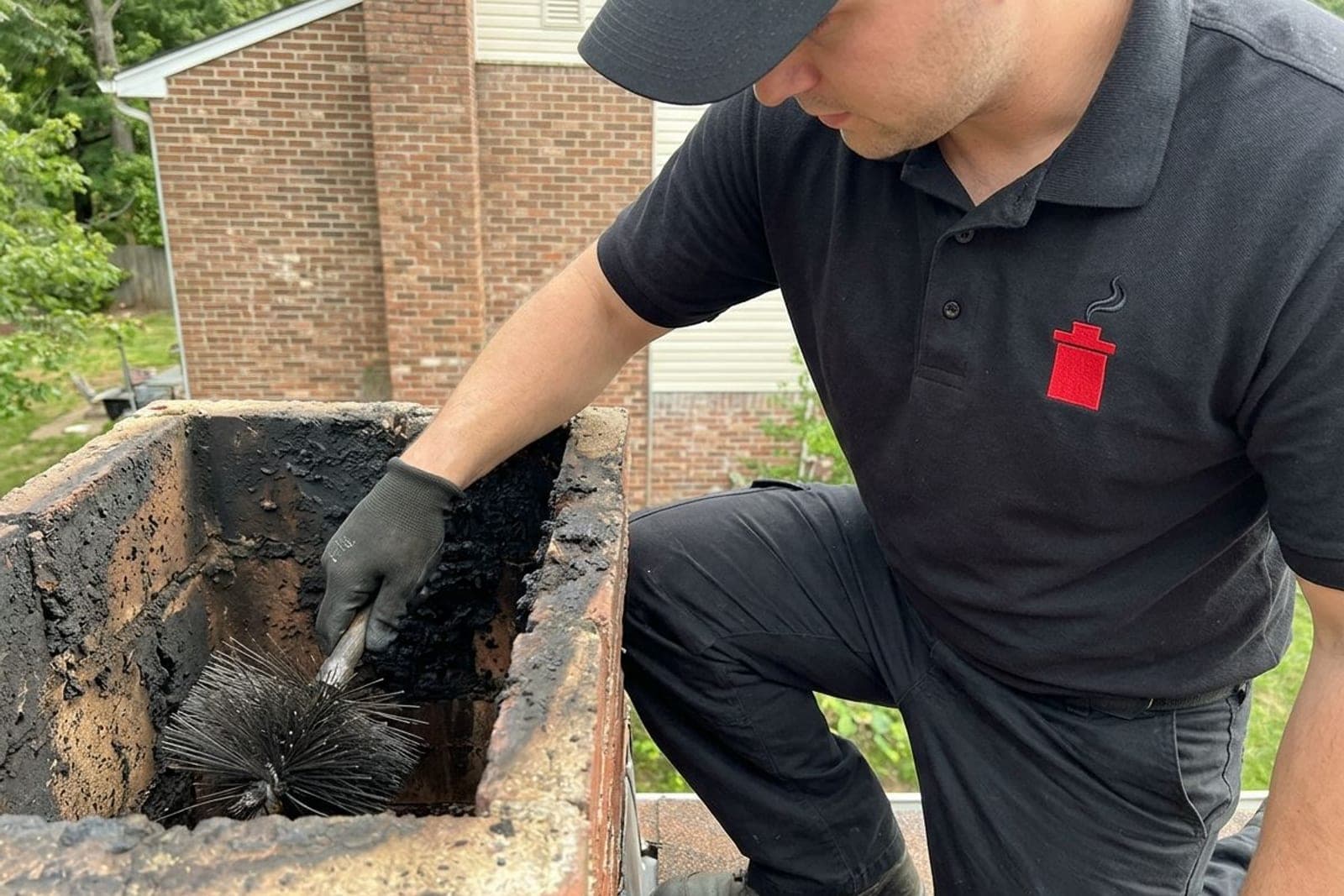
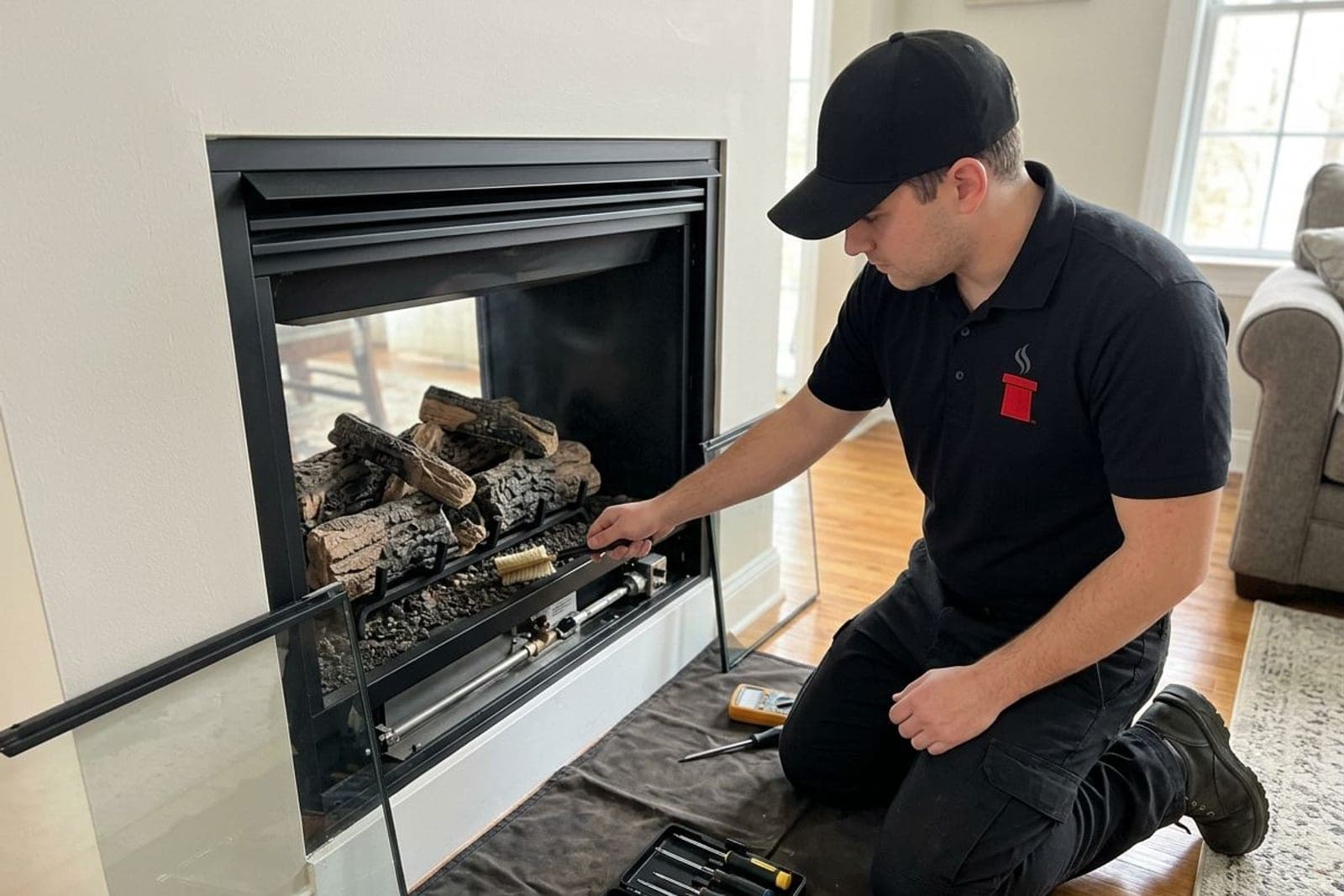
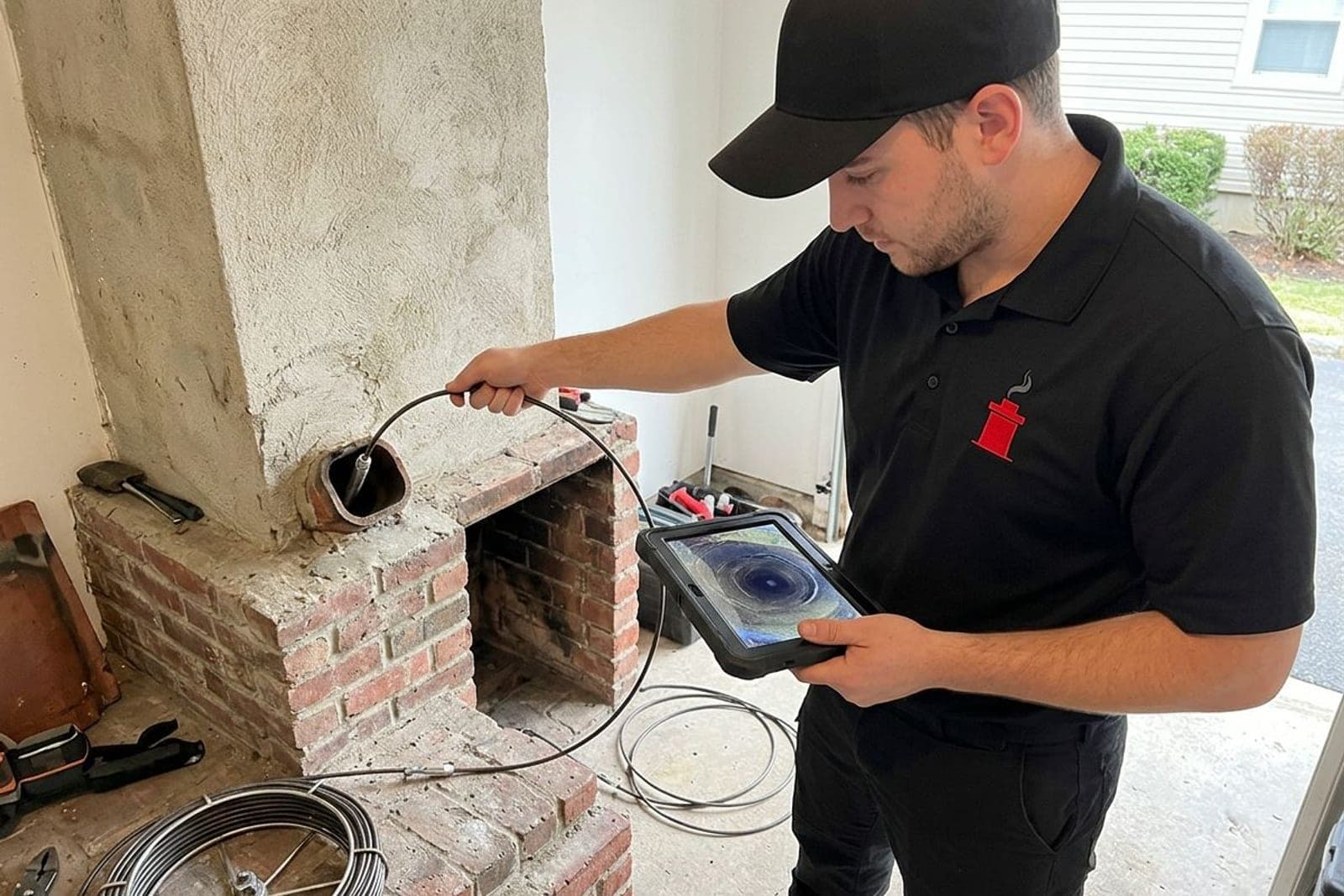
Our creosote removal process begins with a thorough inspection using specialized cameras to assess the type and extent of buildup, ensuring no section of your Brick home’s flue is overlooked. We then select appropriate tools, from rotary wire brushes and power sweeping equipment to specialized chemical treatments for glazed creosote, ensuring complete and safe removal. Throughout, we protect your living space with drop cloths and high-powered vacuums, containing all debris for a spotless finish. This meticulous approach guarantees effective cleaning without mess or damage.
The humid, often damp air prevalent in Brick, especially for properties close to Barnegat Bay or the Metedeconk River, plays a direct role in how rapidly creosote can form and solidify. Wet wood or insufficient draft, common in older homes or those exposed to strong coastal winds, lead to cooler flue temperatures, promoting faster and thicker deposits. Our technicians are experienced in identifying and addressing these specific environmental factors that challenge chimneys in the Brick area, offering tailored advice to mitigate future buildup and maintain optimal chimney health.
The National Fire Protection Association (NFPA) Standard 211 recommends annual chimney inspections and cleaning, a crucial guideline for all Brick homeowners given the area’s distinct environmental factors. Creosote comes in three stages: first-degree (flaky soot), second-degree (tar-like flakes), and third-degree (hard, glazed, extremely flammable). Third-degree creosote is highly dangerous and often requires specialized removal techniques to prevent devastating chimney fires. Beyond fire risk, blockages can lead to carbon monoxide (CO) backing up into your living space, an invisible, odorless gas that is deadly, making proper chimney maintenance a life-saving necessity.
While a standard chimney sweep addresses soot and minor creosote, professional creosote removal goes deeper, especially for tougher, glazed deposits that a brush alone cannot dislodge. This service is distinct from a basic visual inspection; it involves aggressive cleaning methods and may include chemical treatments or rotary power sweeping to tackle stubborn, potentially dangerous layers. For the diverse homes across Brick, from its mid-century residences to its newer coastal constructions, understanding this difference ensures you receive the precise level of service needed to maintain a truly safe and clear chimney system.
We recommend booking your creosote removal service annually, ideally before the heating season begins, to ensure your chimney is ready for safe use through the Brick winter. However, if you notice any warning signs such as a strong smoky odor, poor draft, or visible tar-like deposits, do not delay. Even if you've had a recent basic sweep, significant creosote buildup from heavy wood-burning or burning unseasoned wood warrants an immediate professional assessment. Proactive maintenance is the best defense against chimney fires and carbon monoxide poisoning, protecting the 73,605 residents of Brick.
Your Brick Chimney Creosote Service Details
Every creosote removal we do in Brick includes:
- Thorough visual inspection of the entire flue system
- Assessment of creosote type and thickness using specialized camera equipment
- Mechanical brushing and scraping of creosote deposits
- Use of advanced rotary power tools for stubborn buildup
- Application of specialized chemical treatments for glazed creosote (if needed)
- Full protection of your home's interior furnishings and floors
- Safe removal and disposal of all collected creosote debris
- Recommendations for future chimney maintenance and wood burning practices
Professional, clean, no-mess service.
Recognizing Creosote Buildup in Your Brick Chimney
- Strong, pungent smoky odor coming from your fireplace
- Black, tar-like residue visible inside the flue or on the damper
- Dark smoke or difficulty drawing air into the chimney when starting a fire
- Fires that burn sluggishly or produce excessive smoke
- Visible flakes or chunks of black material falling into the firebox
- Any unusual popping, crackling, or rumbling sounds from the chimney
- Sooty deposits on items near the fireplace opening
If you notice smoke backup or stage-3 creosote, book immediately.
Book nowEnsuring Safety for Brick's Older Chimneys
The bayfront setting of Brick, nestled between Barnegat Bay and the Metedeconk River, exposes chimneys to unique environmental stressors that can exacerbate creosote accumulation. High humidity levels near the water, combined with salt air and frequent wind-driven rain, can accelerate the condensation of smoke byproducts, leading to thicker, more stubborn creosote. Furthermore, the freeze-thaw cycles common during our winters put additional stress on masonry, creating conditions where creosote can degrade the flue and pose greater fire risks.
A creosote removal job in Brick — start to finish
Before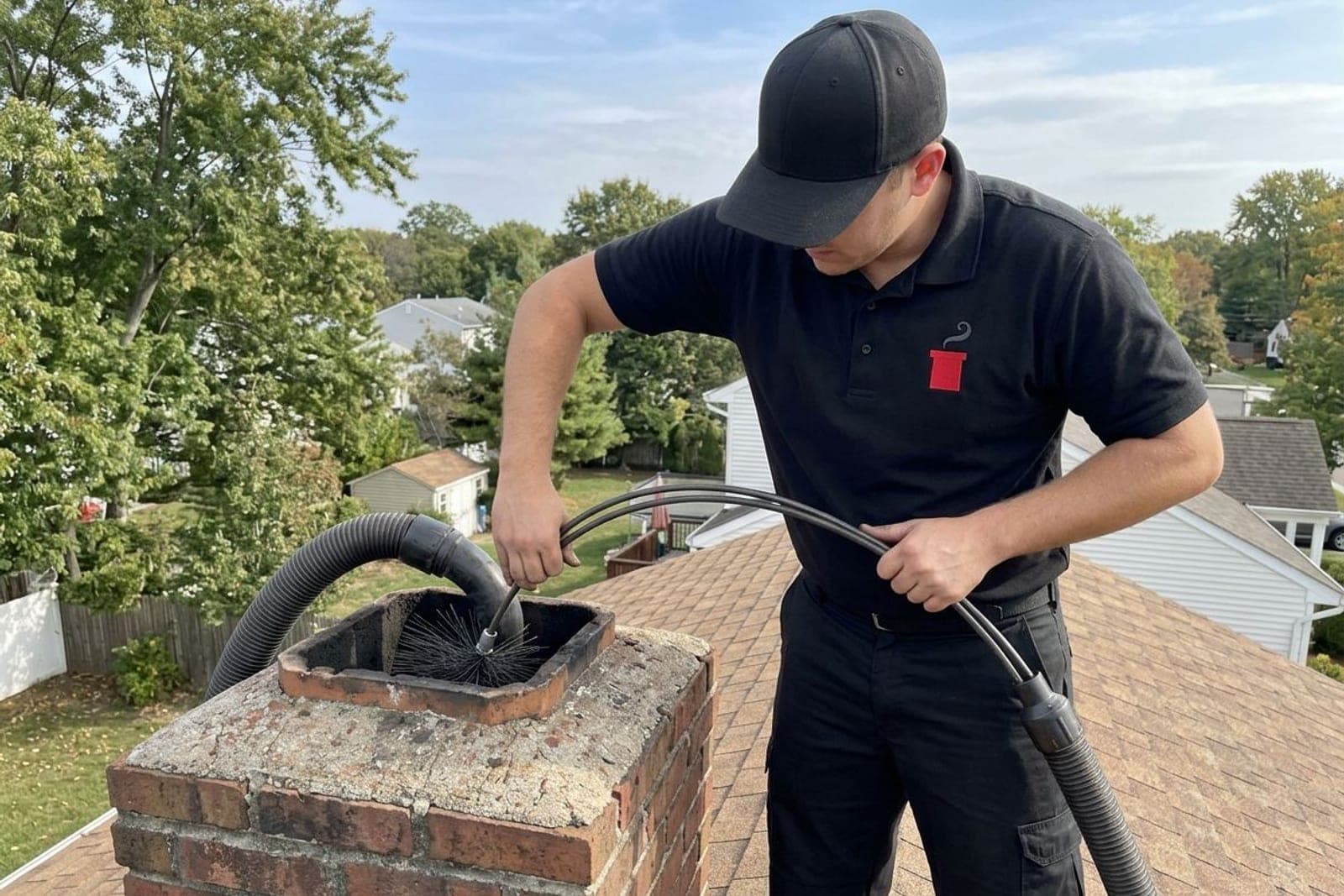 After
AfterWe received a call in late autumn from a homeowner in a classic mid-century home overlooking the Metedeconk River in Brick. They reported persistent difficulties getting fires to draw properly, accompanied by frequent popping and crackling sounds from the chimney, and noticed an increasing amount of black, flaky material falling into the firebox.
- 1
Initial On-Site Assessment and Camera Inspection
$99 plus tax
We conducted a thorough Level 2 camera inspection from the top down and bottom up, immediately noting significant buildup of hard, glazed third-degree creosote, particularly in the smoke chamber and upper flue liner, alongside signs of minor flue blockages.
- 2
Preparing the Work Area
included
To protect the homeowner's living space, we meticulously sealed the fireplace opening and laid down drop cloths and tarps, ensuring all adjacent areas were protected from falling debris and soot during the cleaning process.
- 3
Mechanical Creosote Removal
$350
Utilizing specialized rotary power-scrubbing equipment and heavy-duty chimney brushes, we aggressively removed the stubborn, glazed creosote from the flue walls, working carefully to dislodge the hard deposits that were restricting draft and posing a significant fire hazard.
- 4
Post-Cleaning Inspection and System Check
included
After the initial removal, we performed a secondary camera inspection to verify complete creosote removal, confirm flue integrity, and ensure proper airflow, also checking the damper and smoke shelf for any residual buildup or damage.
- 5
Final Clean-up and Debris Removal
included
We carefully vacuumed and removed all dislodged creosote and soot from the firebox and the protected work area, leaving the space cleaner than we found it.
The total cost for this comprehensive creosote removal, including the $99 plus tax on-site inspection, came to $350. This price reflects the extensive work required to safely and effectively remove the advanced third-degree creosote accumulation, which presented a significant fire risk and was severely impacting the fireplace's performance.
This is a representative crew-written job summary, not a customer review. Photographs of jobs we have actually completed are on our work.
Executing Expert Creosote Removal in Brick
 1
1Schedule Your On-Site Inspection
Begin by contacting Jersey Chimney Pros to schedule a professional on-site chimney inspection for your Brick home. Our licensed technicians will assess your chimney's condition, including creosote buildup, at no charge.
- 2
Receive a Detailed Service Plan
Following the inspection, we provide a comprehensive, written quote outlining the necessary creosote removal, recommended techniques, and transparent pricing. This plan is tailored specifically to your chimney's needs, whether it's an older mid-century home or a newer bayfront property.
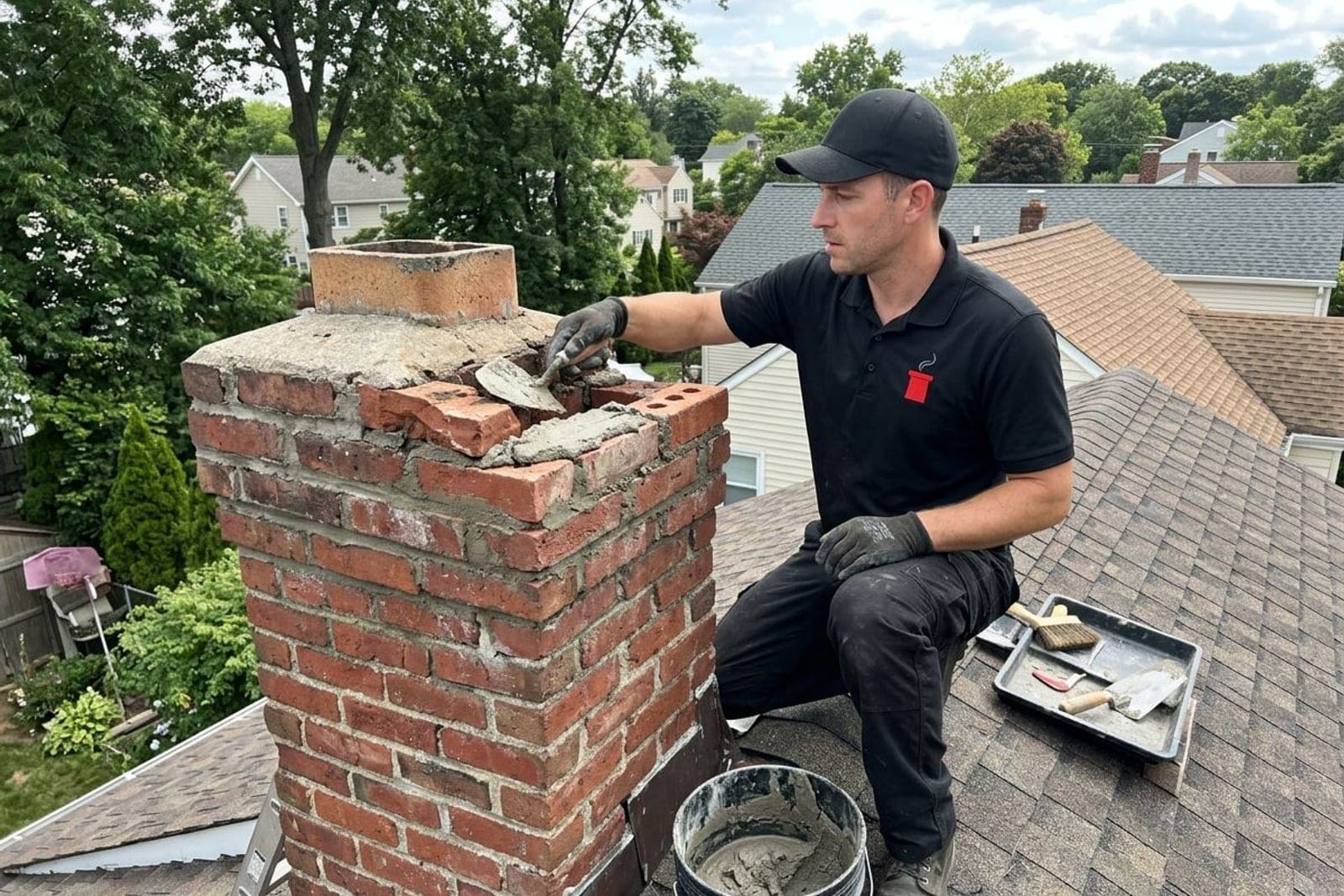 3
3Expert Creosote Removal and Cleanup
Our certified team will meticulously perform the creosote removal, protecting your home and ensuring a thorough cleaning. Once complete, we conduct a final check and leave your Brick home spotless, ready for safe and efficient fireplace use.
| Warning Sign | What It Means | Urgency |
|---|---|---|
| Strong, pungent smoky odor | Creosote buildup in flue | High: Fire & CO risk |
| Black, tar-like residue visible | Glazed creosote; highly flammable | Immediate; Major fire hazard |
| Fires burn sluggishly / excess smoke | Restricted flue; poor draft | High: Safety & efficiency issue |
| Visible flakes or chunks falling | Heavy creosote buildup | Immediate; Needs cleaning |
| Unusual popping/crackling sounds | Creosote igniting in flue | EMERGENCY; Call 911 |
Prices verified on .
Built for Brick's homes and climate
With roughly 73,605 residents, Brick keeps us busy year-round. We pair it with Point Pleasant, Bay Head and Mantoloking on the same route, so creosote removal in Brick gets scheduled without a long wait.
BrickOcean County, NJ · 40.058, -74.110
Answers to Your Brick Chimney Questions
How often should Brick chimneys be cleaned for creosote?
For most homes in Brick, NJ, particularly those frequently using their fireplace, an annual chimney inspection and cleaning is recommended by the NFPA. This helps prevent dangerous creosote buildup, which can be accelerated by the humid bayfront climate, ensuring your system remains safe and efficient year-round.
What is the typical cost for creosote removal in Brick?
The typical price range for professional creosote removal in Brick starts from $200, depending on the severity and complexity of your chimney system. Our initial on-site inspection costs $99 plus tax, ensuring transparent value and clear next steps.
Can I remove creosote myself from my Brick home’s chimney?
Attempting DIY creosote removal is highly discouraged due to the specialized tools and expertise required to safely and effectively clear the flue without damaging the liner or spreading hazardous debris. Improper removal can lead to chimney fires or compromise the structural integrity of your chimney, a risk not worth taking for your valuable Brick property.
What are the dangers of not removing creosote?
Failing to remove creosote poses severe risks, primarily chimney fires that can quickly spread to your home. Additionally, blockages can lead to dangerous carbon monoxide backing into your living space, an invisible, odorless gas that can be fatal. Protecting your family in Brick from these hazards is our top priority.
How does Brick’s weather affect creosote accumulation?
Brick’s coastal environment, with its high humidity near Barnegat Bay and frequent storm exposure, can accelerate creosote formation. Damp conditions lead to cooler flue temperatures and less efficient burning, encouraging more rapid and denser creosote deposits, particularly in older masonry chimneys common in the area.
Is creosote removal different from a regular chimney sweep?
Yes, while a regular chimney sweep addresses soot and minor creosote, professional creosote removal targets stubborn, glazed, or third-degree creosote. This specialized service requires more aggressive methods like rotary power cleaning or chemical treatments, ensuring thorough safety for your Brick home when standard sweeping isn't enough.
Get in touch
- (732) 889-5194
- contact@jerseychimneypros.com
- Based in Lakewood, NJ — serving Brick

Need your chimney checked in Brick?
Clear pricing, local scheduling, and honest written recommendations you can trust.

Book your creosote removal in Brick
Real open times on our crew's calendar — confirmed instantly.
Creosote Removal in Brick