Lincroft, Monmouth County
Creosote Removal in Lincroft, NJ
For homeowners in Lincroft, NJ, maintaining a safe and efficient chimney system is crucial, especially with the area's larger colonials and estate homes often featuring active fireplaces. Jersey Chimney Pros specializes in thorough creosote removal, protecting your Lincroft property from fire hazards and ensuring optimal chimney performance.
Typical investment
From $200
- Local crews
- Licensed & insured
- Documented work
- Fast scheduling
- Serving Lincroft and the surrounding Monmouth County towns
- $99 inspection, deducted from an approved quote
- Usually on the same Monmouth County route as Atlantic Highlands, Brielle, Colts Neck
Why Lincroft homes need creosote removal
In Lincroft, where many homes boast substantial chimneys serving well-used fireplaces, proactive creosote removal is a homeowner's best defense against potential dangers. Our crews serving this affluent section of Middletown Township are experienced with the specific chimney systems found in these larger properties, understanding the nuances of their construction and usage patterns.
With roughly 7,060 residents, Lincroft keeps us busy year-round. We pair it with Tinton Falls, Shrewsbury and Red Bank on the same route, so creosote removal in Lincroft gets scheduled without a long wait.
Done by licensed crews
Our own team, never a subcontractor sent by a call center.
Written quote up front
You approve the price before any work begins.
Photo-documented
Before and after photos of every fix, in plain English.
Built for the local climate
Salt air, freeze-thaw and coastal wear factored in.
Essential Creosote Removal for Lincroft's Estate Homes
Creosote is a highly flammable byproduct of burning wood, accumulating inside your chimney's flue as tarry, flaky, or glazed deposits. Professional creosote removal is not just a cleaning service; it's a critical safety measure designed to eliminate this dangerous buildup, significantly reducing the risk of a chimney fire. For Lincroft residents, whose larger homes often feature chimneys that are focal points of family life, ensuring these systems are free from creosote is paramount for both safety and peace of mind.
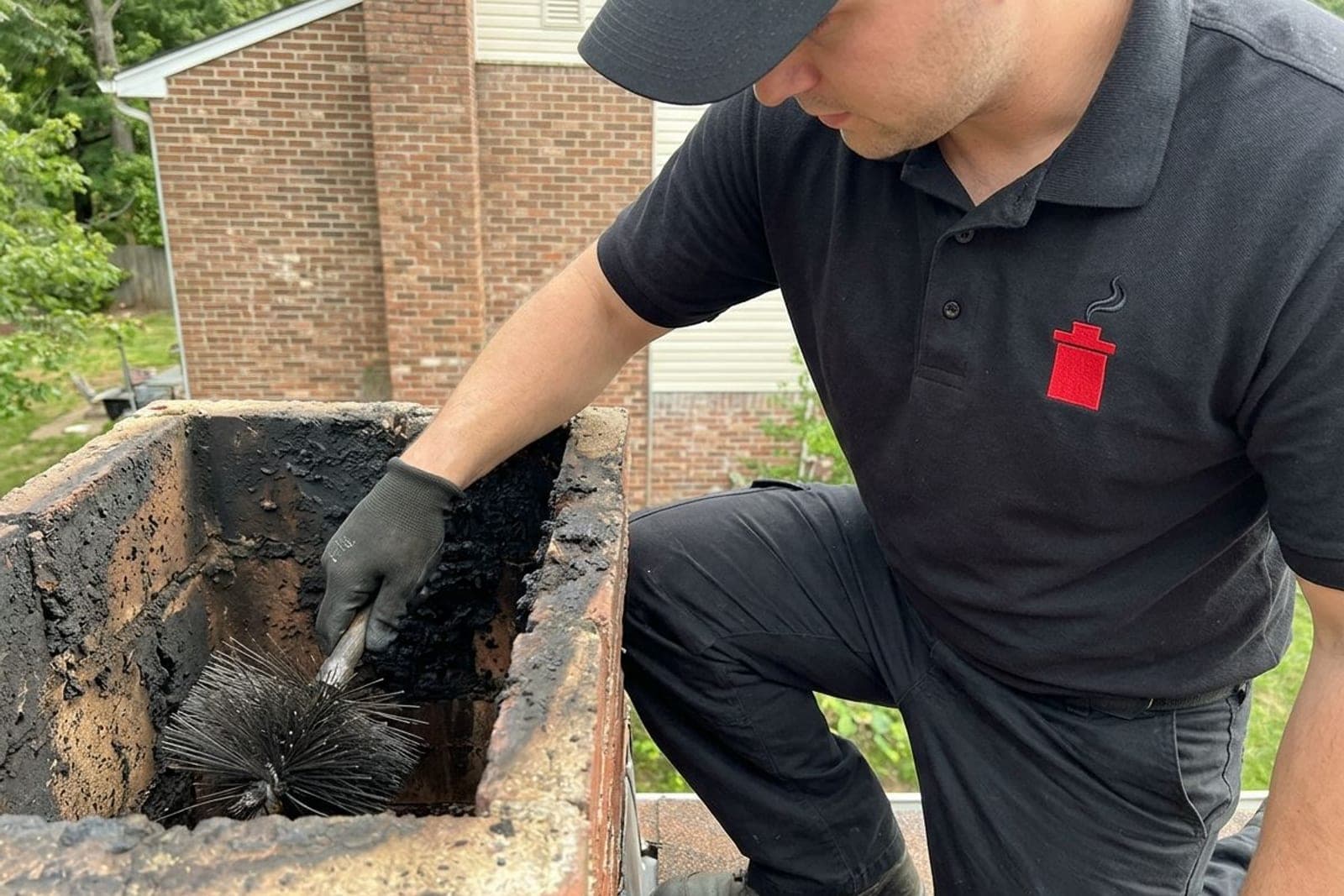
Our comprehensive creosote removal process goes beyond a superficial sweep. We utilize specialized brushes, power tools, and industrial vacuums to meticulously scrape and dislodge even the toughest, glazed creosote deposits that standard chimney cleaning might miss. This thorough approach ensures that every inch of your Lincroft chimney's flue is free from flammable material, promoting better draft and preventing hazardous blockages that can lead to carbon monoxide intrusion or chimney fires.
Lincroft's distinct climate, characterized by warm, humid summers and cold, damp winters, plays a role in creosote formation. The high moisture content in the air can contribute to less efficient wood burning, leading to increased creosote deposits within your flue. Our technicians understand these local conditions and specifically look for signs of accelerated buildup, advising Lincroft homeowners on best practices for burning seasoned wood and maintaining optimal chimney health to counteract environmental factors.
Adhering to National Fire Protection Association (NFPA) Standard 211, which recommends annual chimney inspections and cleaning, is vital for every Lincroft household with a fireplace. Creosote buildup progresses through three stages, with stage three being a highly flammable, glazed deposit that is extremely difficult and dangerous to remove without professional expertise. Regular removal safeguards against chimney fires, which can reach temperatures exceeding 2000°F, and protects your family from colorless, odorless carbon monoxide (CO) gas, which can back up into your home if the flue is obstructed.
While a basic chimney sweep addresses soot and minor debris, dedicated creosote removal targets the hardened, more dangerous deposits that pose a direct fire risk. This service is distinct from masonry repair, liner replacement, or cap installations, though a thorough creosote removal often precedes or informs the need for such structural repairs. We recommend booking your creosote removal service annually, ideally before the start of the colder seasons, to ensure your Lincroft chimney is prepared for safe and efficient operation throughout the heating months.
Beyond fire prevention, regular creosote removal also extends the lifespan of your chimney liner, whether it's clay tile or stainless steel. Creosote is acidic and can corrode liners over time, leading to cracks or deterioration that compromise the integrity of your entire chimney system. Protecting your liner is crucial for preventing heat transfer to combustible materials in your home and maintaining proper ventilation, ensuring your Lincroft property remains a safe haven.
Detailed Scope of Your Lincroft Chimney Cleaning
Every creosote removal we do in Lincroft includes:
- Thorough video inspection of your entire chimney flue system
- Specialized brushing and power sweeping to dislodge creosote
- Use of industrial vacuums for complete debris removal
- Protection of your Lincroft home's interior with drop cloths
- Assessment of creosote stage (1, 2, or 3) and fire hazard potential
- Detailed report on chimney health and recommended preventative measures
- Identification of potential liner or masonry issues related to creosote
Professional, clean, no-mess service.
Key Indicators of Creosote in Lincroft Chimneys
- A strong, tarry or smoky odor emanating from your fireplace
- Visible black, flaky, or glassy deposits inside the flue or on the damper
- A noticeable decrease in fireplace draft, causing smoke to enter the room
- Difficulty lighting fires or maintaining a robust burn
- A strange, oily residue appearing around the fireplace opening
- Any unusual popping or crackling sounds coming from the chimney during use
- Evidence of smoke stains on the exterior of your Lincroft chimney masonry
If you notice smoke backup or stage-3 creosote, book immediately.
Book nowWhy Lincroft's Larger Colonials Need Creosote Removal
While Lincroft's inland setting spares it from direct salt air corrosion, the humid Monmouth County summers and severe nor'easters still pose challenges to chimney longevity and creosote accumulation. High humidity can accelerate creosote formation within flues, especially when wood is burned inefficiently, making diligent removal essential for Lincroft households. Additionally, the freeze-thaw cycles characteristic of our climate can stress masonry, highlighting the importance of clear, clean flues to prevent further damage.
A creosote removal job in Lincroft — start to finish
Before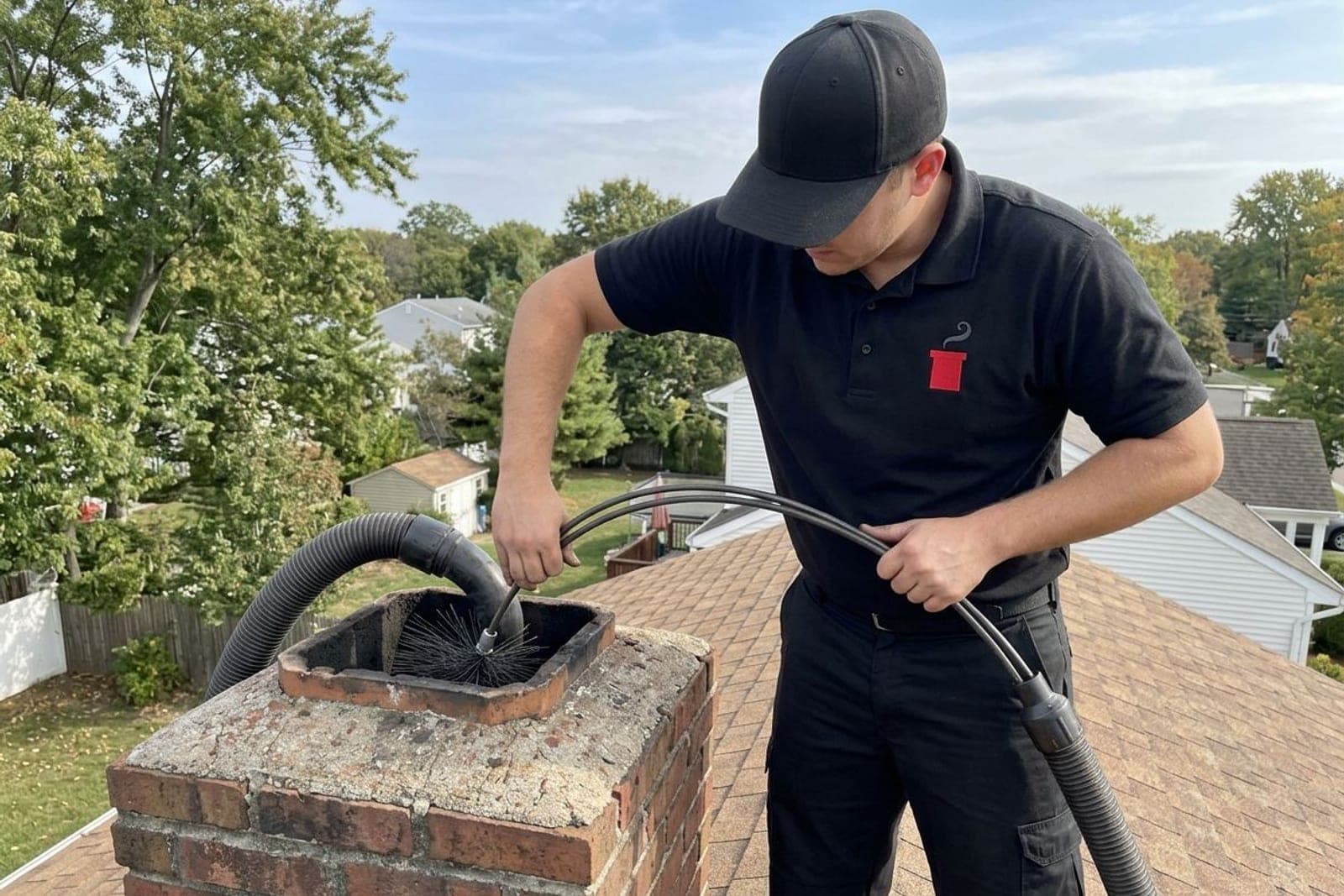 After
AfterWe received a call in late October from a homeowner in a stately Lincroft colonial. They reported significant trouble keeping fires lit, along with neighbors mentioning unusually dark, heavy smoke coming from their chimney whenever they managed a fire.
- 1
On-Site Diagnostic & Initial Camera Inspection
$99 plus tax
We arrived at the stately Lincroft colonial and conducted our comprehensive diagnostic, visually inspecting the chimney system and utilizing a high-definition camera to thoroughly examine the flue, identifying the severity and type of creosote.
- 2
Advanced Third-Degree Creosote Removal
850
Our inspection revealed extensive, glazed third-degree creosote, which we meticulously removed using specialized chemical treatments and aggressive rotary power-scrubbing equipment to ensure complete clearance of the highly flammable deposits from the flue.
- 3
Final Verification & Area Cleanup
included
After clearing the flue, we performed a final brush-down, vacuumed all loosened debris from the firebox and smoke shelf, and conducted a second camera inspection to confirm the chimney's safe and clear condition.
The total for this comprehensive creosote removal and diagnostic service was $850. This figure reflects the extensive nature of the glazed, third-degree creosote and the specialized equipment and time required for safe and thorough remediation. The final payment for the full service was $850.
This is a representative crew-written job summary, not a customer review. Photographs of jobs we have actually completed are on our work.
| Warning Sign | Typical Cause | Action for Lincroft Residents |
|---|---|---|
| Strong smoky or tarry odor | Significant creosote buildup | Schedule inspection |
| Visible black, flaky, or glazed deposits | Direct creosote evidence | Call for removal |
| Smoke entering room, poor draft | Flue blockage, inefficient burning | Address promptly |
| Unusual popping or crackling sounds | Creosote igniting, fire risk | Stop use, call immediately |
Prices verified on .
Built for Lincroft's homes and climate
With roughly 7,060 residents, Lincroft keeps us busy year-round. We pair it with Tinton Falls, Shrewsbury and Red Bank on the same route, so creosote removal in Lincroft gets scheduled without a long wait.
LincroftMonmouth County, NJ · 40.331, -74.122
Lincroft Homeowner Questions About Chimney Creosote
How often should Lincroft homes get creosote removal?
For Lincroft homeowners with active fireplaces, we recommend annual chimney inspections and cleanings, as advised by NFPA 211 standards. This consistent maintenance ensures that any creosote buildup is addressed before it becomes a significant fire hazard, especially given the variable burning habits and fuel types common in the area.
What is the typical cost for creosote removal in Lincroft, NJ?
The cost of professional creosote removal varies depending on the severity of the buildup and the complexity of your chimney system, but typically ranges from $200. Our initial inspection is $99 plus tax, and we always provide a transparent, written quote afterward; the $99 is deducted in full from the quote if you approve the work.
Can I remove creosote myself from my Lincroft chimney?
We strongly advise against DIY creosote removal. Specialized tools and expertise are required to safely and effectively remove creosote, particularly glazed Stage 3 deposits. Improper techniques can damage your flue liner or leave dangerous residues, posing a greater risk to your Lincroft home than an uncleaned chimney.
What's the difference between a chimney sweep and creosote removal?
A standard chimney sweep primarily removes soot, minor debris, and early-stage creosote. Dedicated creosote removal is a more intensive service targeting hardened, tar-like, or glazed creosote deposits that are highly flammable and pose a significant fire risk, often requiring specialized power tools beyond traditional brushes.
Will creosote removal make my Lincroft fireplace more efficient?
Yes, absolutely. Removing creosote buildup ensures a clear, unobstructed flue, which significantly improves your fireplace's draft. Better draft means more efficient combustion, less smoke entering your Lincroft home, and a more pleasant, safer fireplace experience overall, reducing fuel consumption.
How does Lincroft's inland location affect creosote buildup?
While coastal towns contend with salt air, Lincroft's inland position means its homes are exposed to Monmouth County's specific humidity and storm patterns. High local humidity can contribute to incomplete combustion and accelerated creosote formation. Our technicians account for these specific conditions in Lincroft to provide tailored cleaning recommendations.
Get in touch
- (732) 889-5194
- contact@jerseychimneypros.com
- Based in Lakewood, NJ — serving Lincroft

Need your chimney checked in Lincroft?
Clear pricing, local scheduling, and honest written recommendations you can trust.

Book your creosote removal in Lincroft
Real open times on our crew's calendar — confirmed instantly.
Creosote Removal in Lincroft