Spring Lake, Monmouth County
Creosote Removal in Spring Lake, NJ
For homeowners in Spring Lake, maintaining the safety and efficiency of your chimney is crucial to preserving the comfort and value of your historic residence. Jersey Chimney Pros specializes in thorough creosote removal services, ensuring your fireplace system is clean, secure, and ready for use in every season. We are your trusted local experts for protecting your cherished Spring Lake home from potential chimney hazards.
Typical investment
From $200
- Local crews
- Licensed & insured
- Documented work
- Fast scheduling
- Serving Spring Lake and the surrounding Monmouth County towns
- $99 inspection, deducted from an approved quote
- Usually on the same Monmouth County route as Atlantic Highlands, Brielle, Colts Neck
Why Spring Lake homes need creosote removal
In Spring Lake, where grand Victorian and turn-of-the-century homes stand as testaments to timeless elegance, proper chimney maintenance is not just about comfort—it's about historical preservation and safety. Our local crews understand the nuances of these older structures, meticulously inspecting for creosote buildup that can compromise integrity and pose significant fire risks. We carefully assess each flue, mindful of the original masonry and any modern updates, to provide tailored solutions for the borough's unique architectural heritage.
We treat Spring Lake — about 2,790 residents — as home turf, together with Sea Girt, Manasquan and Avon-by-the-Sea next door. That is why creosote removal appointments here fit into an existing route instead of a special trip.
Done by licensed crews
Our own team, never a subcontractor sent by a call center.
Written quote up front
You approve the price before any work begins.
Photo-documented
Before and after photos of every fix, in plain English.
Built for the local climate
Salt air, freeze-thaw and coastal wear factored in.
Safeguarding Spring Lake's Historic Chimneys
Creosote is a highly flammable byproduct of incomplete wood combustion, accumulating as a black or dark brown residue within your chimney flue. It forms in three stages, from fluffy soot to a tar-like glaze, with the latter being extremely dangerous and difficult to remove without specialized tools. Beyond the obvious fire risk, creosote buildup can obstruct your chimney, leading to poor draft, smoke backing up into your home, and an increased risk of carbon monoxide poisoning, a silent and deadly threat. Annual professional inspections and cleanings, as recommended by the National Fire Protection Association (NFPA) Standard 211, are essential to identify and mitigate this hazard, protecting your family and your Spring Lake property.
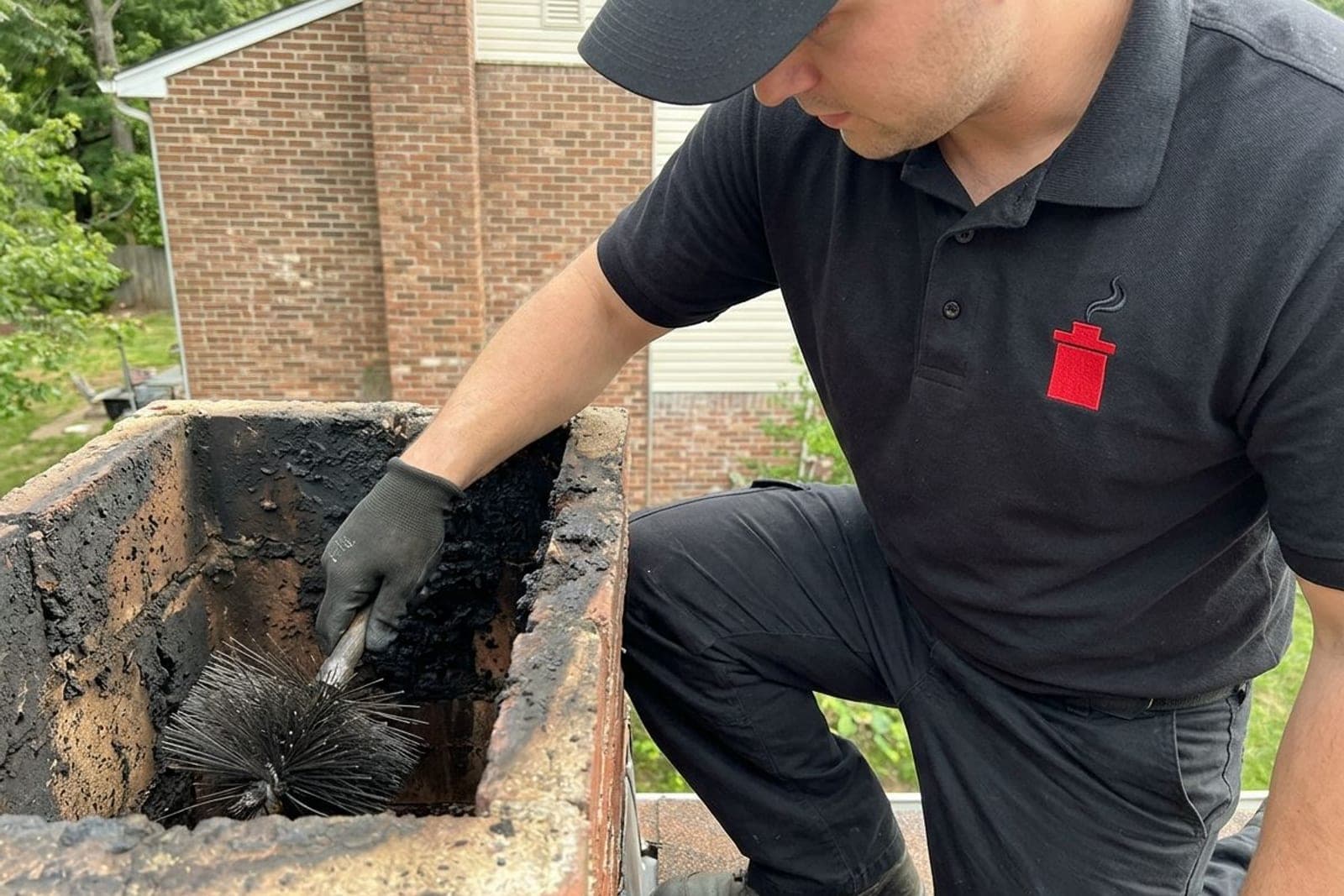
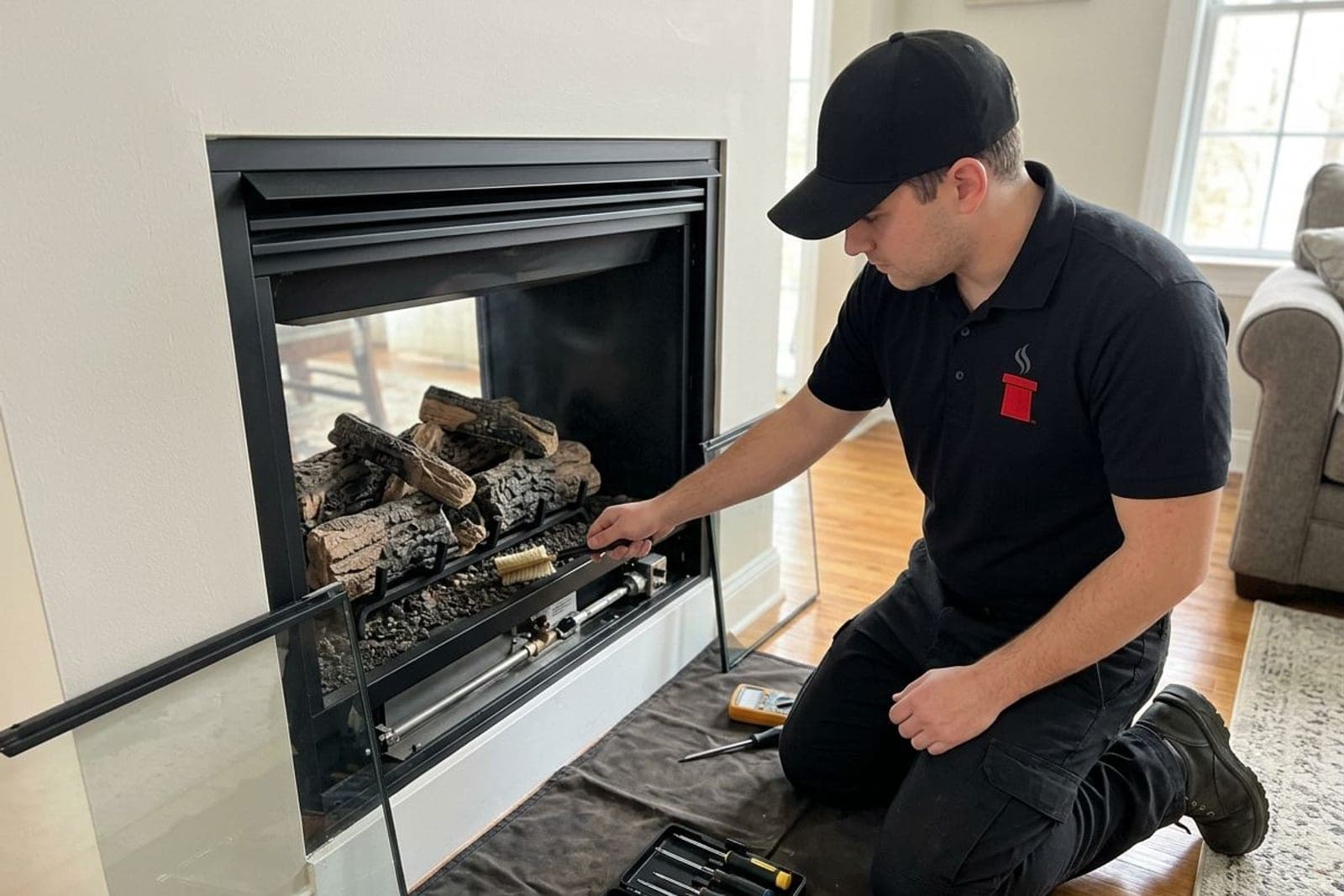
Our comprehensive creosote removal process goes far beyond a basic chimney sweep, targeting stubborn, glazed creosote that often requires advanced techniques. We use industrial-grade rotary brushes, specialized scraping tools, and powerful negative air pressure vacuums to meticulously dislodge and extract this dangerous material from your flue liner. This thorough approach ensures that every trace of the flammable substance is removed, restoring the chimney to optimal condition and significantly reducing the risk of a chimney fire. For the grand, multi-flue chimneys common in Spring Lake's historic homes, this detailed work is especially critical.
Spring Lake's coastal climate and housing stock significantly influence the rate and type of creosote accumulation. The consistent salt air, combined with fluctuating temperatures, can impact the longevity of chimney components, including flue liners. Older chimneys in historic Victorian homes, often built with traditional masonry, may be more susceptible to freeze-thaw cycles that compromise mortar joints, allowing moisture intrusion that contributes to denser creosote buildup. Even newer or post-storm rebuilt homes near the ocean can experience accelerated creosote issues due to regional humidity and the increased likelihood of burning less-than-perfectly seasoned wood, necessitating proactive professional cleaning.
Safety is paramount during any chimney service, especially when dealing with creosote. Beyond removing the fire hazard, our technicians also inspect the integrity of your chimney liner and the overall structure, looking for cracks or damage that could allow dangerous carbon monoxide to leak into your living spaces. We adhere strictly to local and national safety codes, ensuring that your chimney not only functions efficiently but also meets all required safety standards. Understanding the potential for hidden damage from strong winds and heavy rainfall near the Spring Lake oceanfront, we are particularly vigilant in our assessments, safeguarding your home's entire heating system.
Creosote removal is distinct from routine chimney sweeping, which typically addresses lighter soot and minor blockages. When creosote reaches its more advanced, glazed stages, it forms a hard, crusty, or tar-like substance that regular brushes cannot effectively dislodge. Our specialized removal techniques and equipment are specifically designed to tackle these tougher, more hazardous deposits, preventing a potential chimney fire that could devastate an exquisite Spring Lake residence. We also check for and clear any animal nests or debris that might accumulate, especially in uncapped chimneys exposed to the elements.
The ideal time to schedule your creosote removal for your Spring Lake home is typically in the late spring or early summer, after the primary heating season has ended, or before the cooler autumn temperatures set in. This pre-season maintenance ensures your chimney is clean and ready for safe operation when you first light your fireplace. If you've experienced heavy use of your fireplace, or if you notice any of the warning signs discussed, it's prudent to book an inspection and potential removal sooner rather than later. Proactive care is the best defense against chimney fires and helps preserve the enjoyment of your Spring Lake home for years to come.
When evaluating the cost, expect creosote removal in Spring Lake to range from $200 and up, depending on the severity of the buildup and the complexity of your chimney system. An essential first step is our on-site inspection, which is $99 plus tax. This initial evaluation allows us to provide a precise, written quote tailored to your specific Spring Lake home, addressing any unique structural or creosote challenges.
Detailed Creosote Removal for Your Spring Lake Home
Every creosote removal we do in Spring Lake includes:
- Thorough on-site chimney inspection for creosote assessment
- Comprehensive removal of all three stages of creosote
- Protective tarping of work area to ensure a clean home
- Use of specialized rotary brushes and scraping tools
- High-powered negative air pressure vacuuming for debris removal
- Inspection of flue liner for damage or deterioration
- Verification of proper draft and airflow
- Detailed assessment of chimney structure and components
Professional, clean, no-mess service.
Recognizing Creosote Problems in Spring Lake Chimneys
- A strong, pungent tar-like or smoky odor emanating from the fireplace
- Visible black or brown flaky, crusty, or shiny residue inside the flue
- Smoke backing up into your Spring Lake home when using the fireplace
- Fires that are difficult to start or sustain
- Unusual cracking or popping sounds coming from the chimney
- Reduced draft or poor performance of your wood-burning appliance
- Soot or flakes falling into the firebox or onto the hearth
If you notice smoke backup or stage-3 creosote, book immediately.
Book nowCreosote Risks for Spring Lake's Coastal Homes
The distinctive ocean-shore environment of Spring Lake presents particular challenges that accelerate creosote formation in chimneys. Proximity to the Atlantic Ocean means higher humidity levels, which can make wood burn less efficiently and contribute to a stickier, more voluminous creosote buildup. Furthermore, the strong, wind-driven rains and exposure to nor'easters can introduce moisture into chimney systems, further exacerbating the problem and demanding vigilant creosote removal to prevent hazards.
A creosote removal job in Spring Lake — start to finish
Before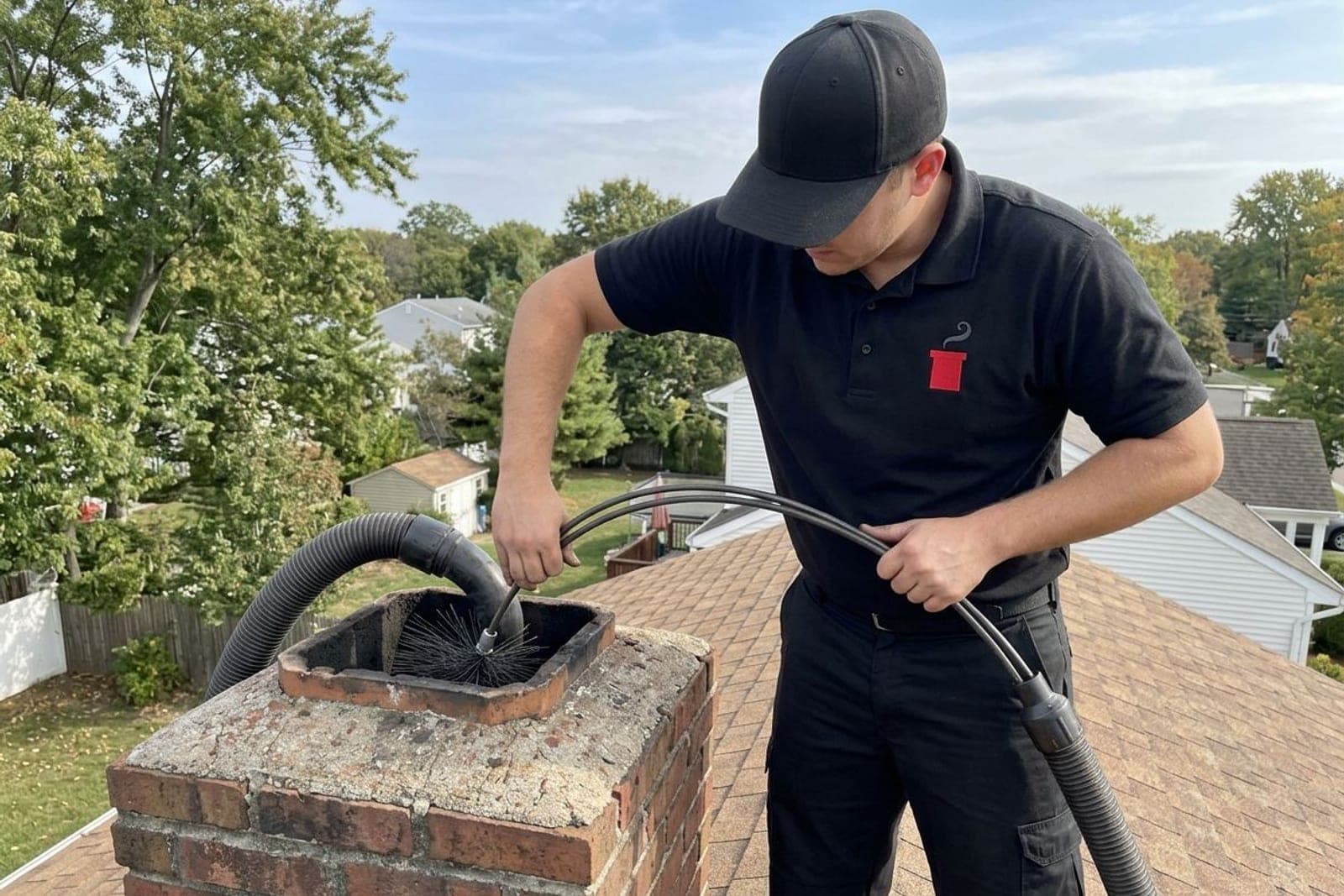 After
AfterWe received a call in late autumn from a homeowner in a grand Victorian home near the Spring Lake oceanfront. They reported an increasingly acrid, smoky odor permeating their ground floor, especially noticeable on blustery, ocean-facing days, along with a significant reduction in the draft of their main parlor fireplace.
- 1
On-site Inspection
$99 plus tax
Our initial step involved a thorough exterior assessment of the grand, multi-flue Victorian chimney and a Level 2 camera inspection of the main parlor flue to identify the source of the persistent odor and poor draft.
- 2
Preparatory Work
included
We meticulously prepared the fireplace area in the stately parlor, laying down protective drop cloths and sealing off the firebox opening to prevent any soot or creosote from escaping into the historic home.
- 3
Creosote Removal
$250
Our camera inspection revealed a significant accumulation of Stage 2 creosote, a thick, tar-like deposit, throughout the main flue. We deployed specialized rotary power sweeping equipment and rigid brushes to effectively break down and remove this stubborn buildup.
- 4
Final Sweep and Cleanup
included
After clearing the flue, we performed a final brush sweep and vacuumed all removed creosote and debris from the firebox and hearth area. We then conducted a post-cleaning camera inspection to confirm the flue was clear and unobstructed.
The total for this comprehensive service, including the on-site inspection and the intensive Stage 2 creosote removal, came to $399. This figure reflects the significant buildup we encountered in the large, older flue, pushing it slightly above our base creosote removal price but well within the typical range for such a detailed job in a historic Spring Lake residence.
This is a representative crew-written job summary, not a customer review. Photographs of jobs we have actually completed are on our work.
| Warning Sign | What It Means for Your Spring Lake Home | Urgency |
|---|---|---|
| Strong, pungent odor | Creosote buildup, fire risk. Exacerbated by Spring Lake humidity. | Immediate inspection |
| Visible residue inside flue | Flammable deposits. Ocean-shore environment can worsen it. | Professional cleaning |
| Smoke backing into home | Blocked flue, CO risk. Threat to your Spring Lake family. | Stop using fireplace |
| Unusual cracking sounds | Chimney fire likely. Major hazard for historic Spring Lake homes. | Call 911 at once |
| Reduced draft or poor fire | Obstruction impacts efficiency. Get it checked in Spring Lake. | Schedule an expert check |
Prices verified on .
Built for Spring Lake's homes and climate
We treat Spring Lake — about 2,790 residents — as home turf, together with Sea Girt, Manasquan and Avon-by-the-Sea next door. That is why creosote removal appointments here fit into an existing route instead of a special trip.
Spring LakeMonmouth County, NJ · 40.153, -74.029
Spring Lake Homeowners' Creosote Removal Questions
What exactly is creosote and why is it dangerous for my Spring Lake home?
Creosote is a flammable residue that builds up inside your chimney flue as a byproduct of burning wood. It's dangerous because it can ignite, causing a chimney fire that can spread to your entire Spring Lake home. It also restricts airflow, increasing the risk of carbon monoxide poisoning.
How often should Spring Lake homeowners have creosote removed?
For Spring Lake homes, especially those with historic chimneys and exposure to coastal humidity, annual professional inspections are recommended by the NFPA. Creosote removal should be performed whenever a significant buildup (1/8 inch or more) is detected, typically once a year depending on usage and wood type.
What is the typical cost for creosote removal in Spring Lake, NJ?
Creosote removal services in Spring Lake typically start from $200, depending on the severity of the buildup and the complexity of your chimney system. We offer a comprehensive on-site inspection for your recommended removal service, ensuring transparency and value, for $99 plus tax, deducted in full from your quote if you approve the work.
Can I remove creosote myself, or do I need a professional?
While light soot might be brushed away, hardened or glazed creosote requires specialized tools and expertise to remove safely and effectively. Attempting DIY removal can be ineffective and even dangerous, potentially damaging your flue liner or leaving flammable residues behind. Professional service ensures a thorough and safe cleaning.
How does Spring Lake's coastal environment affect creosote buildup?
Spring Lake's proximity to the ocean means higher ambient humidity, which can lead to less efficient wood burning and more rapid accumulation of dense, tar-like creosote. Additionally, older masonry in historic Spring Lake homes is more susceptible to moisture intrusion from wind-driven rain, exacerbating the problem and demanding regular maintenance.
What's the difference between creosote removal and a standard chimney sweep?
A standard chimney sweep typically addresses light soot and minor blockages. Creosote removal, by contrast, is a more intensive process targeting stubborn, glazed, and highly flammable creosote that regular brushing cannot dislodge. Our Spring Lake technicians use specialized equipment to tackle these dangerous deposits, ensuring a deeper, safer clean for your chimney.
Get in touch
- (732) 889-5194
- contact@jerseychimneypros.com
- Based in Lakewood, NJ — serving Spring Lake

Need your chimney checked in Spring Lake?
Clear pricing, local scheduling, and honest written recommendations you can trust.

Book your creosote removal in Spring Lake
Real open times on our crew's calendar — confirmed instantly.
Creosote Removal in Spring Lake