Freehold, Monmouth County
Gas Fireplace Service in Freehold, NJ
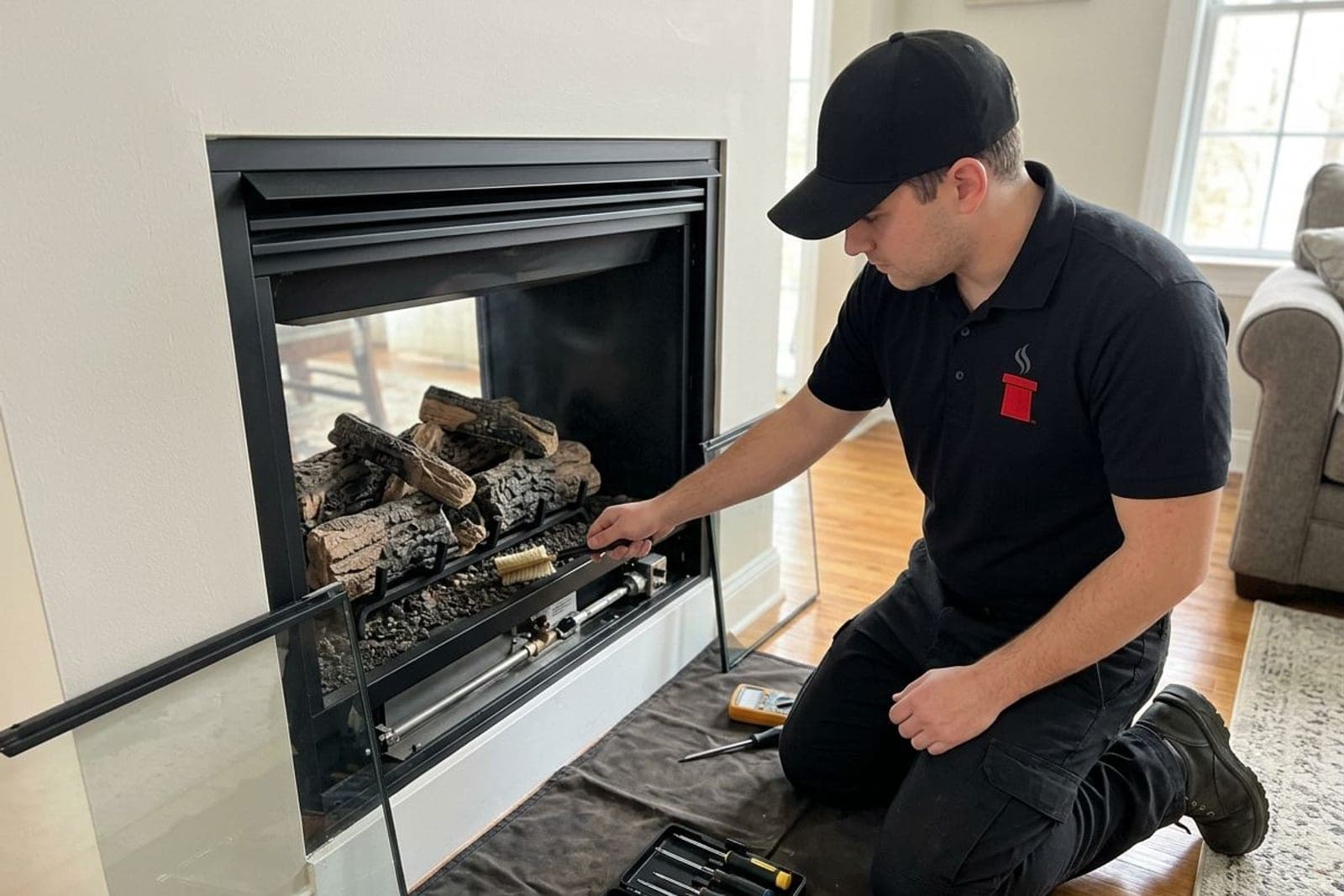
Gas fireplace service runs on a burner, a pilot or ignition system, and a venting path, not a flue full of creosote, so an annual visit looks different from a wood chimney sweep even when both end with the same kind of house call. We service standalone units and gas inserts fitted into older masonry fireplaces across Freehold alike.
Typical investment
$150–$400
- Local crews
- Licensed & insured
- Documented work
- Fast scheduling
- Serving Freehold and the surrounding Monmouth County towns
- $99 inspection, deducted from an approved quote
- Usually on the same Monmouth County route as Atlantic Highlands, Brielle, Colts Neck
Why Freehold homes need gas fireplace service
If your gas fireplace insert vents into an older masonry chimney, it's worth asking your original installer directly whether the chimney's condition was verified on the state's required form rather than left to a homeowner's own read of it — that documentation should be on file if the original installation went through a permit.
Freehold counts about 35,354 residents, and we cover it end to end — along with Marlboro, Manalapan and Colts Neck on the same run. Booking gas fireplace service here rarely means waiting for a crew to come from far away.
Done by licensed crews
Our own team, never a subcontractor sent by a call center.
Written quote up front
You approve the price before any work begins.
Photo-documented
Before and after photos of every fix, in plain English.
Built for the local climate
Salt air, freeze-thaw and coastal wear factored in.
Gas Fireplace Service for Freehold's Standalone Units and Converted Fireplaces
What we're checking on a gas fireplace visit is whether the burner is clean and firing correctly, whether the thermocouple or ignition module is responding, and whether the unit is venting completely to the outside rather than leaking combustion byproducts back into the room. None of that involves creosote or a flue sweep — the failure points on a gas appliance are mechanical and electrical, not soot buildup.
In a fair number of Freehold's older homes, particularly around the courthouse and the borough's established residential streets, the gas fireplace isn't a standalone appliance at all — it's a gas log or insert fitted years ago into what was originally a wood-burning masonry fireplace. That means the appliance is venting into the home's existing masonry flue rather than a dedicated metal vent pipe, and the older flue's condition has a direct bearing on how safely the newer appliance operates, even though the two were installed decades apart.
Because a gas fireplace counts as hearth-appliance work under New Jersey's code, it falls under the state's newest licensing rule: since August 17, 2026, any permit application for contracted chimney, fireplace, or hearth-appliance work — including a new gas fireplace installation — has to list the installer's master hearth specialist license number. The only exception is a homeowner working on their own single-family house.
There's a related rule worth knowing about if your unit vents into an older flue: when a furnace or boiler is installed to vent into an existing masonry chimney, Freehold's inspectors don't have to physically open the vent connector to check the flue themselves. They accept a signed verification form from the licensed contractor who did the install instead, and a homeowner's own say-so isn't accepted in its place. A gas fireplace insert vents the same way into the same kind of chimney, so if yours was permitted work, it's worth asking whether that same verification was filed for your unit.
One thing worth knowing plainly: there isn't a reliable, independently published New Jersey cost survey specific to gas fireplace service, unlike several other chimney services. Equipment, venting configuration, and unit age vary too much from house to house for a single market figure to mean much, which is why we quote after seeing the specific unit rather than publishing a number that would be more guess than data.
Annual service matters most for two reasons: efficiency and carbon monoxide safety. A dirty burner or a fouled thermocouple can misfire or fail to ignite reliably, and a unit that isn't venting fully — through a dedicated pipe or an older masonry flue — can let carbon monoxide, colorless and odorless, build up indoors before anyone notices.
An Insert Fitted Into a Fireplace Built for Wood
Plenty of the gas fireplaces we service in Freehold's older homes weren't built as gas appliances at all — they're a log set or insert added years or decades later into a firebox originally sized and built for burning wood. That original opening, especially in the borough's pre-20th-century housing stock around the courthouse, doesn't always match the dimensions a modern gas insert expects, and a mismatch there affects how completely the unit vents through the existing masonry flue.
Checking that fit is part of the annual visit on a conversion like this, not a separate diagnostic. We confirm the insert is still sized correctly to the original masonry opening and that the flue itself hasn't shifted or deteriorated in a way that changes how the appliance drafts.
Hearth-Appliance Licensing Reaches Every Gas Fireplace Job
Unlike a cap swap or a repointing job, a gas fireplace installation rarely changes what a chimney looks like from the street, so it typically doesn't draw the same scrutiny a visible exterior change would inside one of the borough's three preservation districts. What it doesn't skip is New Jersey's statewide licensing rule: since August 17, 2026, a permitted gas fireplace or hearth-appliance installation has to list a master hearth specialist's license number on the application, no matter which part of Freehold it's in.
That rule is barely a month old as of this writing, which means a competitor's page written before August 2026 won't mention it at all. We list our license number on every permitted gas fireplace job as a matter of course.
What's Included in a Freehold Gas Fireplace Service
Every gas fireplace service we do in Freehold includes:
- Full inspection of the burner, pilot or ignition system, and gas valve
- Cleaning of the burner assembly and glass viewing panel
- Thermocouple or ignition module testing and replacement if needed
- Venting check to confirm combustion gases are exhausting fully
- Gas line and connection inspection for leaks or wear
- Safety documentation, including installer verification where required
Professional, clean, no-mess service.
Signs Your Freehold Gas Fireplace Needs Service
- The pilot light won't stay lit or is difficult to ignite
- A yellow or flickering flame instead of a steady blue one
- A gas odor near the unit, even faint
- Soot building up on the glass front or nearby walls
- The unit takes longer to heat the room than it used to
- Any unusual clicking, popping, or delayed ignition sound
If you notice smoke backup or stage-3 creosote, book immediately.
Book nowWhat Makes Gas Fireplace Service Different in Freehold
Because there's no published, independent New Jersey market figure specific to gas fireplace service, pricing here depends entirely on the unit in front of us — its age, venting path, and whether it's standalone or an insert fitted into an older masonry fireplace. We quote every job after the on-site visit rather than publishing a generic range that wouldn't reflect either kind of installation accurately.
How We Service a Gas Fireplace in Freehold
 1
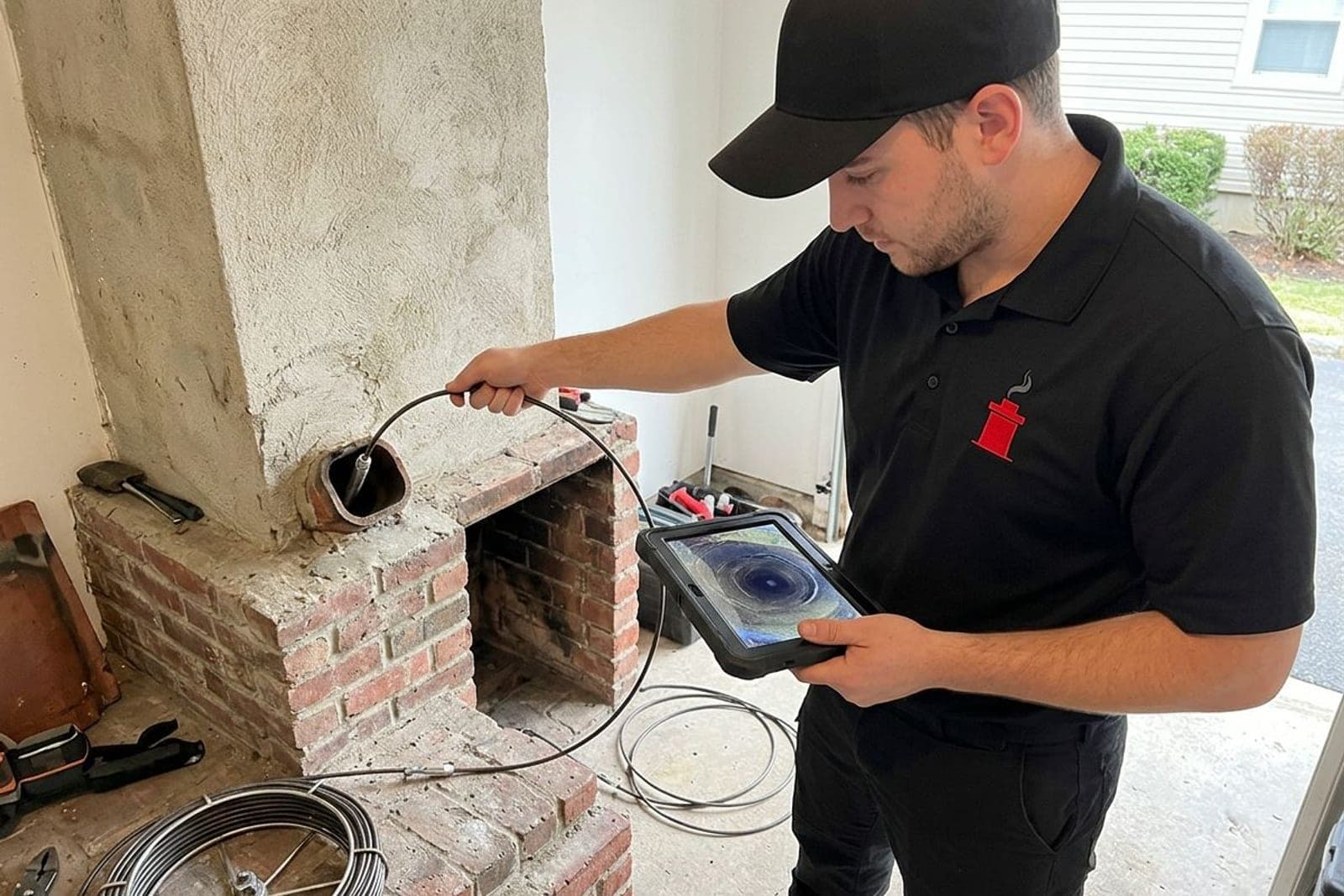
1On-Site Visit
We inspect the burner, ignition system, and venting path for your specific unit. The on-site inspection is $99 plus tax, deducted in full from the quote if you approve the work.
 2
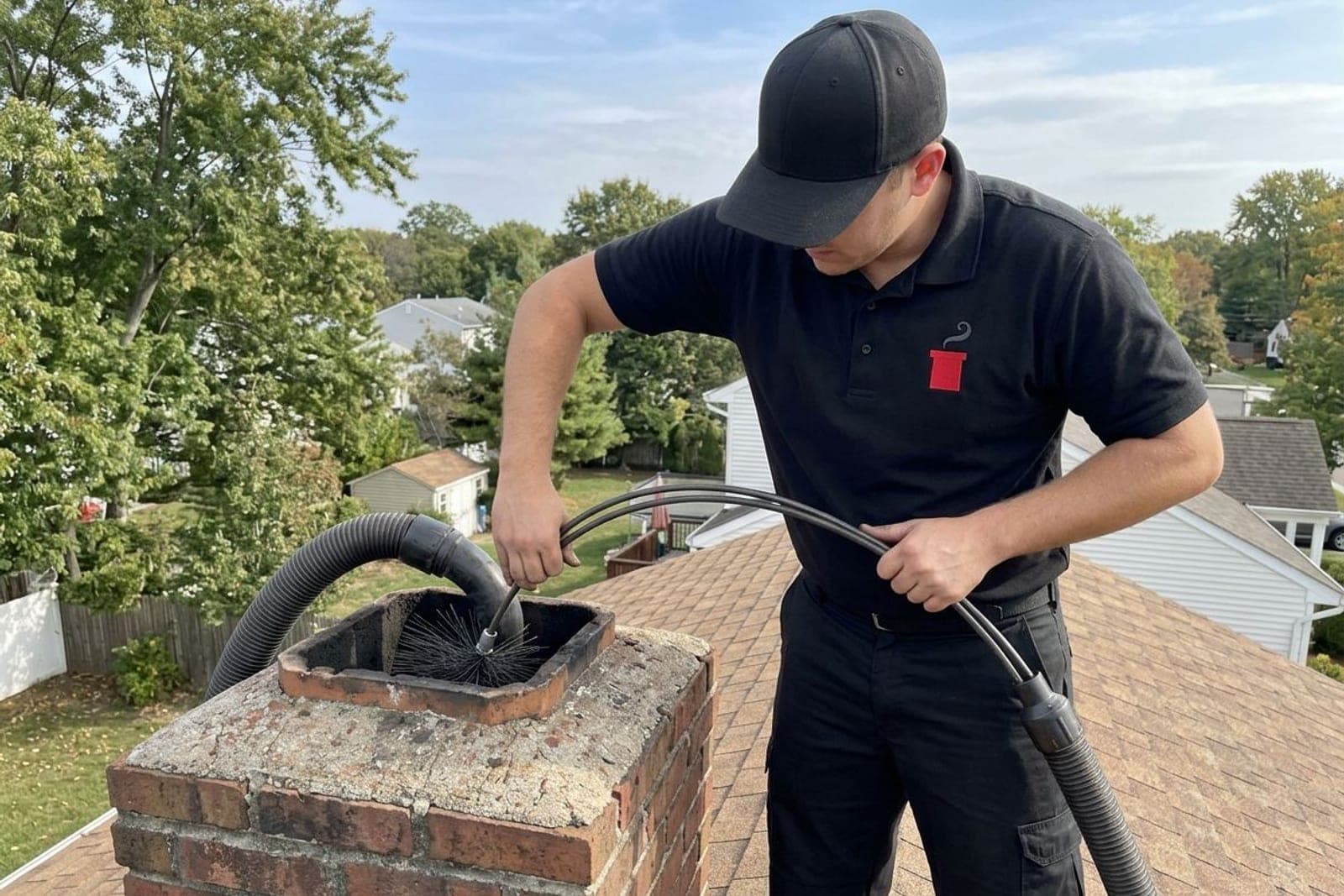
2Cleaning and Safety Check
Once approved, we clean the burner assembly, test the thermocouple or ignition module, and confirm the unit is venting fully — through a dedicated pipe or an existing masonry flue, whichever applies.
 3
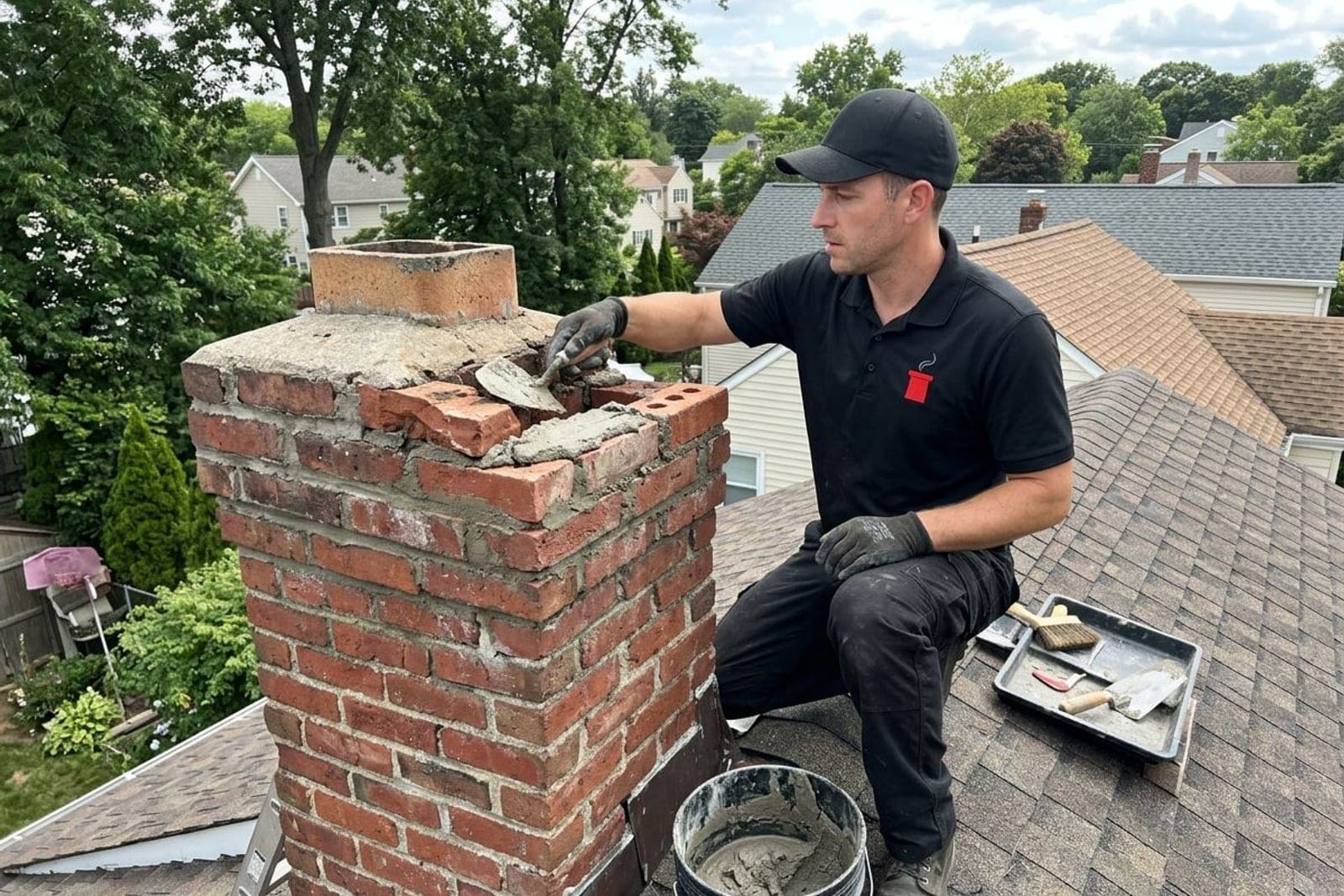
3Documentation
We confirm safe operation and document the visit, noting anything relevant to permit or chimney-verification paperwork if the unit was originally installed under permit.
| Warning Sign | What It Usually Means | Urgency for Freehold Homes |
|---|---|---|
| Yellow or flickering flame | Incomplete combustion, burner needs cleaning | High — linked to carbon monoxide risk |
| Pilot won't stay lit | Faulty thermocouple or dirty pilot assembly | Moderate — schedule before heating season |
| Gas odor near the unit | Possible gas line or connection leak | Immediate — shut off and call for service |
| Soot on the glass or nearby wall | Incomplete combustion or venting issue | Moderate — indicates burner problem |
| Slower to heat the room | Reduced burner efficiency | Low — worth a check at annual service |
Prices verified on .
Built for Freehold's homes and climate
Freehold counts about 35,354 residents, and we cover it end to end — along with Marlboro, Manalapan and Colts Neck on the same run. Booking gas fireplace service here rarely means waiting for a crew to come from far away.
FreeholdMonmouth County, NJ · 40.260, -74.274
Freehold Homeowners' Gas Fireplace Questions
How much does gas fireplace service cost in Freehold, NJ?
Our gas fireplace service typically runs $150 to $400. The on-site inspection is $99 plus tax, deducted in full from the quote if you approve the work. There isn't a reliable, independently published New Jersey market survey specific to gas fireplace work, so we quote based on the unit in front of us rather than a generic figure.
Is a gas fireplace insert different from servicing my chimney?
Yes. A gas fireplace runs on a burner, pilot or ignition system, and gas valve rather than accumulating creosote, so the service checks burner cleanliness, ignition reliability, and venting rather than sweeping soot from a flue.
My gas fireplace vents into my home's old masonry chimney — does that matter?
It can. New Jersey requires a licensed contractor to verify a chimney's condition on a state form when fuel-fired equipment is installed to vent into an existing masonry chimney, rather than relying on a homeowner's own read of it. A gas fireplace insert vents the same way, so it's worth asking your installer whether that verification applied to your unit.
Do I need a licensed specialist for gas fireplace installation in Freehold?
If the installation requires a permit, yes. Since August 17, 2026, New Jersey requires any permitted chimney, fireplace, or hearth-appliance work to list the installer's master hearth specialist license number, with an exception only for a homeowner working on their own single-family home.
What are the warning signs my gas fireplace needs service?
A yellow or flickering flame instead of steady blue, a pilot that won't stay lit, any gas odor near the unit, or soot on the glass are all reasons to schedule service. A gas odor specifically means shutting the unit off and calling right away.
How often should I have my Freehold gas fireplace serviced?
Annually, before the heating season starts, is standard — it catches burner and ignition issues before they become a no-heat call, and confirms the unit is venting completely rather than letting carbon monoxide linger indoors.
Get in touch
- (732) 889-5194
- contact@jerseychimneypros.com
- Based in Lakewood, NJ — serving Freehold
Need your chimney checked in Freehold?
Clear pricing, local scheduling, and honest written recommendations you can trust.
Book your gas fireplace service in Freehold
Real open times on our crew's calendar — confirmed instantly.
Gas Fireplace Service in Freehold