Forked River, Ocean County
Creosote Removal in Forked River, NJ
For homeowners in Forked River, especially those living in waterfront or lagoon properties along the scenic Forked River, ensuring chimney safety is paramount. Jersey Chimney Pros offers expert creosote removal services, diligently protecting your home from the significant fire risks associated with dangerous buildup in your chimney flue.
Typical investment
From $200
- Local crews
- Licensed & insured
- Documented work
- Fast scheduling
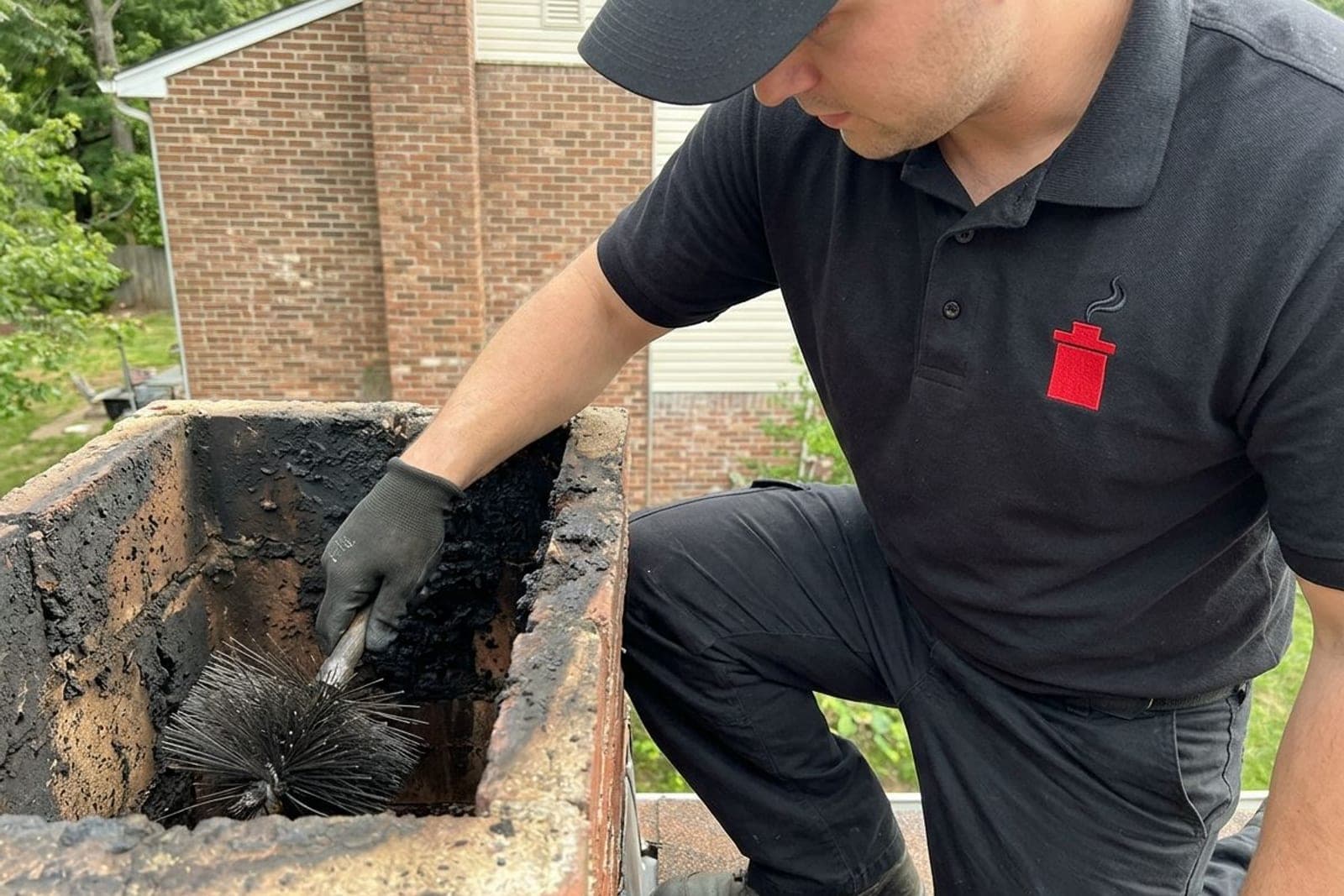
- Serving Forked River and the surrounding Ocean County towns
- $99 inspection, deducted from an approved quote
- Usually on the same Ocean County route as Barnegat Light, Bay Head, Brick
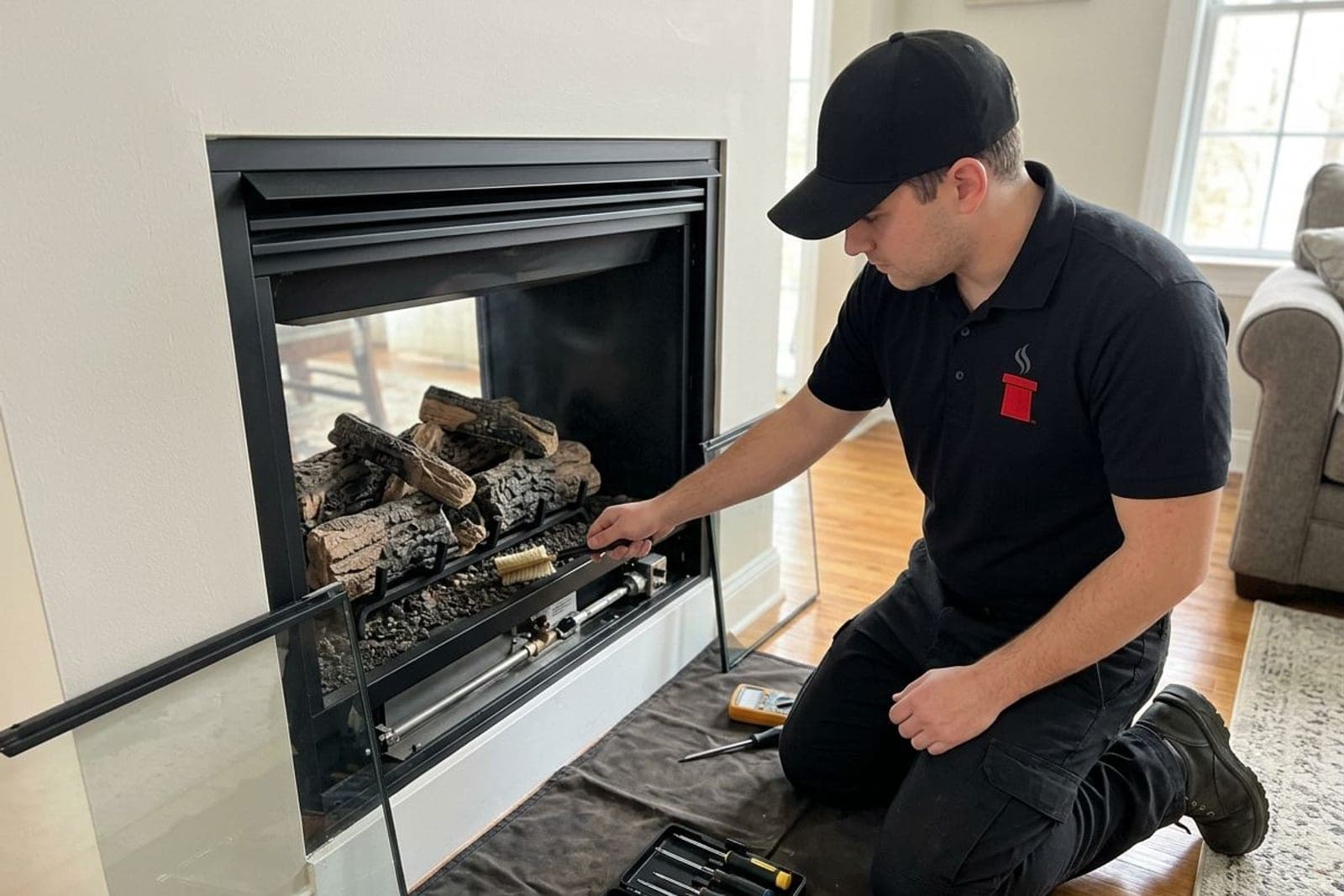
Why Forked River homes need creosote removal
Our dedicated technicians serving Forked River are keenly aware of the unique challenges posed by bayfront living. We specifically look for signs of accelerated creosote accumulation in chimneys of both older shore cottages and newer lagoon-side homes, understanding how the humid, salty air near the Forked River can impact chimney performance and safety.
With roughly 5,274 residents, Forked River keeps us busy year-round. We pair it with Berkeley, Waretown and Lacey on the same route, so creosote removal in Forked River gets scheduled without a long wait.
Done by licensed crews
Our own team, never a subcontractor sent by a call center.
Written quote up front
You approve the price before any work begins.
Photo-documented
Before and after photos of every fix, in plain English.
Built for the local climate
Salt air, freeze-thaw and coastal wear factored in.
Safeguarding Forked River Waterfront Homes from Creosote
Creosote removal is a specialized service designed to eliminate the highly flammable byproduct of wood burning that accumulates inside your chimney flue. Unlike a routine chimney sweep that addresses soot and minor debris, creosote removal targets hardened, glazed, or excessive layers of creosote (Stages 2 and 3) which pose a severe chimney fire risk. A professional removal not only safeguards your Forked River property from potential chimney fires but also ensures efficient fireplace operation, preventing smoke from backing up into your living spaces and protecting your chimney liner from corrosive damage over time.
Our approach to creosote removal goes beyond basic brushing. Depending on the type and stage of creosote buildup in your Forked River home's chimney, our technicians employ specialized tools such as rotary power scrubbers, chemical treatments, or manual scraping techniques. This meticulous process ensures thorough cleaning, often requiring more time and expertise than a standard annual sweeping. We meticulously work from both the top and bottom of the flue, effectively dislodging and removing even the most stubborn deposits that could otherwise ignite at dangerously high temperatures.
The unique environment of Forked River significantly influences creosote accumulation and chimney wear. The proximity to the bay means higher humidity, which can combine with cooler flue temperatures to create ideal conditions for creosote to condense and solidify rapidly. Furthermore, older shore cottages in Forked River may have chimneys with less efficient designs or materials, making them more susceptible to heavy buildup. Even newer lagoon-front homes, if not properly maintained, can experience accelerated creosote formation due to consistent use during colder, damp seasons that are common along the Jersey Shore.
Ensuring your chimney is free of hazardous creosote is a critical safety measure, preventing both chimney fires and carbon monoxide (CO) intrusion. The National Fire Protection Association (NFPA) Standard 211 recommends annual chimney inspections and sweeping as needed to identify and address such risks. Blocked or constricted flues from creosote buildup can impede the proper venting of combustion gases, including deadly, odorless carbon monoxide, into your Forked River home. Our service also includes a thorough inspection of your chimney liner, ensuring it's free of cracks or damage that could compromise its integrity and allow heat or gases to escape.
Knowing when to schedule professional creosote removal is essential for Forked River homeowners. While an annual inspection will identify the need, specific warning signs like a strong, acrid odor emanating from your fireplace, difficulty starting fires, or an unusually smoky hearth indicate significant creosote buildup. This service differs from general masonry repair or liner installation; it specifically targets the removal of the flammable creosote itself, preparing your chimney for safe operation or further necessary repairs. Proactive removal is always safer and more cost-effective than dealing with the aftermath of a chimney fire.
Beyond the immediate fire risk, unmanaged creosote can also contribute to the long-term deterioration of your chimney’s structure. The corrosive nature of creosote, especially when combined with the freeze-thaw cycles common in Ocean County, can compromise the mortar joints and bricks of older chimneys. This is particularly relevant for many Forked River homes, where coastal weather and the age of some properties make structural integrity a key concern. Regular creosote removal helps preserve the lifespan of your chimney and maintains its aesthetic appeal against the bayfront backdrop.
Detailed Creosote Abatement for Forked River Chimneys
Every creosote removal we do in Forked River includes:
- Thorough video inspection of entire chimney flue
- Application of specialized creosote removal tools (rotary power scrubbers, chemicals)
- Complete removal and containment of all creosote deposits
- Detailed cleaning of firebox and smoke chamber
- Verification of proper chimney draft and airflow
- Visual assessment of exterior masonry and crown
- Clear explanation of findings and recommendations
Professional, clean, no-mess service.
Detecting Dangerous Creosote in Your Forked River Chimney
- A strong, tar-like odor coming from your fireplace or chimney
- Visible, hardened, or glazed black deposits inside the flue
- Difficulty starting a fire or keeping it burning
- Excessive smoke entering your Forked River living space
- Strange, crackling noises heard from inside the chimney
- Soot or flaky creosote constantly falling into the fireplace
- Fires that burn sluggishly even with good draft
If you notice smoke backup or stage-3 creosote, book immediately.
Book nowCreosote Risks for Forked River Waterfront Living
The distinct climate of Forked River, characterized by its bayfront setting and exposure to coastal weather, plays a significant role in chimney health. High humidity and the persistent salt air from the Forked River can accelerate creosote formation, while wind-driven rain and nor'easter storms challenge masonry integrity, creating conditions where dangerous creosote buildup can become a serious concern for the town's 5,274 residents.
A creosote removal job in Forked River — start to finish
Before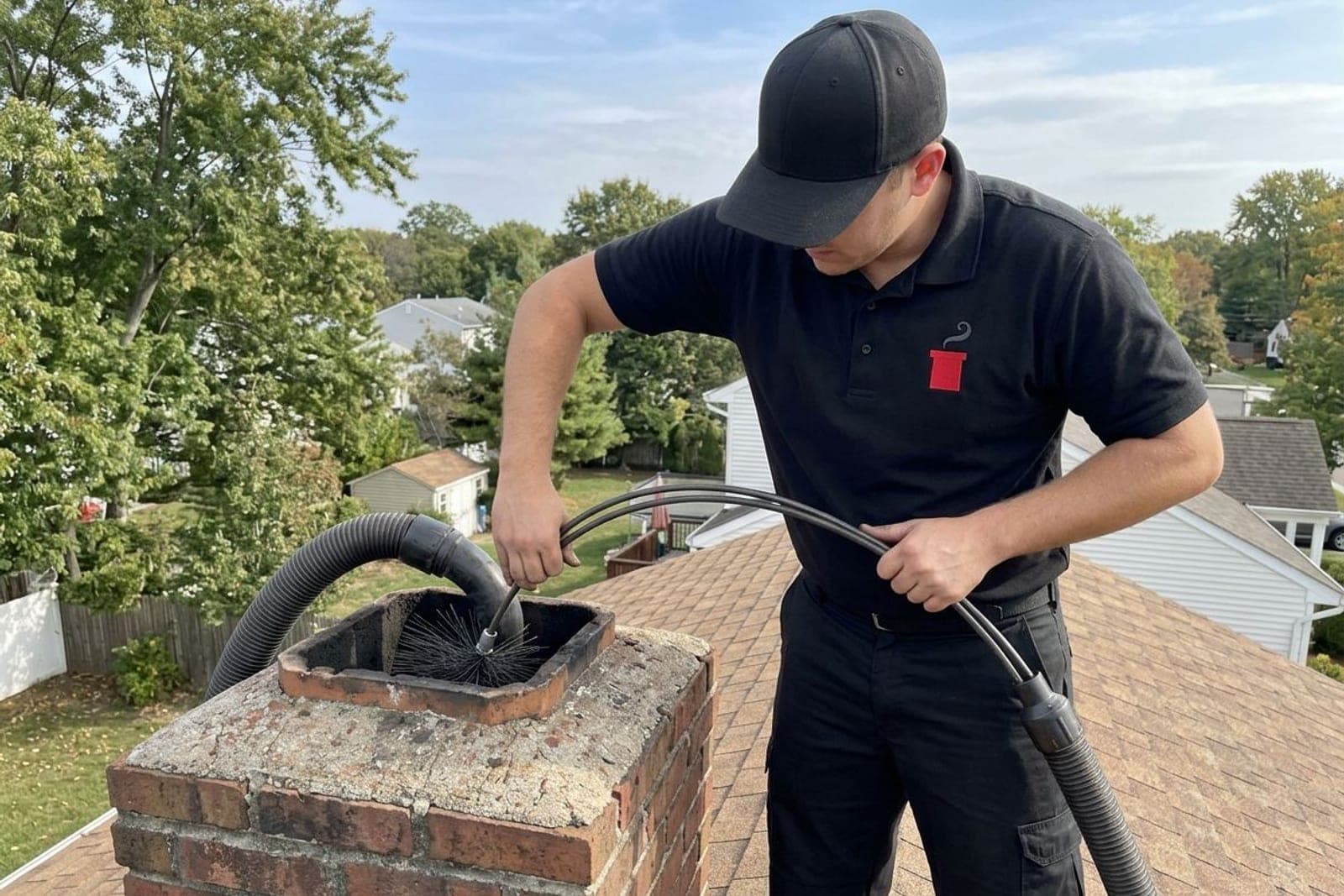 After
AfterWe received a call in late autumn from a homeowner in a classic waterfront property in Forked River, nestled along one of the many lagoons feeding into the Forked River itself. They reported a sudden, noticeable decrease in chimney draw, accompanied by a strange, sticky, almost tar-like residue coating the firebox throat and damper that they hadn't seen before.
- 1
On-site Inspection
$99 plus tax
We started with a thorough inspection of the entire chimney system, from the exterior and crown down to the firebox. Our specialized camera confirmed a significant, thick layer of Type III glazed creosote coating the flue liner, which was the culprit for the restricted draft. This type of creosote is particularly hazardous and difficult to remove.
- 2
Fireplace Isolation & Preparation
included
To maintain a clean environment, we sealed the fireplace opening and hearth area with heavy-duty drop cloths and industrial vacuums, ensuring that no creosote or soot could escape into the living space during the removal process.
- 3
Specialized Creosote Removal
$280
Given the glazed, tar-like nature of the creosote, we employed specialized rotary power-sweeping tools with custom-designed chain whips and brushes. We carefully worked from the chimney top down, systematically breaking apart and dislodging the hardened creosote from the flue walls.
- 4
Final Cleaning and Verification
$70
After the main removal, we used powerful HEPA vacuums to thoroughly clean the smoke shelf, damper, and firebox, removing all dislodged debris. A final camera inspection confirmed that the flue was clear and restored to safe operating condition, allowing for proper draft.
The total for this specialized creosote removal came to $350. This price reflects the additional time and specialized equipment required to safely and effectively remove the extremely stubborn Type III glazed creosote, which is more challenging than typical soot or flaky creosote buildup.
This is a representative crew-written job summary, not a customer review. Photographs of jobs we have actually completed are on our work.
Our Effective Creosote Abatement Process for Forked River
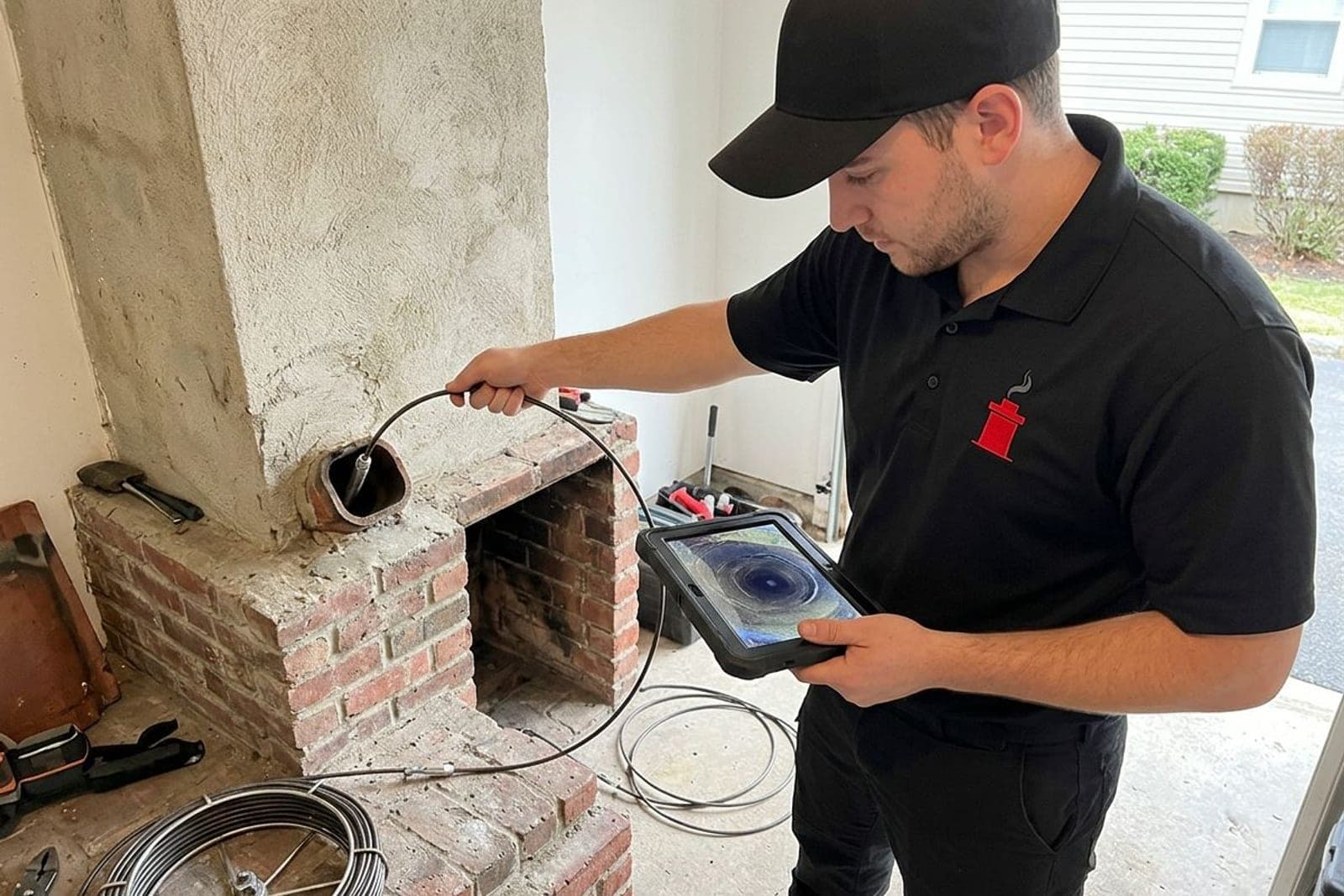 1
1Initial Inspection and Quote
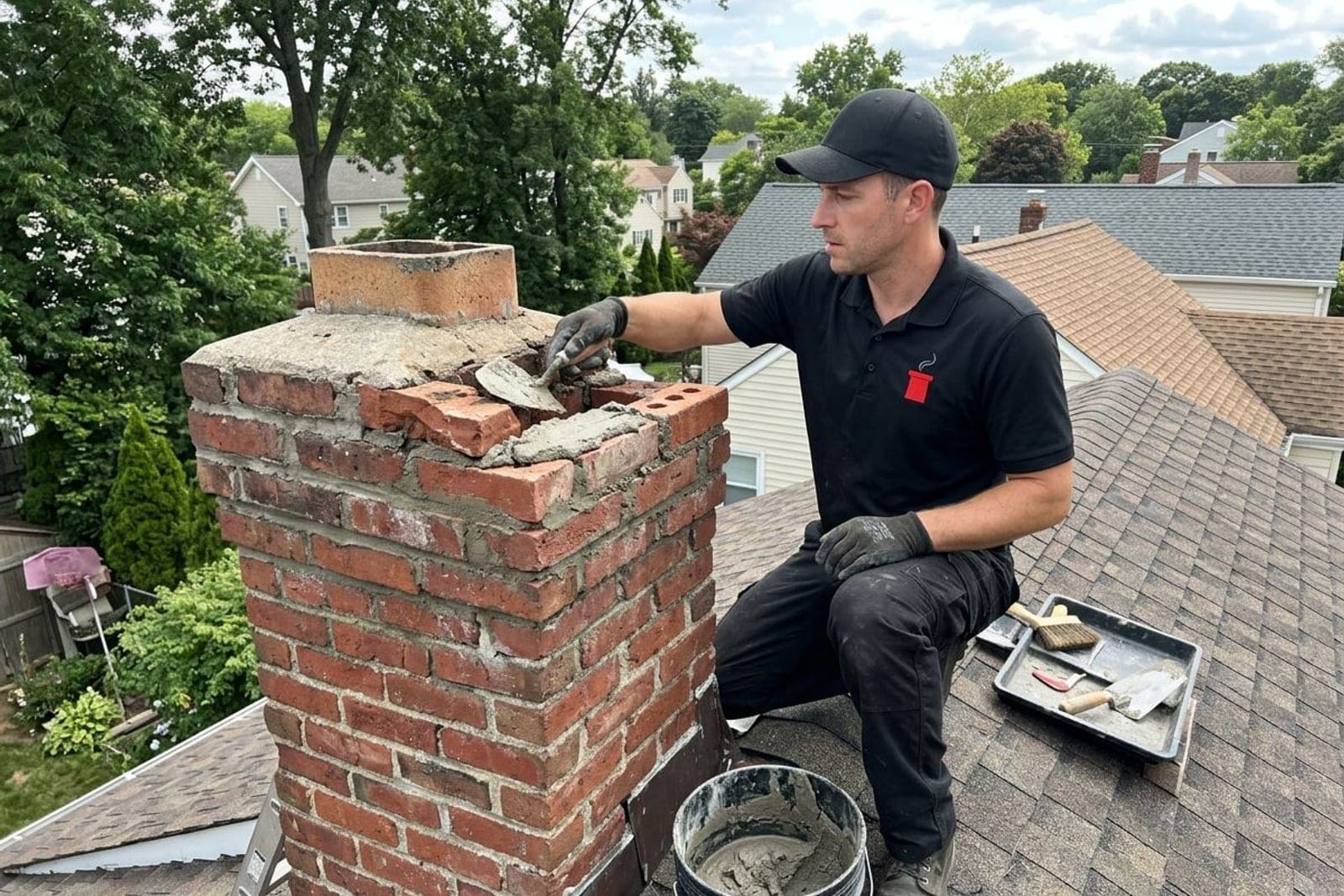
We begin with a comprehensive on-site chimney inspection by a certified technician. This visit is $99 plus tax. You'll receive a detailed assessment and a transparent, written quote.
- 2
Professional Creosote Removal
Our team meticulously performs the creosote removal using advanced tools and techniques tailored to your chimney's specific needs. We ensure thorough cleaning from top to bottom, carefully containing all debris to keep your Forked River home spotless.
 3
3Final Verification and Advice
After the removal, we conduct a final visual or video inspection to confirm the flue is clean and clear. We'll then provide you with essential advice on proper burning practices and future maintenance to prevent excessive creosote buildup.
| Warning Sign | What It Indicates | Action Needed |
|---|---|---|
| Strong, tar-like odor | Hazardous creosote buildup | Immediate inspection advised |
| Visible, glazed deposits | Stage 2 or 3 creosote risk | Professional removal crucial |
| Difficulty starting a fire | Blocked or restricted flue | Prompt assessment needed |
| Excessive smoke indoors | Inefficient draft, flue issue | Inspection to prevent hazards |
| Crackling noises in chimney | Creosote ignition, fire risk | Emergency professional help |
Prices verified on .
Built for Forked River's homes and climate
With roughly 5,274 residents, Forked River keeps us busy year-round. We pair it with Berkeley, Waretown and Lacey on the same route, so creosote removal in Forked River gets scheduled without a long wait.
Forked RiverOcean County, NJ · 39.840, -74.192
Your Creosote Removal Questions for Forked River Homes
Why is creosote removal especially crucial for Forked River homes?
Forked River's bayfront location means higher humidity and salt air, which can accelerate creosote formation in chimneys. Combined with the town's diverse housing stock, including older shore cottages, professional creosote removal is vital to prevent chimney fires and maintain safe, efficient heating systems in our unique coastal environment.
How often should my Forked River chimney be cleaned for creosote?
The NFPA recommends annual chimney inspections and sweeping as needed. For Forked River homes, especially those with frequently used fireplaces or wood stoves, and given the humid conditions, more frequent attention might be necessary. Your annual inspection will determine if a specialized creosote removal is required beyond a routine sweep.
What does professional creosote removal cost in Forked River?
The cost for professional creosote removal in Forked River typically ranges from $200, depending on the severity of the buildup and the complexity of the chimney. Our on-site inspection is $99 plus tax, providing transparent pricing from the start.
What's the difference between a standard chimney sweep and creosote removal?
A standard chimney sweep is for routine maintenance, removing loose soot and minor debris. Creosote removal, however, is a more intensive process targeting hardened, glazed (Stage 2 & 3) creosote using specialized tools like rotary scrubbers or chemical treatments to eliminate severe fire hazards that a basic sweep cannot address.
Can I remove creosote from my chimney myself?
Attempting DIY creosote removal is strongly discouraged due to the specialized tools, expertise, and safety precautions required. Improper removal can damage your flue liner, leave dangerous residues, or even lead to injury. Professional technicians are trained to safely and effectively eliminate all creosote, ensuring your chimney is truly safe.
How does Forked River's specific climate affect creosote buildup in my chimney?
The bayfront climate in Forked River contributes to higher humidity levels, which can lead to creosote condensing more quickly and adhering stubbornly to flue walls. Additionally, the fluctuating temperatures and strong coastal winds can impact chimney draft, potentially leading to less efficient burns and an increase in creosote accumulation, making regular professional attention a must for local chimneys.
Get in touch
- (732) 889-5194
- contact@jerseychimneypros.com
- Based in Lakewood, NJ — serving Forked River
Need your chimney checked in Forked River?
Clear pricing, local scheduling, and honest written recommendations you can trust.
Book your creosote removal in Forked River
Real open times on our crew's calendar — confirmed instantly.
Creosote Removal in Forked River