Forked River, Ocean County
Chimney Relining in Forked River, NJ
For homeowners in Forked River, a bayfront section of Lacey Township, ensuring your chimney is safe and efficient is paramount. Jersey Chimney Pros specializes in expert chimney relining services, protecting your waterfront or lagoon home from the unique challenges of coastal living. We provide durable, code-compliant chimney liner installations designed to withstand the Jersey Shore environment and keep your family safe.
Typical investment
From $1,500
- Local crews
- Licensed & insured
- Documented work
- Fast scheduling
- Serving Forked River and the surrounding Ocean County towns
- $99 inspection, deducted from an approved quote
- Usually on the same Ocean County route as Barnegat Light, Bay Head, Brick
Why Forked River homes need chimney relining
Our local crews are intimately familiar with the diverse housing stock along the Forked River, from charming older shore cottages to more recently rebuilt properties. We understand that years of exposure to salt air and the elements can take a toll on chimney integrity, making thorough inspections and potential relining a critical aspect of home maintenance in this specific community.
We treat Forked River — about 5,274 residents — as home turf, together with Berkeley, Waretown and Lacey next door. That is why chimney relining appointments here fit into an existing route instead of a special trip.
Done by licensed crews
Our own team, never a subcontractor sent by a call center.
Written quote up front
You approve the price before any work begins.
Photo-documented
Before and after photos of every fix, in plain English.
Built for the local climate
Salt air, freeze-thaw and coastal wear factored in.
Ensuring Safe Chimneys in Forked River's Waterfront Properties
Chimney relining involves installing a new, properly sized liner inside your existing chimney flue, creating a safe and efficient pathway for combustion byproducts. This is crucial for homes in Forked River, especially those with older masonry chimneys that may have deteriorated, cracked, or missing liners. A damaged liner can allow dangerous carbon monoxide (CO) to leak into your living space, ignite creosote buildup in chimney walls, or even lead to structural damage from excessive heat or moisture, compromising the safety of your home and family.
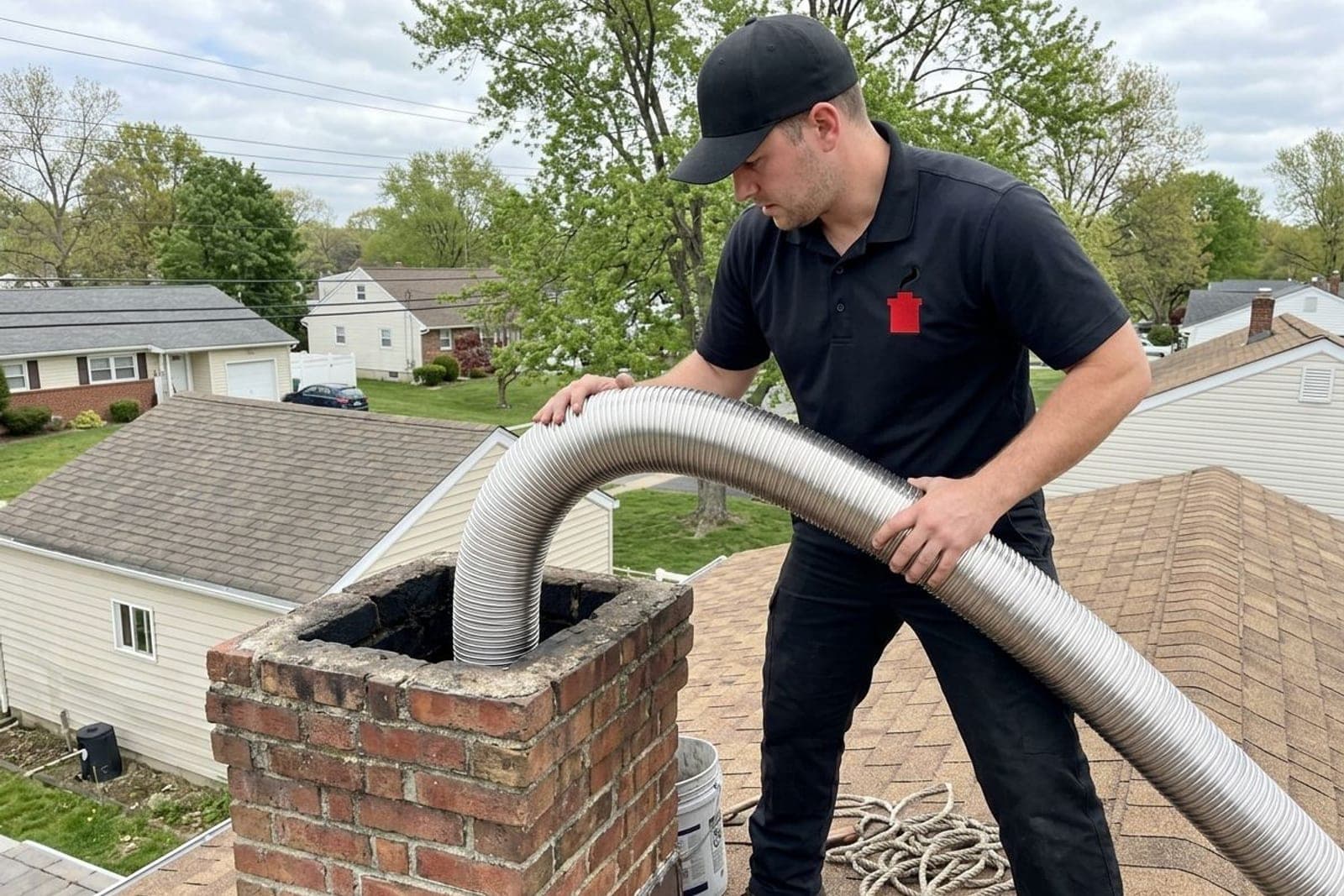
The relining process typically begins with a thorough inspection to assess the condition of your existing flue and determine the appropriate liner type – often stainless steel for its durability against coastal corrosion, or a poured-in-place refractory cement liner for irregular flues. Our certified technicians carefully clean the flue, remove any obstructions or debris, and then install the new liner, ensuring a seamless, airtight seal from top to bottom. This meticulous approach guarantees the new liner meets all safety standards and provides optimal performance for your heating appliance.
The distinctive climate of Forked River, with its high humidity levels near the bay and frequent strong winds, directly impacts chimney performance and longevity. Humidity can accelerate creosote accumulation within the flue, increasing the risk of chimney fires. Furthermore, the constant exposure to salt air and severe weather common to the Jersey Shore demands a robust, corrosion-resistant liner material that can withstand these environmental pressures, particularly for waterfront and lagoon homes constantly battling the elements. Older homes in Forked River, in particular, may have unlined flues or clay tile liners that were not designed for modern heating appliances or the harsh shore environment.
Adhering to safety standards established by organizations like the National Fire Protection Association (NFPA) is non-negotiable for chimney relining. NFPA 211 recommends annual chimney inspections and cleanings, and any detected damage to the flue liner necessitates repair or replacement. A properly installed liner prevents heat transfer to combustible materials in your home's structure and contains toxic gases, including deadly carbon monoxide. Our experts are trained to identify different stages of creosote buildup and recommend relining when existing damage makes safe creosote removal impossible or when the liner is otherwise compromised.
Chimney relining is distinct from a routine chimney cleaning or basic repair. While cleanings remove creosote and blockages, and minor repairs address superficial issues, relining tackles fundamental structural or material integrity problems within the flue itself. If your chimney has extensive cracking, spalling, or an improperly sized flue for your appliance, relining is the comprehensive solution needed to restore safety and efficiency. It’s an investment that prevents more costly and dangerous problems down the line, especially important for the longevity of homes near the Forked River.
The best time to consider chimney relining is typically during the warmer months, allowing ample time for the work to be completed before the heating season begins. However, if you notice any warning signs of a compromised liner – such as strange odors, visible cracks, or poor appliance performance – don't wait. Schedule an inspection immediately. For the 5,274 residents of Forked River, proactive maintenance ensures your home remains a safe and comfortable haven, ready to face the next coastal storm or winter chill without chimney worries.
Scope of Your Forked River Chimney Relining Service
Every chimney relining we do in Forked River includes:
- Professional on-site chimney inspection by certified technicians
- Thorough assessment of existing flue integrity and condition
- Recommendation of appropriate liner material (e.g., stainless steel, poured-in-place)
- Expert installation of the new, code-compliant chimney liner
- Connection of the new liner to your heating appliance
- Post-installation smoke test and integrity check
- Work area cleanup and debris removal
- Detailed explanation of your new liner and its maintenance
Professional, clean, no-mess service.
Critical Clues Your Forked River Chimney Needs Relining
- Visible cracks, gaps, or spalling in the internal flue tiles
- Dampness or efflorescence on the exterior chimney masonry
- Soot or debris falling into the fireplace or stove
- Smoke entering your living space when the appliance is in use
- Unexplained odors, especially when the chimney is not in use
- Rapid creosote buildup despite regular cleanings
- Damage to the chimney exterior after a storm or strong winds
- Poor draft or inefficient performance from your heating appliance
If you notice smoke backup or stage-3 creosote, book immediately.
Book nowUnique Challenges for Forked River Waterfront Chimneys
The bayfront setting of Forked River exposes chimneys to a unique combination of environmental stressors. Consistent salt-laden air accelerates corrosion on metal components and deteriorates mortar joints, while persistent wind-driven rain and nor'easter storm exposure can compromise flue linings. These conditions, combined with the freeze-thaw cycles common in our region, contribute to cracking and spalling that demand professional attention to prevent serious hazards.
A chimney relining job in Forked River — start to finish
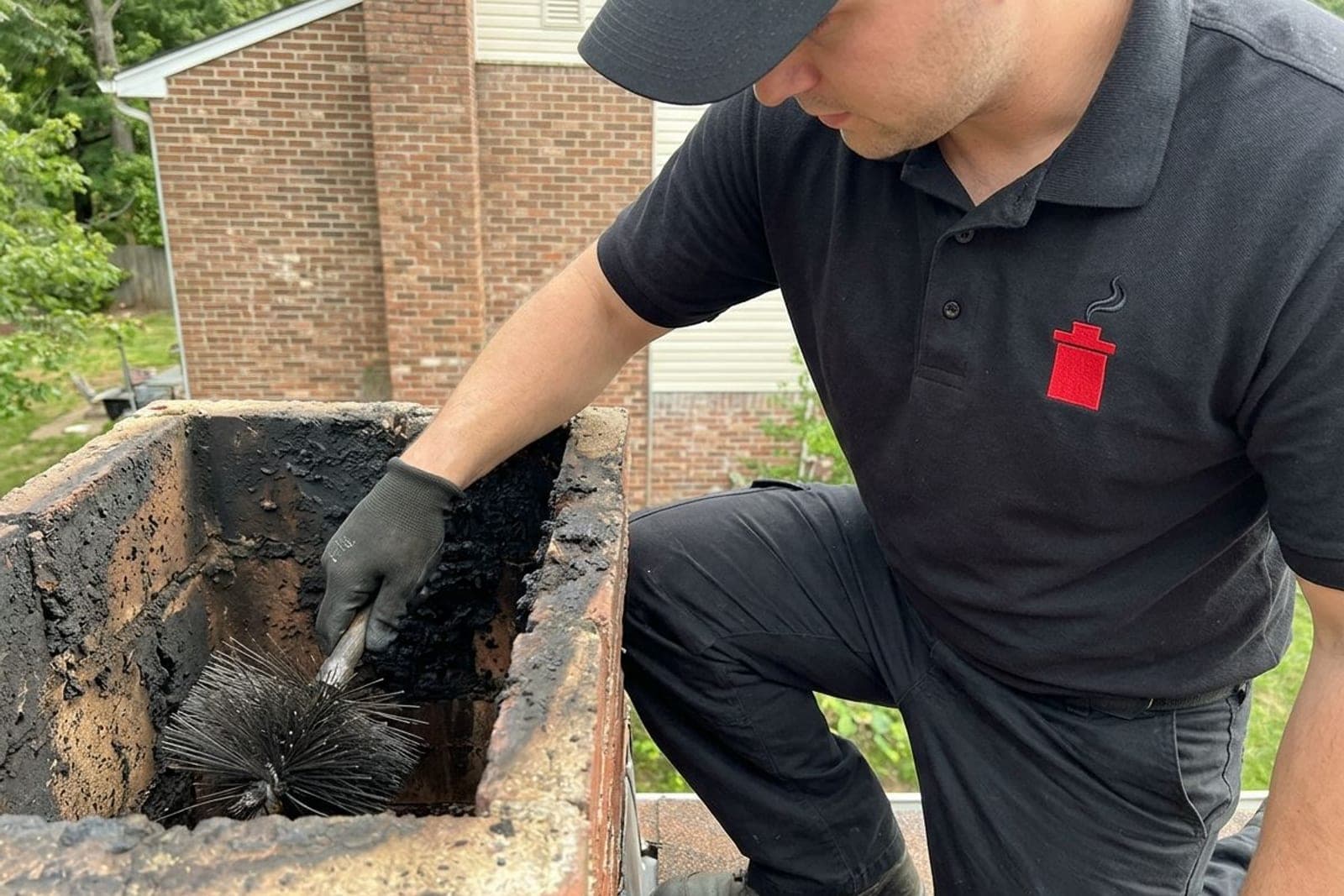 Before
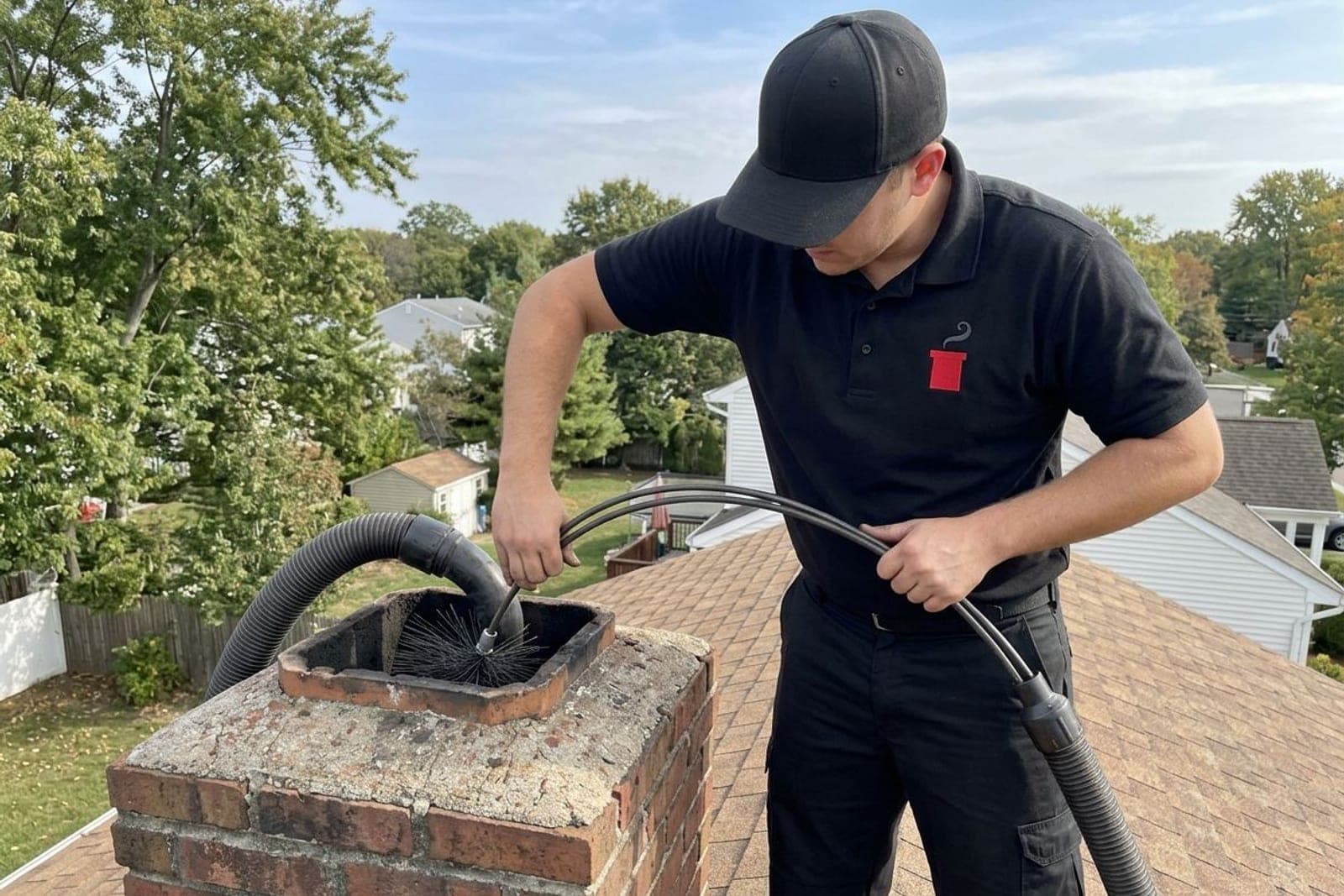 After
AfterWe received a call in early winter from a homeowner in a mid-century waterfront home along the Forked River. They had recently installed a new, high-efficiency wood stove and were experiencing persistent issues with soot and debris falling into the firebox, accompanied by a noticeable, acrid smoke odor in their living room, especially on windy days from the bay.
- 1
On-site Diagnostic Inspection
$99 plus tax
We conducted a thorough Level 2 inspection using our specialized camera system, identifying severe deterioration, spalling, and missing sections within the original clay flue tiles, particularly in the lower sections of the chimney stack exposed to the elements from the bay.
- 2
Flue Preparation & Debris Removal
included
Before relining, we carefully removed all loose debris, broken tile fragments, and significant creosote buildup from the damaged flue. This ensures a clean and stable channel for the new liner installation.
- 3
Stainless Steel Liner Installation
$1900
We installed a new, appropriately sized and insulated stainless steel flexible liner, custom-fitted to the dimensions of the existing flue and the new wood stove's requirements. This involved carefully lowering the liner from the chimney top.
- 4
Top Plate, Cap, and Appliance Connection
$301
A new stainless steel top plate and rain cap were installed to seal the top of the chimney and protect the liner. We then securely connected the new liner to the wood stove's flue collar, ensuring a sealed and efficient draft.
The total cost for this complete chimney relining project was $2,350. This falls comfortably within our standard range for similar jobs, reflecting the significant internal damage from years of exposure in a bayfront environment and the need for a robust, insulated stainless steel liner to ensure proper draft for the new high-efficiency wood stove.
This is a representative crew-written job summary, not a customer review. Photographs of jobs we have actually completed are on our work.
How We Relined Your Forked River Waterfront Chimney
 1
1Inspection and Assessment
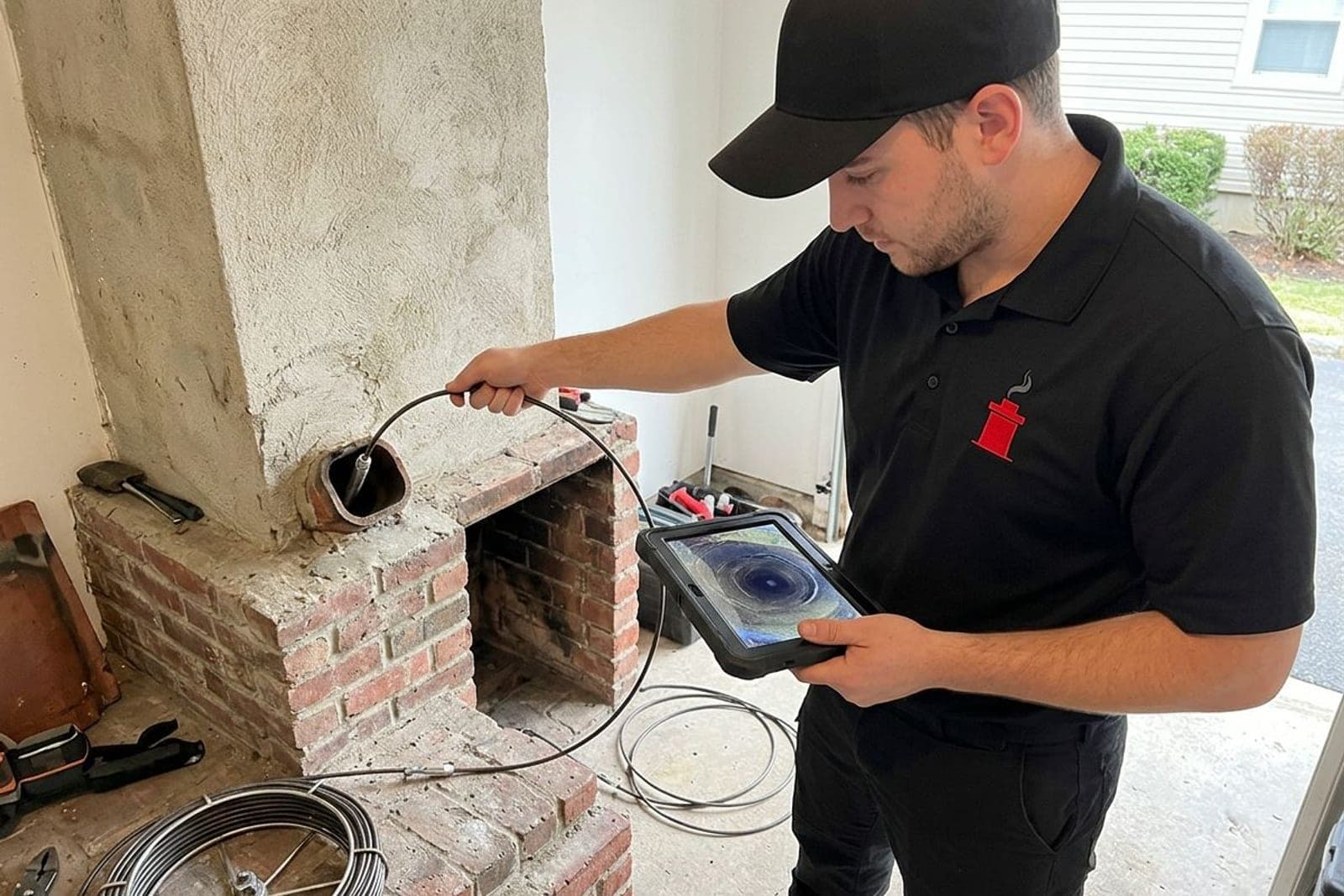
Our certified technicians conduct a detailed inspection of your chimney's interior and exterior. This includes a video scan of the flue to identify any cracks, deterioration, or blockages, allowing us to accurately diagnose issues and recommend the best relining solution for your Forked River home.
- 2
Customized Liner Installation
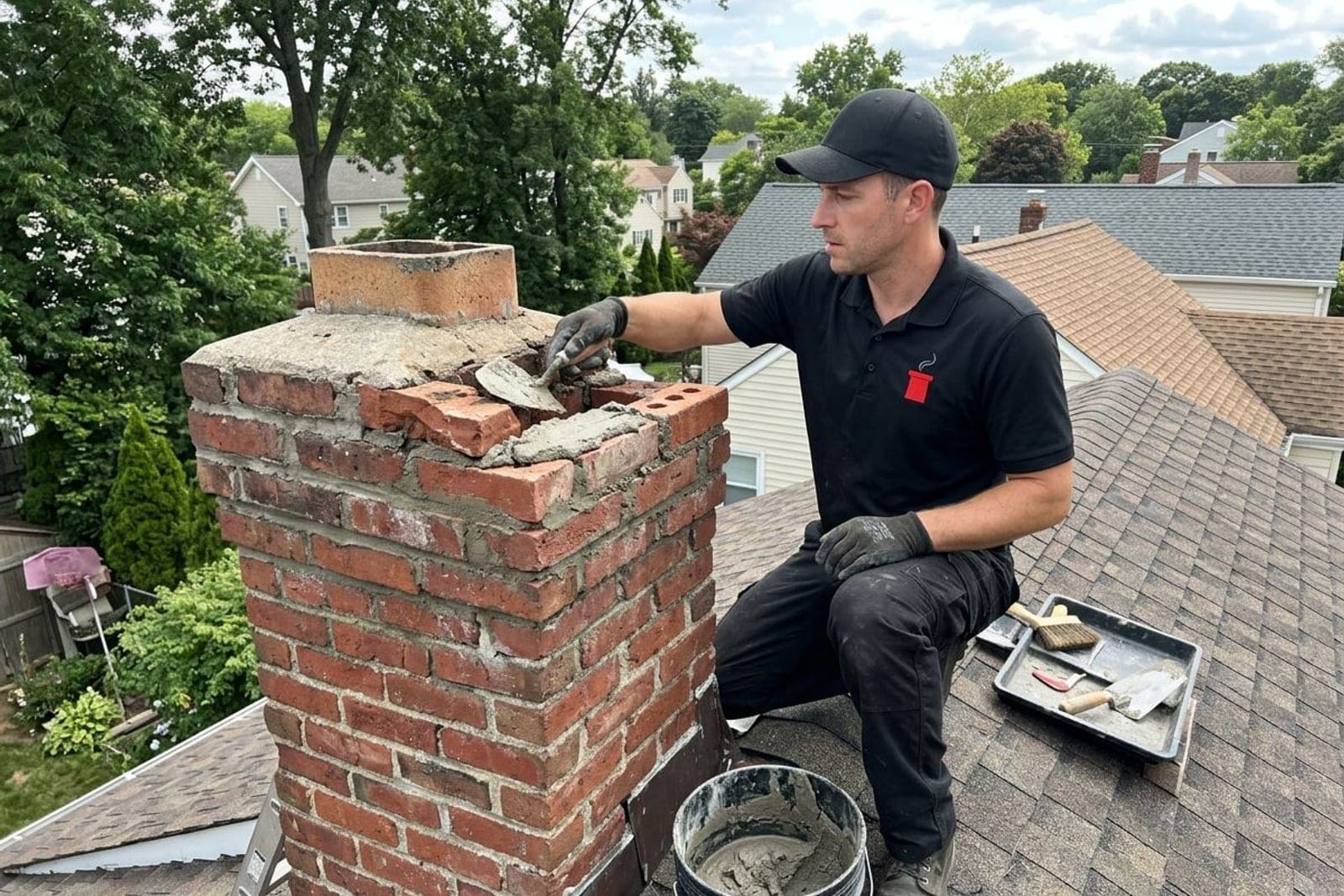
Based on the inspection findings and your specific heating appliance, we install the most suitable liner. Whether it's a durable stainless steel liner or a poured-in-place system designed for older, irregular flues, our team ensures precise installation, creating a continuous, sealed pathway for exhaust gases.
 3
3Final Testing and Warranty
After installation, we perform a smoke test to verify the integrity and proper function of your new liner. We then provide a full overview of the work completed and applicable warranties, ensuring your peace of mind and the long-term safety of your Forked River property.
| Warning Sign | What it Means | Action Needed |
|---|---|---|
| Visible cracks in flue | Compromised liner, CO/fire risk | Inspection, especially near bay |
| Smoke in living space | Dangerous CO risk, poor draft | Immediate inspection |
| Soot or debris falling | Liner deterioration or blockage | Prompt inspection |
| Unexplained odors | CO leak or creosote issue | Urgent inspection |
| Poor draft/appliance fails | Inefficient flue, safety concern | Inspection for coastal wear |
Prices verified on .
Built for Forked River's homes and climate
We treat Forked River — about 5,274 residents — as home turf, together with Berkeley, Waretown and Lacey next door. That is why chimney relining appointments here fit into an existing route instead of a special trip.
Forked RiverOcean County, NJ · 39.840, -74.192
What Forked River Homeowners Ask About Relining
How much does chimney relining typically cost in Forked River?
The cost of chimney relining for homes in Forked River can vary widely depending on the chimney's height, complexity, and the chosen liner material. Generally, homeowners can expect the typical price range to start from $1,500. We provide a detailed quote after a thorough on-site inspection.
Why is chimney relining so important for homes near the Forked River?
The unique coastal conditions in Forked River, including salt air and high humidity, can accelerate the deterioration of chimney liners. Relining ensures that your chimney can safely vent combustion byproducts, preventing leaks of dangerous gases like carbon monoxide into your home and protecting against chimney fires.
How long does a chimney relining project take?
Most standard chimney relining projects in Forked River can be completed within one to three days, depending on the chimney's condition and the type of liner being installed. Our team works efficiently to minimize disruption, and we'll provide a clear timeline during your consultation.
What kind of liners do you install for Forked River properties?
We primarily install durable stainless steel liners, which are excellent for resisting corrosion from the salt air common along the Jersey Shore. For more complex or historical chimneys in Forked River, we also offer poured-in-place refractory cement liners, designed to restore structural integrity and provide a seamless flue.
Is an inspection necessary before getting a quote for relining?
Yes, a professional on-site inspection is crucial to accurately assess your chimney's condition and determine the most appropriate relining solution. The comprehensive on-site inspection is $99 plus tax, while our written quote and online booking remain free.
How often should I have my chimney inspected in Forked River?
The National Fire Protection Association (NFPA) recommends annual chimney inspections for all heating systems. For Forked River homes, especially those frequently exposed to coastal weather, regular inspections are even more vital to catch potential issues early and ensure the continued safety and efficiency of your chimney.
Get in touch
- (732) 889-5194
- contact@jerseychimneypros.com
- Based in Lakewood, NJ — serving Forked River
Need your chimney checked in Forked River?
Clear pricing, local scheduling, and honest written recommendations you can trust.
Book your chimney relining in Forked River
Real open times on our crew's calendar — confirmed instantly.
Chimney Relining in Forked River