Creosote Removal cost · Ocean & Monmouth County, NJ
How much does creosote removal cost?
$200–$800
Creosote removal starts around $200 and commonly runs to $500 in New Jersey, above the price of a standard sweep. The reason it is priced separately is that hardened, glazed creosote does not brush off — it needs chemical treatment or rotary work, sometimes over more than one visit. This is the deposit that causes chimney fires.
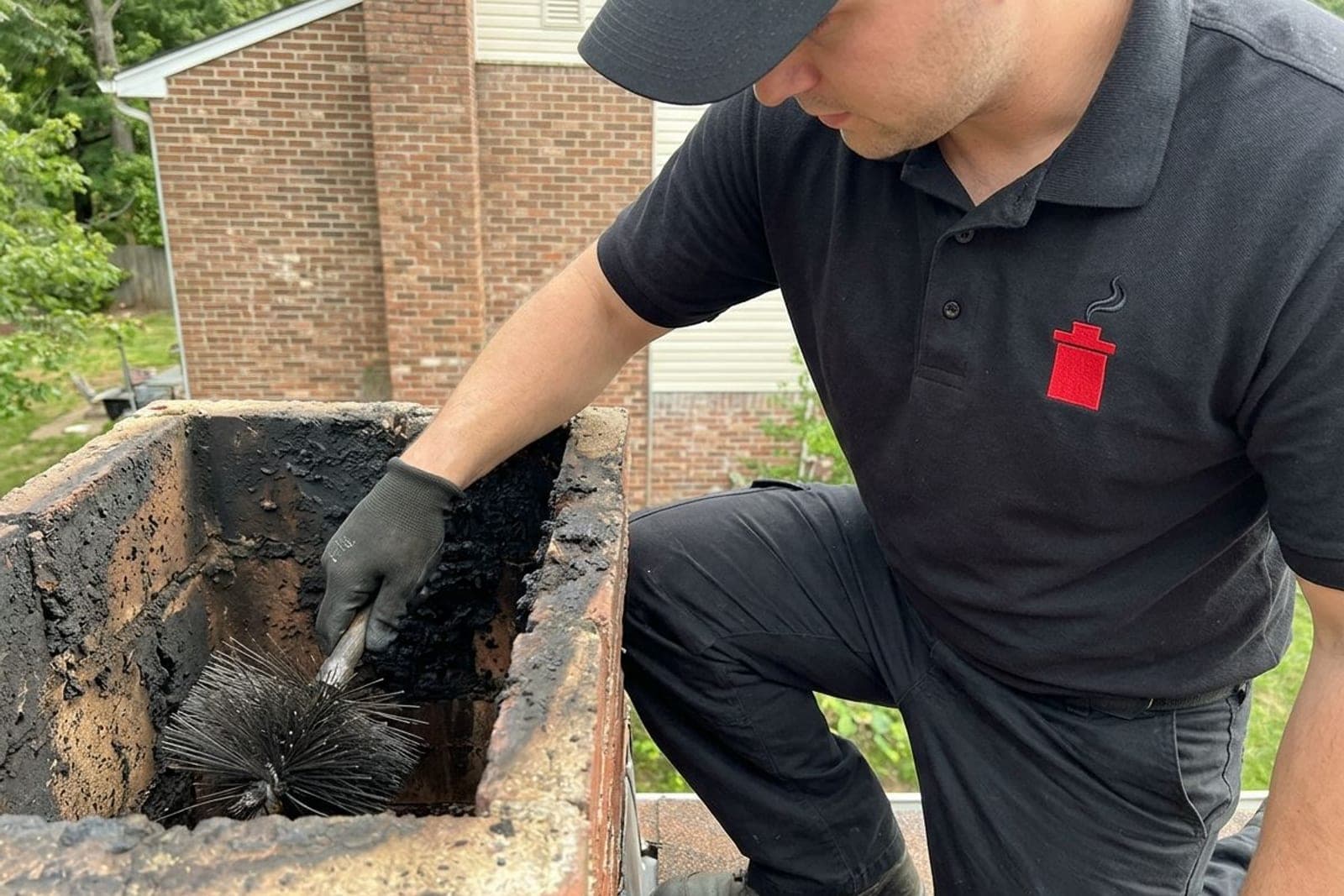
- $200–$800 — typical 2026 range in Ocean & Monmouth County
- $99 inspection, deducted from an approved quote
- Written quote before any work starts — you approve the price
creosote removal cost in New Jersey
Honest pricing. No surprises.
Every chimney is different. Final pricing is based on your chimney's condition, height, accessibility and the type of work needed.
| Factor | What it changes |
|---|---|
| Degree of creosoteBiggest swing | First degree is a light soot a brush removes on a normal sweep. Second degree is flaky and tarry. Third degree is a hard glaze — that is the expensive one, and the dangerous one. |
| How much of the flue is affected | A glazed section near the top is quicker than a flue glazed over its full height. |
| Number of visits | Heavy glaze is often treated chemically, left to break down, then removed on a second visit. Anyone quoting a single-visit fix on third-degree glaze is guessing. |
$99 inspection, deducted from an approved quote
Our simple process
From booking to a creosote removal you can trust
A Jackson homeowner books a routine sweep. They burn hard all winter, mostly with the air control damped down overnight to keep the fire in, and the last sweep was four seasons ago. What they expect is a $200 clean.
- 1
Inspection first
Free
The flue is glazed — third-degree creosote, a hard tar-like coating over most of its height. A brush will not touch this, and telling them otherwise would mean taking money for a job that cannot work.
- 2
Chemical modifier applied
$180
A treatment that makes the glaze friable. It has to sit — this is why the job takes two visits and a single-visit quote on glazed creosote is a guess.
- 3
Second visit, rotary removal
$240
Chain and whip heads down the full flue, ten days later. The deposit comes off in flakes rather than dust.
- 4
Re-inspection and cause
included
Camera down the cleared flue to confirm, plus the honest answer: the overnight damping-down is what built it. Burning hotter and shorter prevents the repeat.
$420 across two visits — the upper part of the range, and roughly double a normal sweep. Glazed creosote is the fuel in a chimney fire and it burns hot enough to crack a clay liner, which is how a contained flue fire becomes a house fire. Annual sweeping keeps this at $200.
A representative job of this type, written by the crew that does the work — not a customer review. Photographs of jobs we have actually completed are on our work.
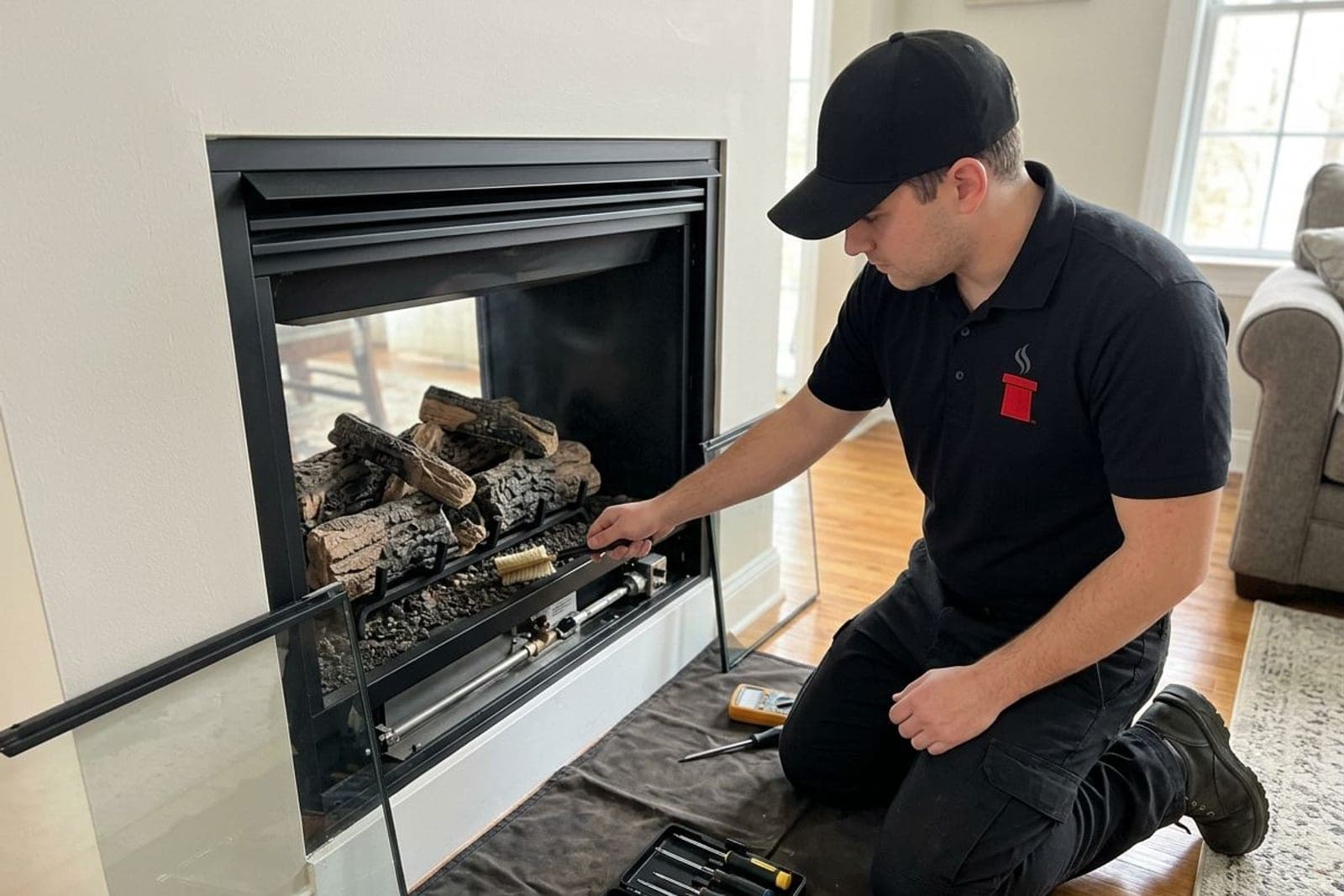
What the price includes
What you get for the price
- Camera assessment to grade the creosote before quoting
- Chemical treatment and rotary removal as the deposit requires
- Re-inspection after removal to confirm the flue is clear
- An honest answer about what caused it — usually unseasoned wood or an oversized flue
Real results
Before & after
Before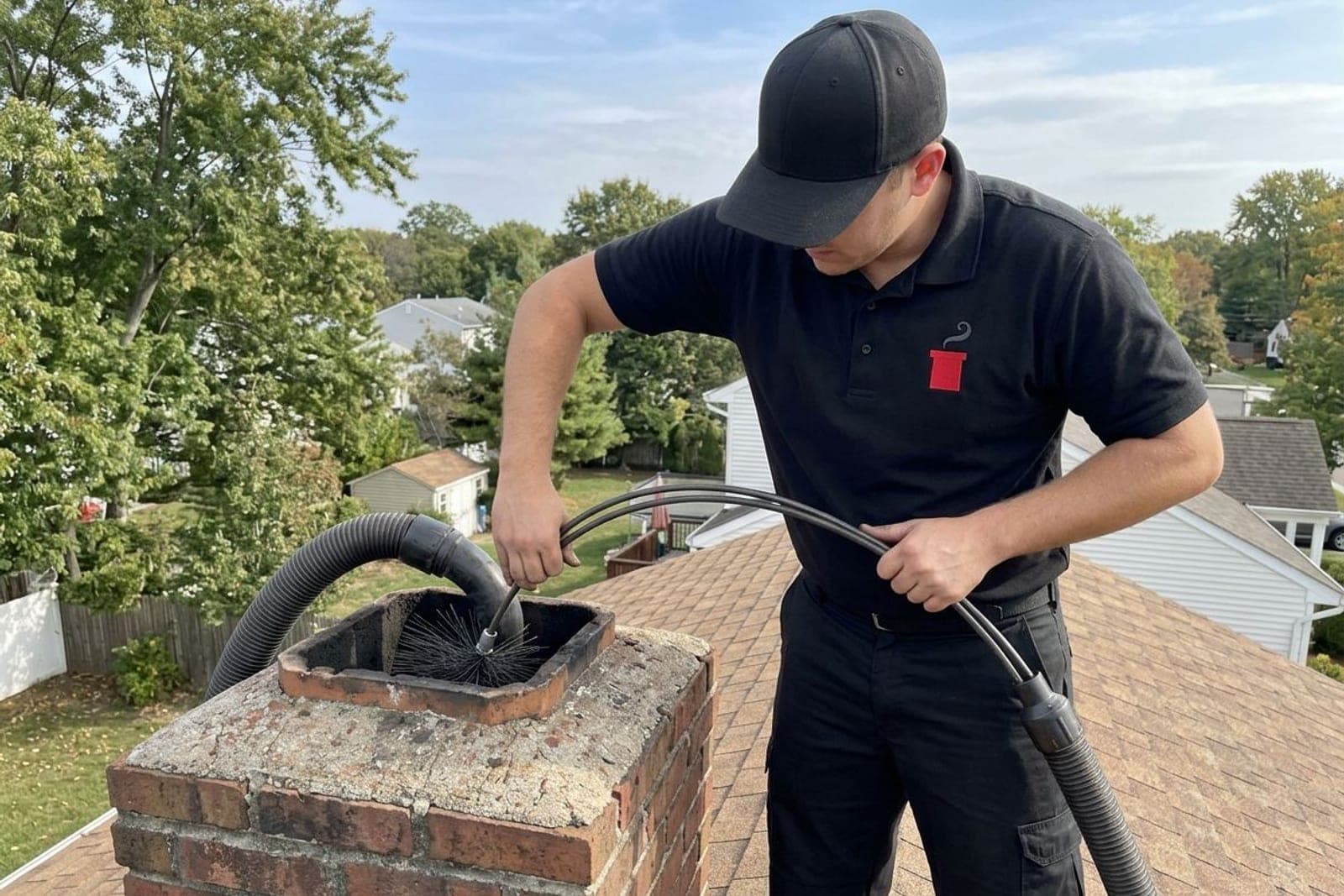 After
AfterHow it compares to the rest
2026 ranges across Ocean and Monmouth County. Creosote Removal is highlighted.
| Service | What we charge | Typical NJ price (2026) | When you need it |
|---|---|---|---|
| Chimney Sweep | $179–$399 | $150–$400 | Annual maintenance, or you burn regularly and it has been a year |
| Chimney Inspection | $99 plus tax | $150–$500 | Buying or selling a house, after a chimney fire, or before a new appliance |
| Chimney Relining | from $1,500 | $1,800–$4,000 | Cracked clay liner, an unlined chimney, or fitting a stove or insert |
| Chimney Repair | from $350 | $150–$4,000 | Cracked bricks, open mortar joints, a leaning or spalling stack |
| Chimney Cap Installation | $200–$700 | $150–$500 | Missing or rusted cap, rain or animals getting into the flue |
| Masonry Repair (Crown / Repointing) | from $400 | $400–$2,500 | Cracked or crumbling crown, failing mortar joints across the stack |
| Chimney Waterproofing | $250–$650 | $200–$800 | Preventive — white staining on the brick, or every 3 to 5 years |
| Chimney Flashing Repair | $300–$1,200 | $300–$1,500 | Water stains on the ceiling around the chimney |
| Gas Fireplace Service | $150–$400 | no NJ data published | Annual service, or the unit will not light or stay lit |
| Creosote Removal | from $200 | $200–$800 | Several seasons since the last sweep, or a hard glaze in the flue |
| Dryer Vent Cleaning | $89–$250 | $100–$250 | Clothes need two cycles, or it has been over a year |
| Air Duct Cleaning | from $500 | $300–$1,000 | After a renovation, after water damage, or every 3 to 5 years |
Market rates observed in Ocean & Monmouth County, NJ, surveyed September 3, 2026 — not our quote. Sources: 1 Hour Chimney (NJ) 2026, All Point Roofing & Chimney (NJ) 2026, Amazon Air 2026, Angi 2026, Clean Air Technologies (NJ) 2026, Doctor Chimney (NJ) 2026, Fireplace Experts 2026, Fixr 2026, HomeGuide 2026, Homeyou (Newark, Hoboken) 2026, Lehigh HVAC 2026, Omega Duct Cleaning (NJ) 2026, R&E Roofing (NJ) 2026.
What New Jersey law says before you pay anyone
- A deposit can never exceed one third of the job
- New Jersey home improvement law (N.J.A.C. 13:45A-16.2) caps the deposit at 33 % of the contract price. If a contractor asks for half up front, or for the full amount before the work is finished, that is not standard practice — it is against the rules.
- Any job over $500 must be in writing
- Above $500 the contractor owes you a written contract with the total price, the work to be done and the start and finish dates. A verbal quote over the phone does not meet that bar.
- You get three days to cancel a contract signed at home
- If you sign in your own kitchen rather than at a place of business, New Jersey gives you three business days to cancel in writing, no reason needed.
- The contractor must be registered with the State
- Home improvement contractors register with the NJ Division of Consumer Affairs and carry commercial general liability insurance. Ask for the registration number before work starts, not after.
Common questions
creosote removal cost — your questions
How much does creosote removal cost?
From $200, commonly $200–$500 in New Jersey. Third-degree glaze needing multiple visits goes higher.
What is the difference between creosote removal and a chimney sweep?
A sweep removes ordinary soot and light first-degree creosote — that is the annual job. Removal as a separate service means hardened second or third-degree creosote that brushing will not shift. If your chimney has not been swept in several seasons, expect the second one.
How do you clean creosote from a chimney?
Light deposits: brushing. Tarry deposits: rotary cleaning with chain or whip heads. Hard glaze: a chemical modifier applied first to make it friable, then rotary removal — usually across two visits. The powdered « creosote sweeping logs » sold in hardware stores can help slightly with light buildup but do not remove glaze, and should never be treated as a substitute for a sweep.
Is creosote buildup dangerous?
Yes — it is the fuel in a chimney fire. Third-degree glazed creosote is highly flammable and burns hot enough to crack a clay liner, which is how a contained flue fire becomes a house fire. It is the single most important reason to sweep annually.
All New Jersey chimney pricesMore chimney questions, answered

Book creosote removal in your town
Ready for a clear, written creosote removal quote?
Book your inspection today — $99 inspection, deducted from an approved quote
- Fast online bookingReal-time availability
- Upfront pricingNo hidden fees
- Local expertsYou can trust
Book an inspection