Lakewood, Ocean County
Gas Fireplace Service in Lakewood, NJ
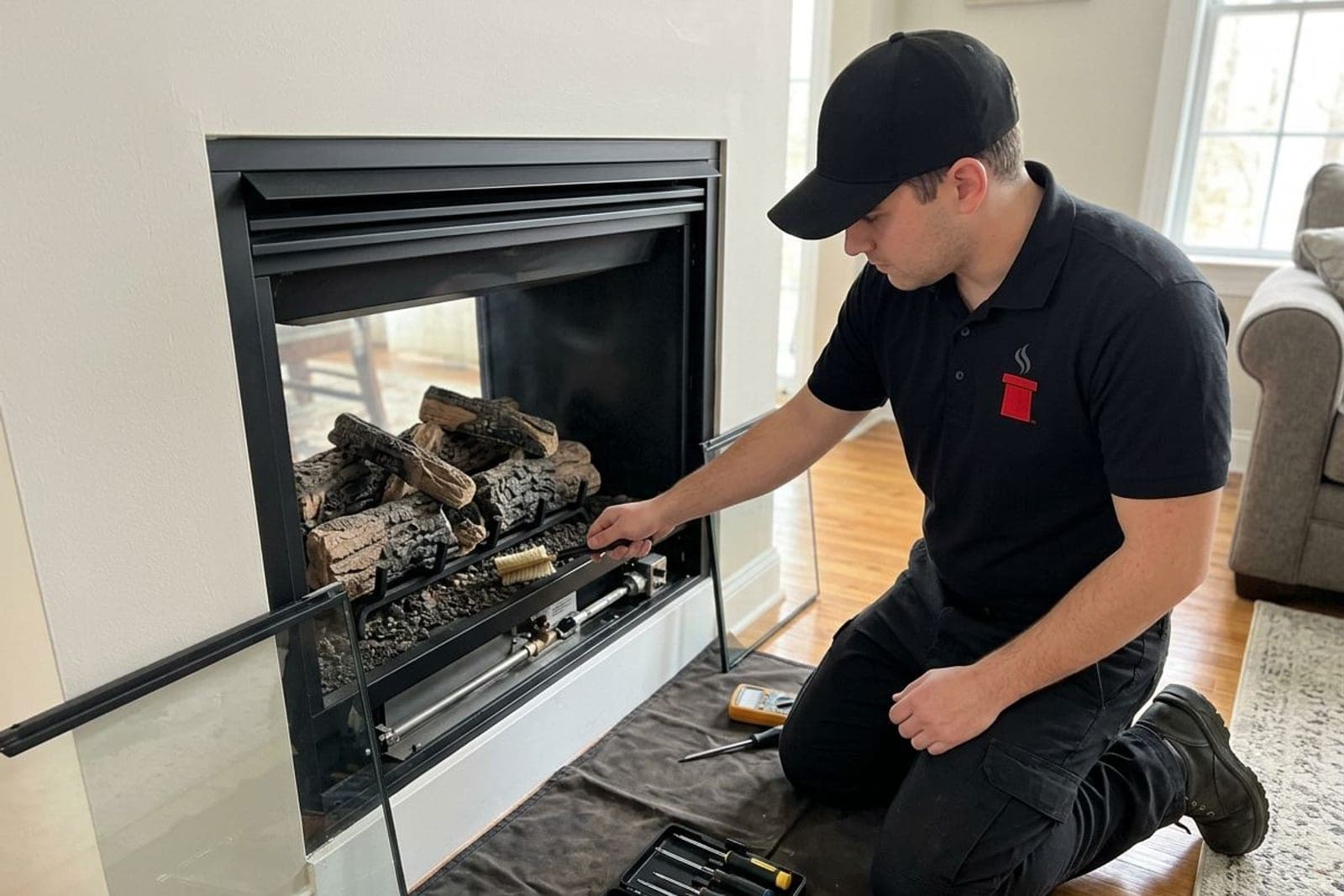
A gas fireplace in Lakewood needs the same seasonal attention as a wood-burning one, just for different reasons: instead of creosote, we're checking burner condition, venting integrity, and the safety controls that shut the unit down if something goes wrong. Whether it's a standalone unit in newer construction or a gas insert fitted into an older home's original masonry fireplace, both need a working flue behind them.
Typical investment
$150–$400
- Local crews
- Licensed & insured
- Documented work
- Fast scheduling
- Serving Lakewood and the surrounding Ocean County towns
- $99 inspection, deducted from an approved quote
- Usually on the same Ocean County route as Barnegat Light, Bay Head, Brick
Why Lakewood homes need gas fireplace service
Lakewood's new construction has brought a large number of standalone, direct-vent gas fireplaces into the township's housing stock, alongside older homes where a gas insert was added into an original masonry fireplace. Both setups need annual service, but the venting check looks different depending on which one you have.
We treat Lakewood — about 135,153 residents — as home turf, together with Howell, Brick and Farmingdale next door. That is why gas fireplace service appointments here fit into an existing route instead of a special trip.
Done by licensed crews
Our own team, never a subcontractor sent by a call center.
Written quote up front
You approve the price before any work begins.
Photo-documented
Before and after photos of every fix, in plain English.
Built for the local climate
Salt air, freeze-thaw and coastal wear factored in.
Gas Fireplace Service for Lakewood's Homes, Old and New
A service visit works through the burner and pilot assembly, tests the thermocouple and safety shutoff, and confirms the unit is fully venting — whether that's through a direct-vent pipe run to an exterior wall or up an existing masonry flue behind a gas insert. Lakewood's steady wave of new construction means a lot of the units we see are only a few years old, but a gas fireplace that's never been serviced can still develop a weak flame, a pilot that won't stay lit, or venting that's partially blocked by debris.
One detail is specific to Lakewood and worth knowing before you replace or upgrade a gas fireplace or the furnace or water heater sharing its flue: the township's Inspections and Construction Department lists a form called "Chimney Verification for Replacement of Fuel-Fired Equipment" alongside the standard building-permit packet. That's a named, standing requirement — not a generic recommendation — that the chimney or flue serving the new equipment be checked before the swap is signed off. It exists precisely because a newer, higher-efficiency gas appliance venting through an older or oversized flue can create a mismatch that a permit inspector is specifically looking for.
This matters most for a gas insert already sitting in a masonry fireplace that was originally built for wood. That flue is often oversized for a gas appliance's exhaust volume, and if it was never properly matched to the insert — a liner sized correctly, or confirmation the flue still meets the manufacturer's venting specification — the unit can underperform or, worse, fail to exhaust combustion byproducts completely. We check that fit on every service call for one of these setups, whether the insert has been in place for one winter or twenty.
For homes with standalone, direct-vent gas fireplaces — common in Lakewood's newer subdivisions — the venting runs through a sealed pipe to an exterior wall rather than up a traditional chimney, and the failure points are different: a bird's nest or debris blocking the exterior vent cap, a cracked glass seal reducing efficiency, or pilot and igniter components wearing out with use. These units are simpler to service but no less important to check annually, since a blocked exterior vent can push combustion gases back into the room instead of outside.
Carbon monoxide is the reason none of this is optional. A gas fireplace that isn't venting completely can allow CO to accumulate in living space well before it's detectable by smell, which is exactly why the township's own permit process ties chimney or flue verification directly to fuel-fired equipment changes rather than leaving it to chance. An annual service visit catches the same kind of venting problem long before a permit-triggering equipment swap would.
The right time to book gas fireplace service in Lakewood is before the first cold snap of the season, so any needed part — a thermocouple, an igniter, a venting adjustment — is replaced or corrected while you still have time to use the fireplace through the winter rather than discovering the problem the first time you turn it on.
Direct-Vent Units on Lakewood's Closest-Set New Lots
Those same zero-lot-line minor-subdivision rules explain why a standalone direct-vent gas fireplace's exterior vent termination on one of Lakewood's newest lots often has less side-yard room to clear than it would on an older suburban lot — something we check before servicing or replacing a unit here, not just assume was handled correctly at installation.
A separate permit also applies to any detached garage or outbuilding on a newer Lakewood lot, and a small gas appliance and vent inside one is sited under the same setback rules as the main house's — one more venting path worth checking on a property with more than one building.
- Source: Township of Lakewood, NJ — Planning Board application forms, accessed 2026-09-18
- Source: Township of Lakewood, NJ — Zoning Department, accessed 2026-09-18
A Construction Wave, One Appliance Model at a Time
Lakewood's Planning Board has kept a formal, on-file growth plan running since 1982 — first the Smart Growth Plan, now the 2017 Master Plan — and that steady development cycle is why whole sections of the township went up within the same handful of years. A standalone gas fireplace installed as part of one of those waves is usually the same model, or close to it, as the ones installed two doors down the same year.
That repetition is what makes a service route through a newer Lakewood section fast: once we've serviced one unit from that construction wave, we already know the burner assembly, the venting layout, and the usual failure points on the next one.
- Source: Township of Lakewood, NJ — Planning Board document list, accessed 2026-09-18
What's Included in a Lakewood Gas Fireplace Service
Every gas fireplace service we do in Lakewood includes:
- Full inspection of burner, pilot, and ignition components
- Cleaning of burner ports and glass to restore full flame appearance
- Thermocouple and safety shutoff testing
- Venting check — direct-vent exterior cap or existing masonry flue, as applicable
- Confirmation that a gas insert's flue is properly matched to the appliance's venting specification
- Carbon monoxide safety check as part of every service visit
Professional, clean, no-mess service.
Signs Your Lakewood Gas Fireplace Needs Service
- The flame burns low and orange-tinged, or won't hold a steady shape
- A pilot light that won't stay lit or is difficult to ignite
- Soot buildup on the glass front or interior of the unit
- A noticeable gas odor when the unit is running or attempting to start
- The unit shuts off unexpectedly during use
- It's been a year or more since the last professional service
If you notice smoke backup or stage-3 creosote, book immediately.
Book nowWhy Gas Fireplaces in Lakewood Need Regular Attention
A gas insert fitted into an older masonry flue built for wood-burning use can be poorly matched to the appliance's actual venting requirements. Lakewood's own permit process addresses exactly this scenario for equipment replacements — we apply the same check during every routine service visit, on any insert setup we're called out to.
How We Handle Gas Fireplace Service in Lakewood
 1
1Schedule Your $99 On-Site Inspection
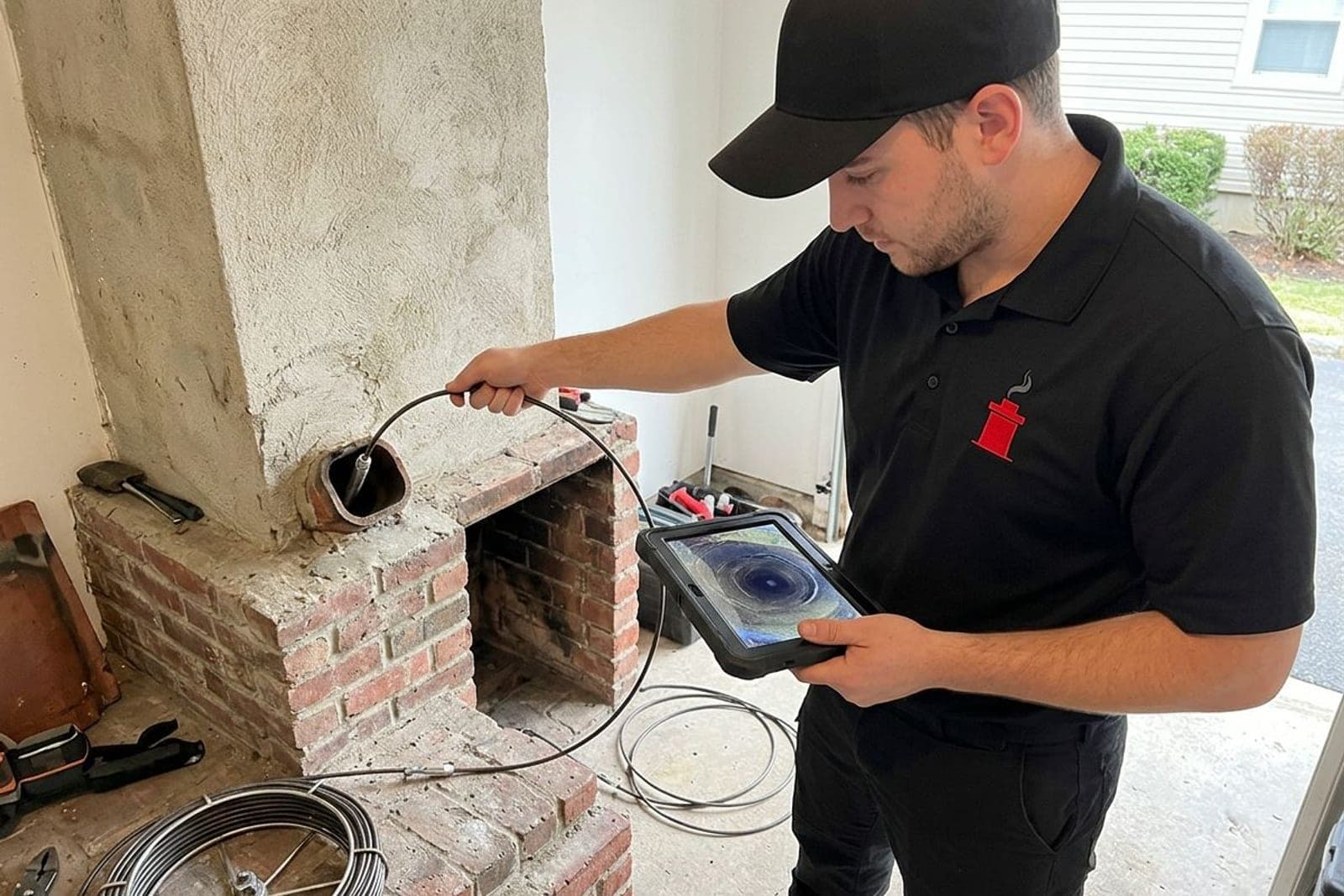
We assess the burner, pilot, safety controls, and venting path — whether direct-vent or through an existing masonry flue. The on-site inspection is $99 plus tax, deducted in full from the quote if you approve the work. The written quote is free, and you approve the price before anything starts.
 2
2Approved Cleaning and Repair
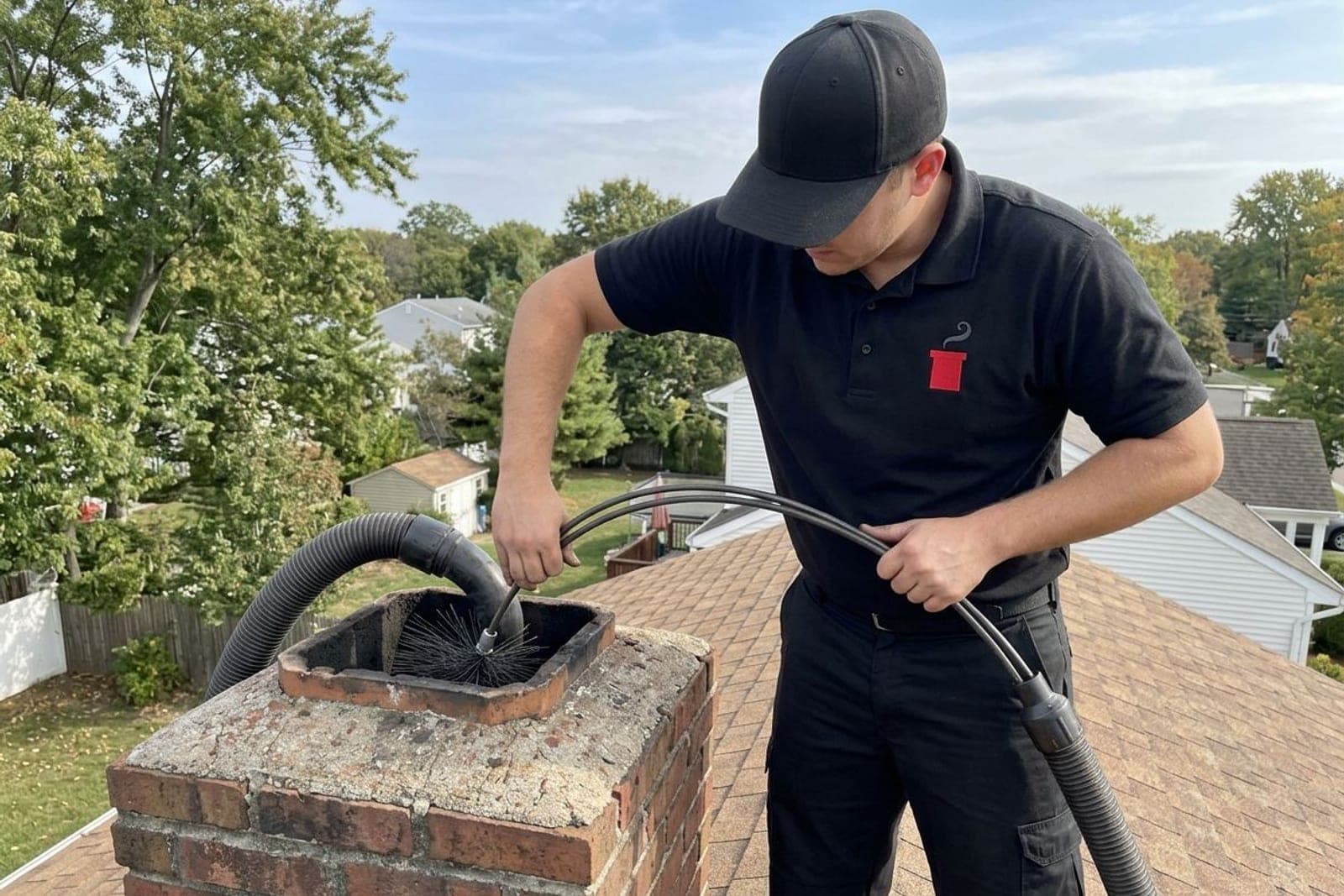
Once you approve the quote, we clean burner components, replace worn parts like a thermocouple or igniter, and correct any venting issue found during inspection.
 3
3Final Safety and Flame Check
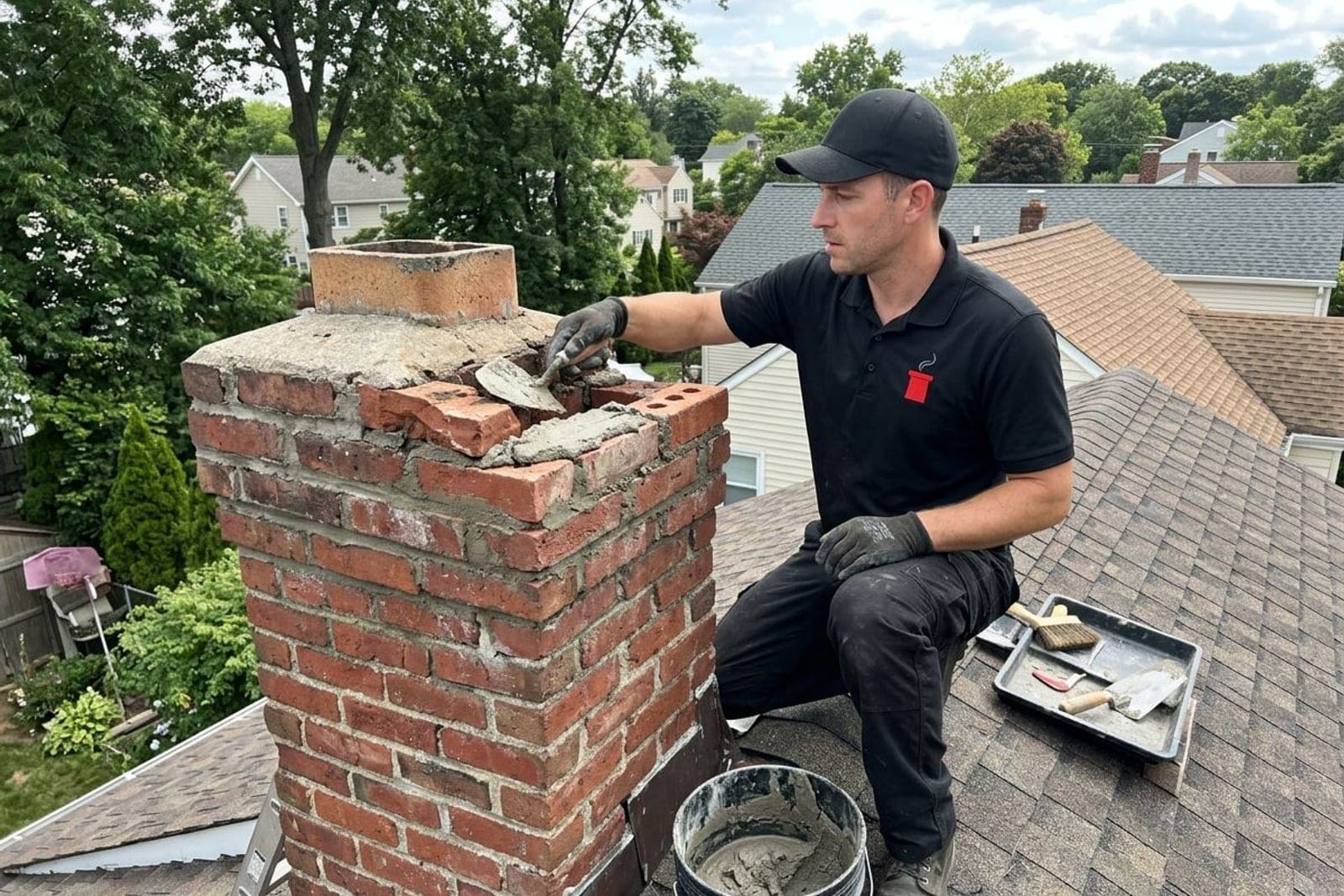
We confirm proper flame appearance, test the safety shutoff, and verify the unit is venting completely before we consider the job done.
| Warning Sign | What It Usually Means | Urgency for Lakewood Homes |
|---|---|---|
| Weak or flickering flame | Burner needs cleaning or gas pressure is off | Moderate — schedule before regular use |
| Pilot won't stay lit | Failing thermocouple or dirty pilot assembly | Moderate — unit won't run reliably until fixed |
| Gas odor near the unit | Possible leak or incomplete combustion | Immediate — stop use, ventilate, call for service |
| Soot on the glass or interior | Incomplete combustion or venting issue | High — check venting before continued use |
| No service in over a year | Safety controls and venting unverified | Moderate — book before heating season |
Prices verified on .
Built for Lakewood's homes and climate
We treat Lakewood — about 135,153 residents — as home turf, together with Howell, Brick and Farmingdale next door. That is why gas fireplace service appointments here fit into an existing route instead of a special trip.
LakewoodOcean County, NJ · 40.098, -74.218
Lakewood Homeowners' Gas Fireplace Questions
How much does gas fireplace service cost in Lakewood, NJ?
Our gas fireplace service in Lakewood runs $150 to $400 for a standard tune-up. The on-site inspection is $99 plus tax, deducted in full from the quote if you approve the work. If a venting correction or flue liner is required beyond a routine cleaning, that gets quoted separately once we've actually seen the unit; there isn't a dependable statewide number for that kind of gas-fireplace repair, so we price it directly instead of pointing you at an outside range.
Do I need a chimney check when replacing my gas fireplace in Lakewood?
Yes. Lakewood Township's Inspections and Construction Department lists a form called "Chimney Verification for Replacement of Fuel-Fired Equipment" as a standard part of the building-permit packet. It's a required check on the flue or chimney serving the new equipment, not an optional recommendation.
Is a gas fireplace safer than a wood-burning one in Lakewood?
It burns cleaner and doesn't produce creosote, but it isn't maintenance-free. A gas fireplace that isn't venting completely can allow carbon monoxide to build up in living space, which is exactly why an annual service visit checks burner, safety controls, and venting together.
My gas insert is in an old masonry fireplace — does that change anything?
It can. A masonry flue built for wood-burning use is often oversized for a gas appliance's exhaust volume, and if the venting was never properly matched to that insert, the unit can underperform or vent incompletely. We check this during every service call on an insert setup, regardless of how long it's been in place.
What are the signs my Lakewood gas fireplace needs service?
A weak or flickering flame, a pilot that won't stay lit, soot on the glass, or any gas odor when the unit runs are the clearest signs. A gas odor specifically means stopping use and calling for service right away.
How quickly can Jersey Chimney Pros service a gas fireplace in Lakewood?
A routine gas fireplace service call, on-site visit included, usually books within a few days of your call. Say so upfront if you're smelling gas or the unit shut off on its own, and we'll move you up the schedule.
Get in touch
- (732) 889-5194
- contact@jerseychimneypros.com
- Based in Lakewood, NJ — serving Lakewood

Need your chimney checked in Lakewood?
Clear pricing, local scheduling, and honest written recommendations you can trust.

Book your gas fireplace service in Lakewood
Real open times on our crew's calendar — confirmed instantly.
Gas Fireplace Service in Lakewood