Mantoloking, Ocean County
Gas Fireplace Service in Mantoloking, NJ
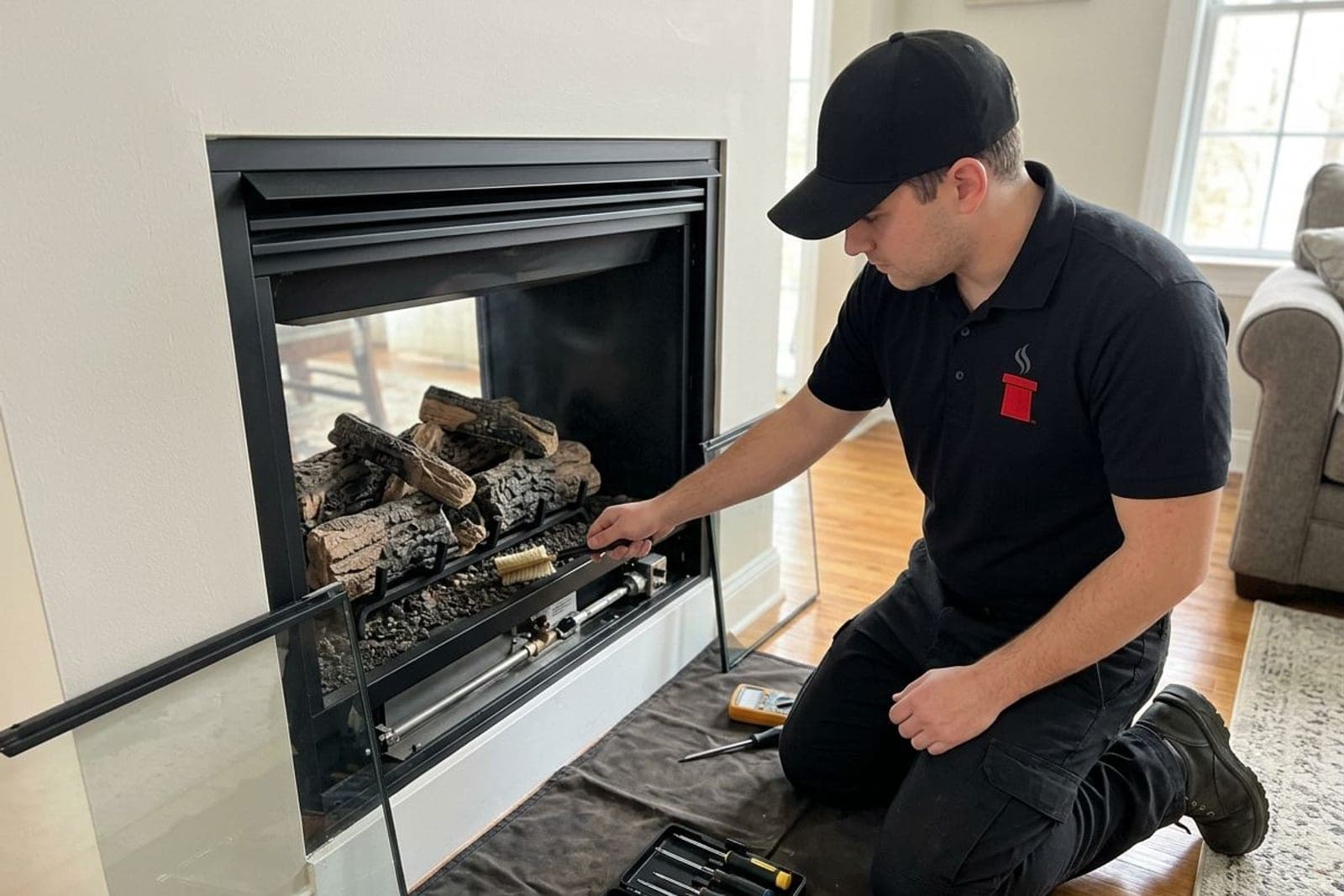
Barely four tenths of a square mile separates the Atlantic from Barnegat Bay in Mantoloking, and that narrow footprint means a gas fireplace's exterior vent is never far from either body of water. Jersey Chimney Pros services gas fireplaces across the borough's oceanfront and bayfront homes, with particular attention to ignition corrosion and the vent terminals exposed to that wind.
Typical investment
$150–$400
- Local crews
- Licensed & insured
- Documented work
- Fast scheduling
- Serving Mantoloking and the surrounding Ocean County towns
- $99 inspection, deducted from an approved quote
- Usually on the same Ocean County route as Barnegat Light, Bay Head, Brick
Why Mantoloking homes need gas fireplace service
A large share of the gas fireplaces we service here sit in homes closed up for stretches of the year, so the first light-up of a season is disproportionately when a problem shows up — not because the unit failed, usually, but because corrosion or dust had the run of an idle system for months. We build that into how we schedule fall service calls in this borough.
With roughly 329 residents, Mantoloking keeps us busy year-round. We pair it with Bay Head, Point Pleasant and Brick on the same route, so gas fireplace service in Mantoloking gets scheduled without a long wait.
Done by licensed crews
Our own team, never a subcontractor sent by a call center.
Written quote up front
You approve the price before any work begins.
Photo-documented
Before and after photos of every fix, in plain English.
Built for the local climate
Salt air, freeze-thaw and coastal wear factored in.
Gas Fireplace Service for Mantoloking's Ocean-and-Bay Homes
A gas fireplace on Mantoloking's barrier island sits in the same setting as everything else on the property: constant salt-laden air moving off the Atlantic on one side and Barnegat Bay on the other, with no inland buffer anywhere in this four-tenths-of-a-square-mile borough. That exposure reaches the components a gas fireplace depends on just as much as it reaches roofing or siding — ignition parts, venting, and any exposed metal — which is why an annual service visit here does more than a routine glance, and a fireplace that's inconvenient to reach for a technician in July is exactly the one an owner wants working without issue over a long holiday weekend in December.
Salt air corrodes the thermocouple, igniter contacts, and exterior vent terminals on a direct-vent unit faster than it would inland, and it also works its way into the sealed pipe runs that carry exhaust to an exterior wall on newer, post-storm homes. A unit that's becoming harder to start, or that used to light on the first try and now takes several attempts, is often showing exactly this kind of corrosion on its ignition contacts rather than a failing part that needs full replacement — and a pilot that keeps going out is frequently the same corrosion working on the pilot assembly itself, not a gas-supply problem.
Many of the borough's gas fireplaces sit in homes rebuilt or elevated after the storm that reshaped this stretch of shore back in 2012 (USGS New Jersey Water Science Center findings, accessed September 2026), and that history is why the Construction and Building Department lists a "Chimney Verification" form apart from the general checklist (mantoloking.org/1302/Forms-Permits, accessed Sept. 2026). If you're replacing a gas insert or its venting rather than servicing the existing unit, that verification step applies to the flue or vent path serving the new equipment, and we flag it before the swap rather than after.
That's on top of the routine work every visit covers: cleaning the burner and pilot assembly, checking gas connections for leaks, testing the thermocouple and ignition system, and confirming the vent — whether it runs up an old masonry flue behind a gas insert or out a sealed pipe to an exterior wall — is clear and drawing correctly. On this stretch of the island, we pay particular attention to the vent termination itself, since it sits directly in the path of wind-driven salt spray. We also confirm the vent isn't restricted in a way that could push combustion byproducts back into the room, a check that matters more, not less, on a direct-vent unit installed as part of a post-storm rebuild, where the run is newer but not necessarily inspected since installation.
Census figures tell the same story from a different angle: a year-round population of 331 in the 2020 count, and by 2024 an American Community Survey tally of 430 housing units with only 192 actually occupied (U.S. Census Bureau figures, data.census.gov, accessed September 2026). A unit idle over a summer or an off-season often needs more attention at first light-up than one used weekly through the winter — corrosion and dust settle in a way that a few minutes of regular use would otherwise keep clear.
We test ignition, check flame color and pattern, inspect the glass and logs, and confirm the unit shuts off cleanly on demand, in addition to the cleaning and gas-line check every visit includes. We also verify gas pressure is within the manufacturer's specification and adjust it if the flame pattern suggests otherwise, since a flame that's too small or too yellow both point back to a pressure or air-mix problem rather than a dirty burner alone. If the vent termination shows the kind of pitting we see often on ocean-facing installs, we address it as part of the same visit rather than sending you back to schedule a second one.
Our gas fireplace service runs $150 to $400 for a standard visit, confirmed in writing after the on-site inspection. The on-site inspection is $99 plus tax, deducted in full from the quote if you approve the work. No reliable published New Jersey market figure exists specifically for gas fireplace repair, so unlike our chimney sweep and chimney repair pricing, we don't have an outside range to cite here — we price the work directly, based on what the inspection actually finds.
A historic-district design board doesn't exist in Mantoloking's code the way it does in Bay Head or Island Heights (ecode360.com/MA4063, accessed September 2026), so a vent modification or a gas insert swap doesn't get reviewed by one in this borough — though larger equipment changes tied to structural work can still run into the flood-hazard rules. We service oceanfront and bayfront properties across this stretch of the barrier island regularly enough to know which side of a Mantoloking address usually means faster wind exposure on the vent, before we've even seen the house. Because so many of the borough's gas fireplaces sit in second homes, we find late summer and early fall — before the first cold snap and before owners return for the season in earnest — the easiest window to get a unit serviced without disrupting anyone's plans.
Salt Air on Ignition Parts and Vent Terminals
A gas fireplace's exterior vent terminal sits directly in the path of whichever direction the wind is blowing salt from that day — the Atlantic on the ocean block, Barnegat Bay on the bay block. That salt reaches the thermocouple and igniter contacts too, working on them from the inside as moisture and residue collect on parts that were never meant to see open-air weather in the first place.
We check the vent terminal screen and the ignition contacts on every visit here before either one becomes the reason a unit won't start, and we treat a stiff or slow-to-catch pilot as a likely corrosion symptom first, not a parts-replacement problem, until the inspection says otherwise.
Newer Venting on Homes Rebuilt Since Sandy
A number of Mantoloking's gas fireplaces sit in homes rebuilt or elevated after Hurricane Sandy pushed across this barrier island in October 2012 (USGS New Jersey Water Science Center findings, accessed September 2026), which means the vent path behind an older-looking shore house can actually be a newer, sealed pipe run installed during that rebuild rather than the original masonry flue.
When we know or suspect a given house went through that rebuild, we trace the vent path directly rather than guessing from the structure's age — a newer direct-vent run behaves differently than an older masonry flue repurposed for a gas insert, and servicing it correctly starts with knowing which one is actually behind the wall.
What a Mantoloking Gas Fireplace Service Visit Covers
Every gas fireplace service we do in Mantoloking includes:
- Cleaning of burner and pilot assembly
- Inspection of gas lines and connections for leaks
- Testing and adjustment of gas pressure
- Thermocouple and ignition system check
- Inspection of vent termination for salt-air corrosion or blockage
- Cleaning of glass, logs, and firebox interior
- Written summary of findings and any recommended repair
Professional, clean, no-mess service.
Signs Your Mantoloking Gas Fireplace Needs Service
- Pilot light that won't stay lit
- Yellow, orange, or unusually small flame
- Difficulty igniting the unit, especially after it's sat unused
- Any gas odor when the unit is running
- Visible corrosion on the vent termination or exposed metal parts
- Soot building up on the glass or logs
- Reduced heat output compared to previous seasons
If you notice smoke backup or stage-3 creosote, book immediately.
Book nowSalt Air, Permits, and Empty Houses: Mantoloking's Gas Fireplace Factors
Direct exposure to salt-laden air corrodes ignition components and vent terminals faster here than almost anywhere else we work in Ocean County, and a share of the borough's gas fireplaces sit in homes rebuilt after Hurricane Sandy with venting that doesn't always match the home's apparent age — both reasons a gas fireplace visit here starts with a closer look than a standard tune-up elsewhere.
A Unit That Sat Idle All Summer
The gap between Mantoloking's housing count and its occupancy runs wide: 430 units total per the 2024 American Community Survey, but only 192 occupied, against a 331-person year-round population in the 2020 Census (U.S. Census Bureau figures, data.census.gov, accessed September 2026).
That idle stretch is exactly when corrosion gets a head start on ignition parts and dust settles into the burner, so the first light-up of the fall is the moment a problem most often surfaces — we plan our September and October schedule here around exactly that pattern.
A gas fireplace service job in Mantoloking — start to finish
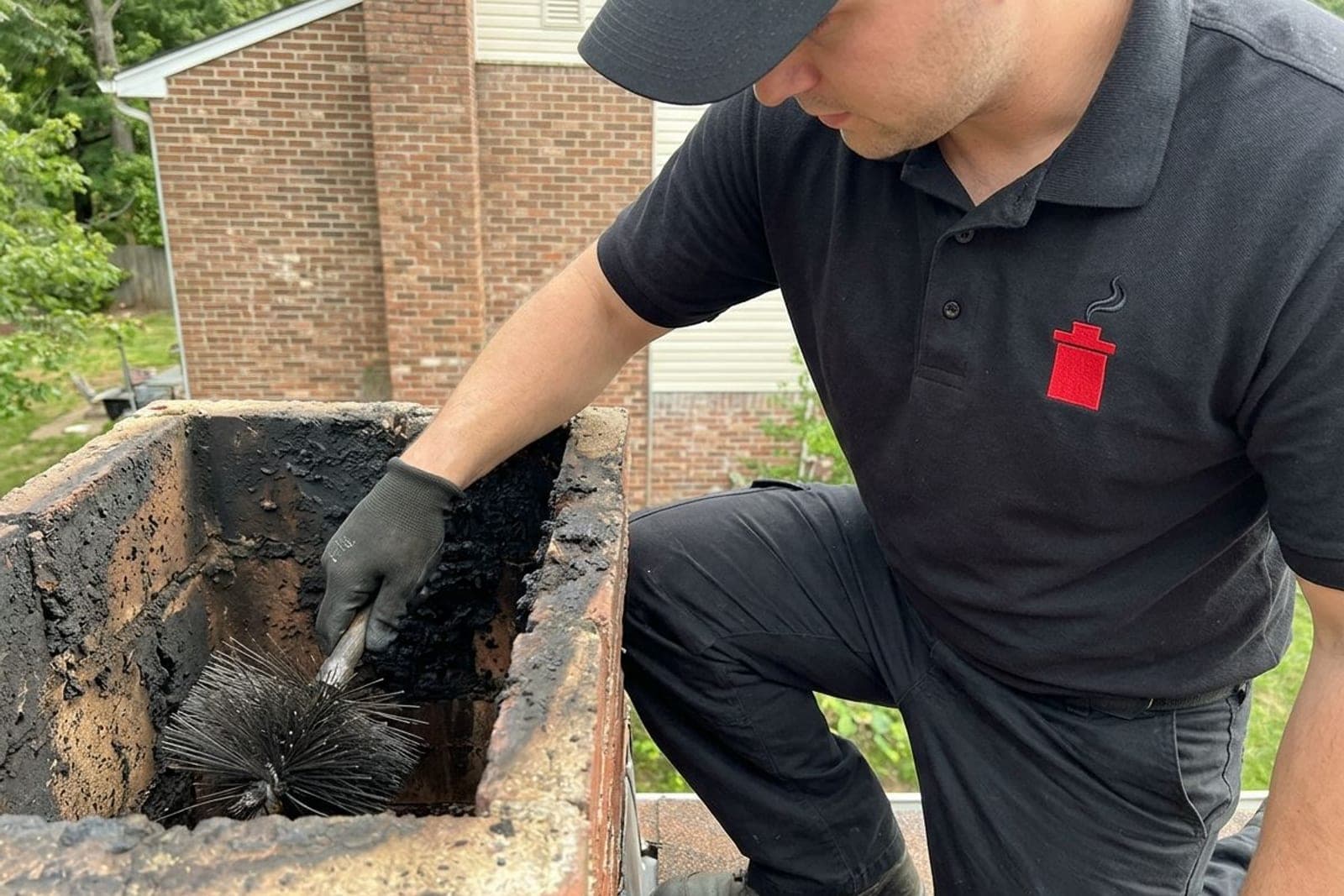 Before
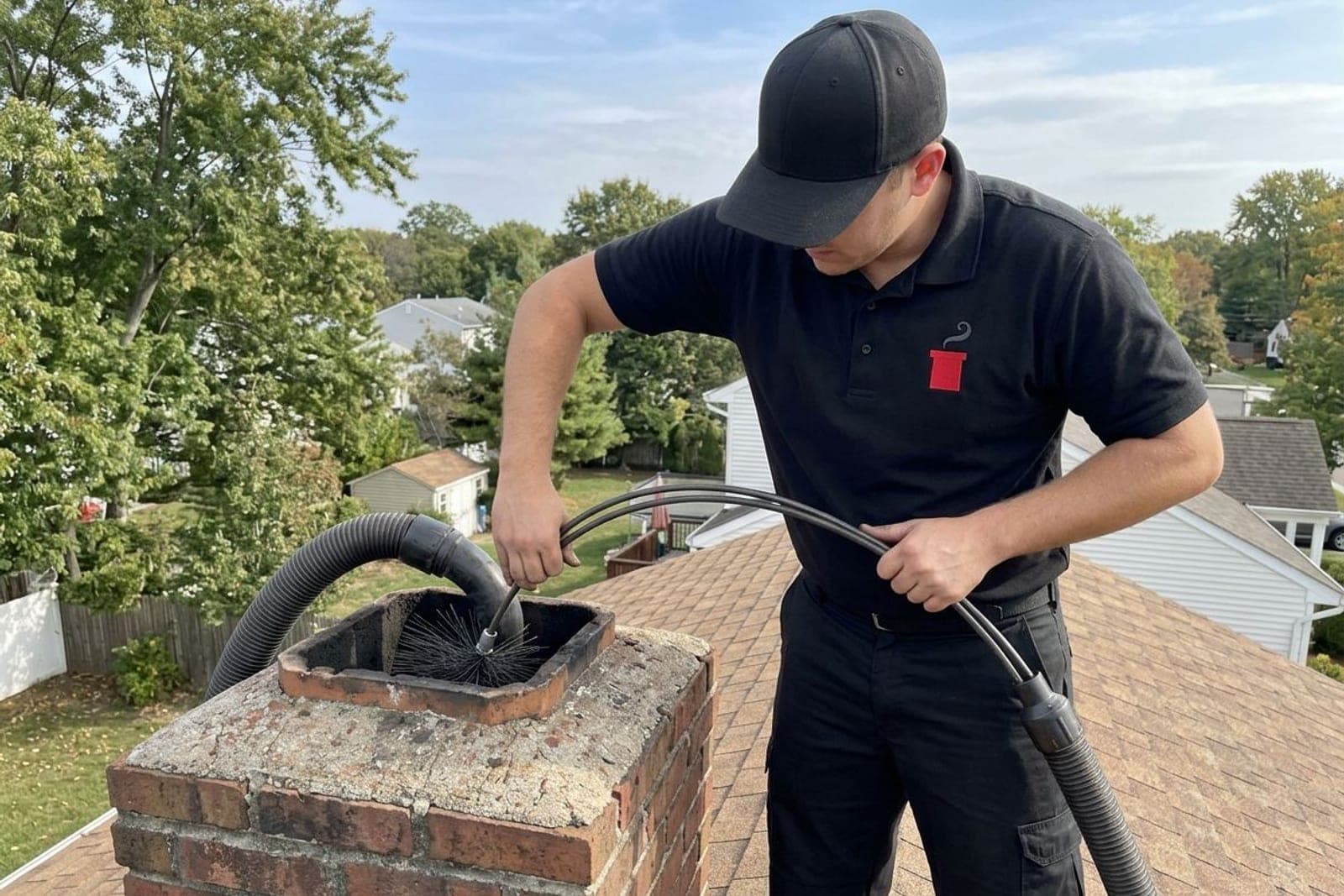 After
AfterA homeowner in an oceanfront Mantoloking rebuild called after their direct-vent gas fireplace, unused since the previous spring, took several attempts to light on the year's first cold night.
- 1
On-Site Inspection
$99 plus tax
We found visible salt-air corrosion on the igniter contacts and confirmed the vent termination, on the ocean-facing wall, was otherwise clear, with the weather seal on the vent cap slightly loosened.
- 2
Igniter Contact Service and Vent Reseal
$185
We cleaned the corroded contacts, applied a corrosion-resistant treatment, tested ignition through several cycles, and reseated the vent cap's weather seal to cut down how much salt-laden moisture reaches the components behind it going forward.
The inspection and the service together came to $284 plus tax, roughly in the middle of what a gas fireplace visit runs, because the underlying burner and gas line were sound — the work was limited to ignition-contact corrosion from a full off-season sitting unused, which is the single most common reason we get called out to oceanfront Mantoloking homes in early winter.
This is a representative crew-written job summary, not a customer review. Photographs of jobs we have actually completed are on our work.
| Warning Sign | Likely Cause | Recommended Action |
|---|---|---|
| Pilot won't stay lit | Corrosion on pilot or thermocouple | Schedule service before next use |
| Difficulty igniting after sitting unused | Salt-air corrosion on igniter contacts | Service before the season's first use |
| Yellow or small flame | Gas pressure or air-mix issue | Book inspection and adjustment |
| Gas odor when running | Possible leak — stop use immediately | Call for immediate service |
| Corrosion on vent termination | Direct salt-spray exposure on ocean-facing wall | Inspect and reseal or replace |
Prices verified on .
Built for Mantoloking's homes and climate
With roughly 329 residents, Mantoloking keeps us busy year-round. We pair it with Bay Head, Point Pleasant and Brick on the same route, so gas fireplace service in Mantoloking gets scheduled without a long wait.
MantolokingOcean County, NJ · 40.038, -74.049
Mantoloking Gas Fireplace Questions We Hear Most
What does gas fireplace service cost in Mantoloking, NJ?
Our gas fireplace service runs $150 to $400 for a standard visit, confirmed after the on-site inspection. The on-site inspection is $99 plus tax, deducted in full from the quote if you approve the work. No reliable published New Jersey market figure exists specifically for gas fireplace repair, so we price the work directly rather than citing an outside range.
Why is my gas fireplace hard to light after not being used for a while?
Corrosion on the igniter contacts and pilot assembly is the most common cause we find here, where salt-laden air works on those parts even faster during the stretches a fireplace sits idle.
Do I need borough approval to replace my gas fireplace or its venting?
Often. The Construction and Building Department lists a standalone "Chimney Verification" form on its Forms & Permits page, and it applies to the flue or vent serving new fuel-fired equipment, separate from the general building permit.
Is my gas fireplace subject to Mantoloking's historic-district rules?
No — Bay Head and Island Heights up the coast both carry a historic-preservation layer that this borough's own code simply doesn't have, so venting or equipment changes here aren't reviewed by a design board.
When should I schedule gas fireplace service in Mantoloking?
Late summer or early fall, before the first cold snap and before many owners return for the season, gives us the easiest window to service a unit that's been sitting unused.
What are the signs my gas fireplace needs service?
A pilot that won't stay lit, a yellow or small flame, difficulty igniting after sitting unused, or any gas odor are the clearest signs — a gas odor means stopping use and calling immediately.
Get in touch
- (732) 889-5194
- contact@jerseychimneypros.com
- Based in Lakewood, NJ — serving Mantoloking

Need your chimney checked in Mantoloking?
Clear pricing, local scheduling, and honest written recommendations you can trust.

Book your gas fireplace service in Mantoloking
Real open times on our crew's calendar — confirmed instantly.
Gas Fireplace Service in Mantoloking