Wall, Monmouth County
Creosote Removal in Wall, NJ
Ensure the safety and efficiency of your fireplace and chimney in Wall, NJ, with professional creosote removal services from Jersey Chimney Pros. As a crucial preventative measure, creosote removal protects your home from fire hazards and ensures your heating system operates cleanly and effectively for years to come. Our licensed experts are ready to serve the varied housing stock of Wall Township.
Typical investment
From $200
- Local crews
- Licensed & insured
- Documented work
- Fast scheduling
- Serving Wall and the surrounding Monmouth County towns
- $99 inspection, deducted from an approved quote
- Usually on the same Monmouth County route as Atlantic Highlands, Brielle, Colts Neck
Why Wall homes need creosote removal
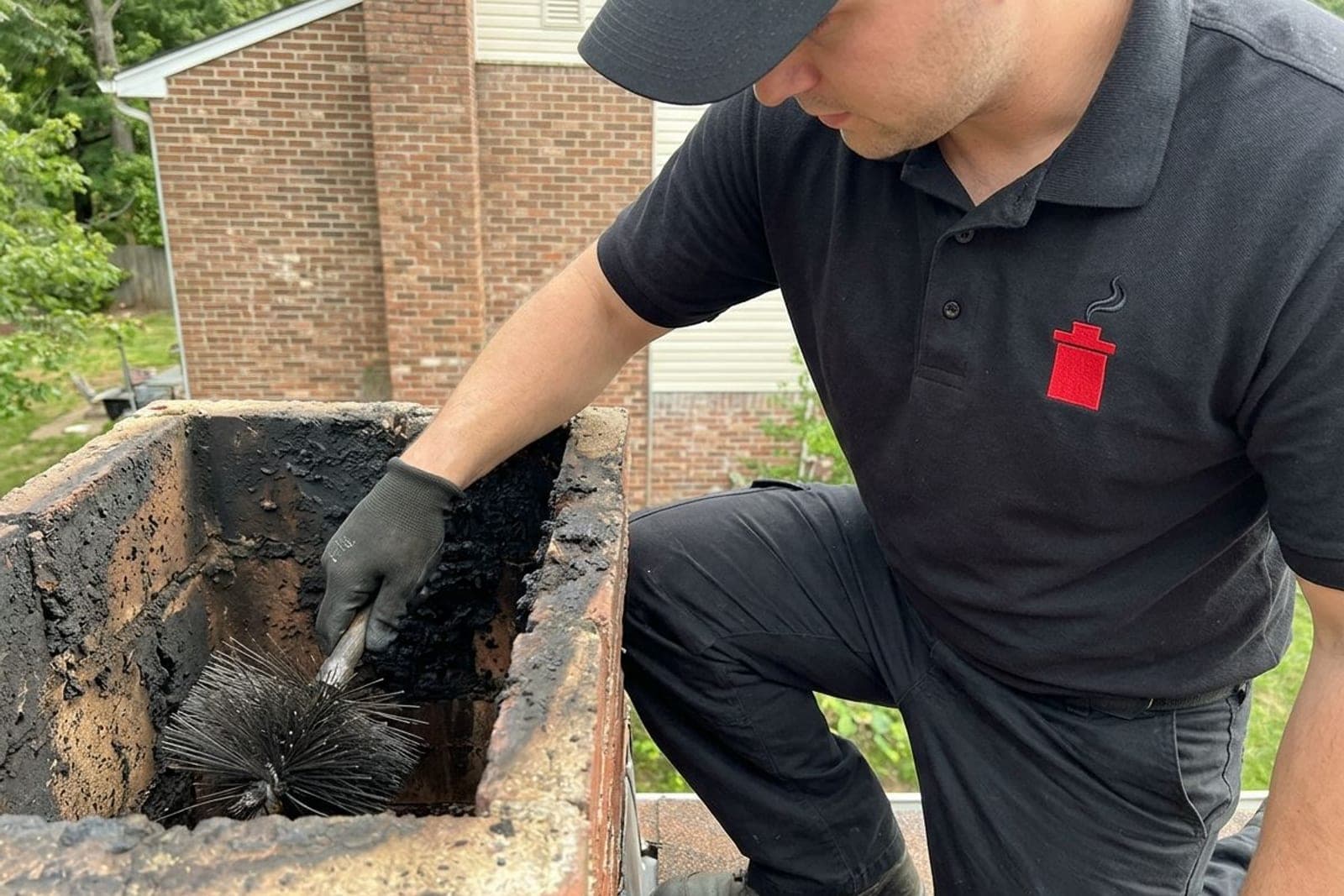
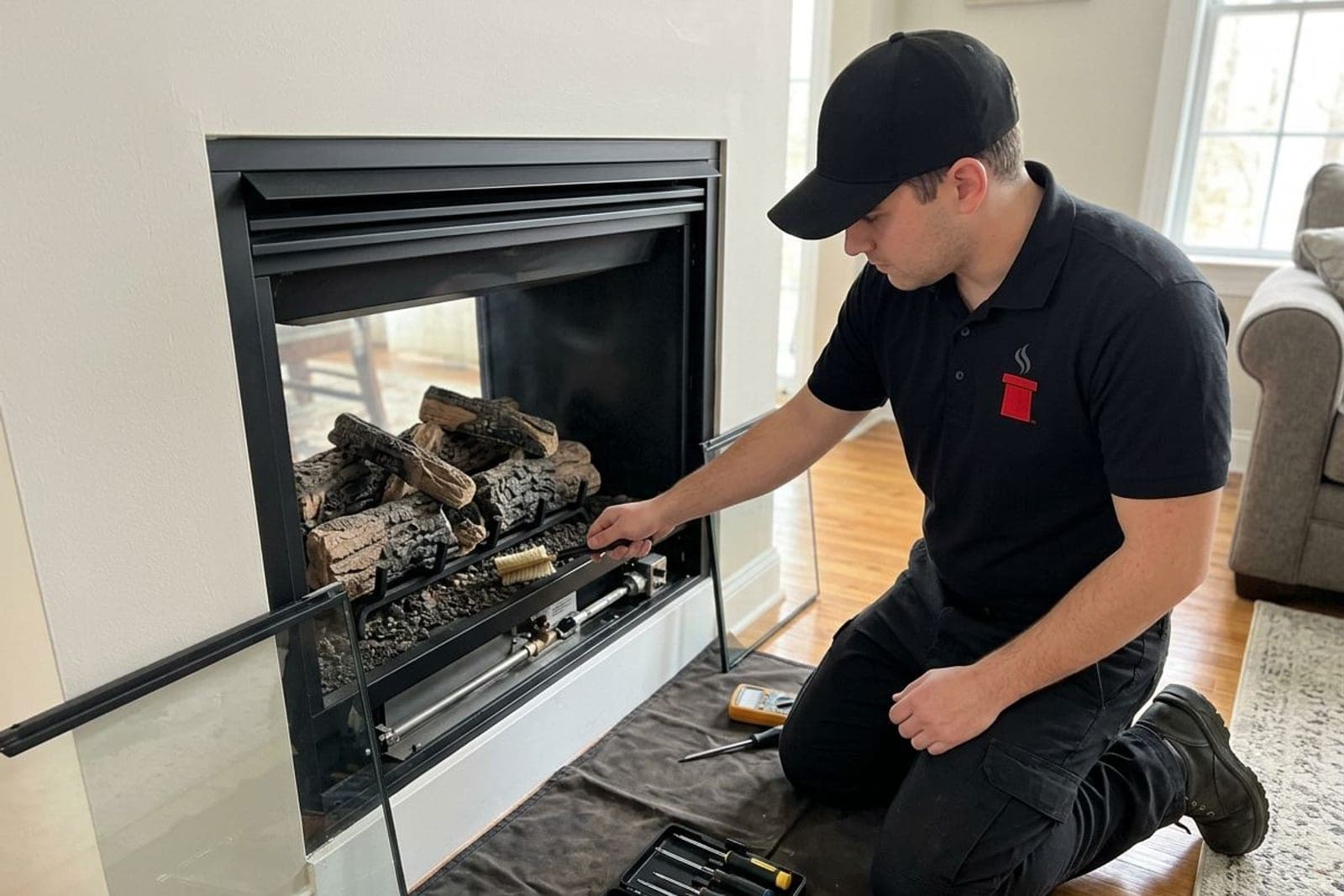
Wall Township's diverse residential landscape, encompassing classic ranches, charming colonials, and more recently constructed homes, often features well-used fireplaces and wood-burning stoves. Our Wall crews understand that these heating systems, while cherished for their warmth, require diligent creosote removal to maintain safe and efficient operation. We carefully inspect for signs of build-up common in homes throughout this Monmouth County community.
Wall counts about 26,530 residents, and we cover it end to end — along with Manasquan, Spring Lake and Sea Girt on the same run. Booking creosote removal here rarely means waiting for a crew to come from far away.
Done by licensed crews
Our own team, never a subcontractor sent by a call center.
Written quote up front
You approve the price before any work begins.
Photo-documented
Before and after photos of every fix, in plain English.
Built for the local climate
Salt air, freeze-thaw and coastal wear factored in.
Ensuring Fireplace Safety for Wall Township Homes
Creosote is a highly flammable byproduct of incomplete wood combustion, accumulating as a tar-like, sticky, or glazed substance within your chimney flue. For Wall residents, whether in a classic ranch or a modern colonial, who cherish the warmth and ambiance of a wood-burning fireplace, professional creosote removal is not merely a recommendation but a critical safety imperative. This specialized service drastically diminishes the risk of dangerous chimney fires, which can rapidly spread and inflict significant structural damage, safeguarding your property and peace of mind in this Monmouth County community.
Our comprehensive creosote removal process extends far beyond a standard chimney sweep, specifically targeting hardened and glazed creosote deposits that resist ordinary brushing. It invariably commences with a thorough Level 1 or Level 2 inspection, utilizing specialized cameras to precisely assess the level and type of buildup, while also identifying any underlying issues with your chimney system. We then deploy advanced tools, ranging from robust rotary cleaning systems to targeted chemical treatments, meticulously chosen to effectively dislodge and eliminate even the most stubborn, dangerous layers, ensuring the flue is restored to its cleanest, safest state.
While Wall Township, situated inland, doesn't contend with the immediate corrosive effects of salt air, its distinct seasonal climate, marked by frosty winters and often humid summers, still profoundly influences chimney health. These temperature fluctuations contribute to the destructive freeze-thaw cycle on masonry, and persistent humidity can significantly accelerate creosote buildup, especially within chimneys experiencing less-than-optimal drafting. Our seasoned technicians are expertly trained to evaluate how these specific environmental factors, coupled with the varied construction ages and methods of Wall's diverse housing stock, impact creosote accumulation and the overall structural integrity of your chimney.
Strict adherence to NFPA 211 guidelines, which mandate annual chimney inspections and cleanings, stands as the cornerstone of fire prevention for Wall homeowners. Creosote accumulates in three distinct stages, from the easily removable Stage 1 flakes to the highly dangerous, glazed Stage 3, which is notoriously difficult to eradicate and presents the most severe fire risk. Beyond the immediate threat of fire, a meticulously cleaned flue guarantees proper ventilation, vigilantly preventing the insidious buildup of colorless, odorless carbon monoxide (CO) – a silent, deadly gas – from migrating into your cherished living spaces.
It's crucial to understand that professional creosote removal is a distinct and more intensive service than a routine chimney sweep, which primarily focuses on removing loose soot and minor debris. This specialized intervention becomes absolutely essential when your annual inspection unveils significant, hardened buildup, or if you begin to notice unmistakable signs of chimney performance degradation, such as a diminished draft, excessive smoke entering your room, or a persistent, acrid odor. For residents across Wall, whether in older ranches or newer homes, the optimal period to schedule this vital maintenance is typically during the less-demanding spring or summer months, ensuring your chimney is impeccably prepared for the next heating season.
Detailed Creosote Removal for Wall Township Homes
Every creosote removal we do in Wall includes:
- Comprehensive Level 1 or Level 2 chimney inspection
- Advanced creosote removal using specialized rotary tools and brushes
- Vacuuming and removal of all dislodged creosote debris
- Protective measures for your Wall home's interior furnishings
- Assessment of chimney liner integrity and flue condition
- Recommendations for preventing future creosote buildup
- Written report detailing findings and work performed
Professional, clean, no-mess service.
Recognizing Creosote Buildup in Your Wall Home
- Strong, tar-like odor emanating from the fireplace or chimney
- Black, flaky, or shiny tar-like residue visible inside the flue
- Reduced draft or smoke spilling back into your Wall home
- Difficulty lighting or maintaining a fire in the fireplace
- Dark smoke issuing from the top of the chimney
- Burning wood inefficiently, leaving unburnt chunks
- Slight rumbling sounds heard during fireplace operation
- More than 1/8 inch of creosote buildup found during self-inspection
If you notice smoke backup or stage-3 creosote, book immediately.
Book nowWall Township's Diverse Housing and Creosote Risks
Though Wall sits inland, away from the immediate salt air of the shore, its local climate still presents conditions conducive to creosote accumulation. High humidity levels, particularly during warmer months, can combine with cooler chimney flues to accelerate creosote formation. Furthermore, the varying ages and designs of chimneys across Wall, combined with diverse burning habits, mean our technicians are prepared for a range of unique creosote removal challenges.
How We Safely Remove Creosote From Wall Chimneys
 1
1On-Site Inspection & Quote
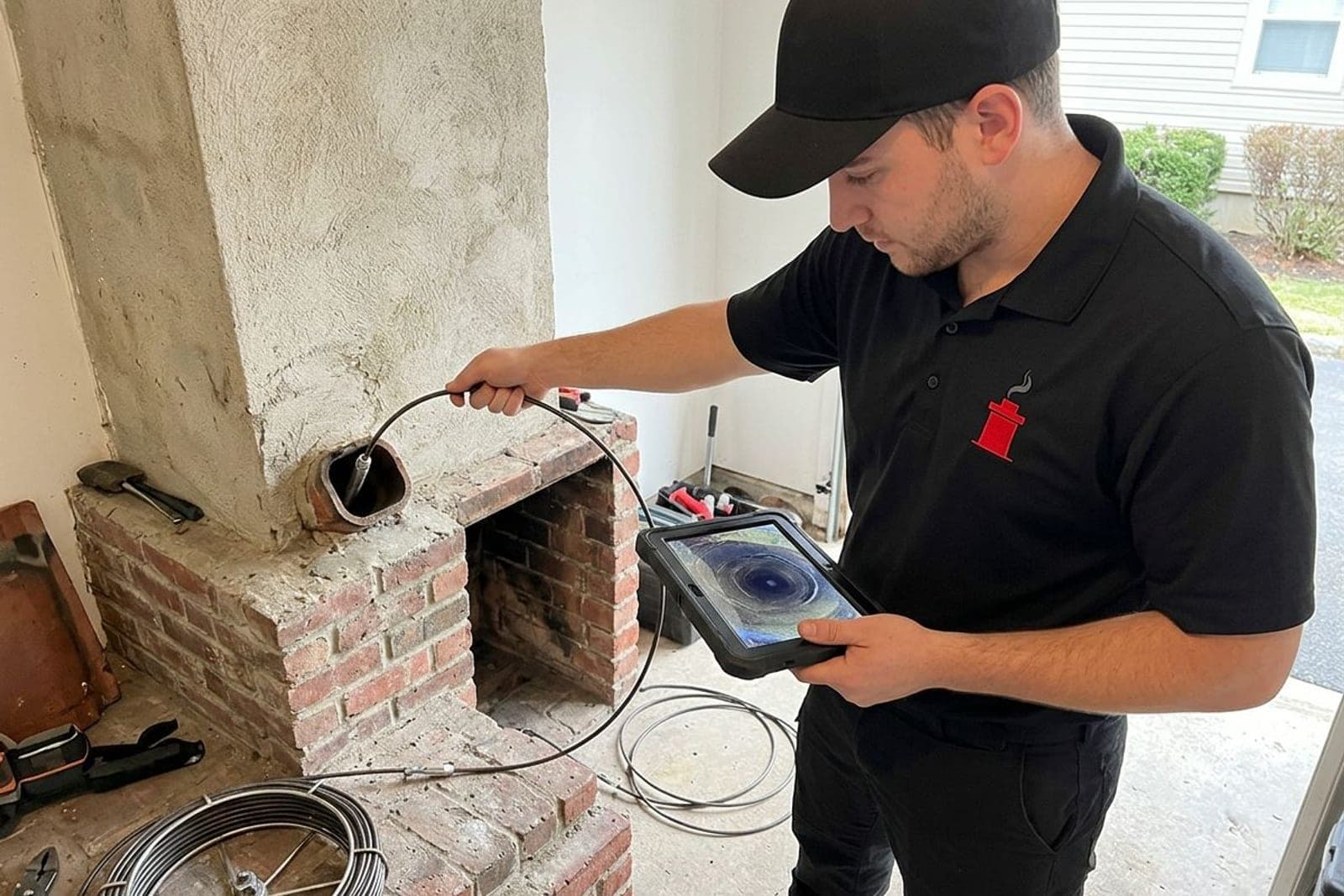
Our certified technician will visit your Wall home to conduct a thorough Level 1 or Level 2 chimney inspection. Our inspection for creosote removal service is $99 plus tax, allowing us to provide a precise, no-obligation written quote.
 2
2Specialized Creosote Removal
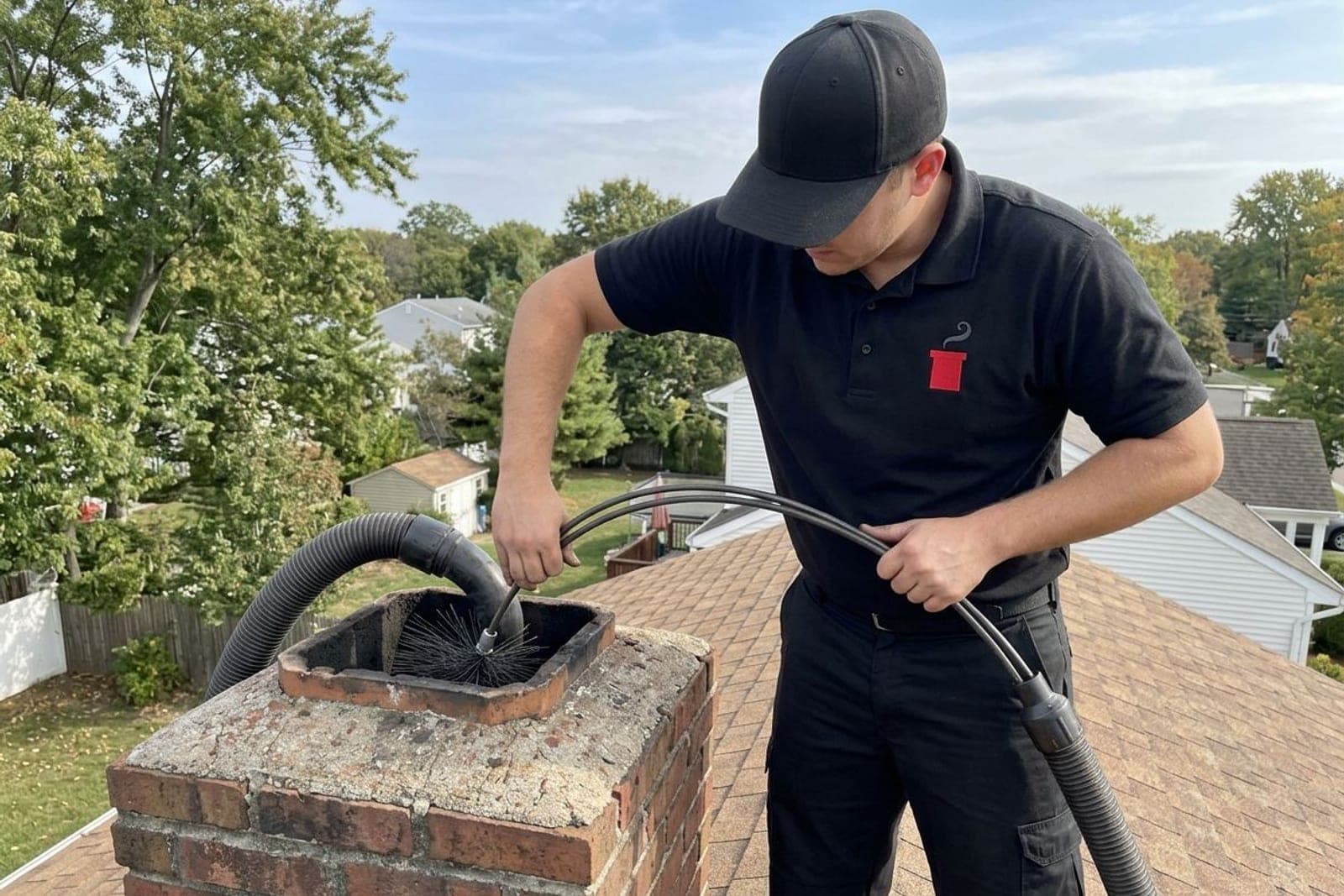
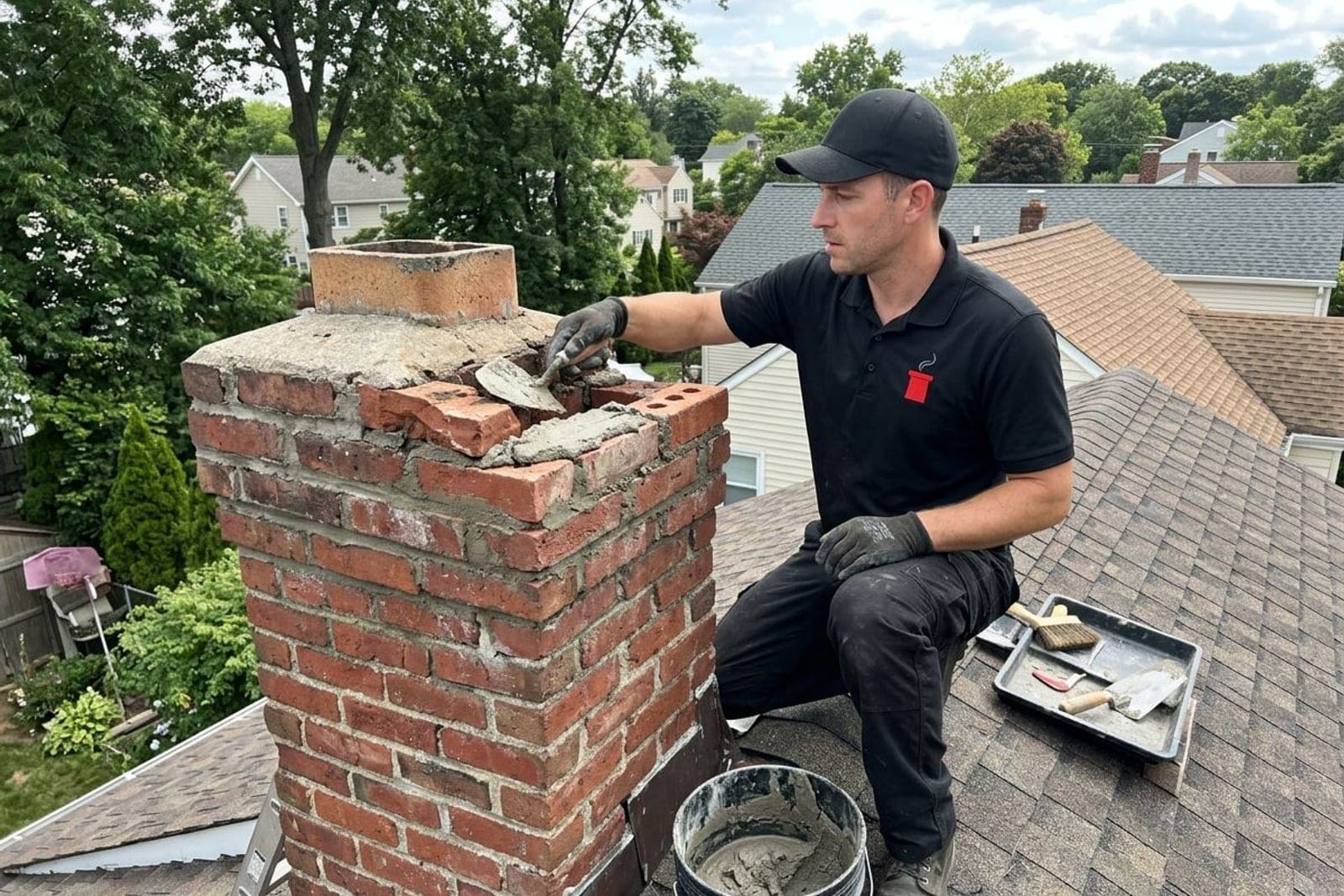
Using advanced tools and techniques tailored to the type and stage of creosote buildup, our team meticulously removes the dangerous deposits from your chimney flue. We ensure your Wall home is protected throughout the process, preventing any mess or damage.
 3
3Final Cleanup & Safety Check
After removal, we conduct a final cleanup of your work area and perform a post-service check to confirm the flue is clear and safe for use. We'll provide a detailed explanation of the work completed and offer advice on maintaining your chimney's optimal performance.
| Warning Sign | What It Means for Your Wall Home | Recommended Action |
|---|---|---|
| Strong, tar-like odor | Heavy creosote; significant fire risk. | Immediate professional inspection. |
| Black, flaky, or shiny residue | Visible creosote accumulation in flue. | Schedule a Wall chimney inspection. |
| Reduced draft; smoke spills into room | Flue obstruction; potential fire hazard. | Stop use, call Wall pros immediately. |
| Difficulty lighting/maintaining fire | Poor draft due to creosote buildup. | Urgent creosote removal needed. |
| Over 1/8 inch creosote in flue | Critical fire risk to your Wall property. | Professional removal without delay. |
| Slight rumbling sounds during use | ACTIVE CHIMNEY FIRE! | EVACUATE Wall home & CALL 911! |
Prices verified on .
Built for Wall's homes and climate
Wall counts about 26,530 residents, and we cover it end to end — along with Manasquan, Spring Lake and Sea Girt on the same run. Booking creosote removal here rarely means waiting for a crew to come from far away.
WallMonmouth County, NJ · 40.151, -74.091
Answers for Wall Homeowners About Creosote
Why is creosote removal particularly important for homes in Wall, NJ?
Wall's varied housing stock, from older ranches to newer constructions, often features well-used fireplaces. Coupled with regional humidity and changing seasons, these conditions can lead to significant creosote buildup, making regular professional removal critical for preventing chimney fires and ensuring safe operation for all Wall residents.
How often should Wall homeowners schedule creosote removal?
The NFPA 211 standard recommends annual chimney inspections and cleanings, which includes assessing creosote levels. Depending on your wood-burning habits and the type of wood used, Wall homeowners might need specialized creosote removal more frequently than a basic sweep if significant buildup is detected.
What is the typical cost for creosote removal services in Wall?
The cost for professional creosote removal in Wall, NJ, typically ranges from $200 upwards, depending on the severity of the buildup and the complexity of the job. We always provide a written quote after our $99 plus tax on-site inspection.
Is creosote removal the same as a regular chimney sweep?
No, a regular chimney sweep typically removes soot, minor debris, and early-stage creosote. Professional creosote removal, however, is a more intensive process designed to tackle hardened, glazed, or excessive Stage 2 and Stage 3 creosote that poses a much higher fire risk and requires specialized tools and techniques.
What safety concerns does creosote buildup present?
The primary concern is the high risk of a chimney fire, as creosote is highly combustible. These fires can be extremely dangerous, potentially spreading to your home's structure. Additionally, severe creosote buildup can obstruct the flue, impairing ventilation and leading to dangerous carbon monoxide exposure within your home.
Do you inspect the chimney liner during the creosote removal process for Wall homes?
Absolutely. As part of our comprehensive service for Wall homeowners, our technicians always perform a thorough visual inspection of your chimney liner's condition during the creosote removal process. We'll note any signs of damage, cracks, or deterioration that could affect safety and efficiency, and provide recommendations for necessary repairs.
Get in touch
- (732) 889-5194
- contact@jerseychimneypros.com
- Based in Lakewood, NJ — serving Wall

Need your chimney checked in Wall?
Clear pricing, local scheduling, and honest written recommendations you can trust.

Book your creosote removal in Wall
Real open times on our crew's calendar — confirmed instantly.
Creosote Removal in Wall