Wall, Monmouth County
Chimney Relining in Wall, NJ
For homeowners in Wall, NJ, ensuring your chimney is safe and efficient is paramount for the long New Jersey winters. Jersey Chimney Pros specializes in professional chimney relining services, bringing peace of mind and structural integrity to your home's heating system and protecting your family from hidden dangers.
Typical investment
From $1,500
- Local crews
- Licensed & insured
- Documented work
- Fast scheduling
- Serving Wall and the surrounding Monmouth County towns
- $99 inspection, deducted from an approved quote
- Usually on the same Monmouth County route as Atlantic Highlands, Brielle, Colts Neck
Why Wall homes need chimney relining
Wall Township's diverse housing stock, from established mid-century ranches and spacious colonials to more recent constructions, means a variety of chimney systems are in use, each with unique needs. Our local crews in Wall are attuned to issues like aged, spalling clay flue liners in older homes or damage from severe weather, which often necessitate expert relining to restore safety and functionality.
Wall counts about 26,530 residents, and we cover it end to end — along with Manasquan, Spring Lake and Sea Girt on the same run. Booking chimney relining here rarely means waiting for a crew to come from far away.
Done by licensed crews
Our own team, never a subcontractor sent by a call center.
Written quote up front
You approve the price before any work begins.
Photo-documented
Before and after photos of every fix, in plain English.
Built for the local climate
Salt air, freeze-thaw and coastal wear factored in.
Comprehensive Chimney Relining for Wall Township Homes
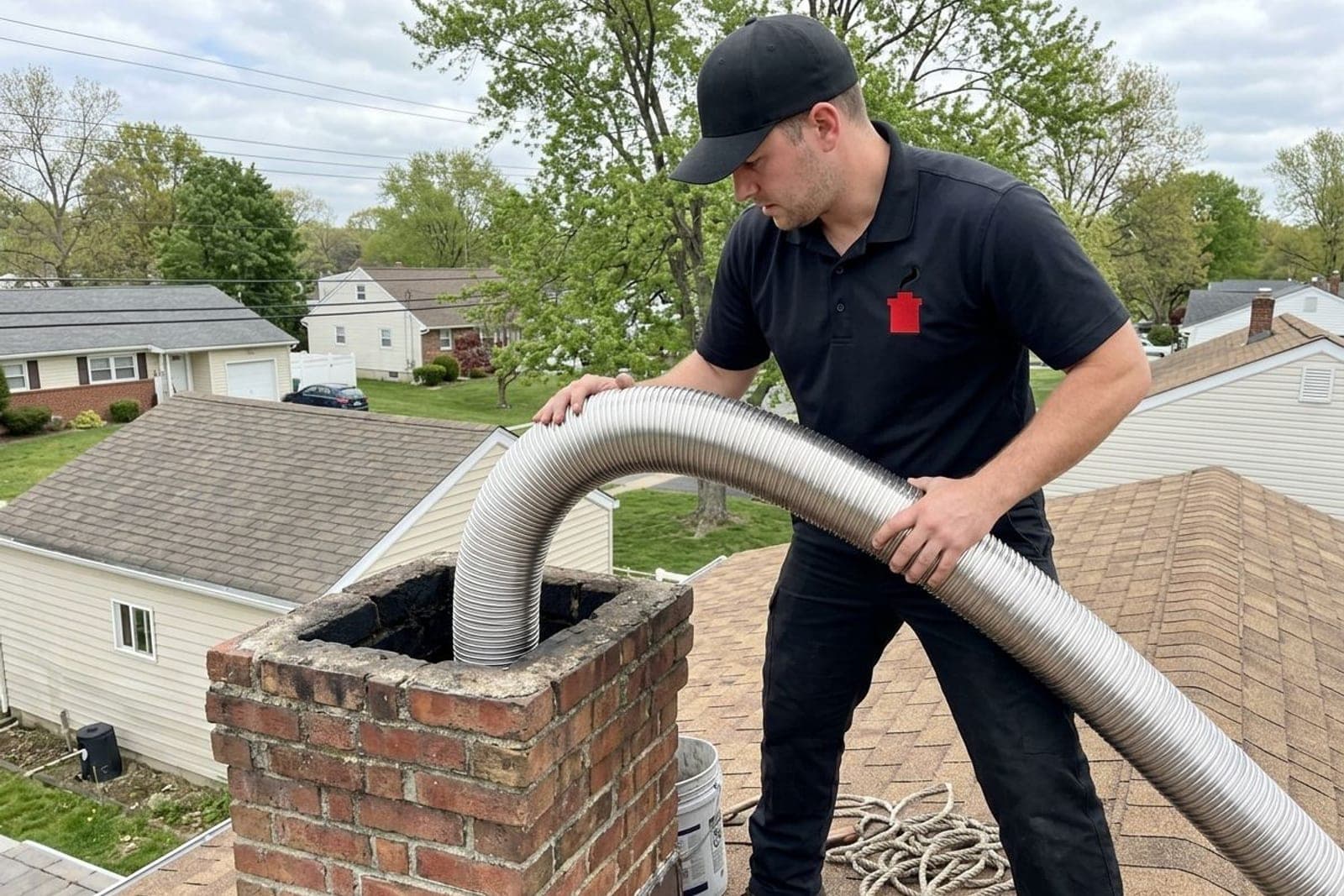
Chimney relining is the intricate process of installing a new, properly sized and sealed liner within an existing chimney flue, creating a safe pathway for combustion byproducts. This critical service becomes necessary when the original clay tile liner has cracked, spalled, or otherwise deteriorated, thereby compromising the chimney's ability to safely vent smoke and dangerous gases. A damaged liner poses serious and often invisible risks to your Wall home, including lethal carbon monoxide leaks into living spaces and potential house fires resulting from creosote ignition or heat transfer to surrounding combustible materials within the structure.
Modern chimney liners, typically crafted from durable stainless steel or a specialized cast-in-place material, provide a continuous, smooth, and insulated pathway for exhaust gases. Stainless steel liners are particularly favored for their versatility and resilience, capable of safely venting various fuel types such as wood, oil, and gas, while offering superior protection against corrosion and heat transfer. For property owners across Wall Township, upgrading to a UL-listed stainless steel liner ensures your fireplace, furnace, or boiler operates at peak efficiency and safety for many decades to come, preventing future costly repairs.
The varied housing landscape of Wall, featuring everything from the sturdy brick chimneys of mid-century ranches to the often grander structures of sprawling colonials and the efficient designs of newer custom builds, means a broad spectrum of chimney ages and types. Older homes, in particular, are prone to having original clay tile liners that have succumbed to years of consistent use and the region's challenging climate. While Wall is situated inland, it remains fully exposed to the severe temperature fluctuations and heavy precipitation that contribute to destructive freeze-thaw cycles on masonry, further stressing these older, less resilient flue systems.
Adhering to established safety standards is paramount for any chimney system, and the National Fire Protection Association (NFPA) 211 recommends annual chimney inspections and cleanings to identify potential hazards like liner damage or creosote accumulation. Creosote, a highly flammable byproduct of wood burning, can build up in stages, and a compromised liner makes a chimney fire far more likely to occur and spread beyond the flue. A correctly installed new liner provides a safer, smoother internal surface that significantly reduces creosote adherence and effectively contains heat, substantially protecting your Wall home from fire risks.
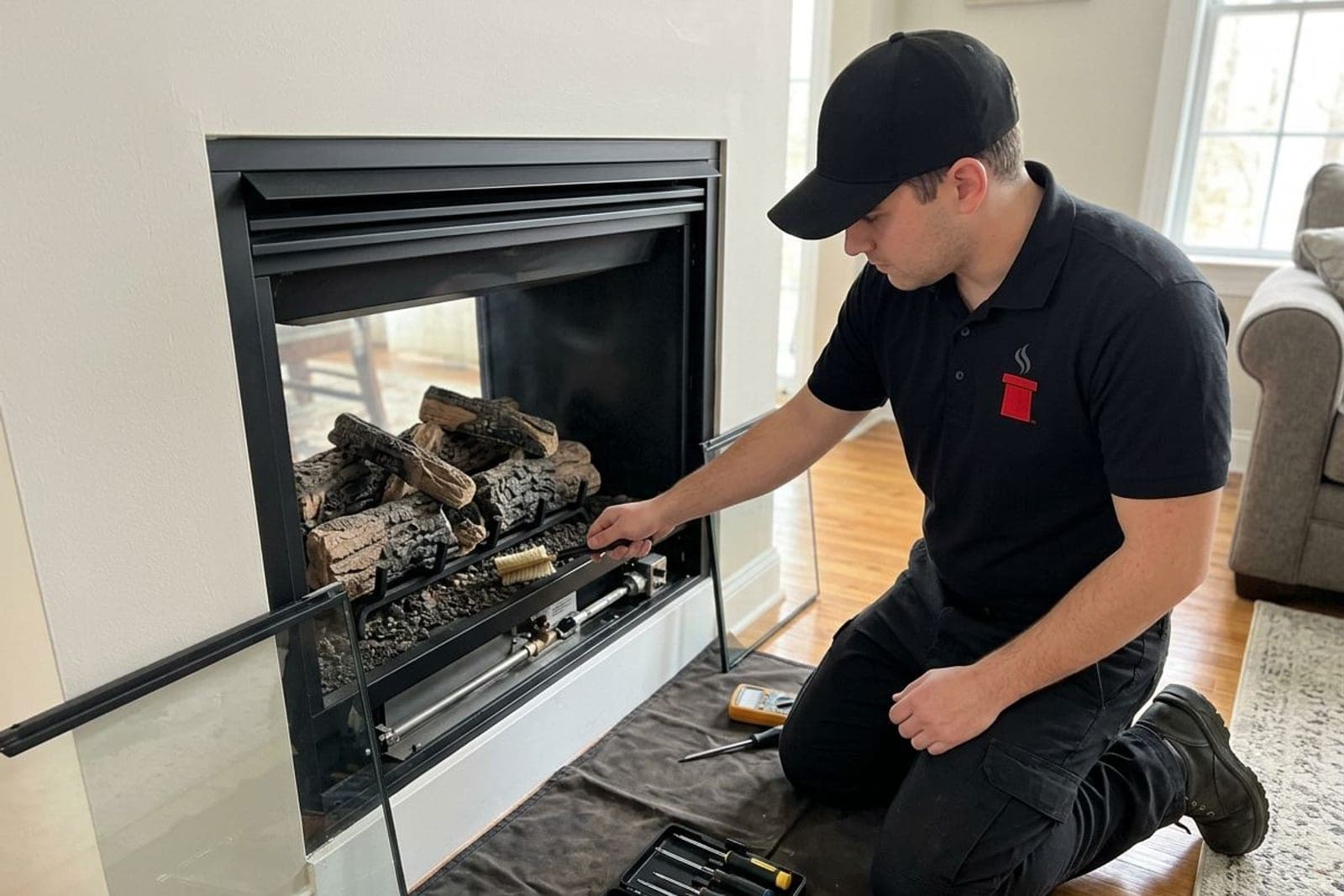
It is crucial to understand that chimney relining is a specialized service distinct from a basic chimney cleaning or a minor masonry repair. While cleanings are essential for removing creosote and blockages, and repairs address specific external masonry issues, relining involves a complete overhaul of the flue's internal structure. If your chimney presents with extensive internal cracks, dangerous gaps, or is improperly sized for a new, more efficient heating appliance, relining represents the comprehensive and permanent solution that restores its foundational safety and optimal functionality, a common scenario our team frequently encounters in Wall's established neighborhoods.
Determining if your Wall home requires a chimney relining begins with a thorough professional inspection conducted by certified technicians from Jersey Chimney Pros. This detailed assessment will accurately identify the extent of any existing liner damage, confirm compatibility with your attached heating appliance, and recommend the most suitable relining method tailored to your specific needs. Don't wait for visible smoke issues, poor efficiency, or strange odors to prompt action; early detection can prevent far larger and more dangerous problems, ensuring your family's safety and comfort during the colder months.
Every Step of Wall's Chimney Relining Service
Every chimney relining we do in Wall includes:
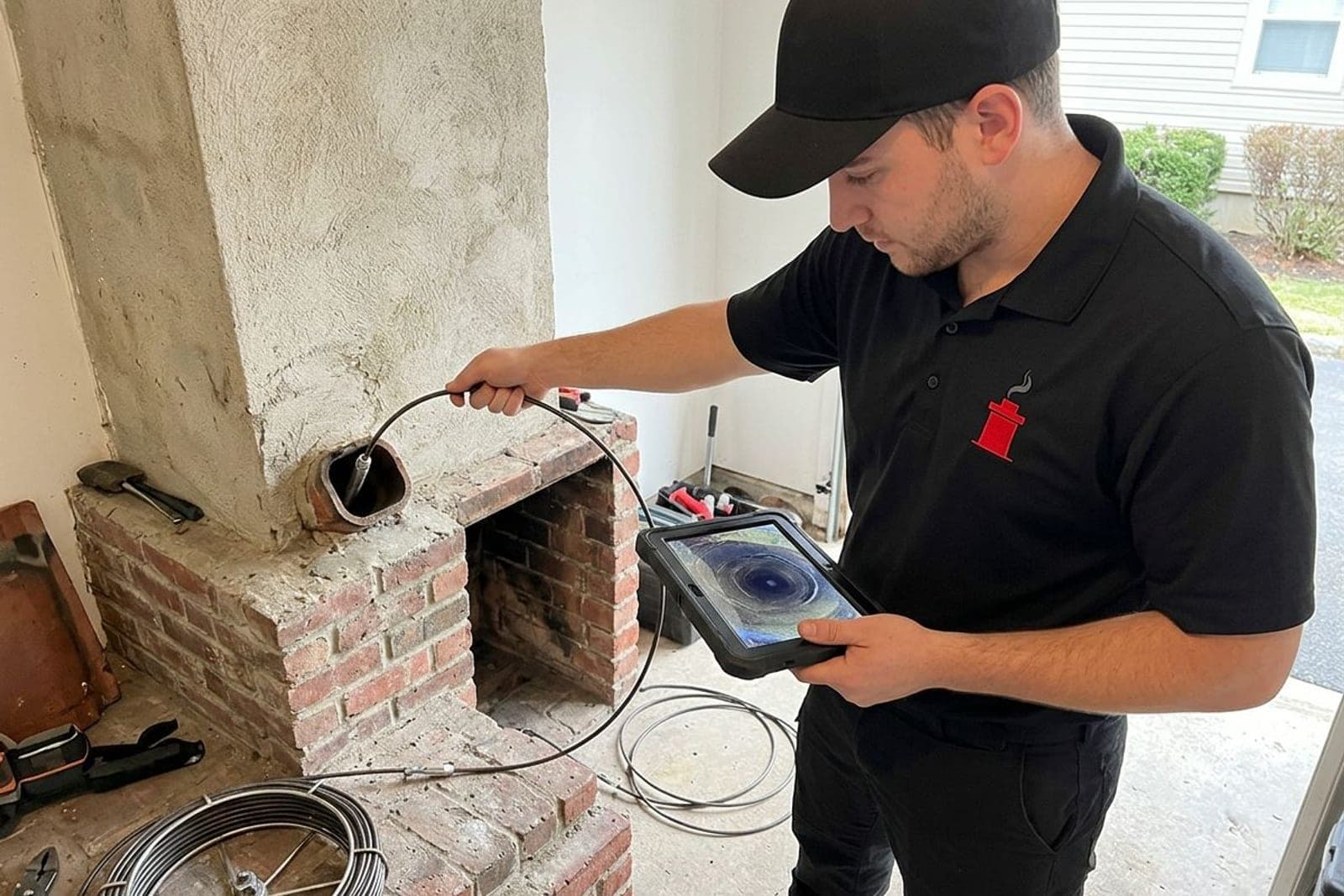
- Professional assessment and video inspection of existing flue
- Safe removal of old, deteriorated liner debris (if applicable)
- Installation of UL-listed stainless steel or specialized cast-in-place liner
- Precision sizing of the new liner for optimal appliance performance
- Secure connection of your heating appliance to the new liner
- Thorough sealing of all joints and connections for airtight integrity
- Installation of a new top plate and chimney cap for weather protection
- Final inspection and testing for proper draft and safety compliance
Professional, clean, no-mess service.
Visible Signs Wall Chimneys Require New Liners
- Visible cracks or spalling in the internal clay flue tiles
- Smoke leaking into living spaces or other rooms in your Wall home
- Deterioration or crumbling of external masonry or mortar joints near the top of the chimney
- Unusual or persistent smoky odors lingering after fireplace use
- Poor draft, difficulty starting fires, or inefficient fireplace/appliance operation
- Evidence of water penetration or moisture stains inside the firebox or on the chimney exterior
- Connecting a new, more efficient appliance to an old, oversized, or damaged flue
- Rusting or corrosion around the damper, smoke chamber, or appliance connector
If you notice smoke backup or stage-3 creosote, book immediately.
Book nowThe Demands on Wall's Inland Chimney Systems
Though Wall is an inland community, its proximity to the Atlantic coast means it still experiences significant weather events like nor'easters and persistent seasonal humidity. These conditions, combined with the rigorous freeze-thaw cycles common in Monmouth County, accelerate the deterioration of masonry and traditional clay liners. Such environmental stresses make a robust chimney relining an essential maintenance step for the longevity and safety of Wall's residential chimneys.
A Glimpse into Wall's Chimney Relining Execution
 1
1Comprehensive Initial Inspection
Our certified technicians conduct a thorough visual and video inspection of your chimney's interior and exterior to assess the liner's condition and identify any damage. We then provide a detailed report and a transparent, free written quote for the recommended relining service.
 2
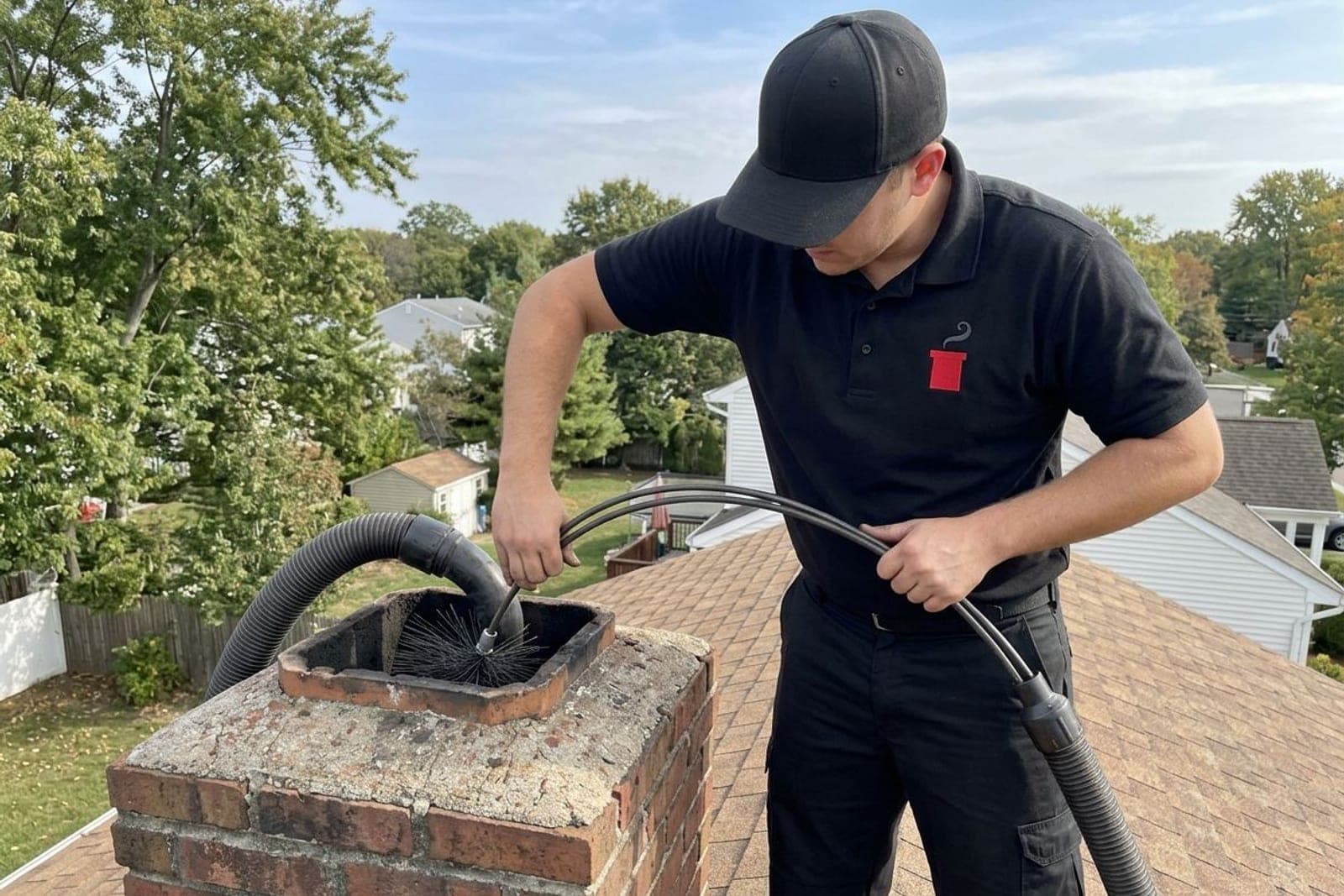
2Expert Liner Installation
Upon your approval, our skilled team carefully prepares the flue and precisely installs the chosen liner type, whether it's a durable stainless steel system or a custom cast-in-place solution. We ensure all connections are secure and the liner is properly sealed and insulated for maximum safety and efficiency.
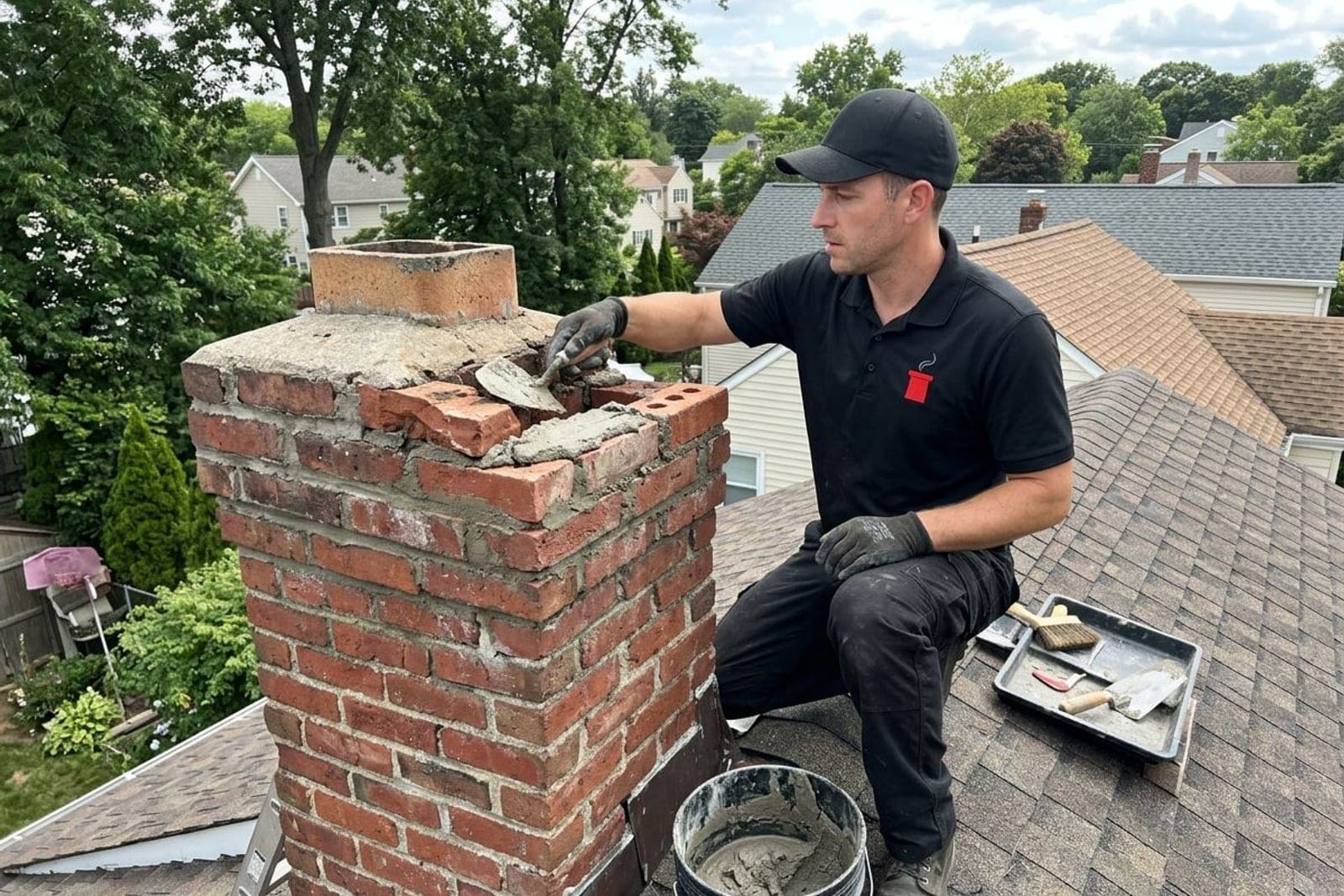 3
3Final Testing and Cleanup
After installation, we perform rigorous testing to confirm proper draft and operation of your chimney system. We conclude by thoroughly cleaning the work area, leaving your Wall home tidy and your chimney safely ready for use.
| Warning Sign | What It Means for Your Wall Home | Urgency |
|---|---|---|
| Visible cracks/spalling in tiles | Compromised flue, fire/gas risk | Immediate Action Needed |
| Smoke leaking into living spaces | Lethal carbon monoxide danger | Immediate Safety Concern |
| Poor draft or inefficient heating | Wasted energy, hidden dangers | High Priority Repair |
| Water penetration or moisture stains | Accelerated masonry damage | Prompt Attention |
| New appliance with old/damaged flue | Safety mismatch, efficiency loss | Proactive Assessment |
Prices verified on .
Built for Wall's homes and climate
Wall counts about 26,530 residents, and we cover it end to end — along with Manasquan, Spring Lake and Sea Girt on the same run. Booking chimney relining here rarely means waiting for a crew to come from far away.
WallMonmouth County, NJ · 40.151, -74.091
Important Relining Answers for Wall, NJ Homes
Why is chimney relining so important for Wall Township homes?
Chimney relining is crucial for Wall homes because it directly addresses safety hazards like carbon monoxide leaks and house fires that can arise from deteriorated original flue liners. Given the age mix of Wall's housing stock and local weather patterns, many chimneys require this essential upgrade to ensure safe appliance operation and structural integrity for years to come.
What's the typical cost for chimney relining in Wall, NJ?
The cost for chimney relining in Wall, NJ, can vary significantly depending on the flue size, liner material, and complexity of the installation, typically ranging from $1,500 upwards. We offer a transparent pricing model, and our on-site inspection for your recommended relining work is $99 plus tax, deducted in full from the quote if you approve the work.
How long does a chimney relining job usually take?
Most standard chimney relining projects can be completed within one to three days, depending on the chimney's condition, the type of liner being installed, and any unforeseen structural issues. Our team works efficiently to minimize disruption to your Wall home while maintaining the highest quality standards.
What kind of liners do you typically use for Wall properties?
For most residential properties in Wall, we primarily utilize high-quality, UL-listed stainless steel liners due to their durability, flexibility, and compatibility with various heating appliances. In certain situations, particularly with older or unique masonry structures, a specialized cast-in-place liner might be recommended for optimal performance and longevity.
Is an annual inspection still necessary after my chimney is relined?
Yes, absolutely. Even after a professional relining, annual chimney inspections and cleanings are still highly recommended by the NFPA. These routine check-ups ensure the new liner remains in excellent condition, prevent creosote buildup, and verify that your chimney system continues to operate safely and efficiently year after year.
What are the main benefits of installing a new chimney liner?
Installing a new chimney liner significantly enhances the safety of your Wall home by preventing carbon monoxide leaks and containing chimney fires within the flue. It also improves appliance efficiency by creating a properly sized and smooth pathway for exhaust gases, reduces creosote buildup, and protects the surrounding masonry from corrosive byproducts, extending the life of your entire chimney system.
Get in touch
- (732) 889-5194
- contact@jerseychimneypros.com
- Based in Lakewood, NJ — serving Wall
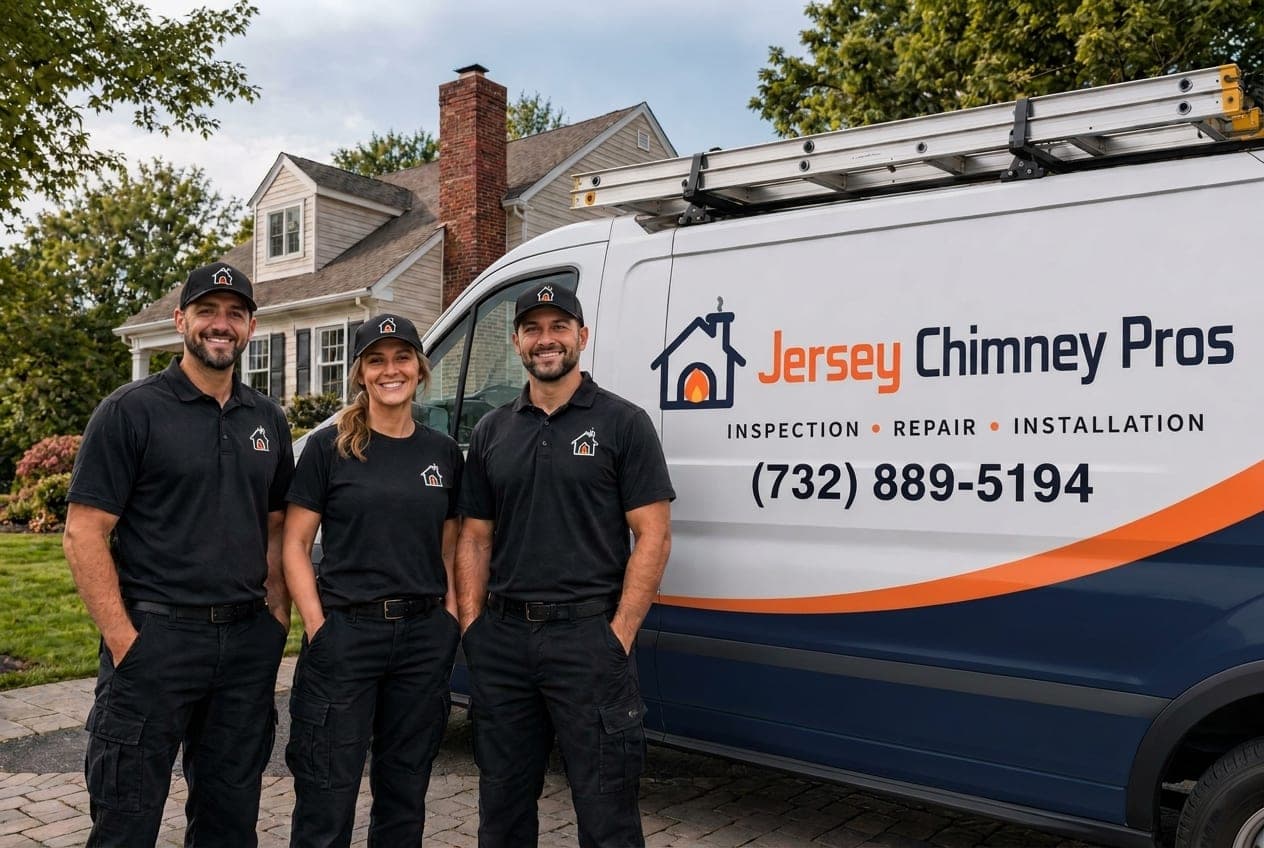
Need your chimney checked in Wall?
Clear pricing, local scheduling, and honest written recommendations you can trust.
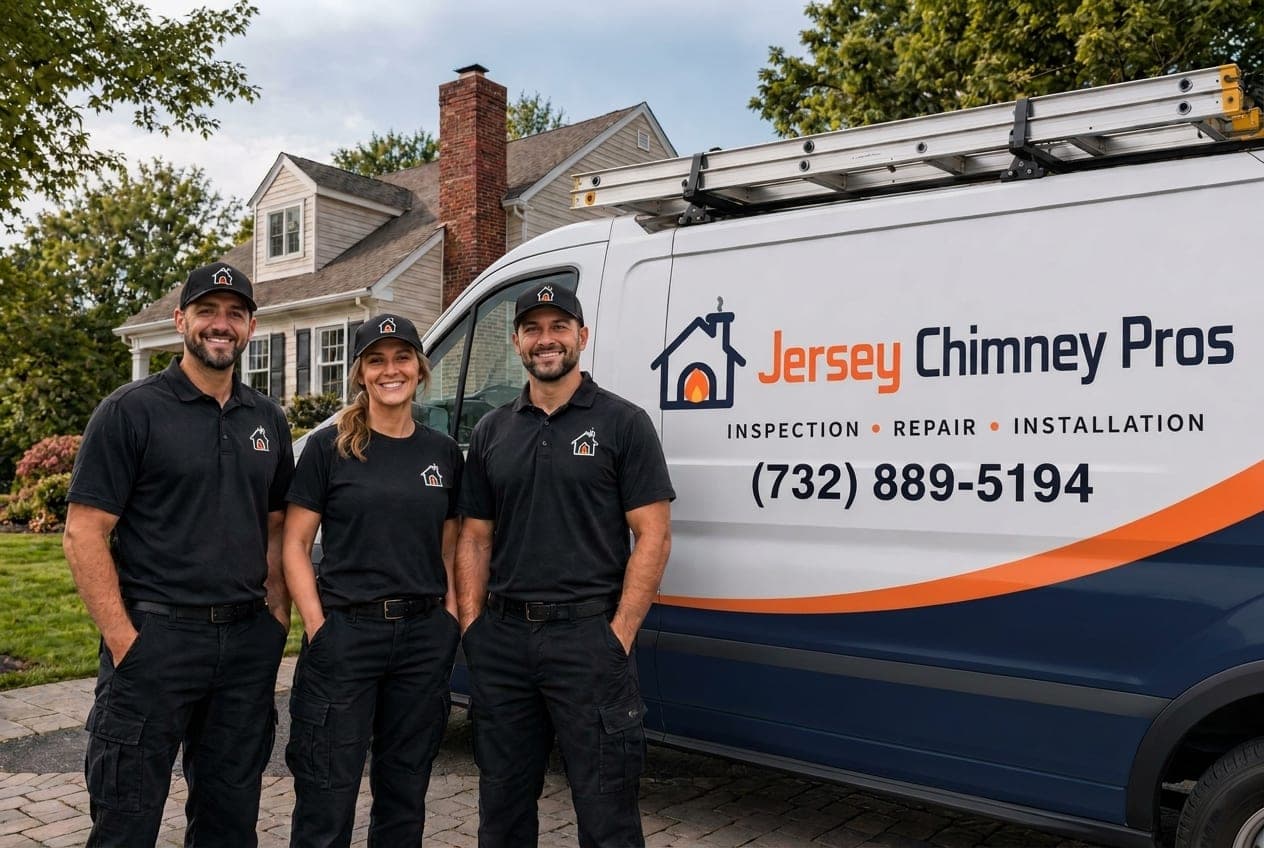
Book your chimney relining in Wall
Real open times on our crew's calendar — confirmed instantly.
Chimney Relining in Wall