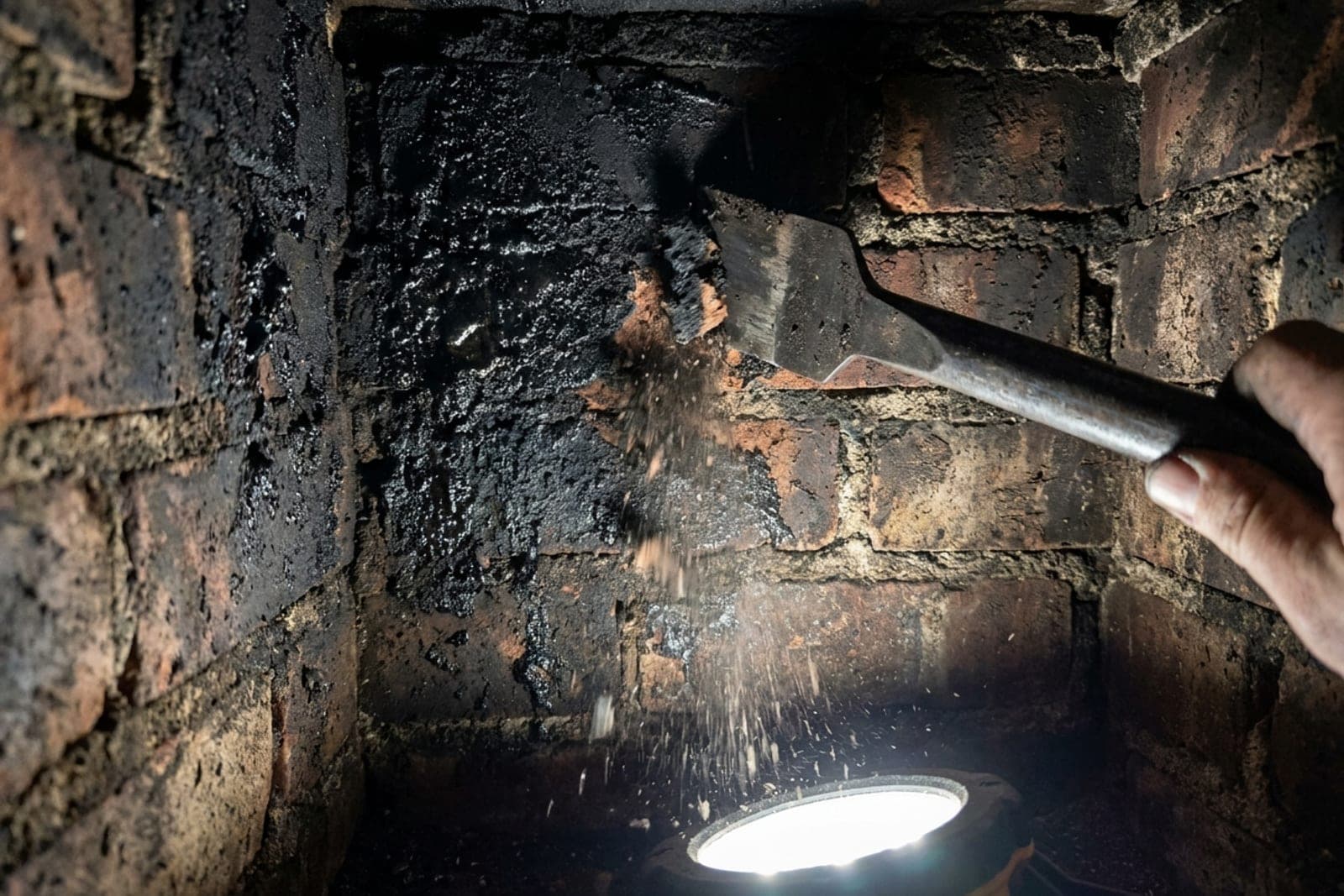
West New York, Hudson County
For homeowners in West New York, ensuring the safety and efficiency of your chimney system is paramount. Jersey Chimney Pros offers expert creosote removal services, specifically tailored to the unique needs and distinct character of this densely populated Hudson County town. Protect your family and your early-1900s rowhome with professional creosote removal.
From $200
Book your free inspection
Pick a real open slot on our crew's calendar — takes about a minute.
Creosote Removal in West New York
No openings on that day. Please pick another date.
Our local crews understand that chimneys in West New York's urban-rowhome environment face particular challenges, from the age of the masonry to the demands placed on heating systems. We specifically watch for heavy creosote buildup in flues often originally designed for coal and later converted, a common scenario in many Bergenline Avenue-area homes. Addressing these specific conditions ensures a safer and more efficient chimney for your property.
Creosote is a highly flammable byproduct of incomplete combustion, accumulating inside your chimney flue as you use your fireplace or wood-burning stove. This tar-like substance poses a severe fire hazard; according to the NFPA 211 standard, annual chimney inspections and cleanings are crucial to prevent dangerous buildup. Neglecting creosote removal is a leading cause of chimney fires, which can rapidly spread in the closely built homes characteristic of West New York.
Creosote manifests in different stages, from flaky soot to a hard, glazed, and highly flammable tar. Simple chimney sweeping can remove loose soot and stage 1 creosote, but the more stubborn, glazed stage 2 and stage 3 creosote requires specialized tools and techniques for safe and effective removal. Our certified technicians utilize rotary brushes, chemical treatments, and powerful vacuums to meticulously scrape away even the most resistant deposits, ensuring the structural integrity of your flue is maintained.
The early-1900s housing stock throughout West New York, often featuring tall, narrow flues originally built for coal furnaces, presents unique challenges for creosote removal. Even if converted to gas or oil, many older masonry flues still see creosote accumulation from alternative fuel burning or improper venting, exacerbated by the dense urban setting where outdoor airflow can be restricted. Our services are specifically adapted to these older masonry systems, ensuring thorough cleaning without damaging the historic infrastructure of your West New York home.
The creosote removal process typically begins with a thorough inspection using advanced camera technology to assess the type and extent of buildup. Once the chimney is sealed to contain dust and debris, specialized power tools are used to meticulously remove creosote from the flue walls. This careful process not only mitigates fire risk but also helps identify potential issues like cracks in the liner or blockages that could lead to dangerous carbon monoxide leaks, particularly critical in the densely populated environment of West New York.
While a standard chimney sweep focuses on removing general soot and minor blockages, professional creosote removal is a deeper, more intensive cleaning service specifically targeting the hardened, dangerous creosote deposits. This specialized cleaning is often necessary after years of heavy fireplace use or if your annual inspection reveals significant buildup beyond the scope of a routine sweep. Booking this service ensures compliance with safety standards and extends the life of your chimney system, especially vital for the aging chimneys in West New York.
We recommend booking a professional creosote removal service if you notice any of the warning signs, such as a strong smoky odor from your fireplace even when not in use, poor draft, or visible tarry deposits inside your flue. Proactive removal is always better than reactive repair, especially considering the potential fire hazards. Early intervention helps prevent chimney fires and safeguards the air quality and safety within your home, which is particularly important for the close-knit community and multi-family dwellings prevalent in West New York.
Book your free inspection
Pick a real open slot on our crew's calendar — takes about a minute.
Creosote Removal in West New York
No openings on that day. Please pick another date.
What's included
Every creosote removal we do in West New York includes:
The dense urban-rowhome setting of West New York means many properties, built in the early 1900s, feature older masonry chimneys that have weathered decades of freeze-thaw cycles and consistent use. These conditions, combined with the potential for incomplete combustion in heating appliances, frequently lead to significant creosote accumulation. Our specialized removal techniques are designed to navigate the tight access points and unique flue structures often found in West New York's walk-up multi-family and rowhome residences.
See the difference
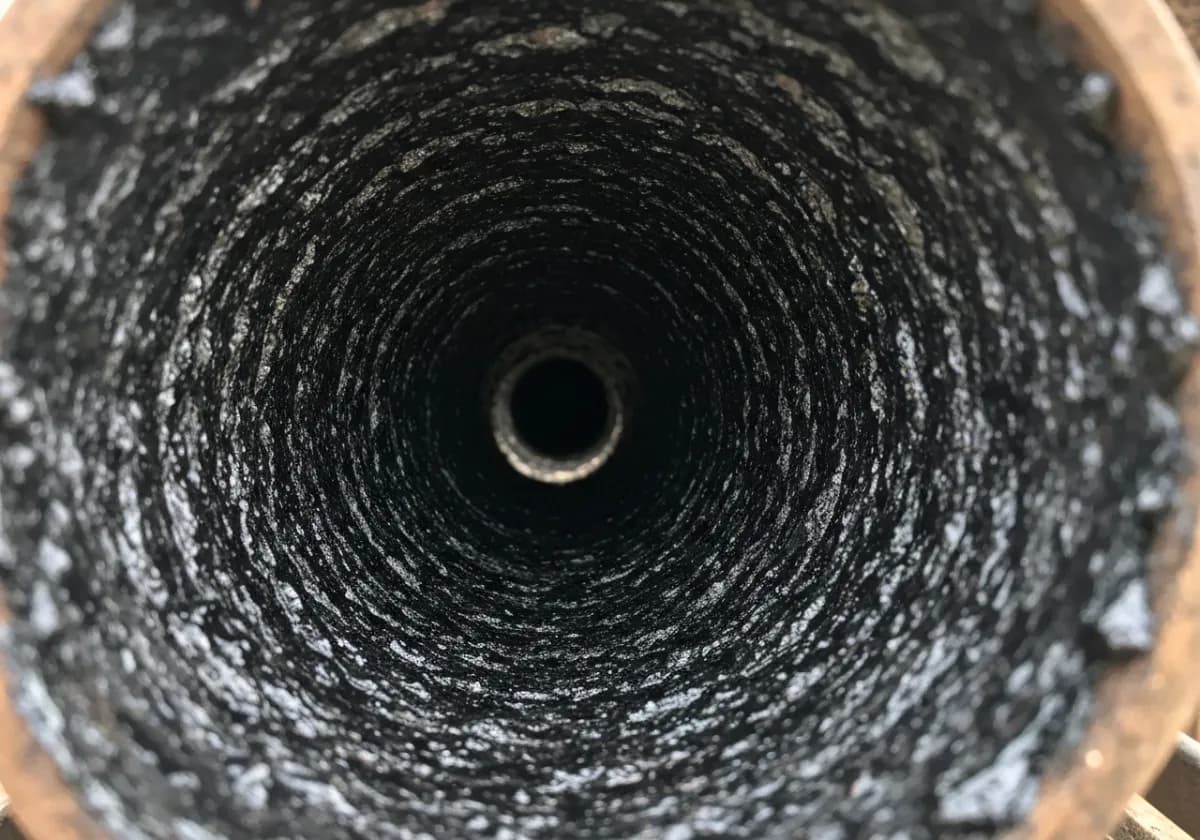
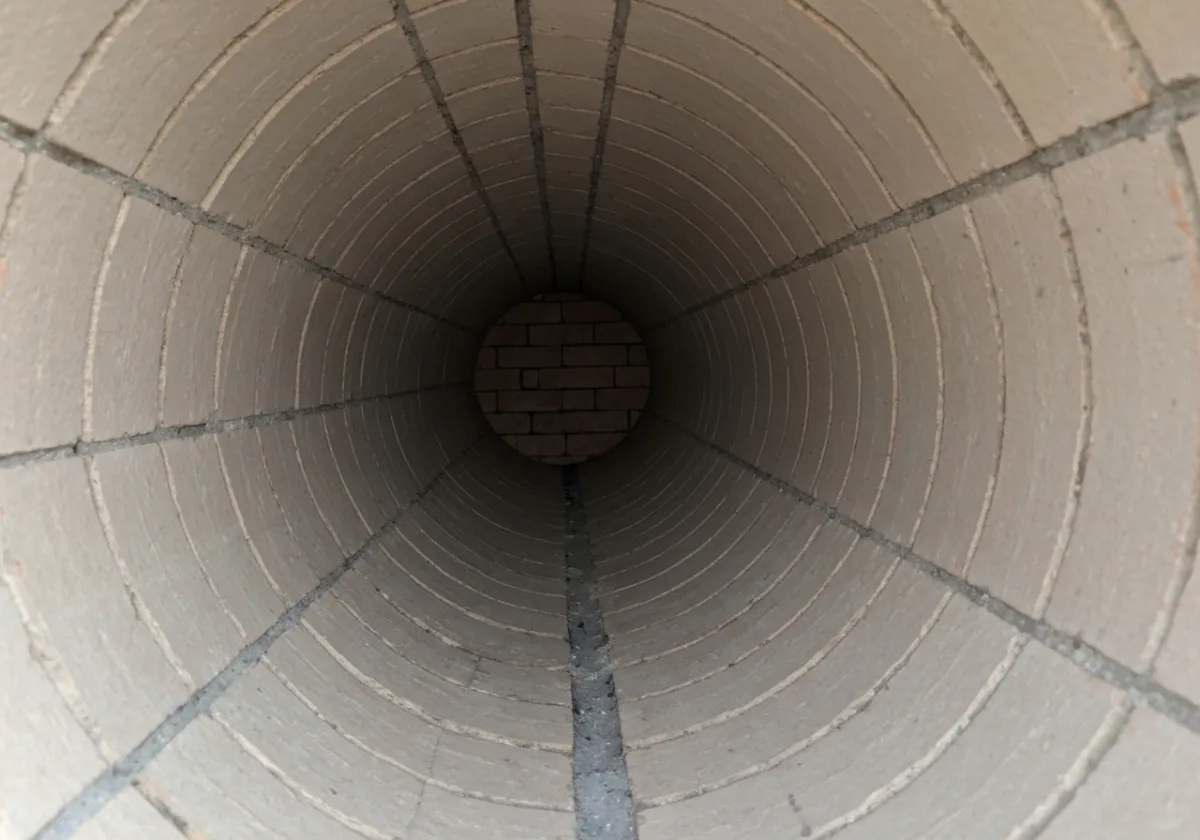
Heavy glazed creosote buildup removed back to clean masonry to cut fire risk.
Representative example of a typical creosote removal — not a specific customer job. We add photos of our own completed North New Jersey projects as we finish them.
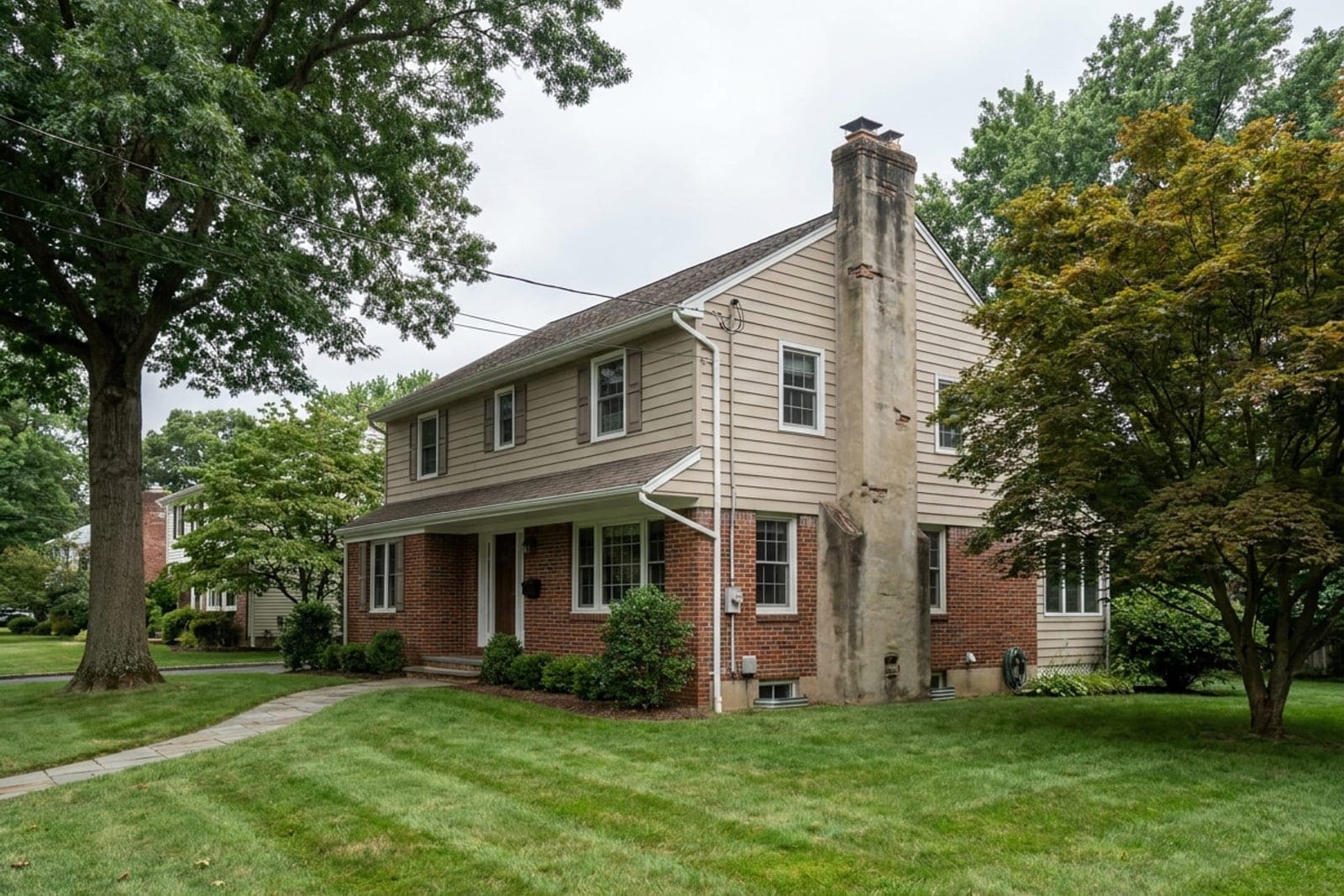
West New York, Hudson County
Book a free on-site inspection in West New York — pick a real open slot, get a written quote, and see before-and-after photos of every fix.
How it works
Our certified technicians conduct a thorough Level 2 inspection using advanced camera technology to identify the type and extent of creosote buildup and any potential issues within your West New York chimney flue.
We employ power rotary tools and specialized chemical treatments, if necessary, to meticulously scrape and loosen hardened creosote deposits, ensuring a deep clean that goes beyond a standard sweep.
After removal, we perform a final camera inspection to verify the flue is clear and safe, then meticulously clean the work area, leaving your West New York home spotless and your chimney ready for safe operation.
More in West New York
Creosote Removal nearby
