Harrison, Hudson County
For Harrison homeowners, ensuring the safety and efficiency of your chimney system is paramount, especially in the town's distinct urban-rowhome setting. Jersey Chimney Pros offers professional creosote removal services, safeguarding your property against fire hazards and maintaining optimal ventilation for your early-1900s home.
From $200
Book your free inspection
Pick a real open slot on our crew's calendar — takes about a minute.
Creosote Removal in Harrison
No openings on that day. Please pick another date.
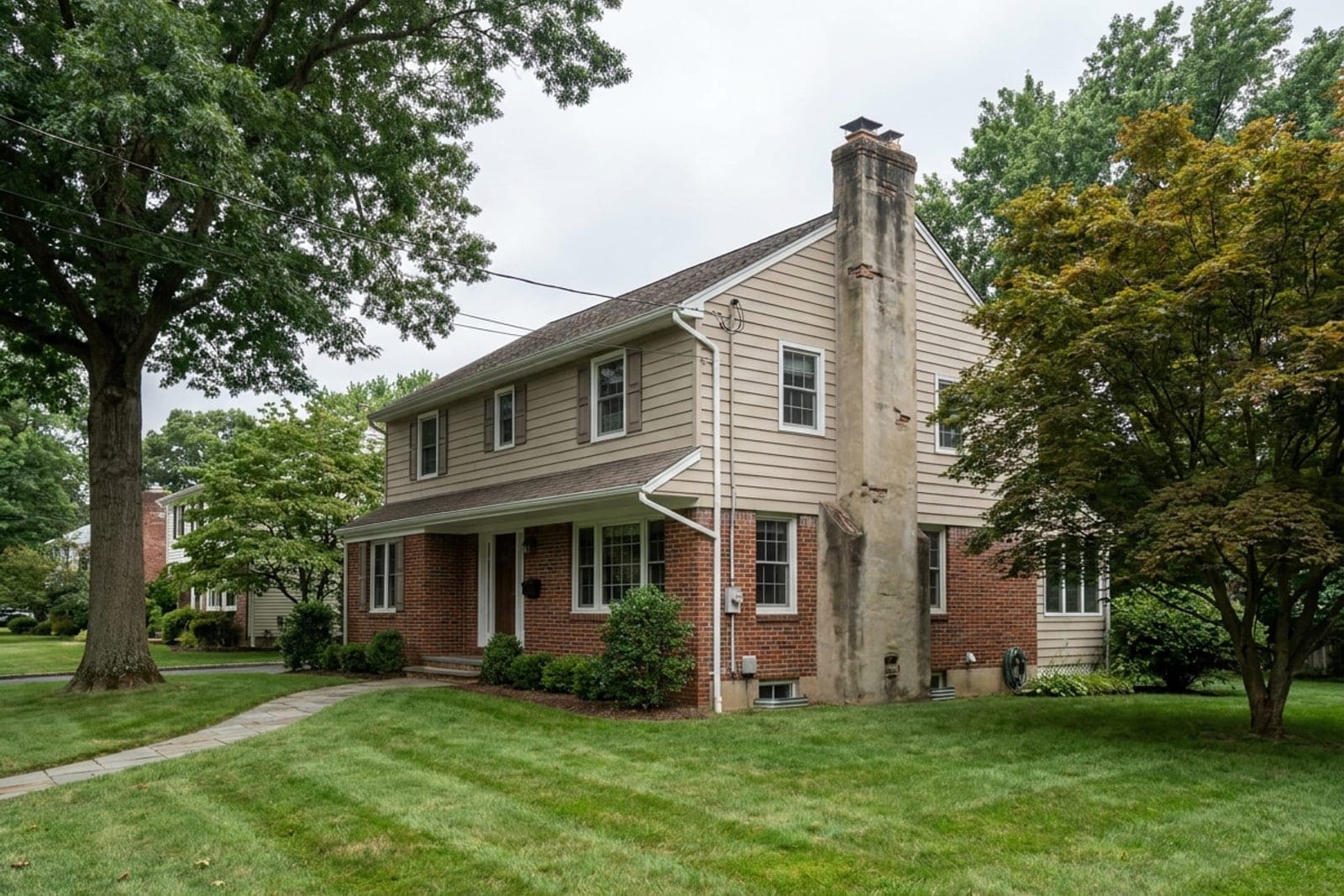
In Harrison, with its dense network of early-1900s frame two-family homes, our crews pay close attention to the unique challenges posed by older masonry and tight chimney flues. We understand that many chimneys in this former factory town near the Passaic River have seen decades of use, often with varying fuel sources over their lifetime, demanding a thorough approach to creosote inspection and removal.
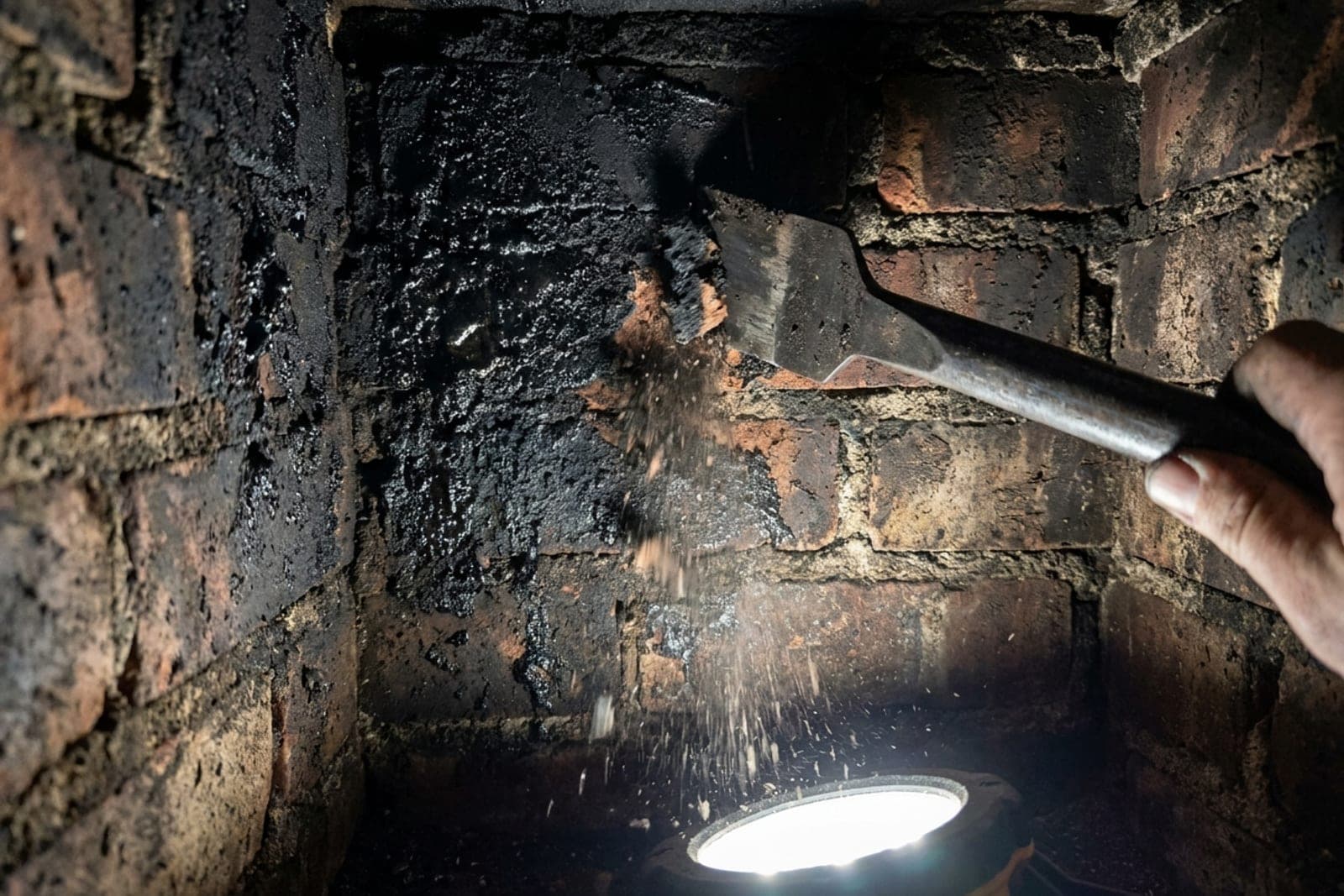
Creosote is a highly combustible byproduct of wood burning, forming as unburned gases condense in your chimney flue. It can range from a flaky, sooty deposit (first stage) to a tar-like, hardened glaze (third stage), which is extremely difficult to remove and poses a severe fire risk. For Harrison's frame two-family homes, many of which still rely on traditional fireplaces or wood stoves, neglecting creosote accumulation can turn a cozy fire into a dangerous chimney fire, threatening not just one home but closely adjacent properties in this dense urban setting.
The rate of creosote buildup depends on several factors, including the type of wood burned, the efficiency of your appliance, and the temperature of your flue gases. Slow-burning fires, wet wood, or poorly insulated chimneys often lead to quicker and more significant accumulation. The National Fire Protection Association (NFPA) Standard 211 recommends annual chimney inspections and cleaning, a crucial guideline for Harrison homeowners looking to prevent chimney fires and ensure safe operation throughout the colder months.
Many of Harrison's early-1900s homes feature masonry chimneys that have stood for over a century, experiencing countless North Jersey winters. These older flues, often unlined or lined with materials dating back decades, can develop rough interior surfaces due to wear and tear, or even due to freeze-thaw damage, making them prime candidates for stubborn creosote adhesion. Our local crews, familiar with the architecture around landmarks like Red Bull Arena and the Harrison PATH station, are experienced in assessing these older systems and recommending the most effective removal strategies.
Stage three creosote, a hardened, shiny, and highly flammable glaze, cannot be removed by a standard chimney sweep brush. It often requires specialized tools like rotary creosote removers or chemical treatments to safely chip away without damaging the flue liner. Maintaining a clear, intact flue liner is vital; if a liner is damaged by creosote accumulation or aggressive removal attempts, carbon monoxide (CO) can leak into living spaces, an invisible and odorless threat particularly concerning in the closely built homes characteristic of Harrison, a town with a population of 19,450 residents as of 2020.
While a routine chimney sweep addresses soot and light creosote, dedicated creosote removal is a more intensive service targeting heavy, glazed deposits. This specialized cleaning significantly reduces the risk of a chimney fire and improves the efficiency of your heating appliance. We recommend Harrison homeowners schedule this service, or at least a thorough inspection, before the peak heating season begins, ideally in late summer or early fall, to ensure your chimney is ready for winter's demands.
To minimize future creosote buildup in your Harrison home, always burn seasoned, dry hardwood and ensure your fireplace or stove has adequate airflow. While modern heating systems are more efficient, the cold, damp North Jersey climate, combined with the structural quirks of early-1900s homes, can still contribute to creosote formation if not properly managed. Regular maintenance by professionals who understand these local conditions is key to long-term chimney health and safety.
Book your free inspection
Pick a real open slot on our crew's calendar — takes about a minute.
Creosote Removal in Harrison
No openings on that day. Please pick another date.
What's included
Every creosote removal we do in Harrison includes:
The urban-rowhome environment of Harrison, characterized by closely spaced buildings and shared walls, means that compromised chimneys can pose risks beyond a single property. Many of these early-1900s structures originally had flues designed for coal, later converted for gas, which can lead to specific creosote buildup patterns and maintenance needs. Additionally, the freeze-thaw cycles common in North Jersey can exacerbate masonry deterioration, creating rough surfaces within the flue where creosote adheres more readily, intensifying the need for specialized removal techniques.
See the difference
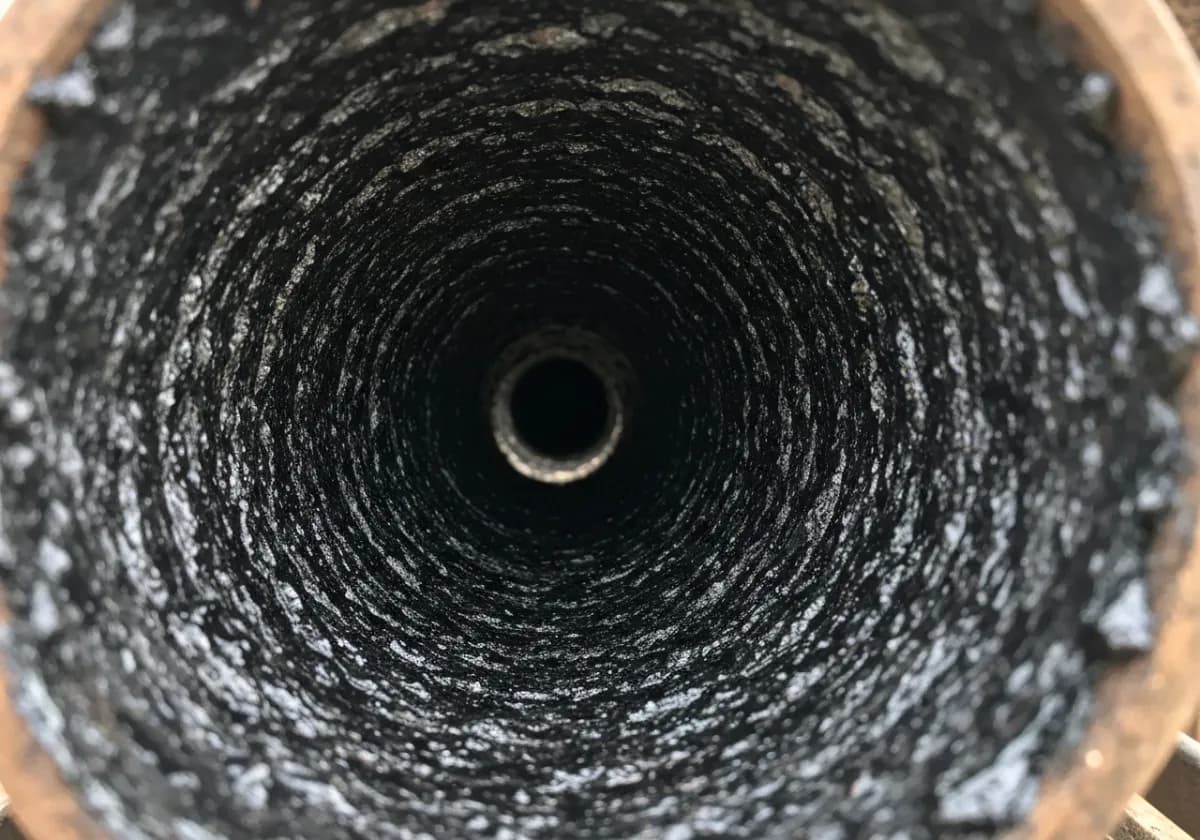
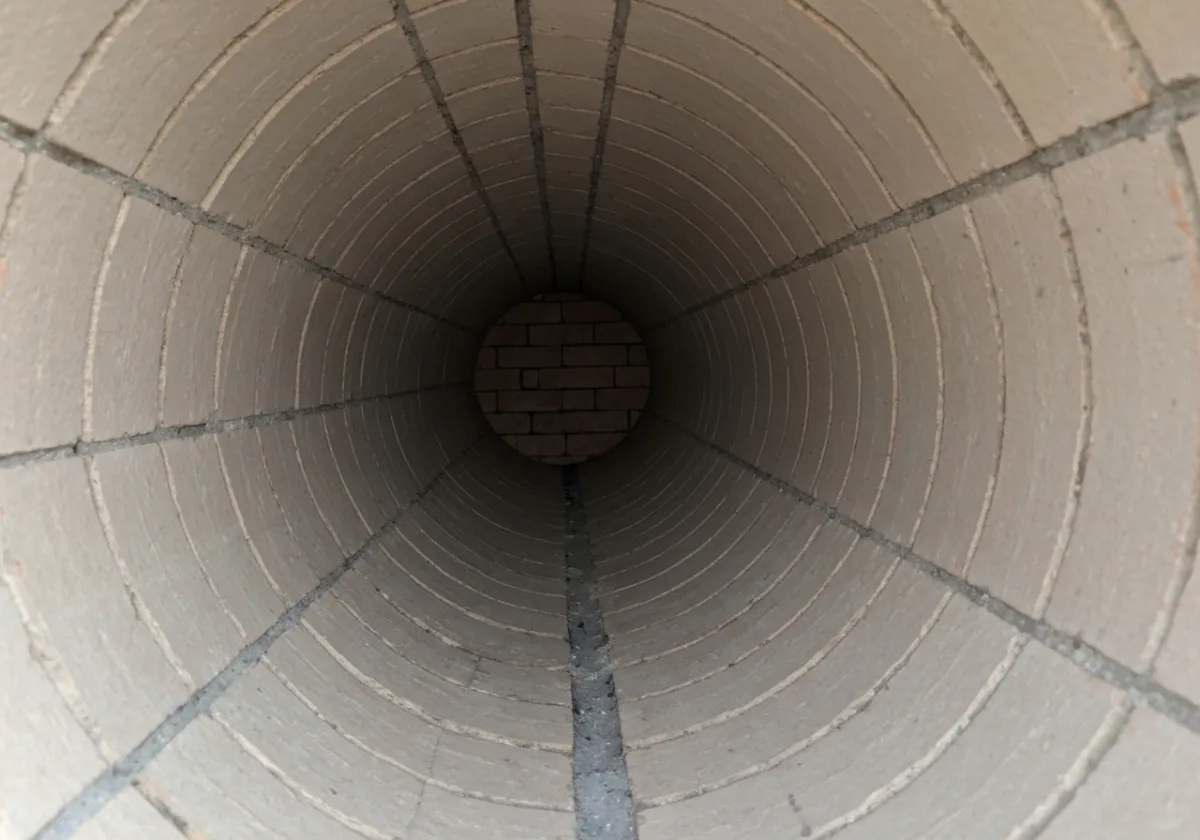
Heavy glazed creosote buildup removed back to clean masonry to cut fire risk.
Representative example of a typical creosote removal — not a specific customer job. We add photos of our own completed North New Jersey projects as we finish them.
Harrison, Hudson County
Book a free on-site inspection in Harrison — pick a real open slot, get a written quote, and see before-and-after photos of every fix.
How it works
Our technicians begin with a detailed inspection of your Harrison chimney system, identifying the type and stage of creosote buildup, then meticulously prepare the work area to protect your home from dust and debris.
Using advanced rotary cleaning tools or chemical treatments, we carefully and thoroughly remove all creosote deposits from your flue walls, ensuring no damage to your chimney liner.
After removal, we conduct a final visual inspection to confirm the flue is clean and clear, then meticulously clean up our workspace, leaving your Harrison home spotless.
More in Harrison
Creosote Removal nearby
