East Newark, Hudson County
For homeowners in East Newark, ensuring the safety and efficiency of your chimney is paramount. Creosote removal is a vital service that safeguards your early-1900s urban-rowhome against dangerous chimney fires and carbon monoxide hazards. Jersey Chimney Pros offers expert creosote removal tailored to the unique needs of East Newark properties.
From $200
Book your free inspection
Pick a real open slot on our crew's calendar — takes about a minute.
Creosote Removal in East Newark
No openings on that day. Please pick another date.
East Newark's distinctive character as one of New Jersey's smallest municipalities, combined with its prevalence of early-1900s frame worker housing, means chimneys often have decades of use. Our crews are vigilant for creosote buildup in flues that may have originally served coal furnaces and now vent modern heating appliances, requiring specialized attention.
Creosote is a highly flammable byproduct of incomplete combustion, forming as tarry soot within your chimney flue. For East Newark homes, where many residents rely on fireplaces or wood-burning stoves for supplemental heat, managing this buildup is critical. Without professional removal, creosote can ignite, leading to a destructive chimney fire that threatens the structural integrity of your property and the safety of its occupants. The National Fire Protection Association (NFPA) recommends annual inspections and cleaning to prevent such dangers.
The formation of creosote is a direct result of inefficient burning, often exacerbated by using unseasoned wood, insufficient air supply, or cooler flue temperatures – common occurrences in older, less insulated chimneys found throughout East Newark. This substance progresses through three stages, from a flaky soot to a hard, glazed, and highly combustible form. Even a thin layer of glazed creosote can be extremely difficult to remove without specialized tools, posing a constant fire risk.
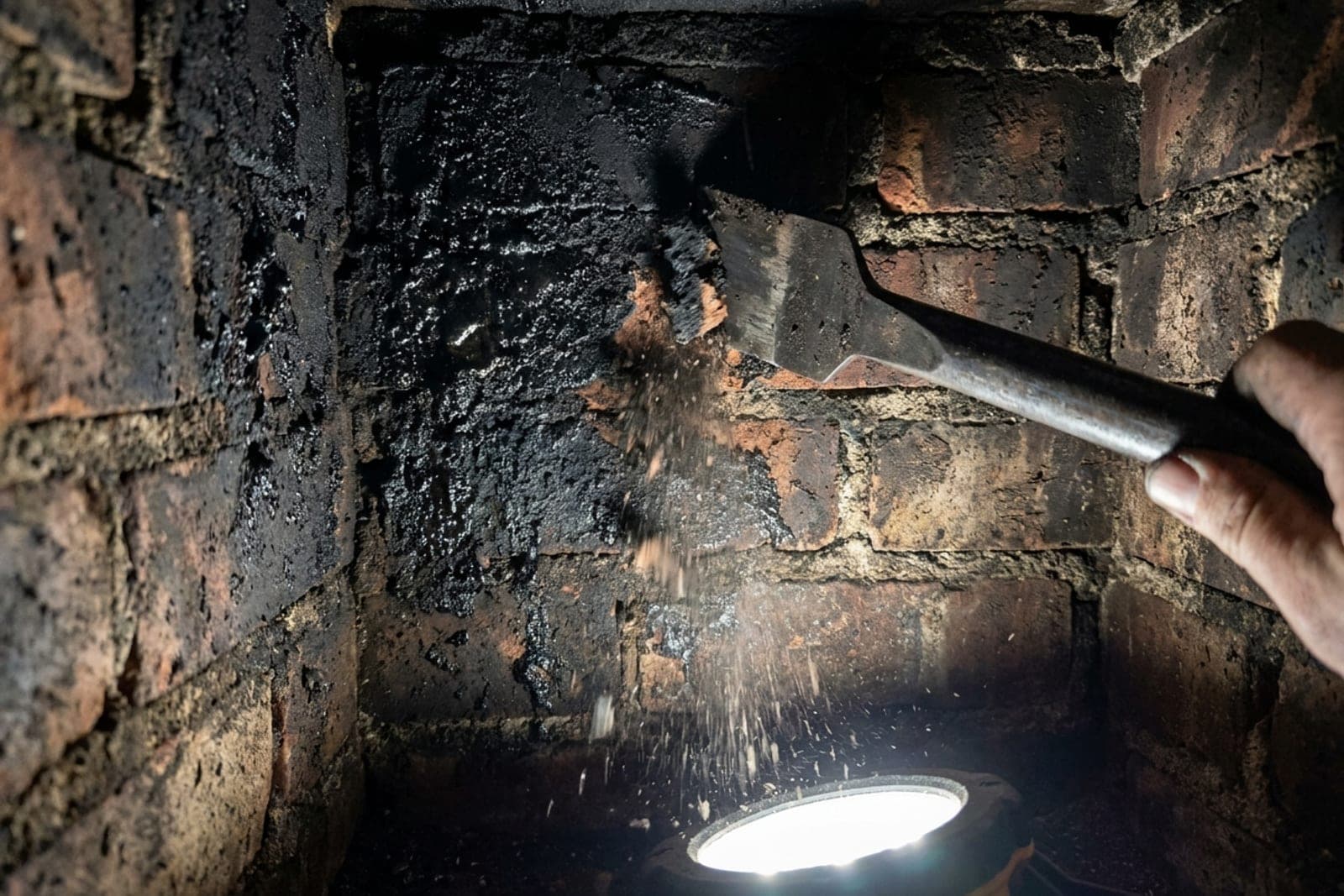
Our creosote removal service goes far beyond a basic chimney sweep. It involves using specialized mechanical tools, such as rotary brushes and power sweeping equipment, designed to aggressively scrape and dislodge the stubborn, baked-on creosote layers. Our technicians are adept at operating in the close quarters typical of East Newark's urban-rowhome environment, ensuring a thorough cleaning while meticulously containing all debris to maintain the cleanliness of your property.
Safety is the cornerstone of creosote removal. Beyond fire prevention, clear flues ensure proper ventilation of combustion gases, including deadly carbon monoxide. Many early-1900s East Newark homes feature original masonry flues that may have experienced wear and tear over the decades, making a professional assessment of the flue liner's integrity during creosote removal essential. Damaged liners, coupled with creosote, dramatically increase the risk of both fire and CO intrusion into your living space.
Understanding when to book creosote removal is key to proactive home maintenance in East Newark. While annual inspections are a must for any chimney in use, removal is specifically indicated when a thick, tarry, or glazed buildup is present, which a standard sweep cannot address. This specialized service is distinct from routine cleaning and offers a deeper remediation of your chimney system, ensuring optimal performance and mitigating severe safety hazards before they escalate.
Given the unique architectural heritage of East Newark, with its distinct population of 2,594 residents living in historic homes, maintaining these systems often requires a deeper understanding of their original construction and subsequent modifications. From flues originally designed for coal to those now venting high-efficiency gas furnaces, the potential for creosote or other blockages remains a critical concern for every homeowner. Our tailored approach considers these historical and structural nuances.
Book your free inspection
Pick a real open slot on our crew's calendar — takes about a minute.
Creosote Removal in East Newark
No openings on that day. Please pick another date.
What's included
Every creosote removal we do in East Newark includes:
The dense, urban-rowhome setting of East Newark presents specific challenges for chimney maintenance. Limited access points in compact neighborhoods and the age of the masonry, often exposed to cycles of freeze-thaw, contribute to conditions ripe for creosote accumulation. These older systems, some located near the historic former Clark Thread Company mill complex, demand careful, experienced assessment and thorough cleaning to prevent hazardous blockages.
See the difference
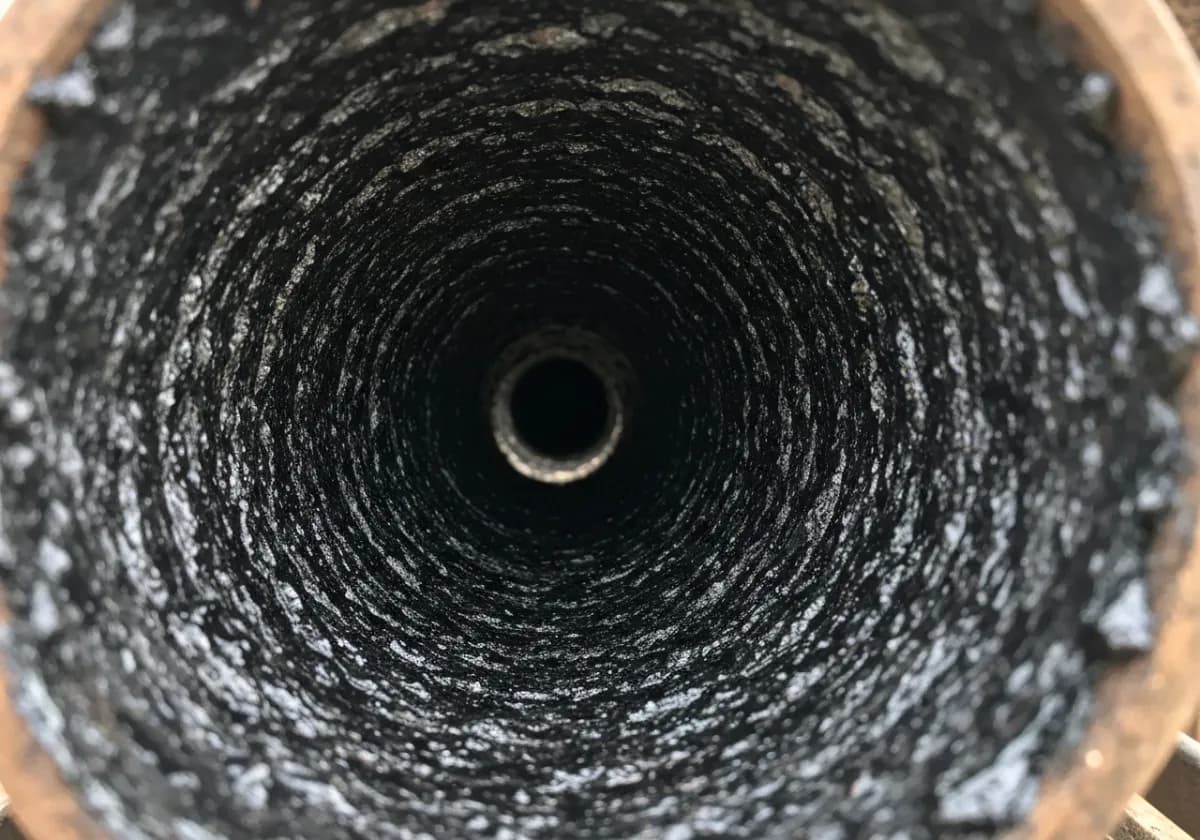
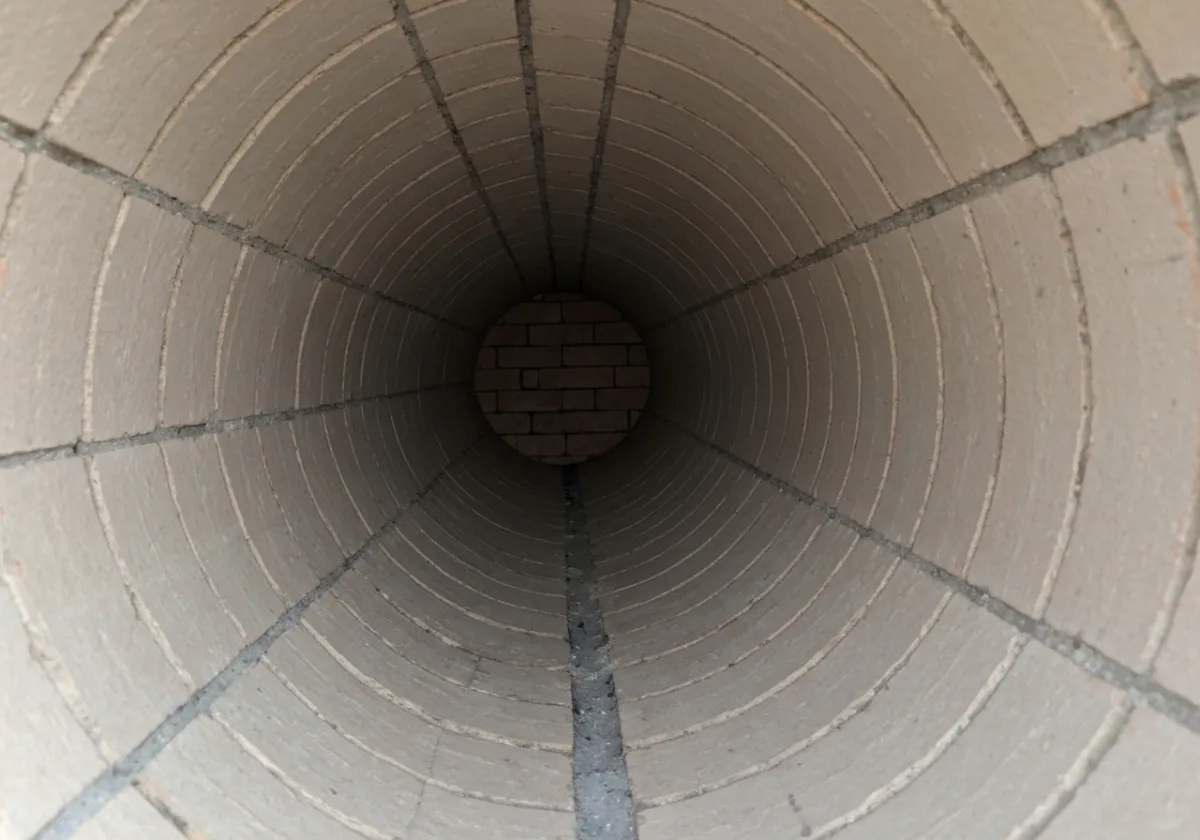
Heavy glazed creosote buildup removed back to clean masonry to cut fire risk.
Representative example of a typical creosote removal — not a specific customer job. We add photos of our own completed North New Jersey projects as we finish them.
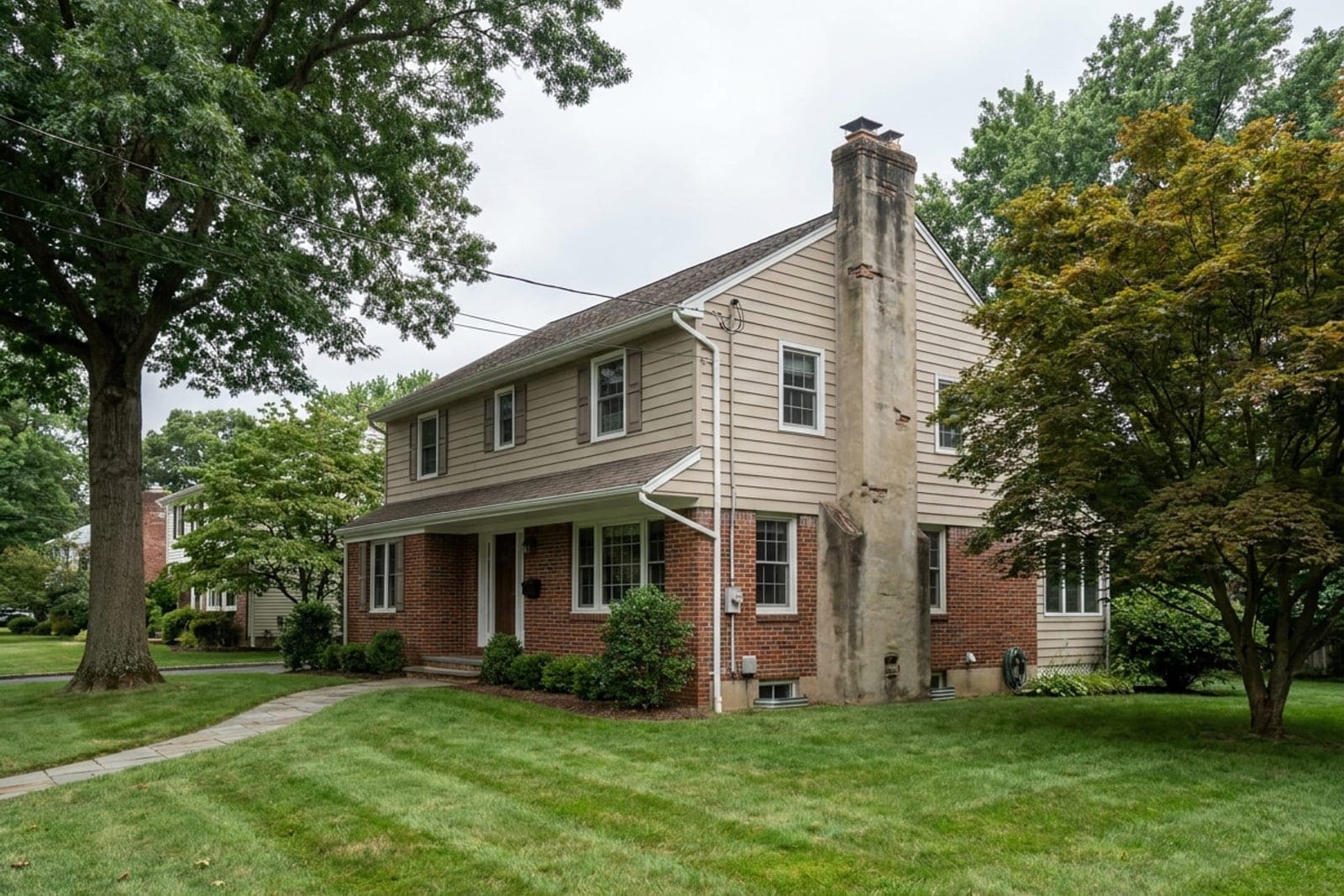
East Newark, Hudson County
Book a free on-site inspection in East Newark — pick a real open slot, get a written quote, and see before-and-after photos of every fix.
How it works
Our certified technicians first conduct a visual inspection of your East Newark chimney, assessing the extent and stage of creosote buildup. We then meticulously prepare the work area, setting up drop cloths and a negative air pressure system to ensure no soot or dust enters your home.
Using advanced power sweeping equipment and specialized rotary brushes, we thoroughly scrape and remove all layers of creosote from your flue. This intensive cleaning targets even the most stubborn, glazed deposits, ensuring your chimney is as clean as safely possible.
After the creosote is dislodged, we vacuum all debris and perform a final inspection to verify the flue is clear and safe. We then provide a detailed report on your chimney's condition and any further recommendations specific to your East Newark property.
More in East Newark
Creosote Removal nearby
