Ocean Township, Monmouth County
Creosote Removal in Ocean Township, NJ
Ensuring the safety and efficiency of your fireplace and chimney is paramount for any homeowner, especially in Ocean Township, NJ. At Jersey Chimney Pros, we specialize in expert creosote removal services designed to protect your home from the significant fire hazards associated with this dangerous byproduct of wood burning. Trust our skilled technicians to restore your chimney's integrity and provide peace of mind for your family.
Typical investment
From $200
- Local crews
- Licensed & insured
- Documented work
- Fast scheduling
- Serving Ocean Township and the surrounding Monmouth County towns
- $99 inspection, deducted from an approved quote
- Usually on the same Monmouth County route as Atlantic Highlands, Brielle, Colts Neck
Why Ocean Township homes need creosote removal
For residents in Ocean Township, with its charming suburban character and a mix of mid-century and newer single-family homes, maintaining a clean chimney is a crucial part of home upkeep. Our local crews understand the specific conditions that contribute to creosote buildup in this area, ensuring a thorough inspection and targeted cleaning that addresses your home’s unique needs. We keep a close eye on the types of flues and masonry prevalent in homes built over the decades in this inland Monmouth County community.
With roughly 27,672 residents, Ocean Township keeps us busy year-round. We pair it with Eatontown, Tinton Falls and Avon-by-the-Sea on the same route, so creosote removal in Ocean Township gets scheduled without a long wait.
Done by licensed crews
Our own team, never a subcontractor sent by a call center.
Written quote up front
You approve the price before any work begins.
Photo-documented
Before and after photos of every fix, in plain English.
Built for the local climate
Salt air, freeze-thaw and coastal wear factored in.
Protecting Ocean Township Homes from Creosote
Creosote is a highly flammable, tar-like substance that forms inside your chimney flue as a byproduct of burning wood. It's a mixture of unburned wood particles, soot, and moisture, and its accumulation is the leading cause of chimney fires. For Ocean Township homeowners who enjoy their fireplaces or wood stoves, understanding creosote's danger is the first step toward preventing catastrophic chimney fires that can quickly spread to the rest of your home, jeopardizing property and lives.
Creosote manifests in different stages, each posing a distinct level of risk. Class 1 creosote is typically a flaky or dusty soot, relatively easy to remove. Class 2 appears as tarry, sticky flakes, often resulting from slower burns and cooler flue temperatures, common in less efficient burning practices. The most dangerous form, Class 3, is a glazed, hardened creosote that resembles solidified tar, extremely difficult to remove and highly combustible. Our technicians are trained to identify all stages and apply the appropriate, safe removal techniques.
Ocean Township's inland climate, characterized by humid summers and often damp, cold winters, combined with the prevalent housing stock of mid-century and newer homes, significantly impacts creosote formation. Older masonry chimneys, common in homes built decades ago, can be particularly susceptible to accelerated creosote buildup due to their construction and how they interact with local humidity levels and temperature fluctuations. Inefficient burning practices, often due to seasoned wood or improper air supply, further exacerbate this issue, turning an enjoyable fire into a potential hazard.
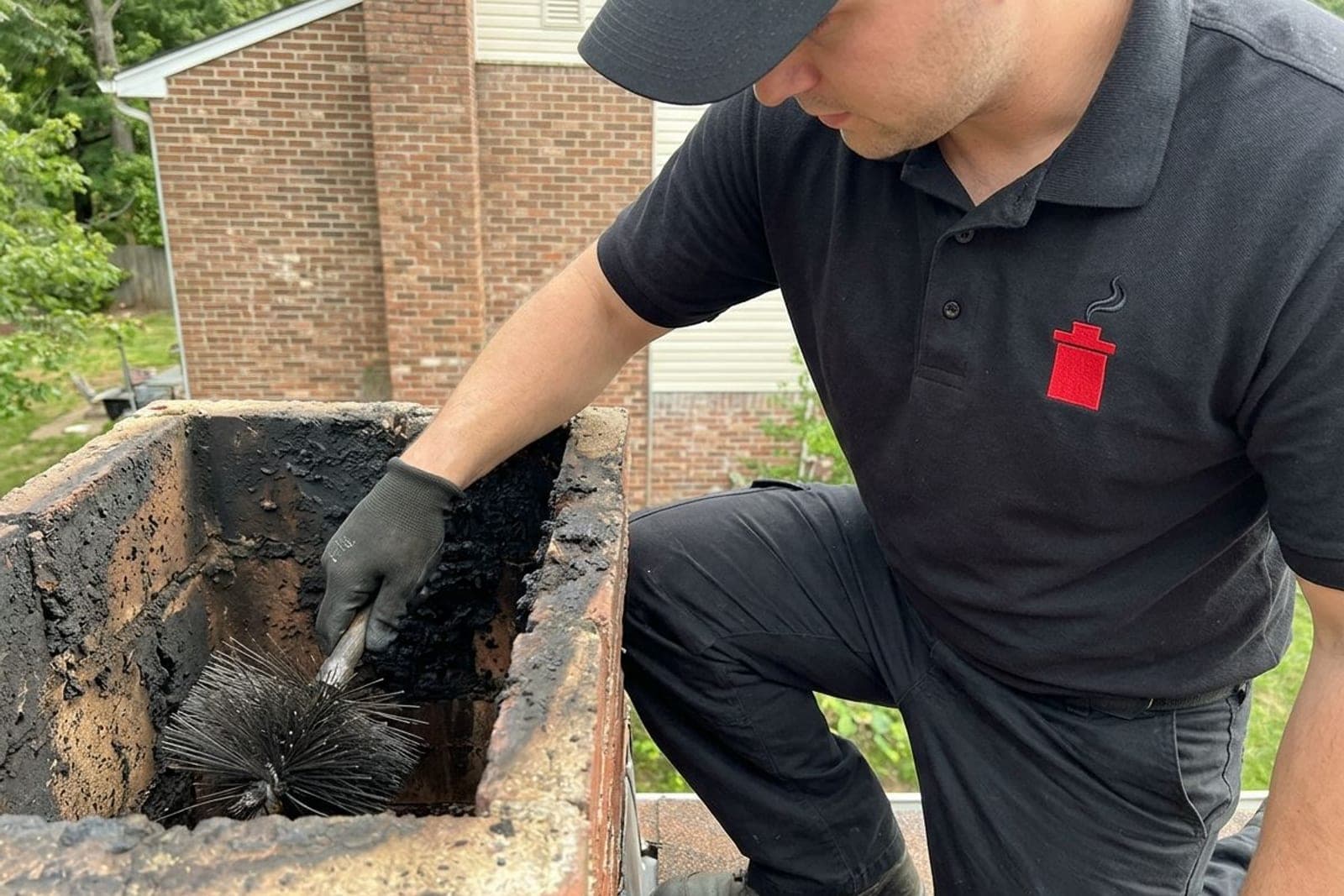
Professional creosote removal is a meticulous process that goes far beyond a standard chimney sweep. Our certified technicians use specialized rotary brushes, powerful vacuums, and chemical treatments designed to safely break down and remove even the most stubborn, glazed creosote. We take extensive precautions to protect your Ocean Township home from mess, covering the fireplace opening and surrounding areas, ensuring a clean and efficient job from start to finish.
The National Fire Protection Association (NFPA) Standard 211 recommends annual chimney inspections and cleanings to prevent creosote buildup and identify any structural issues. This annual service is crucial for Ocean Township residents, ensuring compliance with safety standards and prolonging the life of your chimney system. While a basic sweep addresses soot, creosote removal is a deeper, more intensive cleaning specifically targeting the dangerous, hardened deposits that pose the greatest fire risk, ensuring your system operates safely.
Maintaining a healthy chimney liner is also critical, particularly in older Ocean Township homes where original masonry chimneys may show signs of wear. Creosote buildup can degrade liners, whether they are clay, metal, or cast-in-place, making them less effective at containing heat and combustion byproducts. A compromised liner can allow dangerous carbon monoxide to seep into your living space, or heat to transfer to combustible materials in your home's structure, highlighting why professional creosote removal is an essential preventative measure for overall chimney system integrity.
A Thorough Approach to Chimney Safety
Every creosote removal we do in Ocean Township includes:
- Comprehensive visual inspection of the chimney flue and firebox
- Thorough brushing and scraping of creosote deposits from flue walls
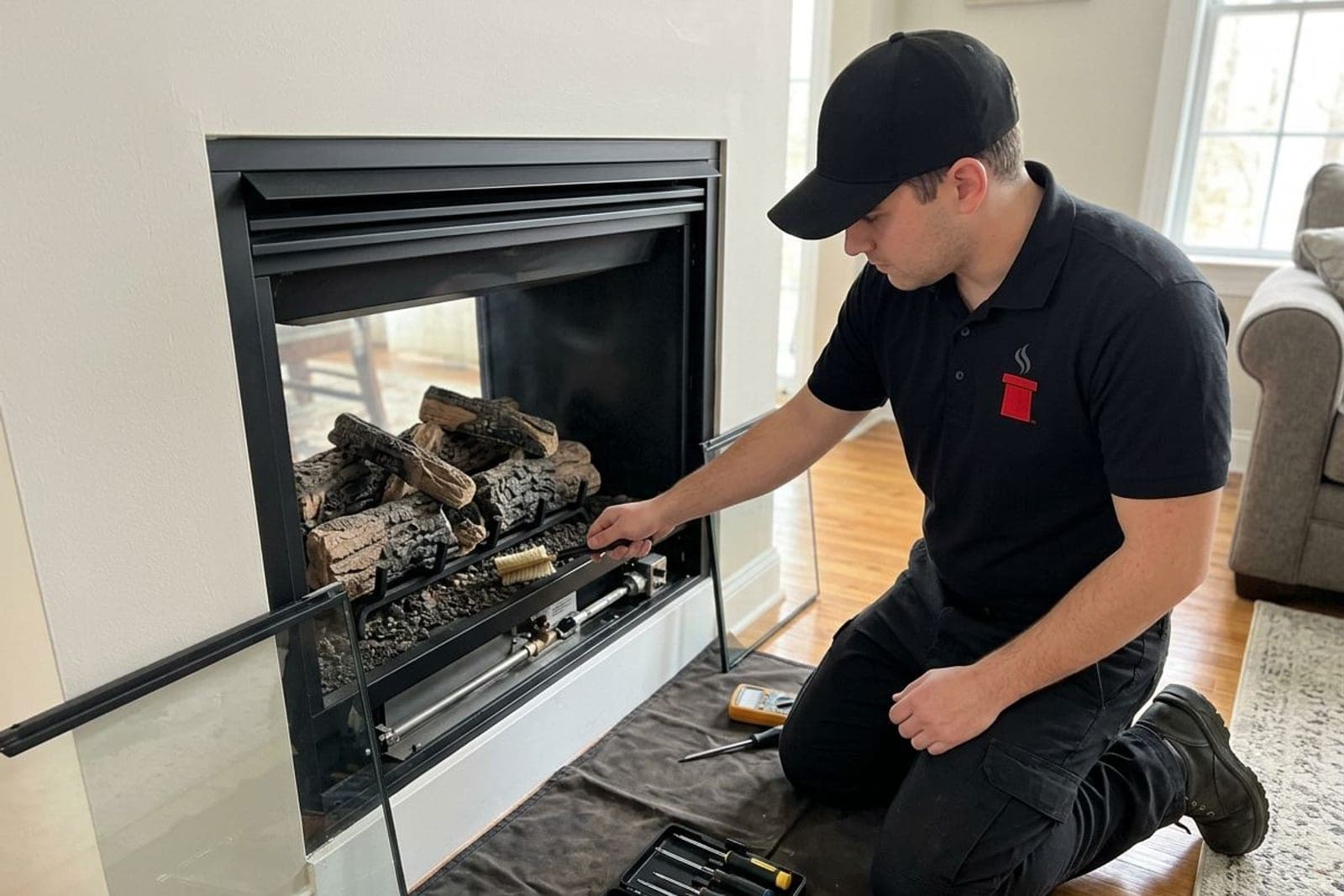
- Specialized power sweeping for stubborn, glazed creosote
- Use of rotary brushes and chains to dislodge hardened creosote
- High-powered vacuum system to contain all debris and dust
- Inspection of the chimney crown, cap, and accessible exterior components
- Recommendations for future preventative measures and maintenance
- Protection of your home’s interior furnishings and flooring
Professional, clean, no-mess service.
When Your Ocean Township Chimney Needs Cleaning
- Strong, pungent odors emanating from the fireplace
- Visible tarry, flaky, or glazed buildup inside the flue
- Reduced draft or smoky fireplace operation
- Difficulty starting or maintaining a fire
- Soot or black flakes falling into the firebox
- An unusually hot chimney exterior during use
- You haven't had a professional cleaning in over a year
If you notice smoke backup or stage-3 creosote, book immediately.
Book nowOcean Township's Specific Creosote Challenges
While Ocean Township enjoys an inland setting without direct coastal exposure, its Monmouth County location means homes still experience significant humidity, cold winters, and exposure to strong weather systems like nor'easters. This combination creates ideal conditions for creosote accumulation, especially in uninsulated flues or when burning unseasoned wood. Many mid-century homes feature traditional masonry fireplaces that can be more prone to creosote issues if not regularly maintained, impacting draft and increasing fire risk.
The Jersey Chimney Pros Method
 1
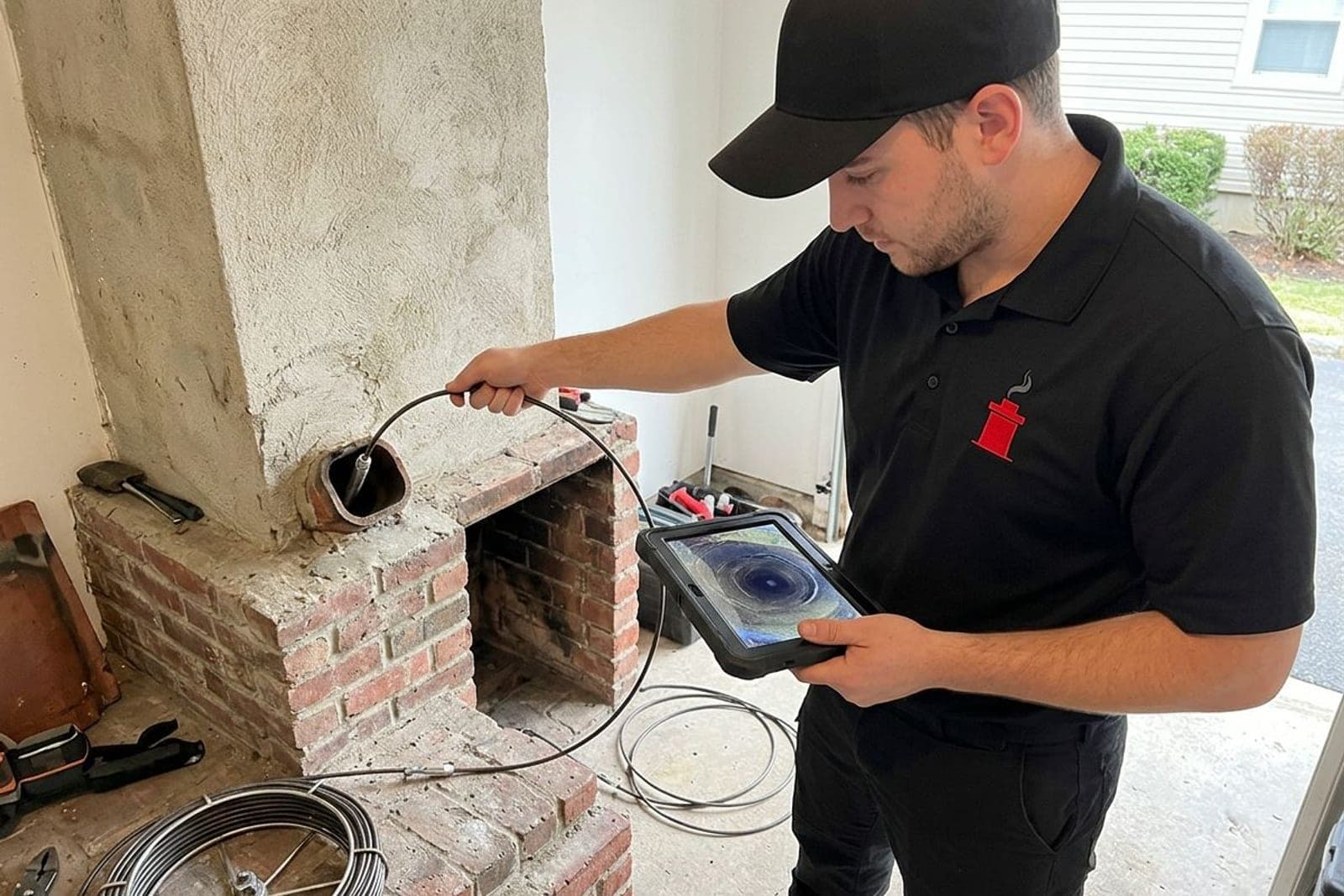
1On-Site Evaluation
Our certified technician will arrive at your Ocean Township home to conduct a thorough visual inspection of your chimney, assessing the creosote levels and overall condition of your flue system to determine the scope of work.
 2
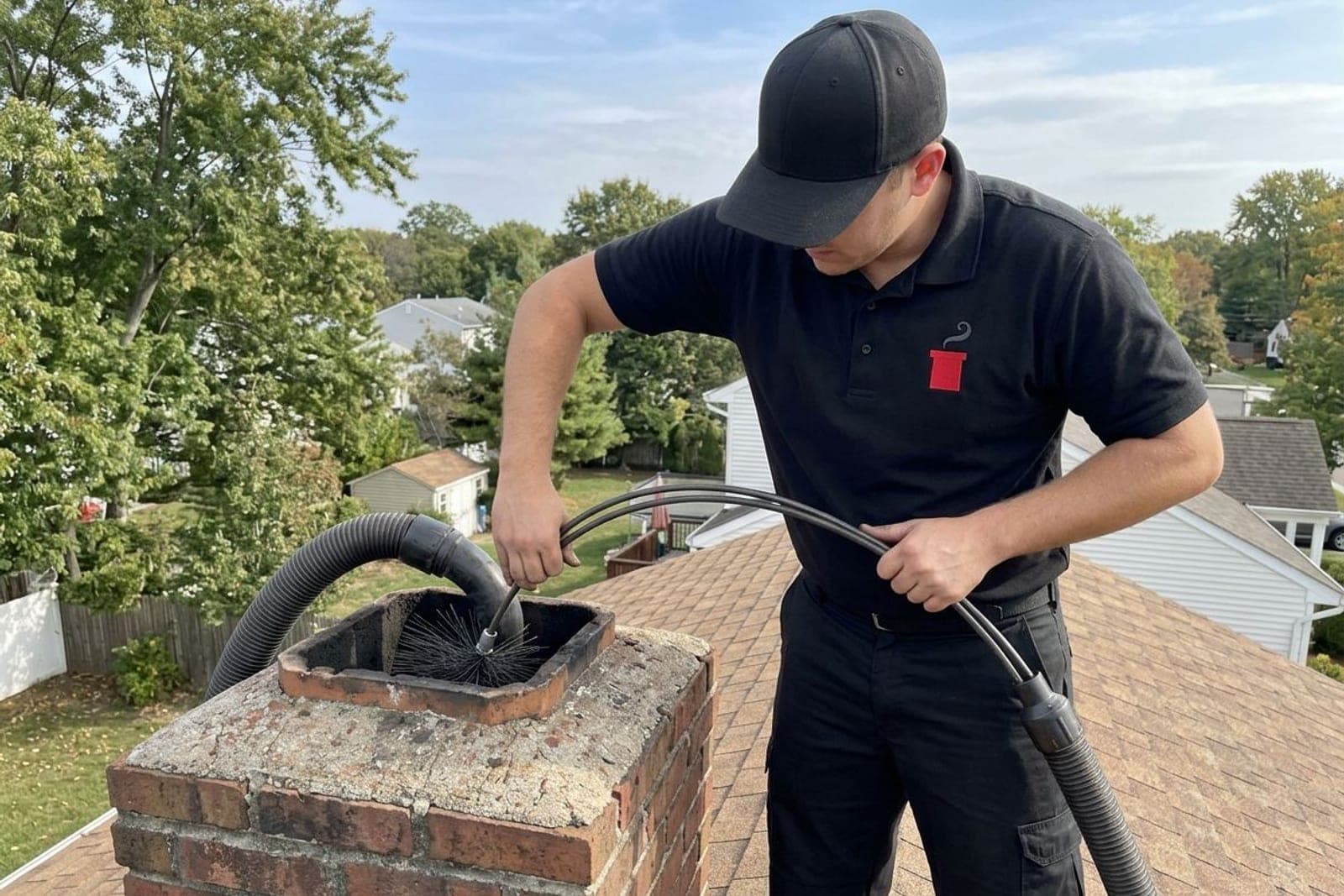
2Professional Cleaning
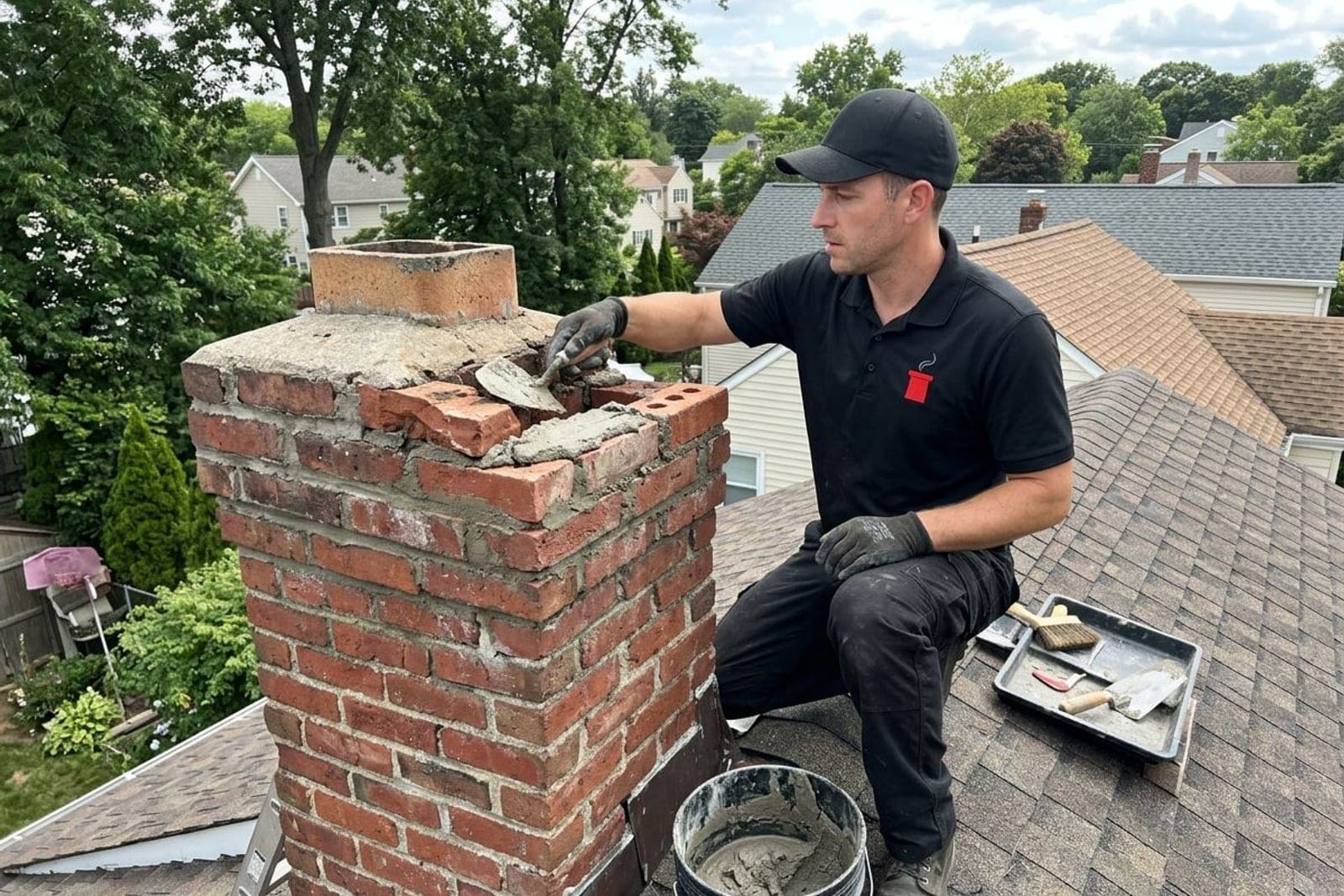
Using specialized tools and techniques, including power sweeping and advanced brushes, we will meticulously remove all stages of creosote buildup, ensuring your chimney is free from dangerous, flammable deposits.
 3
3Post-Service Review
After the cleaning, we'll provide a detailed report on your chimney's condition and offer expert recommendations for ongoing maintenance and safety, ensuring your peace of mind long after we leave.
| Warning Sign | What It Means in Ocean Twp. | Urgency for Your Home |
|---|---|---|
| Strong, pungent odors | Creosote accumulation, common in humid Ocean Twp. | Inspection needed soon. |
| Visible buildup, soot, or flakes | Direct sign of dangerous Class 2/3 creosote | Immediate professional removal needed. |
| Reduced draft or smoky fireplace | Flue obstruction from creosote buildup | Schedule inspection without delay. |
| Difficulty starting/maintaining a fire | Poor airflow from creosote, common in older flues | Critical for safety; call us for an inspection. |
| Unusually hot chimney exterior | Potential chimney fire or severe buildup | STOP use immediately; contact us. |
| No professional cleaning in >1 year | Annual cleaning is recommended for Ocean Twp. | Schedule Inspection (no fee). |
Prices verified on .
Built for Ocean Township's homes and climate
With roughly 27,672 residents, Ocean Township keeps us busy year-round. We pair it with Eatontown, Tinton Falls and Avon-by-the-Sea on the same route, so creosote removal in Ocean Township gets scheduled without a long wait.
Ocean TownshipMonmouth County, NJ · 40.256, -74.045
Your Creosote Removal Questions Answered
How often should I have creosote removed from my Ocean Township chimney?
The NFPA recommends annual inspections and cleanings. For homeowners in Ocean Township who frequently use their fireplaces or wood stoves, or those with older masonry chimneys, more frequent cleanings might be necessary to prevent dangerous creosote buildup, depending on burning habits and fuel type.
What's the difference between a standard chimney sweep and creosote removal?
A standard sweep typically removes soot and minor creosote, improving draft and reducing fire risk. Creosote removal, however, is a more intensive service targeting hardened, glazed creosote (Class 2 or 3), which requires specialized tools and techniques beyond what a basic sweep can accomplish.
Can I remove creosote myself from my Ocean Township home's chimney?
We strongly advise against DIY creosote removal, especially for Class 2 or 3 deposits. It requires specialized tools, expertise, and safety equipment to avoid damage to your flue or dangerous exposure. Professional services like ours ensure the job is done safely and effectively for your Ocean Township property.
What is the typical price range for creosote removal in Ocean Township, NJ?
While every chimney is unique, creosote removal in Ocean Township typically ranges from $200, depending on the severity of the buildup and the complexity of the flue. For an accurate estimate, we conduct an on-site inspection at $99 plus tax.
Does Ocean Township's climate affect creosote accumulation?
Yes, absolutely. The inland humidity and cold winters in Ocean Township, combined with the presence of older masonry chimneys in many mid-century homes, can accelerate creosote formation. Proper burning practices and annual professional maintenance are vital to counteract these environmental factors.
How does creosote affect my chimney liner?
Creosote is acidic and can severely degrade chimney liners over time, regardless of material. This damage compromises the liner's ability to protect your Ocean Township home from heat transfer and contain harmful gases like carbon monoxide. Regular creosote removal helps preserve your liner's integrity and extends its lifespan.
Get in touch
- (732) 889-5194
- contact@jerseychimneypros.com
- Based in Lakewood, NJ — serving Ocean Township

Need your chimney checked in Ocean Township?
Clear pricing, local scheduling, and honest written recommendations you can trust.

Book your creosote removal in Ocean Township
Real open times on our crew's calendar — confirmed instantly.
Creosote Removal in Ocean Township