Hazlet, Monmouth County
Creosote Removal in Hazlet, NJ
Ensure your Hazlet home remains safe and efficient with expert creosote removal services from Jersey Chimney Pros. As a leading chimney company serving Monmouth County, we specialize in thoroughly clearing hazardous creosote buildup from flues, protecting your family and property. Safeguarding your mid-century suburban residence in Hazlet from chimney fire risks starts with professional creosote removal.
Typical investment
From $200
- Local crews
- Licensed & insured
- Documented work
- Fast scheduling
- Serving Hazlet and the surrounding Monmouth County towns
- $99 inspection, deducted from an approved quote
- Usually on the same Monmouth County route as Atlantic Highlands, Brielle, Colts Neck
Why Hazlet homes need creosote removal
For Hazlet, a charming suburban township with a population of 20,126 residents, maintaining the integrity of its many mid-century single-family homes is paramount. Our local crews understand the common construction styles and typical usage patterns of chimneys in Hazlet, paying close attention to the unique needs of these well-established residences. We ensure every chimney is inspected with the history and characteristics of Hazlet properties in mind.
With roughly 20,126 residents, Hazlet keeps us busy year-round. We pair it with Keyport, Aberdeen and Matawan on the same route, so creosote removal in Hazlet gets scheduled without a long wait.
Done by licensed crews
Our own team, never a subcontractor sent by a call center.
Written quote up front
You approve the price before any work begins.
Photo-documented
Before and after photos of every fix, in plain English.
Built for the local climate
Salt air, freeze-thaw and coastal wear factored in.
Safeguarding Hazlet Mid-Century Homes from Creosote
Creosote is a highly flammable byproduct of wood combustion that accumulates inside your chimney flue, posing a significant fire hazard. Over time, as wood smoke travels up the chimney, unburnt particles, gases, and moisture condense, forming a tar-like substance that can range from a powdery soot to a hard, glossy glaze. Removing this buildup is not just about cleanliness; it's a vital safety measure mandated by NFPA 211 standards, which recommend annual chimney inspections and cleanings to prevent dangerous chimney fires and ensure proper ventilation, especially for Hazlet families using their fireplaces frequently during cooler months.
Many homes across Hazlet feature chimneys that have seen decades of use, often with original clay liners that can degrade over time, making them more susceptible to creosote adherence and damage. The consistent use of fireplaces in these mid-century homes, particularly during cold New Jersey winters, can lead to substantial creosote accumulation. Our specialized removal process addresses these specific challenges, focusing on thorough cleaning techniques that are safe for older masonry and lining systems, preventing costly repairs and ensuring the longevity of your chimney system.
Creosote progresses through three stages, each increasing in density and flammability. Stage one is a flaky soot, easily removed with a standard chimney sweep. Stage two is a tar-like, crunchy deposit, more challenging to eliminate. Stage three creosote, a shiny, glazed, and extremely flammable substance, presents the highest risk of chimney fires, which can reach temperatures over 2,000 degrees Fahrenheit, capable of destroying your chimney and spreading to your Hazlet home. Additionally, blockages from heavy creosote can lead to dangerous carbon monoxide (CO) leaks into living spaces, a silent killer.
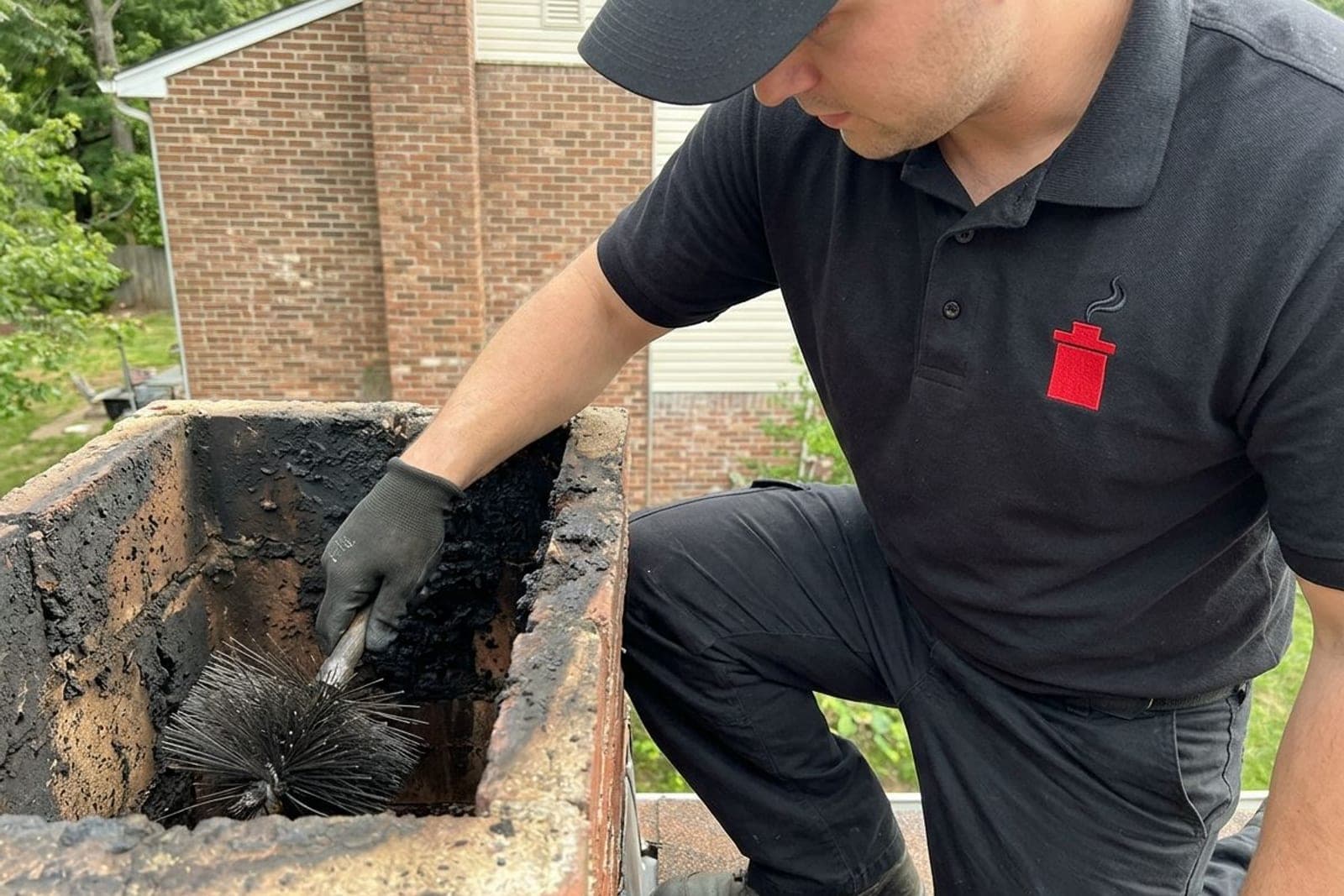
Professional creosote removal goes beyond a basic chimney sweep, targeting stubborn, glazed deposits that a standard brush might miss. Our technicians use specialized tools, including rotary brushes, chains, and chemical treatments when necessary, to safely and effectively break down and remove even the most hardened creosote. This meticulous approach ensures the entire flue is cleared, reducing fire risk and improving your chimney's draft, which is crucial for the efficient and safe operation of heating appliances in Hazlet's suburban environment.
To maintain optimal safety and efficiency for your Hazlet home, it's essential to schedule creosote removal based on your chimney's usage and the type of wood burned. The National Fire Protection Association (NFPA) recommends an annual inspection for all chimneys, regardless of use, and cleaning as needed. Typically, early spring or late summer are ideal times to book, well before the colder weather sets in and fireplace use increases, ensuring your chimney is ready and safe for the entire heating season. Don't wait until you notice issues; proactive maintenance is key to chimney health.
Thorough Creosote Clearance for Hazlet Flues
Every creosote removal we do in Hazlet includes:
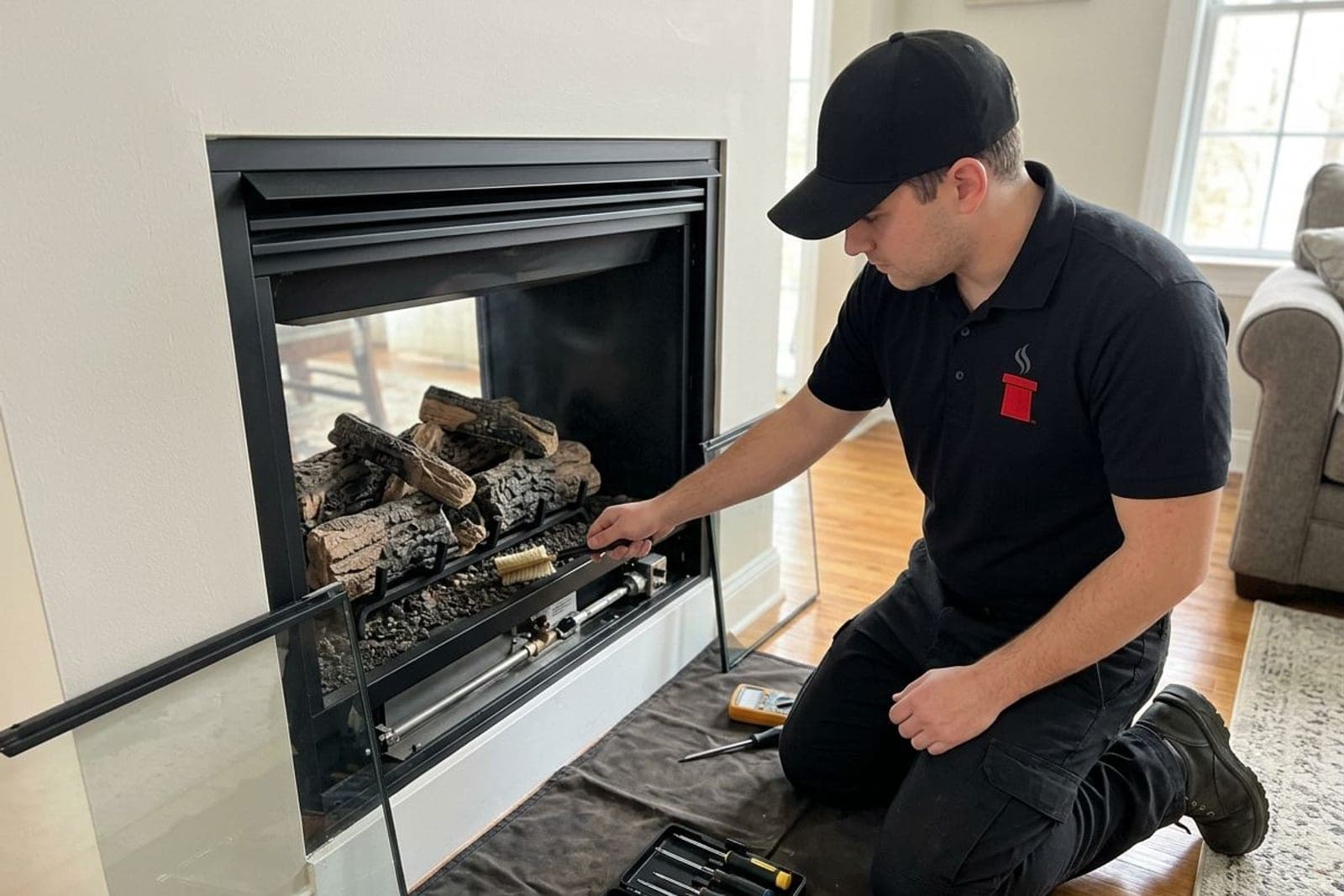
- Comprehensive chimney system inspection
- Detailed assessment of creosote buildup stage
- Thorough mechanical removal of creosote from flue
- Cleaning of smoke chamber and damper assembly
- Hearth and surrounding area protection
- Post-service cleanup and debris removal
- Recommendation for future maintenance and repairs
Professional, clean, no-mess service.
Clues Your Hazlet Chimney Needs Cleaning
- Heavy, black, flaky or tar-like deposits visible inside the flue
- A strong, acrid odor emanating from the fireplace
- Reduced draft or difficulty getting a fire started
- A 'roaring' sound heard during fires (potential chimney fire)
- Smoke backing up into your Hazlet home
- Dark streaks or stains on the chimney exterior
If you notice smoke backup or stage-3 creosote, book immediately.
Book nowHazlet Mid-Century Chimneys and Creosote Buildup
Despite being an inland community, Hazlet's location in New Jersey means its chimneys are still subject to significant weather fluctuations that contribute to creosote accumulation. High humidity levels, particularly during summer and fall, can accelerate creosote formation, while the potential for nor'easters and cold winters increases reliance on fireplaces and wood stoves. These conditions, combined with the age of many Hazlet homes, make regular creosote removal a critical maintenance task for preventing chimney fires.
How We Tackle Hazlet Creosote Buildup
 1
1On-Site Inspection and Assessment
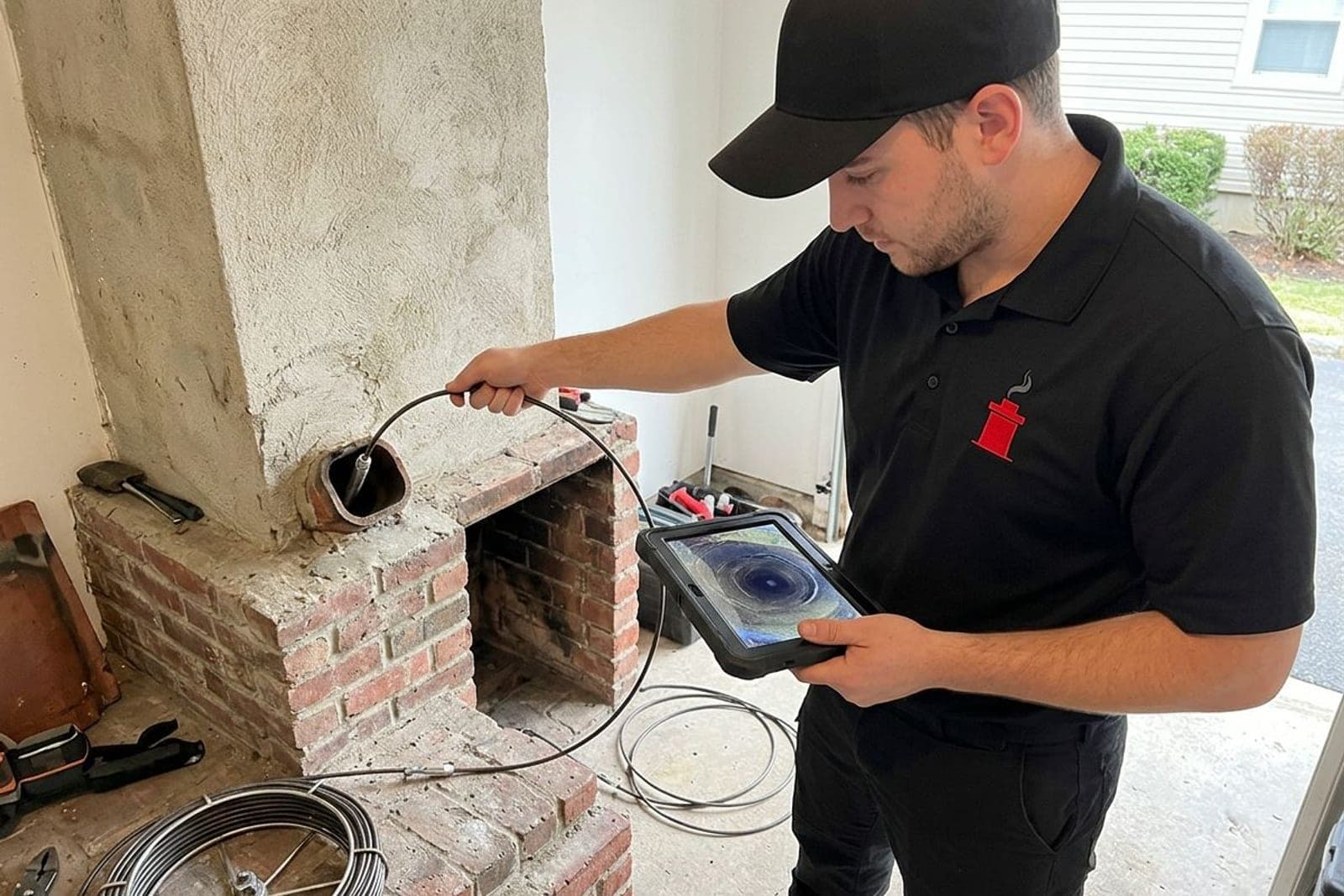
Our certified technicians will conduct a detailed, $99 plus tax on-site inspection of your Hazlet chimney. We assess the creosote type and stage, identify any damage, and determine the best removal strategy.
 2
2Professional Creosote Removal
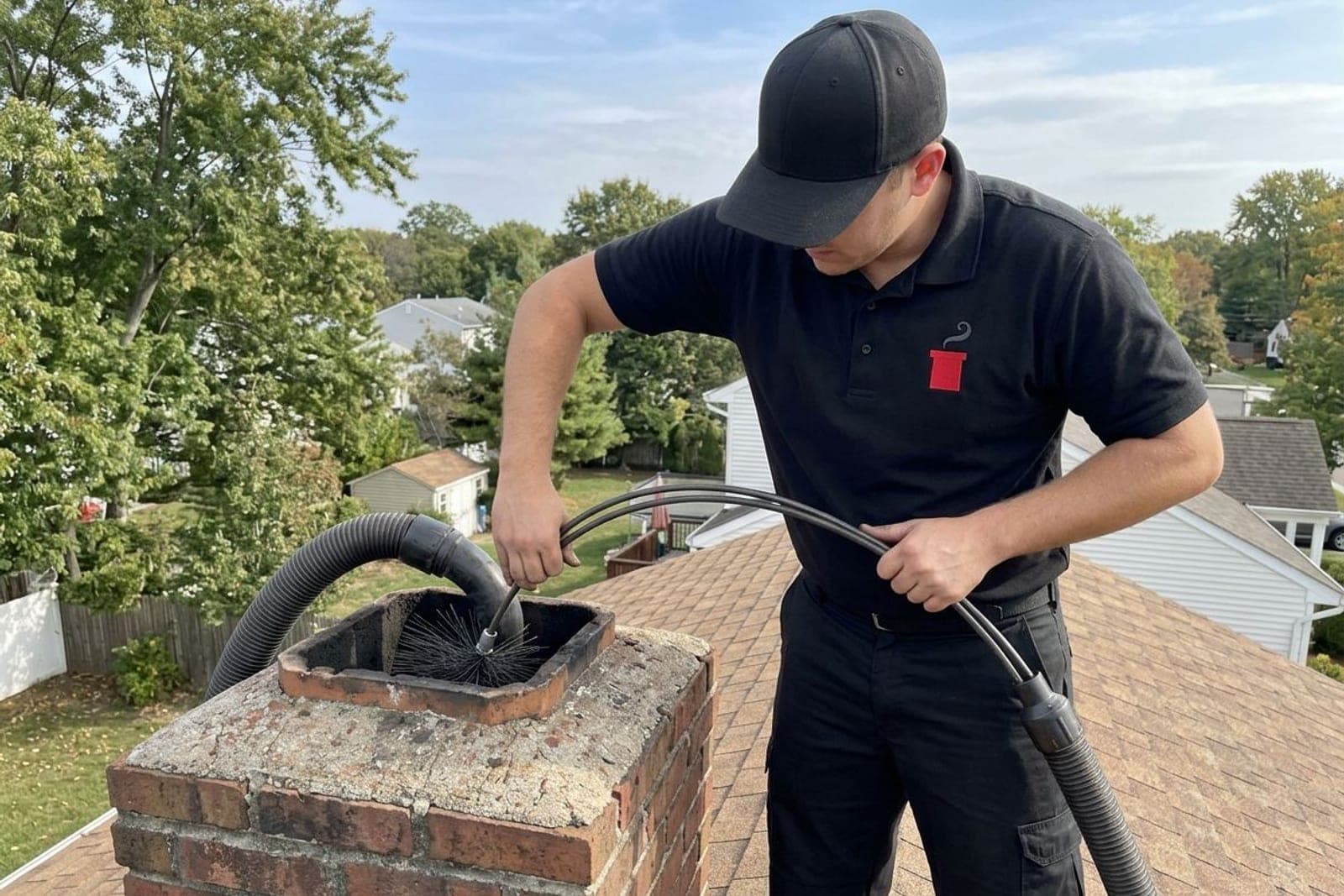
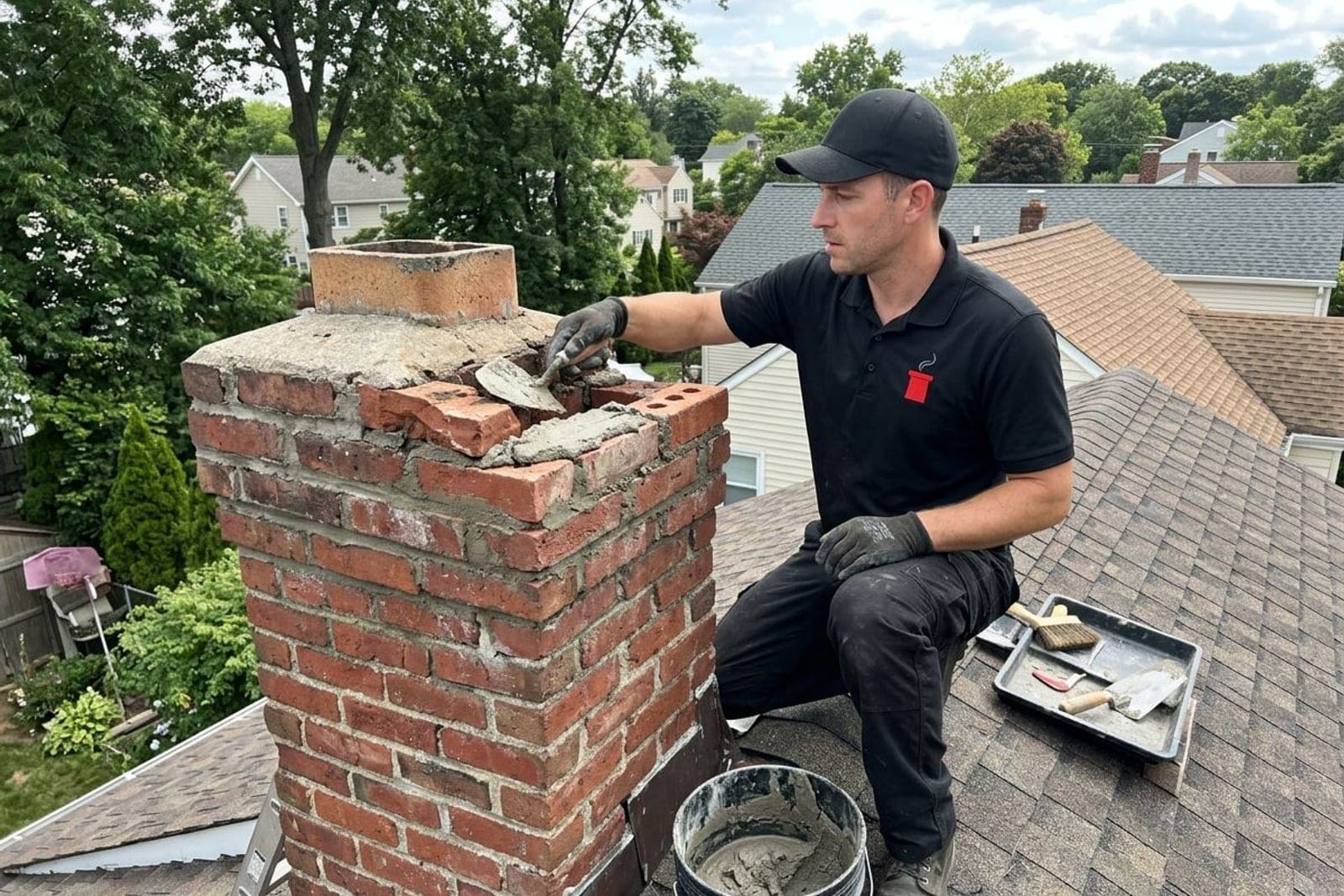
Using specialized tools and techniques, our team meticulously removes all creosote buildup from your flue, ensuring thorough cleaning. We take care to protect your home's interior throughout the entire process.
 3
3Final Cleanup and Safety Check
After the removal, we perform a complete cleanup of the work area and conduct a final safety check. We'll provide you with a detailed report and recommendations for maintaining a safe and efficient chimney system for your Hazlet home.
| Symptom | What it Indicates | Action for Hazlet Homes |
|---|---|---|
| Visible deposits in flue | Creosote buildup, fire risk | Schedule inspection |
| Strong, acrid odor | Creosote, ventilation issue | Professional cleaning needed |
| Reduced draft or difficult fires | Flue blockage, creosote accumulation | Stop use, urgent service |
| 'Roaring' sound during fires | Active chimney fire | Evacuate, Call 911 |
| Smoke backing into Hazlet home | Blocked flue, serious hazard | Stop use, call Pros now |
| Dark streaks on chimney exterior | Creosote leakage, liner damage | Get professional assessment |
Prices verified on .
Built for Hazlet's homes and climate
With roughly 20,126 residents, Hazlet keeps us busy year-round. We pair it with Keyport, Aberdeen and Matawan on the same route, so creosote removal in Hazlet gets scheduled without a long wait.
HazletMonmouth County, NJ · 40.415, -74.172
Questions from Hazlet Residents About Creosote
How much does creosote removal typically cost in Hazlet, NJ?
The typical price range for creosote removal in Hazlet starts from $200, depending on the severity of the buildup and the complexity of your chimney system. An initial on-site inspection ($99 plus tax) will provide you with a precise quote.
How often should I have creosote removed from my Hazlet chimney?
The National Fire Protection Association (NFPA) recommends annual chimney inspections for all chimneys, and cleaning (including creosote removal) as needed. For Hazlet homeowners who frequently use their fireplaces or wood stoves, especially with unseasoned wood, more frequent cleaning might be necessary to prevent hazardous buildup.
Are Hazlet's older, mid-century homes more prone to creosote issues?
Yes, many of Hazlet's charming mid-century homes often have chimneys that have been in use for decades. Without consistent, professional maintenance, these older systems can accumulate significant creosote, and their original liners might be more susceptible to creosote adherence and potential damage.
What's the difference between a regular chimney sweep and creosote removal?
A regular chimney sweep is ideal for routine maintenance and removing light soot and stage one creosote. Creosote removal, however, is a more intensive process specifically designed to tackle heavy, glazed, and hardened stage two and three creosote deposits that pose a higher fire risk and require specialized tools and techniques.
Does Hazlet's inland climate affect creosote buildup?
While Hazlet is inland, New Jersey's general climate, characterized by humid summers and cold winters, does impact creosote. Humidity can make creosote more sticky and difficult to remove, and heavy reliance on fireplaces during cold snaps contributes to faster accumulation, making regular professional cleaning essential for Hazlet residents.
Why choose Jersey Chimney Pros for creosote removal in my Hazlet home?
Jersey Chimney Pros is licensed and deeply familiar with the unique chimney needs of Hazlet homes. We provide trustworthy, thorough, and highly effective creosote removal services, backed by a documented, photographed process and a commitment to safety, ensuring your family's peace of mind.
Get in touch
- (732) 889-5194
- contact@jerseychimneypros.com
- Based in Lakewood, NJ — serving Hazlet

Need your chimney checked in Hazlet?
Clear pricing, local scheduling, and honest written recommendations you can trust.

Book your creosote removal in Hazlet
Real open times on our crew's calendar — confirmed instantly.
Creosote Removal in Hazlet