Farmingdale, Monmouth County
Creosote Removal in Farmingdale, NJ
Protecting your Farmingdale home from the hidden dangers of creosote buildup is a crucial step in maintaining a safe and efficient chimney system. Jersey Chimney Pros specializes in thorough creosote removal, ensuring peace of mind for residents of this charming Monmouth County borough.
Typical investment
From $200
- Local crews
- Licensed & insured
- Documented work
- Fast scheduling
- Serving Farmingdale and the surrounding Monmouth County towns
- $99 inspection, deducted from an approved quote
- Usually on the same Monmouth County route as Atlantic Highlands, Brielle, Colts Neck
Why Farmingdale homes need creosote removal
Farmingdale's small historic borough character means many homes feature older, well-loved fireplaces and chimneys that are particularly susceptible to creosote accumulation. Our local crews understand the unique construction and maintenance needs of these established village homes, knowing exactly what to look for during an inspection.
Farmingdale counts about 1,505 residents, and we cover it end to end — along with Howell, Wall and Colts Neck on the same run. Booking creosote removal here rarely means waiting for a crew to come from far away.
Done by licensed crews
Our own team, never a subcontractor sent by a call center.
Written quote up front
You approve the price before any work begins.
Photo-documented
Before and after photos of every fix, in plain English.
Built for the local climate
Salt air, freeze-thaw and coastal wear factored in.
Protecting Older Farmingdale Homes from Creosote Buildup
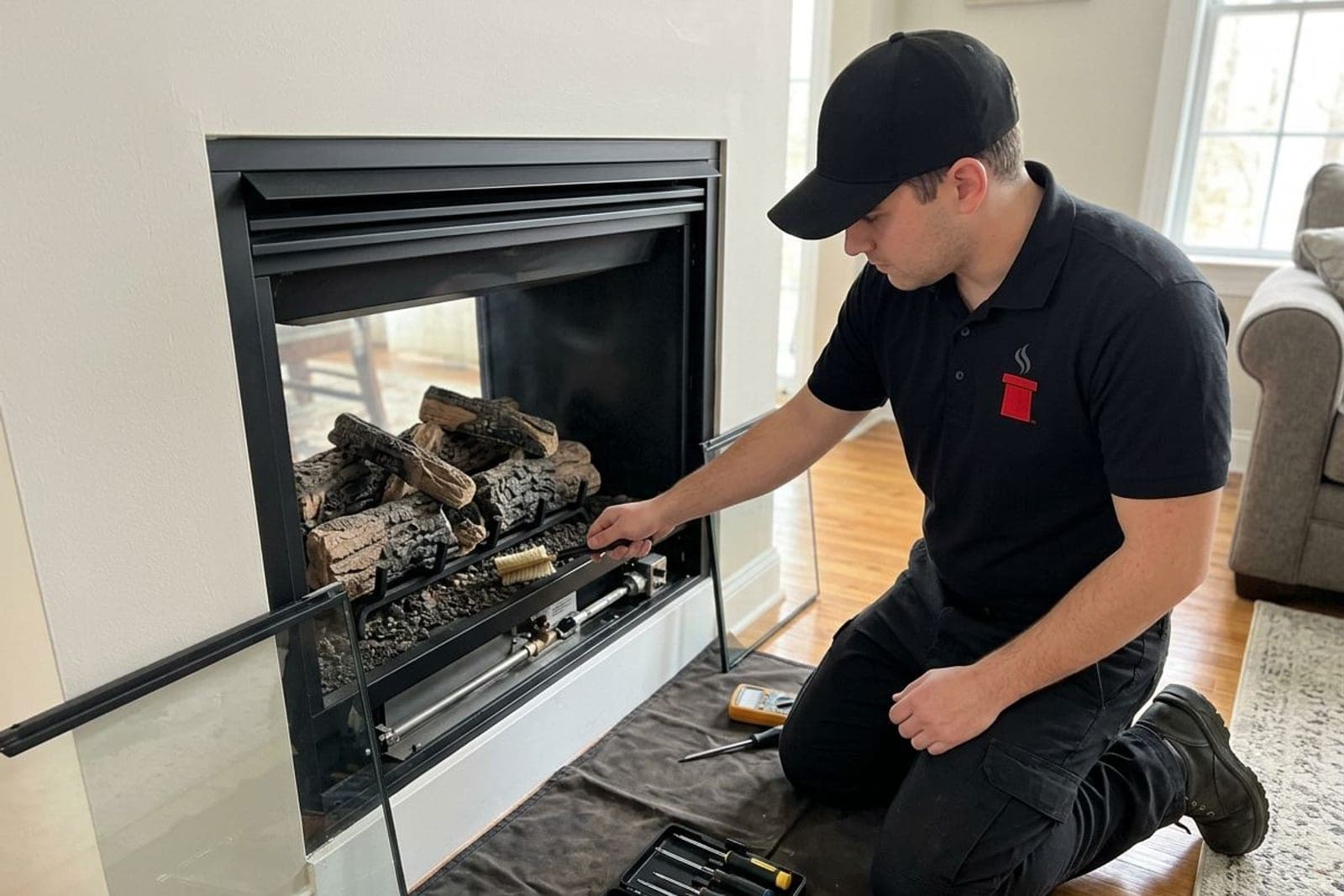
Creosote is a highly flammable byproduct of incomplete wood combustion, accumulating as a tar-like substance on the inner walls of your chimney flue. In older Farmingdale village homes, where chimneys may not have modern liners or consistent maintenance, this buildup poses a severe fire risk. As creosote hardens and glazes, it becomes incredibly difficult to remove with standard chimney sweeping tools, necessitating specialized techniques to restore safety and proper draft.
The National Fire Protection Association (NFPA) Standard 211 recommends annual chimney inspections and cleanings to prevent creosote buildup and detect any structural issues. For Farmingdale residents utilizing their fireplaces frequently, especially during the long, cold inland winters, adhering to this guideline is paramount. Regular professional service from Jersey Chimney Pros not only removes hazardous creosote but also identifies potential problems like cracks in the flue or blockages that could lead to carbon monoxide intrusion, a silent killer.
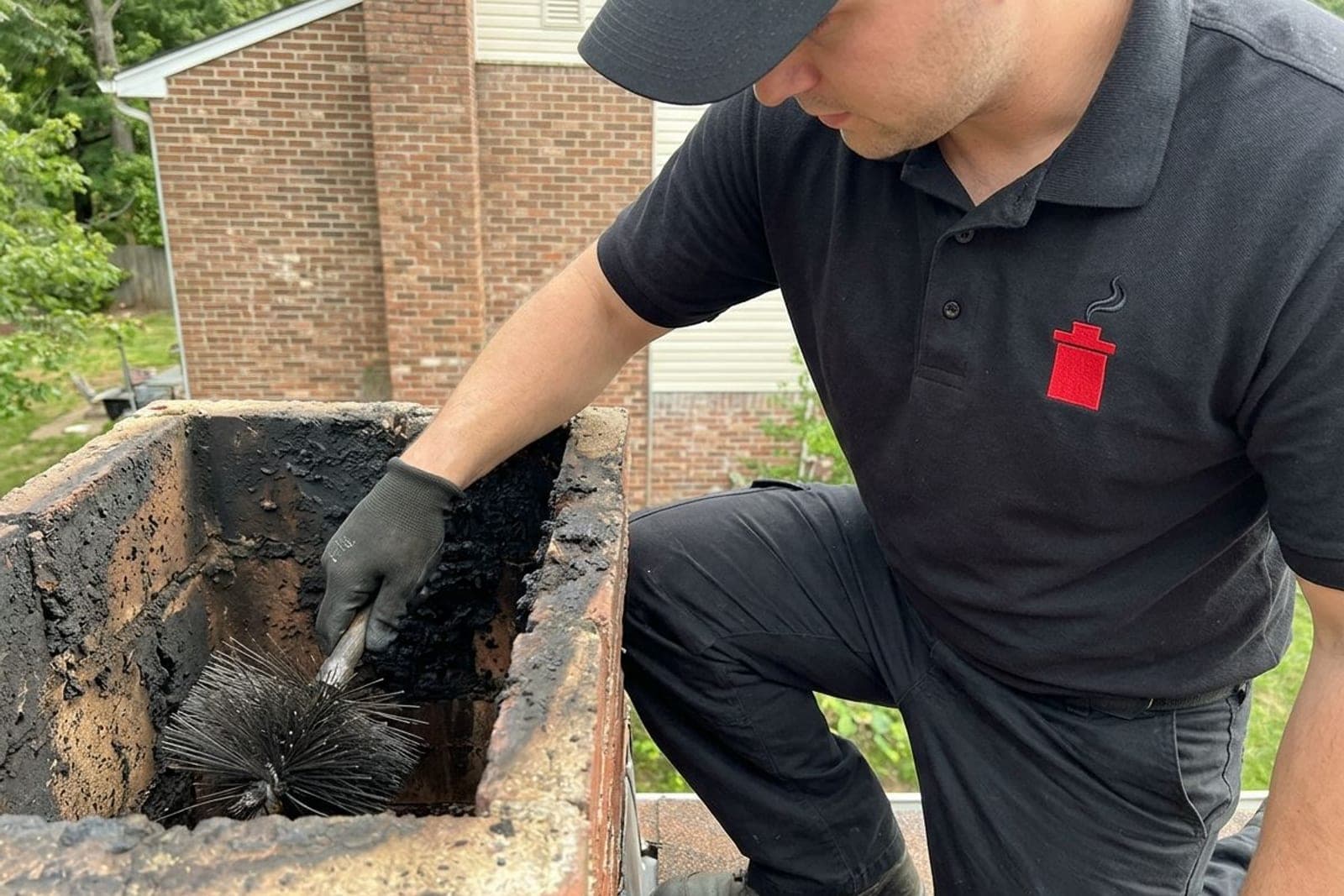
Our comprehensive creosote removal process goes far beyond a basic brush-and-vacuum sweep. We employ advanced rotary power tools, specialized scraping implements, and even chemical treatments designed to break down stubborn, glazed creosote deposits, particularly common in older, heavily used chimneys found in Farmingdale. This meticulous approach ensures that even the most tenacious, third-degree creosote is safely and effectively dislodged, leaving your flue walls clean and significantly reducing fire hazards.
Farmingdale's specific inland climate, with its pronounced seasonal temperature swings and humid summers, plays a significant role in creosote formation. Wood burned in higher humidity conditions or not fully seasoned can contribute to more inefficient combustion, leading to heavier creosote deposits. Our technicians understand these local nuances, advising Farmingdale homeowners on best burning practices and how regular creosote removal is a critical defense against the accelerated buildup that these local conditions can foster.
Beyond the obvious fire hazard, significant creosote accumulation can lead to dangerous carbon monoxide (CO) leaks into your Farmingdale home. Blocked flues prevent proper exhaust, pushing deadly CO back into living spaces. Moreover, the acidic nature of creosote can degrade the chimney liner and masonry over time, leading to costly repairs and compromising the structural integrity of your entire chimney system, a particular concern for the historic chimneys prevalent in Farmingdale.
The best time to schedule creosote removal is before the heating season begins or immediately after a period of heavy use. This ensures your chimney is clean and ready for safe operation when you need it most. Our service is distinct from a routine chimney sweep; it's a deep cleaning specifically targeting thick, hardened creosote. If you notice a strong smoky odor, poor draft, or visible tar-like residue in your Farmingdale chimney, it's time to call the professionals at Jersey Chimney Pros.
Thorough Creosote Abatement for Farmingdale Chimneys
Every creosote removal we do in Farmingdale includes:
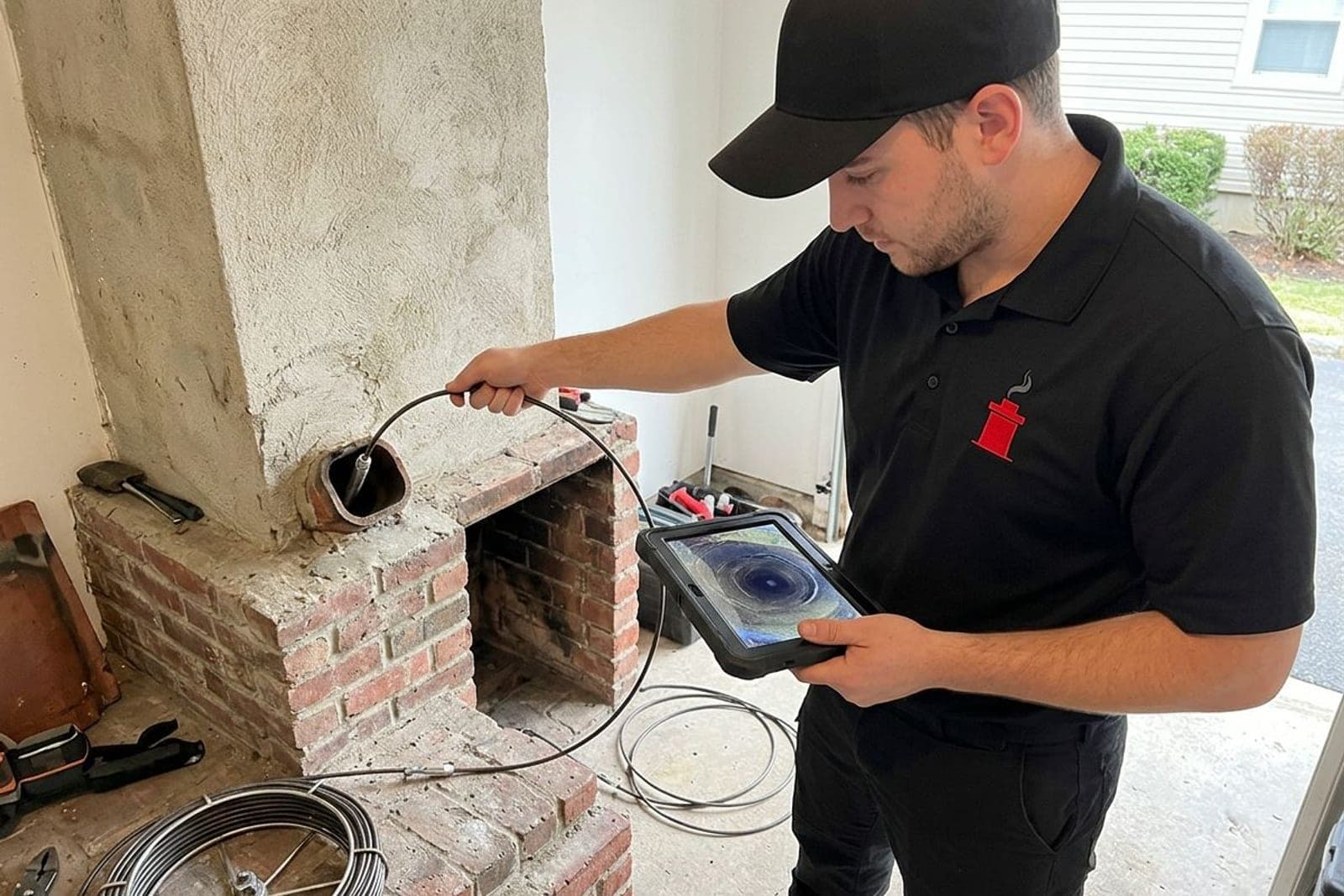
- Thorough video inspection of the entire flue system
- Comprehensive removal of all creosote stages (first, second, and third degree)
- Use of specialized rotary cleaning tools and manual scraping techniques
- Application of creosote-specific chemical treatments if necessary
- Detailed assessment of chimney liner integrity
- Smoke chamber and damper plate cleaning
- Hearth and surrounding area protection during service
- Professional cleanup and debris removal
Professional, clean, no-mess service.
Crucial Indicators of Creosote Buildup Danger
- A persistent, strong odor of wood smoke within your Farmingdale home
- Reduced draft or difficulty getting a fire started in your fireplace
- Visible flaky, tarry, or shiny black residue inside the flue
- Smoke backing up into your living room after lighting a fire
- A 'roaring' sound from the chimney during a fire, indicating a chimney fire
- Soot or black flakes falling into the firebox
- Your chimney hasn't been professionally inspected or cleaned in over a year
If you notice smoke backup or stage-3 creosote, book immediately.
Book nowCreosote Risks in Farmingdale's Older Village Homes
As an inland town, Farmingdale homes experience distinct climate factors, such as higher humidity levels compared to coastal areas, which can accelerate creosote formation if wood isn't properly seasoned. The frequent use of fireplaces during chilly nor'easters and the colder months, combined with the often less-insulated flues of older homes, creates an ideal environment for dangerous creosote deposits to build up rapidly, demanding vigilant attention to chimney health.
Steps to a Creosote-Free Farmingdale Chimney
 1
1Easy Booking and On-Site Inspection
Schedule your service online or by phone. Our certified technician will visit your Farmingdale home for a thorough $99 plus tax inspection, assessing your chimney's condition and creosote buildup.
 2
2Specialized Creosote Removal
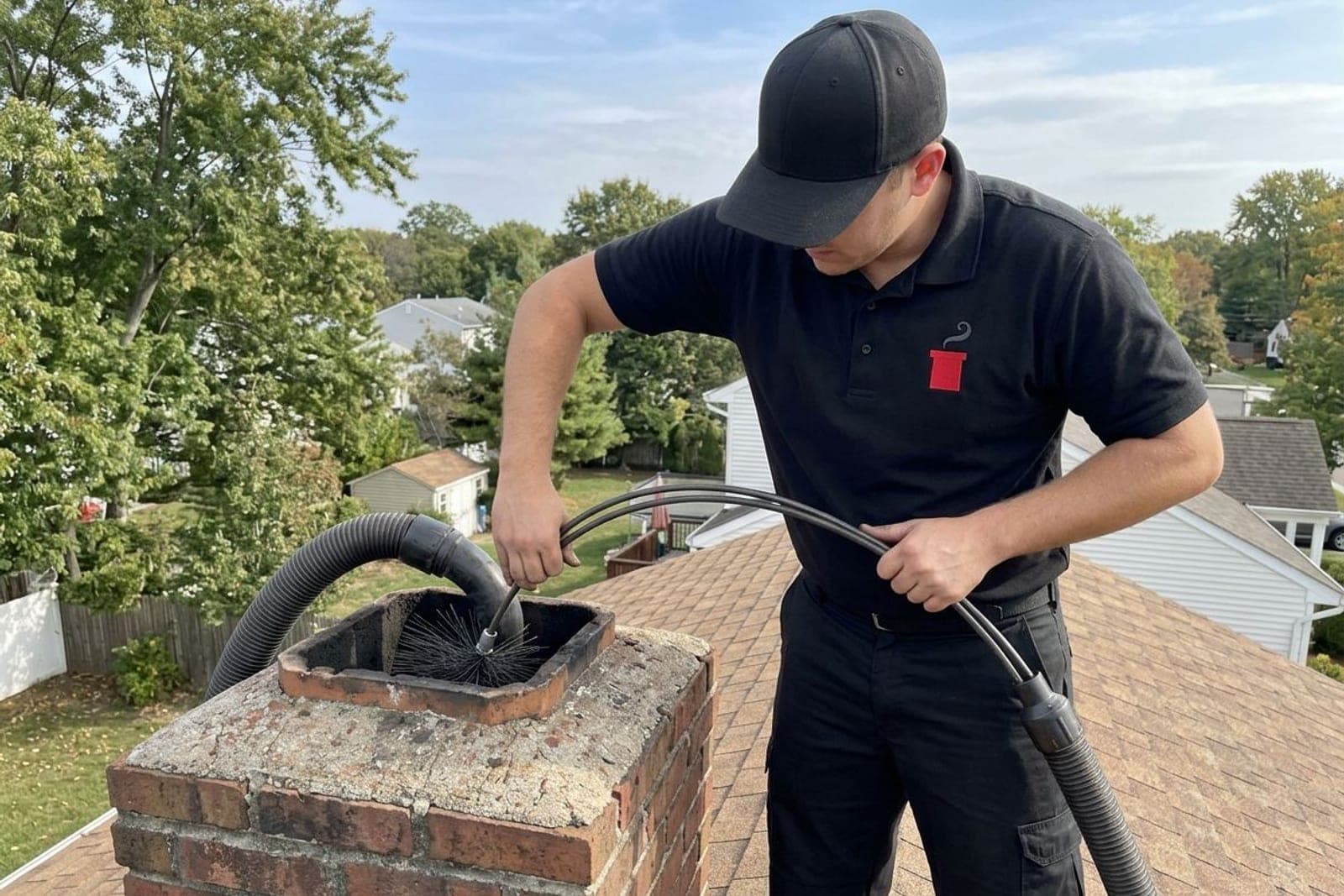
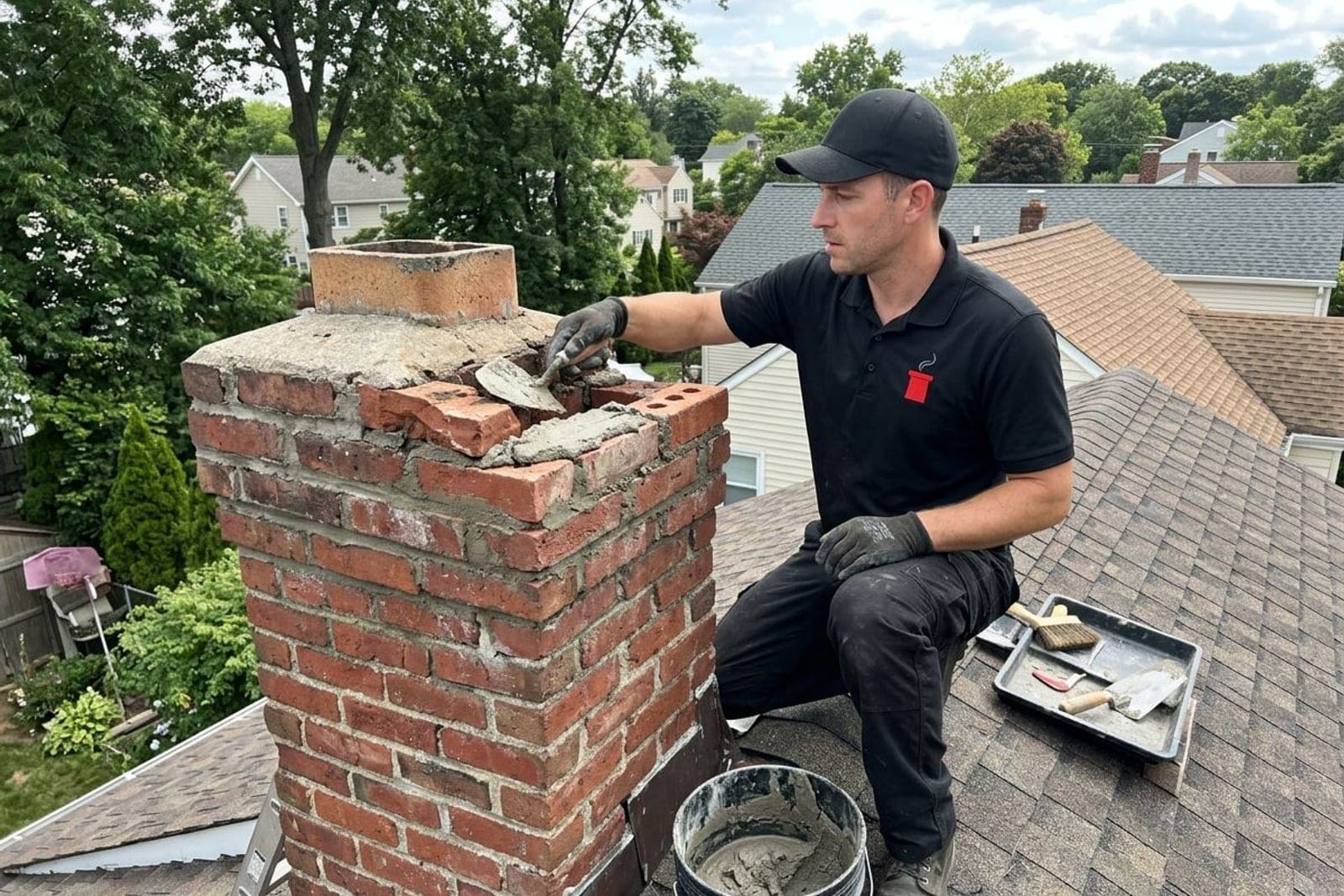
Utilizing advanced tools and techniques, we meticulously remove all stages of creosote from your chimney flue, ensuring minimal disruption to your Farmingdale home. Our team works cleanly and efficiently, protecting your property.
 3
3Post-Service Review and Recommendations
After the cleaning, we provide a detailed report on your chimney's condition and offer expert recommendations for ongoing maintenance or necessary repairs to keep your Farmingdale home safe and your chimney performing optimally.
| Warning Sign in Your Farmingdale Home | What It Means | Action Needed |
|---|---|---|
| Persistent smoke odor indoors | Creosote buildup or flue issues | Schedule $99 plus tax inspection. |
| Reduced draft or hard fire starts | Blockage or heavy creosote | Professional cleaning needed |
| Visible tarry, flaky, or shiny residue | Dangerous creosote deposits | Specialized removal from $200 |
| Smoke backing into living room | Serious flue blockage or defect | Immediate inspection |
| Chimney roaring sound during fire | Active chimney fire | Call 911 immediately! |
| Not inspected in over a year | Risk of hidden creosote or issues | Annual inspection recommended |
Prices verified on .
Built for Farmingdale's homes and climate
Farmingdale counts about 1,505 residents, and we cover it end to end — along with Howell, Wall and Colts Neck on the same run. Booking creosote removal here rarely means waiting for a crew to come from far away.
FarmingdaleMonmouth County, NJ · 40.199, -74.172
Farmingdale Homeowner Inquiries About Creosote Abatement
What exactly is creosote and why is it dangerous for my Farmingdale home?
Creosote is a highly flammable residue that forms when wood combustion is incomplete, building up in your chimney. For Farmingdale's older homes, this buildup is particularly dangerous as it can ignite, leading to a devastating chimney fire. It also restricts airflow, potentially forcing hazardous carbon monoxide into your living space.
How often should I have creosote removed from my Farmingdale chimney?
For optimal safety, we recommend annual chimney inspections and cleanings, especially for Farmingdale homeowners who regularly use their fireplaces. This consistent maintenance helps prevent dangerous creosote accumulation and ensures your chimney is ready for the cold inland New Jersey winters.
What's the difference between creosote removal and a regular chimney sweep?
A regular chimney sweep addresses soot and minor debris, suitable for routine maintenance. Creosote removal, however, is a more intensive process targeting hardened, glazed, or third-degree creosote that cannot be removed with standard brushing, requiring specialized tools and techniques for effective cleaning.
How much does creosote removal cost for Farmingdale homes?
The typical price range for creosote removal services in Farmingdale starts from $200, depending on the severity of the buildup and the size/type of your chimney. We provide a detailed, written quote after our initial on-site inspection, which is $99 plus tax.
Is it safe to burn wood if I have creosote in my chimney?
No, it is not safe to burn wood if you suspect or know there is significant creosote buildup in your chimney. Burning with creosote present drastically increases the risk of a chimney fire, which can quickly spread to your home. Always have creosote professionally removed before using your fireplace.
What if my older Farmingdale chimney has glazed creosote?
Glazed or third-degree creosote is the most challenging type to remove and is particularly common in older Farmingdale homes that may have inefficient burning practices or less-than-ideal flue sizes. Our technicians use advanced rotary power tools and specialized chemical treatments specifically designed to break down and safely remove even the most stubborn glazed creosote.
Get in touch
- (732) 889-5194
- contact@jerseychimneypros.com
- Based in Lakewood, NJ — serving Farmingdale

Need your chimney checked in Farmingdale?
Clear pricing, local scheduling, and honest written recommendations you can trust.

Book your creosote removal in Farmingdale
Real open times on our crew's calendar — confirmed instantly.
Creosote Removal in Farmingdale