Avon-by-the-Sea, Monmouth County
Creosote Removal in Avon-by-the-Sea, NJ
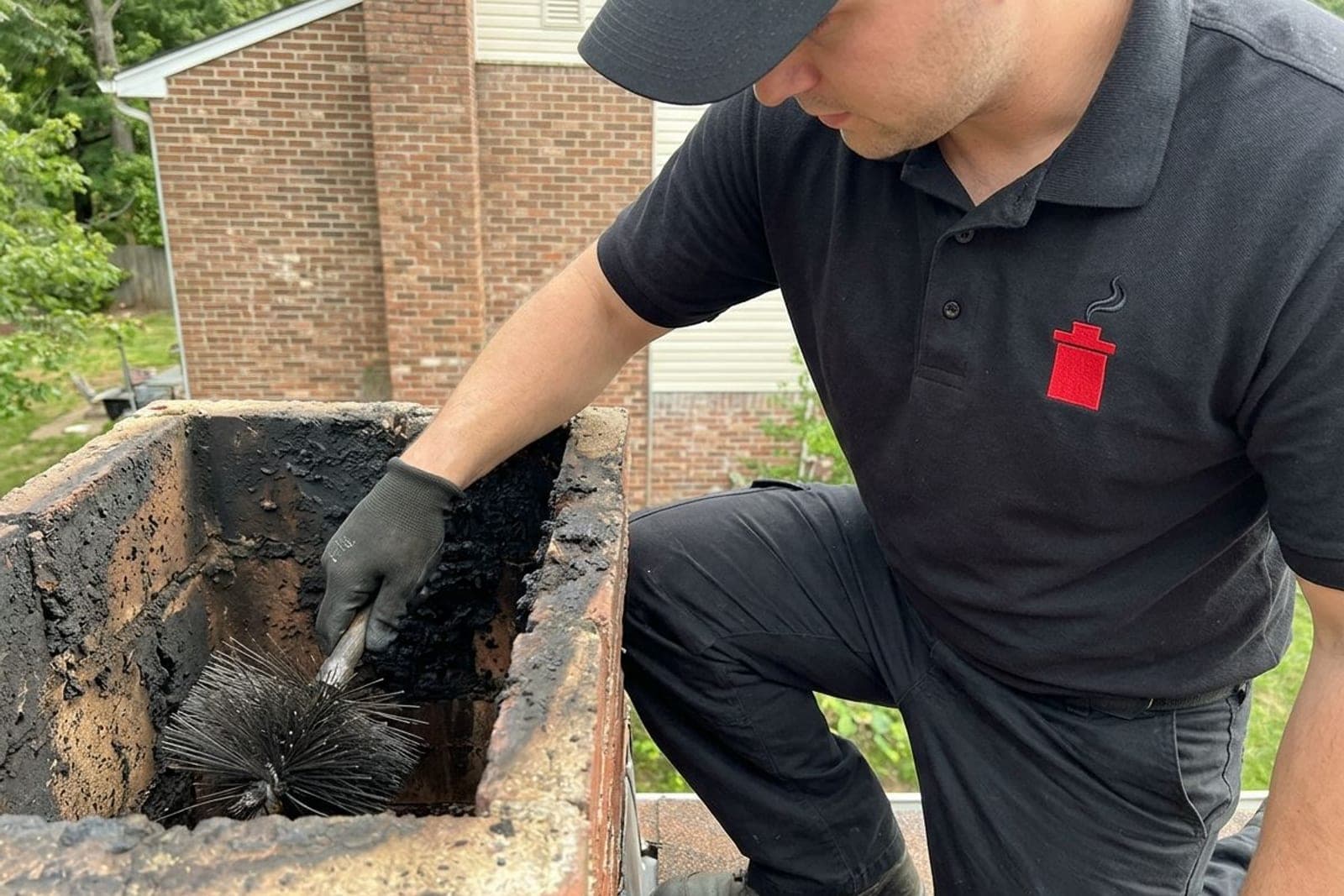
Creosote builds up fastest in flues that run cool or sit unused for stretches — both common on Avon-by-the-Sea's older shore properties. Jersey Chimney Pros removes it before it becomes a fire hazard, starting with an on-site look at how far along it is.
Typical investment
From $200
- Local crews
- Licensed & insured
- Documented work
- Fast scheduling
- Serving Avon-by-the-Sea and the surrounding Monmouth County towns
- $99 inspection, deducted from an approved quote
- Usually on the same Monmouth County route as Atlantic Highlands, Brielle, Colts Neck
Why Avon-by-the-Sea homes need creosote removal
Avon-by-the-Sea's older shore cottages often run masonry flues built before today's liner standards, and a real share of them are used only part of the year — both factors that let creosote build up further than it would in a chimney used every week in a newer system.
With roughly 1,933 residents, Avon-by-the-Sea keeps us busy year-round. We pair it with Spring Lake, Sea Girt and Ocean Township on the same route, so creosote removal in Avon-by-the-Sea gets scheduled without a long wait.
Done by licensed crews
Our own team, never a subcontractor sent by a call center.
Written quote up front
You approve the price before any work begins.
Photo-documented
Before and after photos of every fix, in plain English.
Built for the local climate
Salt air, freeze-thaw and coastal wear factored in.
Creosote Removal for Avon-by-the-Sea's Older Flues
Creosote is a tar-like byproduct of burning wood that condenses on the inside of a flue, and it comes in three stages: a light, flaky first stage that brushes off easily; a harder, sootier second stage; and a glazed, glossy third stage that has to be scraped or treated chemically because it's essentially bonded to the liner. Left long enough, third-stage creosote is what actually catches fire inside a flue.
Removal starts with the same on-site inspection every visit does, using a camera where needed to see how far the buildup has progressed and whether it's isolated to one section of the flue or running its full length. That determines whether a standard brush-and-vacuum pass is enough or whether the glazed sections need rotary or chemical treatment first.
Once the flue is clear, we check the liner underneath for any cracking or damage the creosote may have been masking — a common finding on older masonry chimneys, and one worth catching before the next fire rather than after.
How Humid, Salt-Laden Air Speeds Up Creosote
Creosote forms fastest when smoke cools too quickly on its way up the flue, and the humid, salt-laden air common to a small oceanfront borough like this one keeps masonry flue walls cooler and damper than they'd run a few towns inland. That cooler surface condenses more of the smoke's tar and moisture before it escapes, which is part of why we see denser buildup here for the same amount of burning.
Salt air also roughens mortar joints and liner surfaces over time, and a rougher surface gives creosote more to cling to. It's a small mechanical detail, but it's one reason a flue here can need attention on a shorter cycle than the same chimney would somewhere drier and further from the water.
Creosote in a Flue Rebuilt Since Sandy
Some Avon-by-the-Sea flues run a different path today than they did before Superstorm Sandy, on homes that were rebuilt or raised in the years since. A longer or more angled run changes draft characteristics enough that creosote can concentrate in a different section than it would in the original, straight-run chimney.
That's why we scope the whole flue with a camera on a first visit to one of these homes rather than assuming buildup sits where it usually would — the rebuilt geometry is often the reason a spot check misses it.
What Creosote Removal Includes
Every creosote removal we do in Avon-by-the-Sea includes:
- On-site diagnostic inspection, including a camera scan when buildup depth is unclear
- Assessment of which creosote stage is present, section by section
- Brush-and-vacuum removal of first- and second-stage buildup
- Chemical or rotary treatment for glazed, third-stage creosote
- Liner inspection once the flue is clear
- Firebox and smoke chamber cleanup
- Written note on any liner damage found underneath the buildup
Professional, clean, no-mess service.
Signs of a Creosote Problem
- Dark, glossy or glazed coating visible up the flue with a flashlight
- Strong campfire or tar-like smell, especially in humid weather
- Reduced draft or smoke spilling into the room
- Flaky black residue collecting in the firebox between fires
- It's been more than a year since the flue was last cleaned
- The cottage has sat closed for a season since the last fire was lit
If you notice smoke backup or stage-3 creosote, book immediately.
Book nowWhy Creosote Builds Up Faster in This Borough
Cool, moist air and gaps in regular use both accelerate creosote formation in this borough's flues; the sections below walk through what each factor actually does to a flue.
Why Seasonal Use Lets Creosote Sit Longer
A wood-burning fireplace used only on weekends or during a summer stay builds creosote the same way a daily-use one does, but it also sits between uses far longer — giving moisture in the flue more time to interact with what's already built up and push it toward the glazed, harder-to-remove stage faster than steady weekly use would.
Cottages that close up for the off-season compound this: whatever was in the flue at closing is still there, unchanged, when the house reopens months later. Checking it at the start and end of the season, not just once a year at a fixed date, is what actually keeps pace with that pattern.
A creosote removal job in Avon-by-the-Sea — start to finish
Before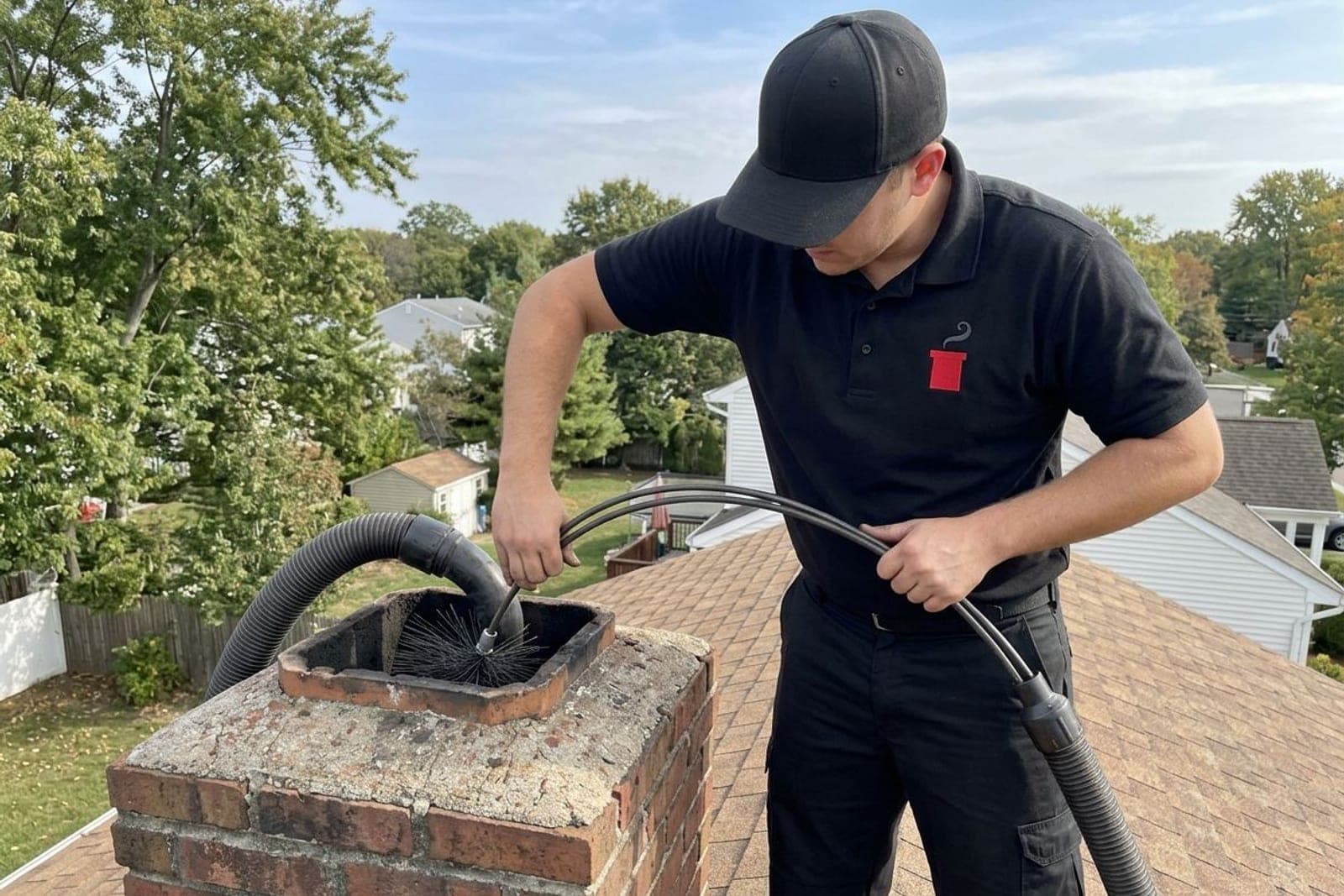 After
AfterA homeowner on a quiet street near Sylvan Lake called after noticing a strong tar-like smell from the fireplace on the first cool night of fall, well before she'd normally think about lighting a fire.
- 1
On-site diagnostic inspection with camera scan
$99 plus tax
We ran a camera up the flue and found glazed, third-stage creosote covering roughly the top third of the run, with lighter buildup below it.
- 2
Chemical treatment and full removal
$310
We applied a creosote-softening treatment to the glazed section, then scraped and vacuumed the full flue clear, checking the liner underneath for cracking once it was clean.
The job came to $409 total, inside our from-$200 creosote removal range — on the higher end because of the glazed section, which needed treatment a routine sweep alone wouldn't have cleared.
This is a representative crew-written job summary, not a customer review. Photographs of jobs we have actually completed are on our work.
| Stage | What It Looks Like | What It Takes to Remove |
|---|---|---|
| Stage 1 | Light, flaky, soot-like coating | Clears with a standard brush-and-vacuum sweep |
| Stage 2 | Thicker, harder, more textured buildup | Needs firmer brushing and more time per section |
| Stage 3 | Glossy, glazed, almost tar-like | Requires chemical treatment or rotary tools, several hours |
Prices verified on .
Built for Avon-by-the-Sea's homes and climate
With roughly 1,933 residents, Avon-by-the-Sea keeps us busy year-round. We pair it with Spring Lake, Sea Girt and Ocean Township on the same route, so creosote removal in Avon-by-the-Sea gets scheduled without a long wait.
Avon-by-the-SeaMonmouth County, NJ · 40.192, -74.016
Avon-by-the-Sea Creosote Removal Questions
What does creosote removal cost in Avon-by-the-Sea?
Our removal jobs run from $200, depending on how advanced the buildup is. A published New Jersey market survey (Angi and HomeGuide, collected 3 September 2026) puts the broader range at $200 to $800, since a light first-stage clean and a full glazed-creosote treatment are very different jobs.
Is the $99 inspection credited toward creosote removal?
The on-site inspection is $99 plus tax, deducted in full from the quote if you approve the work. The written quote is free, and you approve the price before anything starts.
Why does creosote seem to build up faster in Avon-by-the-Sea?
Two local factors compound it: humid, salt-laden ocean air keeps flue surfaces cooler and damper than they'd be inland, which slows the draft and lets creosote condense more readily, and a real share of cottages here go unused for stretches, which gives it time to accumulate between fires.
Does a rebuilt or elevated flue collect creosote differently?
It can. A flue rerouted after a post-Sandy rebuild sometimes runs longer or at a different angle than the original, which changes draft and where buildup tends to concentrate — we check the full run on a first visit rather than assuming it matches a standard layout.
My cottage sat closed all last winter — should I get the flue checked before the first fire?
Yes. A flue that hasn't been used or checked in months is exactly where creosote and any moisture damage sit unnoticed until the first fire of the season makes the problem obvious — checking it first avoids finding out the hard way.
Get in touch
- (732) 889-5194
- contact@jerseychimneypros.com
- Based in Lakewood, NJ — serving Avon-by-the-Sea

Need your chimney checked in Avon-by-the-Sea?
Clear pricing, local scheduling, and honest written recommendations you can trust.

Book your creosote removal in Avon-by-the-Sea
Real open times on our crew's calendar — confirmed instantly.
Creosote Removal in Avon-by-the-Sea