Lakewood, Ocean County
Chimney Waterproofing in Lakewood, NJ
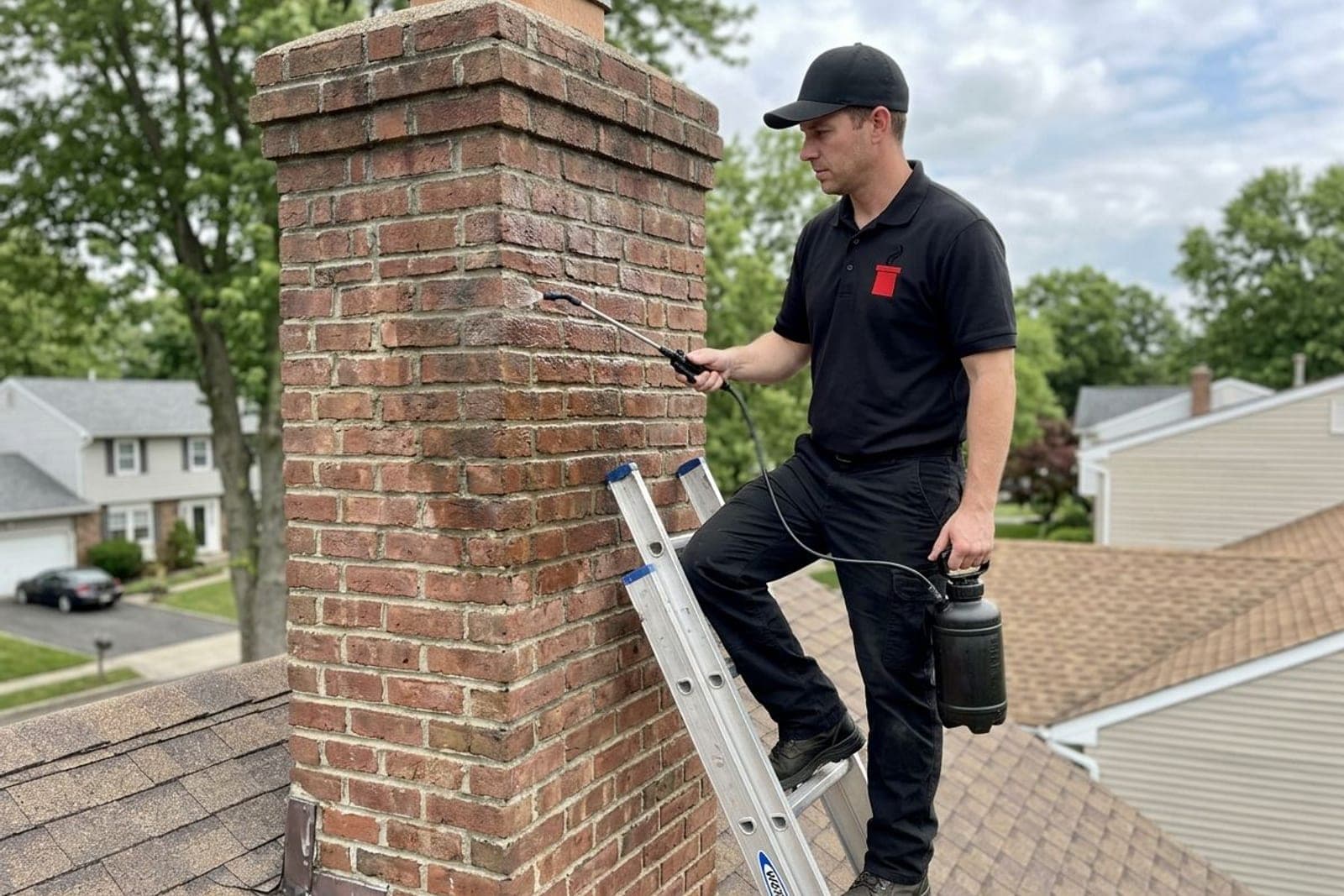
Chimney waterproofing in Lakewood is a different job than it is on the coast, and it's worth saying plainly: this is an inland township, so the water risk to your masonry isn't storm surge or flood elevation, it's ordinary rain and freeze-thaw cycling working into porous brick and mortar year after year. A breathable waterproofing treatment stops that absorption before it becomes a crumbling crown or spalling brick face.
Typical investment
$250–$650
- Local crews
- Licensed & insured
- Documented work
- Fast scheduling
- Serving Lakewood and the surrounding Ocean County towns
- $99 inspection, deducted from an approved quote
- Usually on the same Ocean County route as Barnegat Light, Bay Head, Brick
Why Lakewood homes need chimney waterproofing
Because Lakewood is inland, chimney waterproofing here is a masonry-preservation service, not a storm-hardening one — the goal is stopping ordinary rain absorption and freeze-thaw cracking, not protecting against tidal flooding the way it would on a barrier-island property in the same service area.
With roughly 135,153 residents, Lakewood keeps us busy year-round. We pair it with Howell, Brick and Farmingdale on the same route, so chimney waterproofing in Lakewood gets scheduled without a long wait.
Done by licensed crews
Our own team, never a subcontractor sent by a call center.
Written quote up front
You approve the price before any work begins.
Photo-documented
Before and after photos of every fix, in plain English.
Built for the local climate
Salt air, freeze-thaw and coastal wear factored in.
Chimney Waterproofing for Lakewood's Inland Masonry
Waterproofing a chimney means applying a vapor-permeable sealant to the exterior masonry — one that keeps liquid water from soaking in while still letting trapped moisture vapor escape. That distinction matters: a sealant that traps moisture inside the brick does more damage than no sealant at all, because trapped water has nowhere to go when it freezes and expands.
Lakewood sits inland, well back from the barrier-island and bayfront towns that share this service area, and that changes what waterproofing is actually protecting against here. There's no tide to plan around and no storm surge to defend a hearth near grade from — the water Lakewood's masonry has to shed comes from the sky, the same ordinary rain every year, soaking into porous brick and mortar until a hard freeze turns that moisture into a crack.
What that water does instead is ordinary but relentless: brick and mortar are porous, and every winter freeze-thaw cycle pushes absorbed rainwater to expand and contract inside the material. Do that enough times and the surface starts to spall — small chips and flakes breaking off the brick face — while the mortar joints between bricks slowly crumble. A masonry chimney that's kept dry on the surface skips most of that cycle entirely, which is the entire case for waterproofing on an inland stack like the ones common across Lakewood.
Lakewood's mix of established homes and extensive new construction means we treat chimneys across a wide range of ages here. Older masonry, already showing decades of freeze-thaw wear, benefits the most from a fresh waterproofing application paired with any needed repointing — sealing porous, weathered brick locks in the repair work done underneath it. Newer chimneys benefit differently: catching absorption early, before the first spalled brick ever appears, is a far cheaper problem to solve than repairing one after the fact.
A waterproofing job also isn't a one-time fix. The sealant itself breaks down under UV exposure and repeated freeze-thaw cycling, and manufacturers typically rate a quality application to last three to five years before it needs reapplication. We track when a chimney was last treated so a Lakewood homeowner isn't guessing at when the next application is actually due.
The best time to schedule waterproofing here is before the first hard freeze of the season, while masonry is dry and any needed crown or mortar repair can be completed and cured ahead of winter — treating over damage instead of repairing it first just seals moisture in rather than keeping it out.
New Masonry Veneer, Built Close to the Next House
Lakewood's minor-subdivision rules for zero-lot-line lots are why newer masonry veneer here often sits closer to the next house than an older, wider suburban lot would allow. That masonry still absorbs rain and cycles through the same freeze-thaw stress as an older, more spread-out home's; being newer doesn't buy it more sun or airflow on its exposed face, especially on a side shadowed by a house built close by.
Those clearances trace back to the township's single Unified Development Ordinance, which measures every setback on a new lot — including how close a masonry chimney can legally sit to the property line before waterproofing is ever a question.
- Source: Township of Lakewood, NJ — Planning Board application forms, accessed 2026-09-18
- Source: Township of Lakewood, NJ — Zoning Department, accessed 2026-09-18
A Whole Section Coming Due for Resealing at Once
The township's Planning Board has run a documented growth-management cycle since at least 1982 — the Smart Growth Plan that preceded the current 2017 Master Plan — and one effect shows up on a waterproofing route years later: entire sections of Lakewood went up within the same short construction window, so their sealant applications tend to reach the end of that three-to-five-year cycle around the same time, not on a scattered, individual schedule.
That means a waterproofing visit to one home in a section built the same year is often a preview of what the neighbors will need within a season or two — useful for us in scheduling, and worth mentioning if you're comparing notes with someone on the same block.
- Source: Township of Lakewood, NJ — Planning Board document list, accessed 2026-09-18
What's Included in a Lakewood Chimney Waterproofing
Every chimney waterproofing we do in Lakewood includes:
- Full inspection of masonry condition before any sealant is applied
- Any needed crown or mortar repair completed and cured first
- Vapor-permeable, breathable sealant application — never a moisture-trapping coating
- Coverage of the full exposed masonry surface, not just visible problem spots
- A record of the treatment date so the next reapplication is easy to track
- Recommendations on repointing if mortar condition limits how much protection sealing alone can provide
Professional, clean, no-mess service.
Signs Your Lakewood Chimney Needs Waterproofing
- Small chips or flakes breaking off the brick face (spalling)
- Mortar joints that feel soft, crumbly, or are visibly eroding
- Discoloration or dark staining on exterior brick after rain
- White, chalky mineral deposits (efflorescence) on the masonry surface
- It's been five years or more since the chimney was last sealed
- Visible moss or algae growth on the shaded side of the stack
If you notice smoke backup or stage-3 creosote, book immediately.
Book nowWhy Lakewood Chimneys Absorb Water Differently Than Coastal Ones
Porous, aging brick on Lakewood's established homes absorbs rainwater readily, and repeated winter freeze-thaw cycling is what turns that absorption into spalling and crumbling mortar over time. Newer construction isn't immune either — masonry veneer left untreated will eventually show the same wear, just on a longer timeline.
How We Handle Chimney Waterproofing in Lakewood
 1
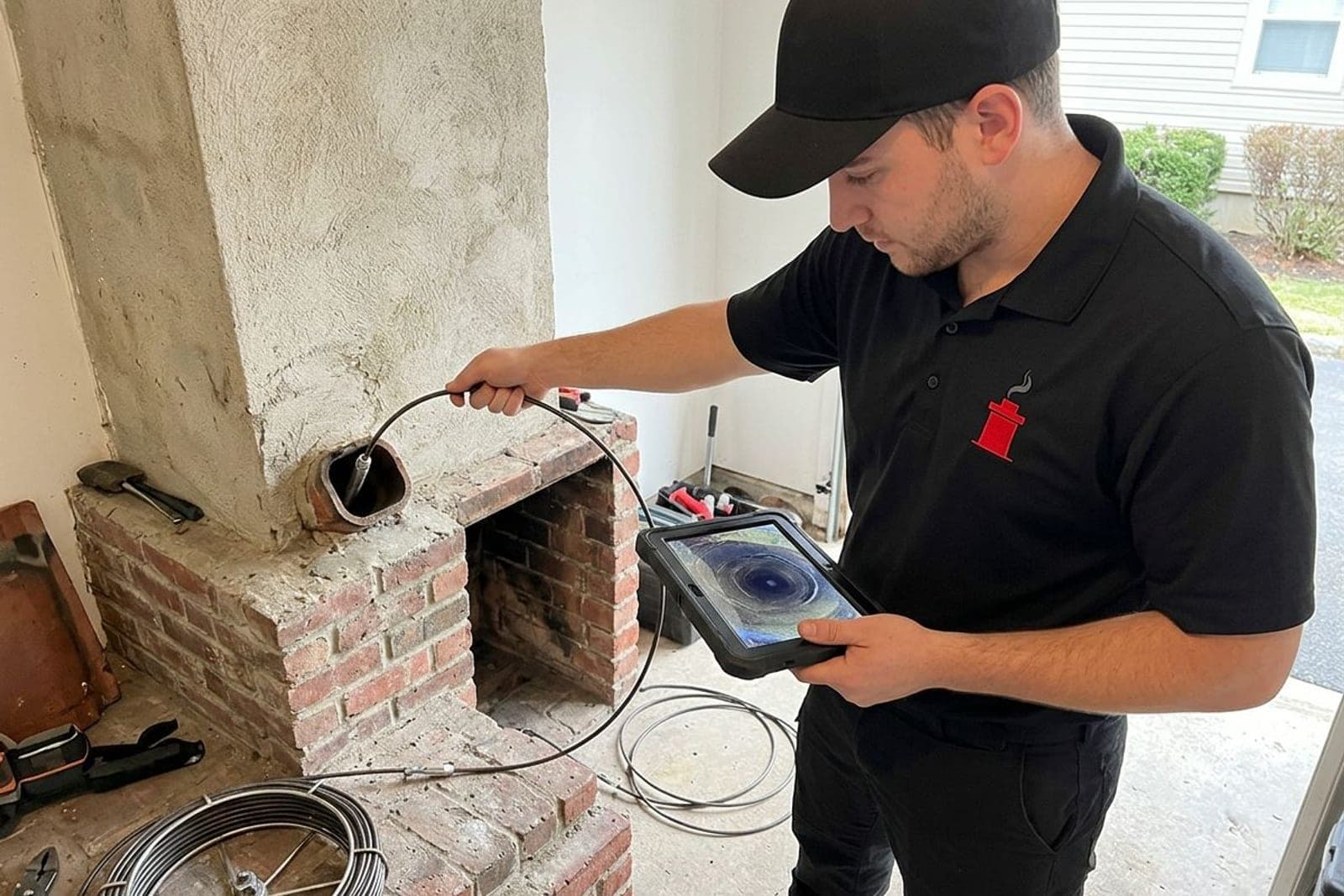
1Schedule Your $99 On-Site Inspection
We assess the masonry's condition and check for spalling or mortar damage that needs repair first. The on-site inspection is $99 plus tax, deducted in full from the quote if you approve the work. The written quote is free, and you approve the price before anything starts.
 2
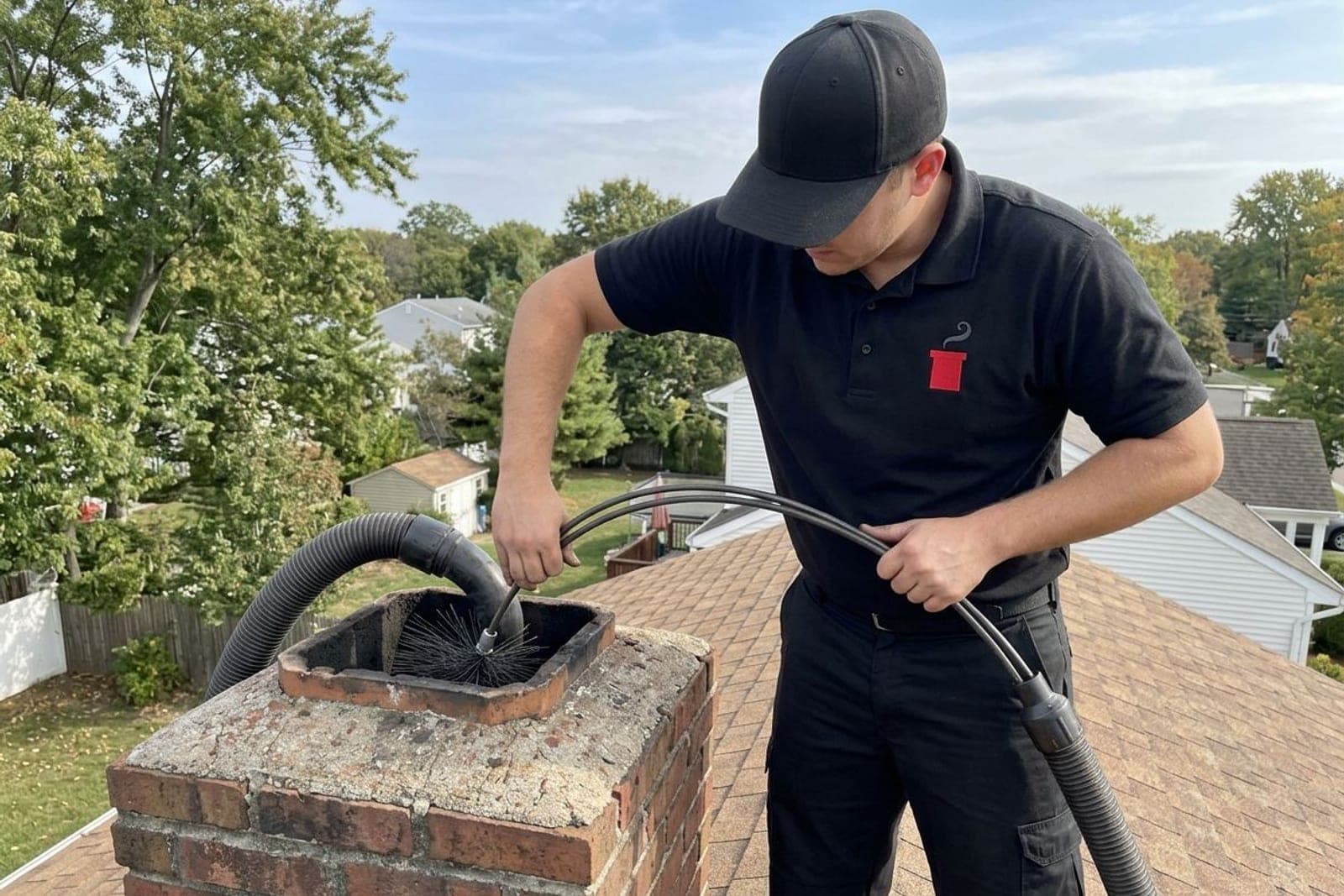
2Repair, Then Approved Waterproofing
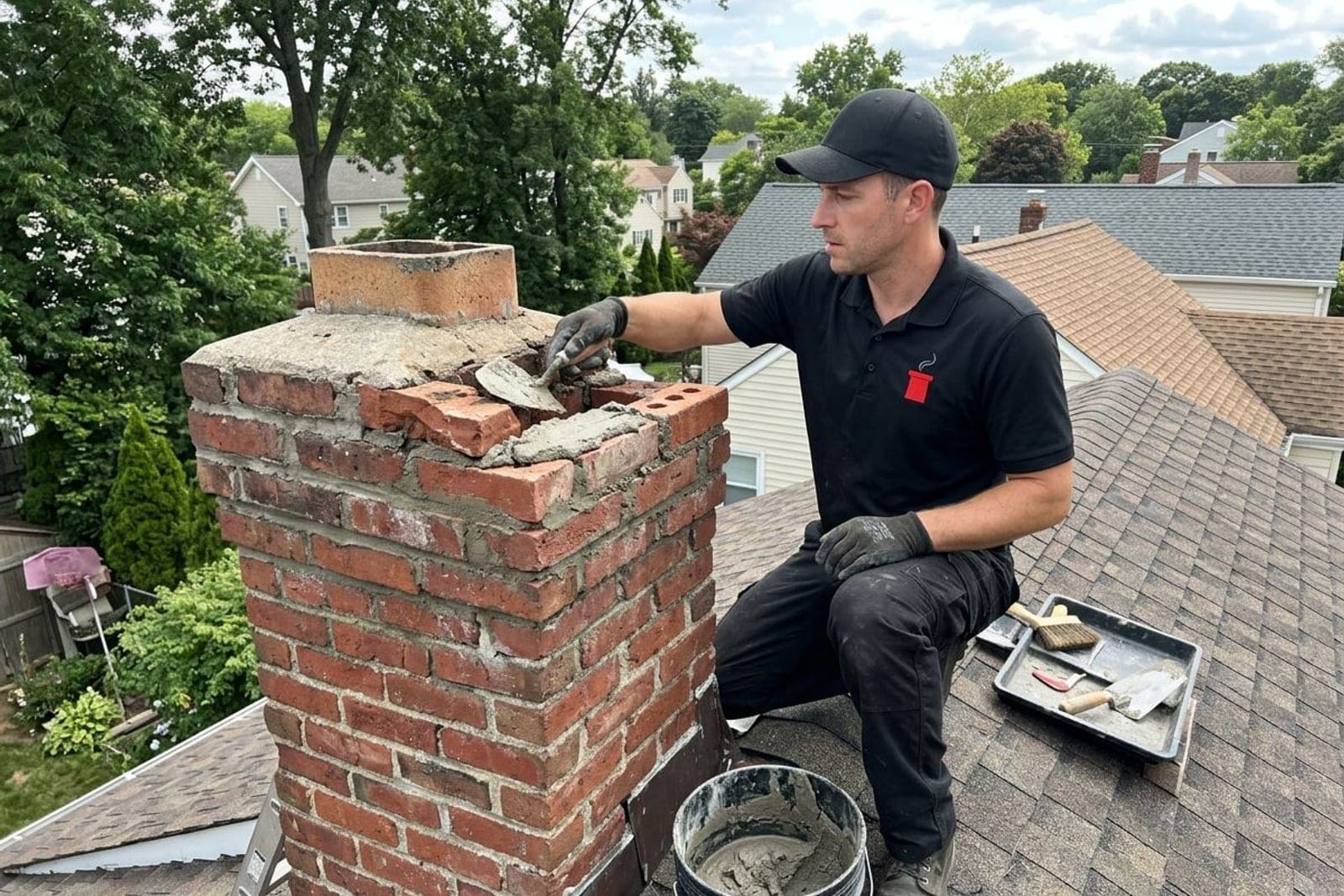
Any needed crown or mortar repair is completed and fully cured, then we apply a vapor-permeable sealant across the full masonry surface — never over damage that hasn't been fixed first.
 3
3Final Check and Treatment Record
We confirm even coverage and log the treatment date so you know when the next reapplication, typically three to five years out, is due.
| Warning Sign | What It Usually Means | Urgency for Lakewood Homes |
|---|---|---|
| Spalling brick (chips or flakes) | Freeze-thaw damage already underway | High — repair first, then seal |
| Crumbling or soft mortar joints | Water absorption weakening the joint | High — repoint before sealing |
| White chalky residue (efflorescence) | Moisture moving through the masonry | Moderate — schedule before next winter |
| No sealant applied in 5+ years | Prior treatment has broken down | Moderate — reapply before freeze season |
| Dark staining after rain | Masonry absorbing water at the surface | Moderate — early sign, cheapest to address |
Prices verified on .
Built for Lakewood's homes and climate
With roughly 135,153 residents, Lakewood keeps us busy year-round. We pair it with Howell, Brick and Farmingdale on the same route, so chimney waterproofing in Lakewood gets scheduled without a long wait.
LakewoodOcean County, NJ · 40.098, -74.218
Lakewood Homeowners' Chimney Waterproofing Questions
How much does chimney waterproofing cost in Lakewood, NJ?
Our chimney waterproofing in Lakewood runs $250 to $650, depending on chimney height, surface area, and whether repointing is needed first. The on-site inspection is $99 plus tax, deducted in full from the quote if you approve the work. HomeGuide and All Point Roofing & Chimney each surveyed New Jersey pricing in 2026 and found a wider $200-to-$800 band statewide; treat that as background on the trade, not our quote.
Does chimney waterproofing in Lakewood protect against flooding?
No, and it isn't meant to. Lakewood is an inland township, well back from the bay and barrier-island communities elsewhere in this service area where tidal flooding is the real concern. Waterproofing here protects masonry from ordinary rain absorption and freeze-thaw cracking, not tidal flooding.
How often does a chimney in Lakewood need to be resealed?
Most quality sealant applications last three to five years before UV exposure and freeze-thaw cycling wear them down. We track your treatment date so you're not guessing at when reapplication is due.
Can I waterproof my chimney if the mortar is already crumbling?
Not effectively. Sealing over damaged mortar or spalled brick traps existing moisture inside the masonry rather than keeping new moisture out. We repair any crown or mortar damage first and let it fully cure before applying sealant.
What are the signs my Lakewood chimney needs waterproofing?
Small chips or flakes breaking off the brick face, crumbling mortar joints, white chalky residue after rain, or simply five years or more since the last sealant application are the clearest signs it's time.
Do newer Lakewood homes need chimney waterproofing too?
Eventually, yes. Masonry veneer on newer construction absorbs water the same way older brick does, just more slowly. Sealing it before the first spalled brick appears is a cheaper problem to solve than repairing one after the fact.
Get in touch
- (732) 889-5194
- contact@jerseychimneypros.com
- Based in Lakewood, NJ — serving Lakewood

Need your chimney checked in Lakewood?
Clear pricing, local scheduling, and honest written recommendations you can trust.

Book your chimney waterproofing in Lakewood
Real open times on our crew's calendar — confirmed instantly.
Chimney Waterproofing in Lakewood