As a chimney safety expert, I've spent years assessing the unique challenges facing homeowners across Hudson, Essex, Bergen, and Union County, New Jersey. Our region's historic Victorian homes, charming rowhouses, and sturdy older masonry structures often feature chimneys that, while beautiful, may not be equipped for modern heating demands or withstand our harsh freeze-thaw cycles without proper attention.
Why Relining Matters for Older North Jersey Homes
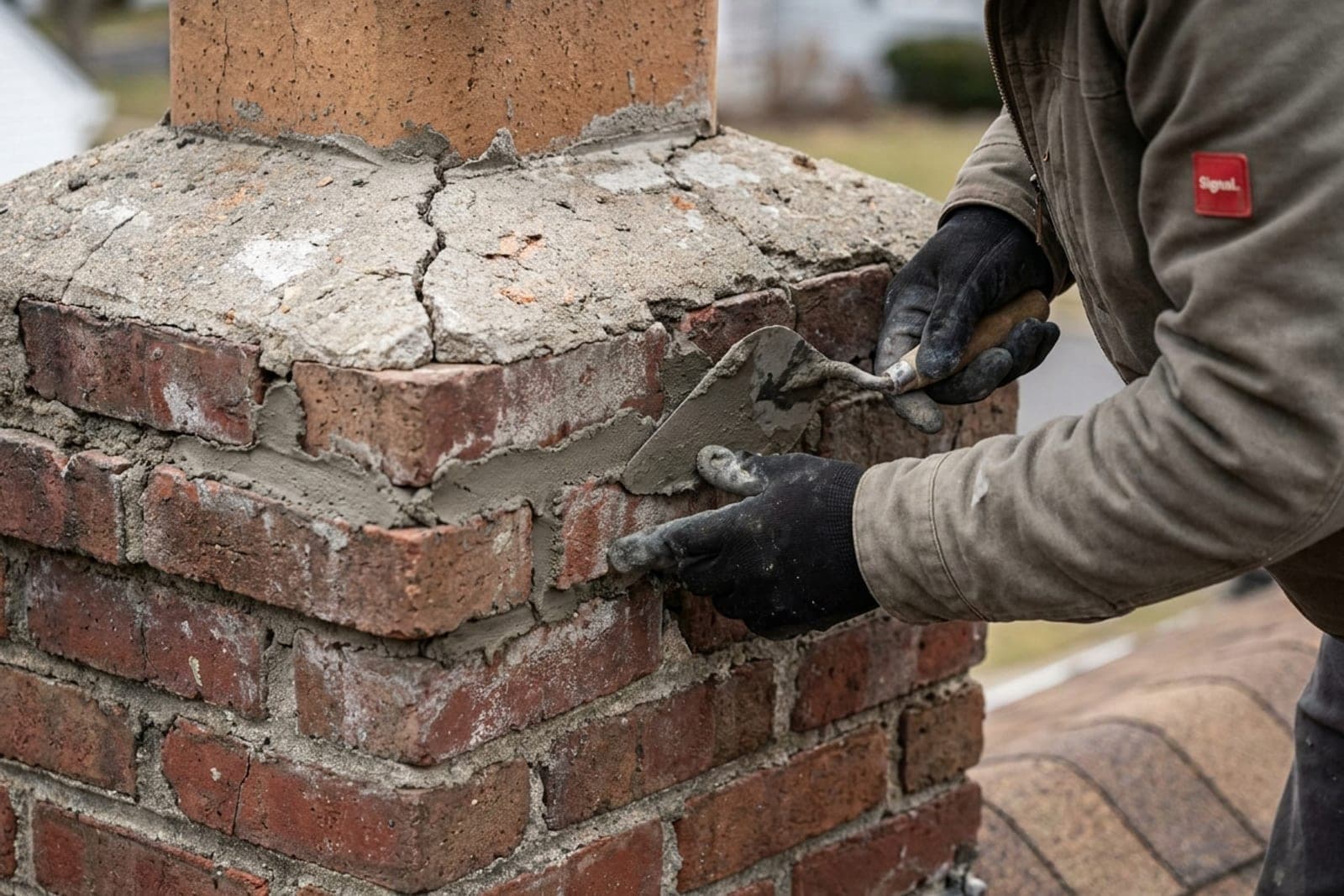
Many chimneys in areas like Hoboken, Montclair, Hackensack, or Elizabeth date back to an era when coal or wood was the primary fuel. These original masonry flues, exposed to decades of use and the severe temperature fluctuations of North Jersey winters, often develop cracks, spalling, or mortar joint deterioration. These structural weaknesses compromise the chimney's ability to safely vent exhaust gases.
A chimney liner serves as the first line of defense, creating a smooth, safe, and air-tight passageway for combustion byproducts. Without a proper liner, dangerous gases like carbon monoxide can leak into your living space, or excessive heat can transfer to combustible materials in your walls, posing a serious fire risk. Relining is not just an upgrade; for many older homes, it's a critical safety imperative.
The Gas Conversion Dilemma: Protecting Against Acidic Condensation
One of the most common issues we encounter in North Jersey is a direct consequence of upgrading heating systems. Many homes originally built for coal now use high-efficiency gas furnaces. While efficient, modern gas appliances produce cooler exhaust gases that travel slower and condense more readily within a large, uninsulated coal flue. This condensation is highly acidic.
This acidic condensate, year after year, slowly but surely erodes the clay tiles and mortar joints of your unlined or improperly lined masonry chimney. Beyond structural damage to the flue itself, this can lead to moisture problems, unpleasant odors, and, most critically, provide pathways for carbon monoxide to seep into your home. A properly sized and installed stainless steel or cast-in-place liner is essential to safely contain and vent these corrosive byproducts.
Combating Freeze-Thaw Damage and Masonry Deterioration
Our North Jersey winters, with their dramatic shifts between freezing temperatures and thaws, are particularly hard on masonry. Water seeps into tiny cracks in the brick and mortar, freezes, expands, and then thaws, slowly breaking down the chimney structure. While much of this is visible on the exterior, this process also affects the interior flue, potentially creating dangerous gaps and voids.
Even if your chimney initially had clay tile liners, these too can crack and separate due to extreme temperature changes or settling over decades. A new, continuous liner – particularly a stainless steel or cast-in-place system – acts as an independent conduit, sealing off any existing cracks or breaches in the original masonry. This provides an impenetrable barrier, ensuring that flue gases are safely directed outside, protecting both your home's integrity and your family's health.
Choosing the Right Liner for Your North Jersey Home
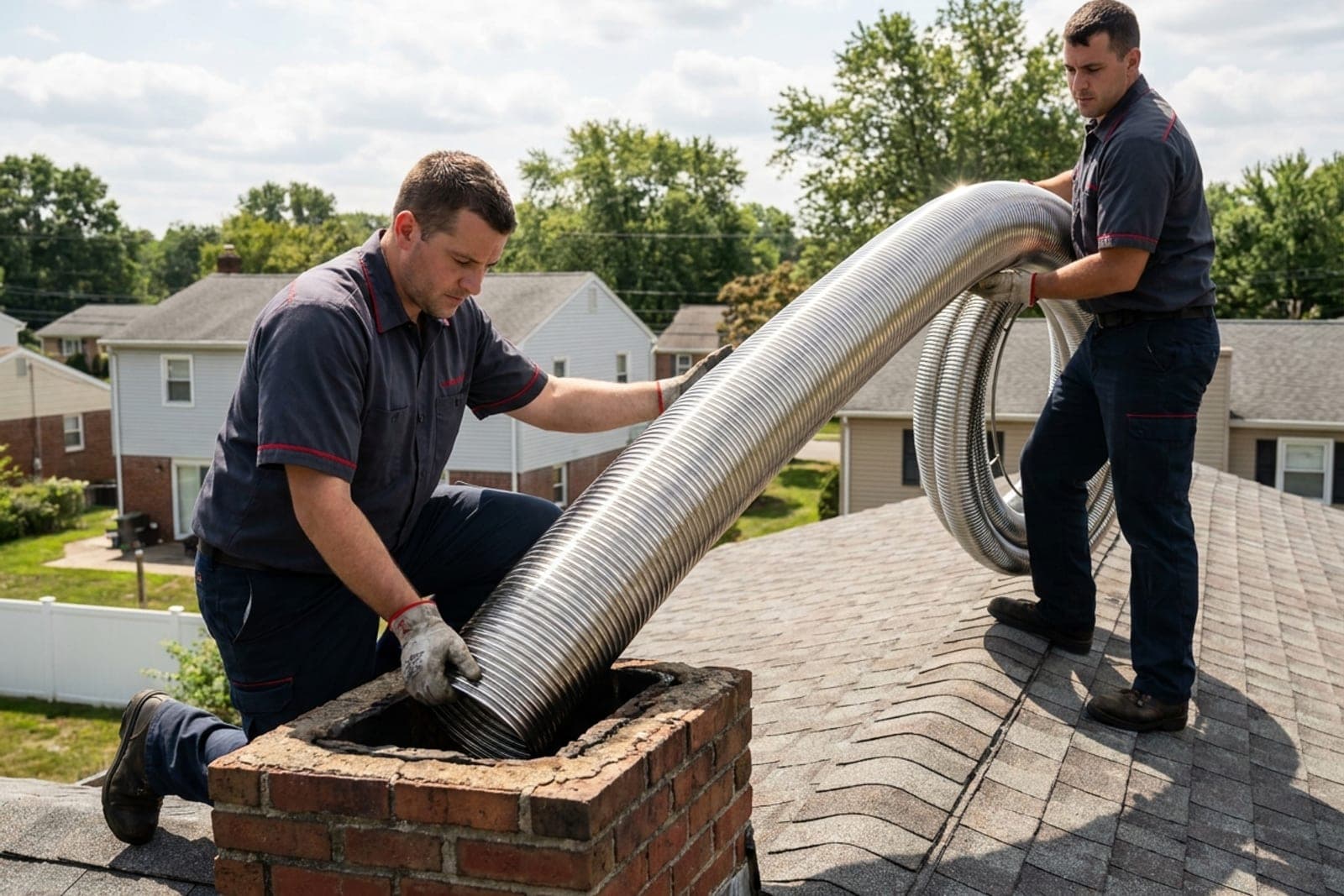
Selecting the correct chimney liner isn't a one-size-fits-all decision, especially with the diverse heating systems and chimney structures in our region. The most common options include durable stainless steel liners, ideal for gas, oil, or wood-burning appliances, and available in flexible or rigid forms to accommodate various flue shapes. For historic chimneys, cast-in-place liners can be a great option, as they conform to the existing flue, creating a seamless, masonry-like conduit while preserving the exterior aesthetics.
While less common for relining due to their installation complexity and brittleness, traditional clay tile liners were standard for many original North Jersey chimneys. The choice of liner depends on your heating appliance type, the condition of your existing flue, and local building codes specific to counties like Bergen or Union. A professional inspection is crucial to assess your chimney's unique needs and recommend the safest, most efficient, and code-compliant relining solution for your specific home.
Related services