For homeowners in Hudson, Essex, Bergen, and Union Counties, a functional chimney is vital, but age, relentless freeze-thaw cycles, and appliance changes often compromise its integrity. Understanding when and why your chimney needs relining isn't just about efficiency; it's about preventing serious safety hazards and ensuring your heating system operates reliably.
Why North Jersey Chimneys Face Unique Challenges
Many homes across our region – from historic Victorians in Newark to classic rowhomes in Jersey City and older Bergen County colonials – feature masonry chimneys dating back to eras when construction standards, and even the fuels used, were vastly different. These chimneys often lack a proper flue liner, or rely on outdated clay tile liners that are simply not designed for modern demands.
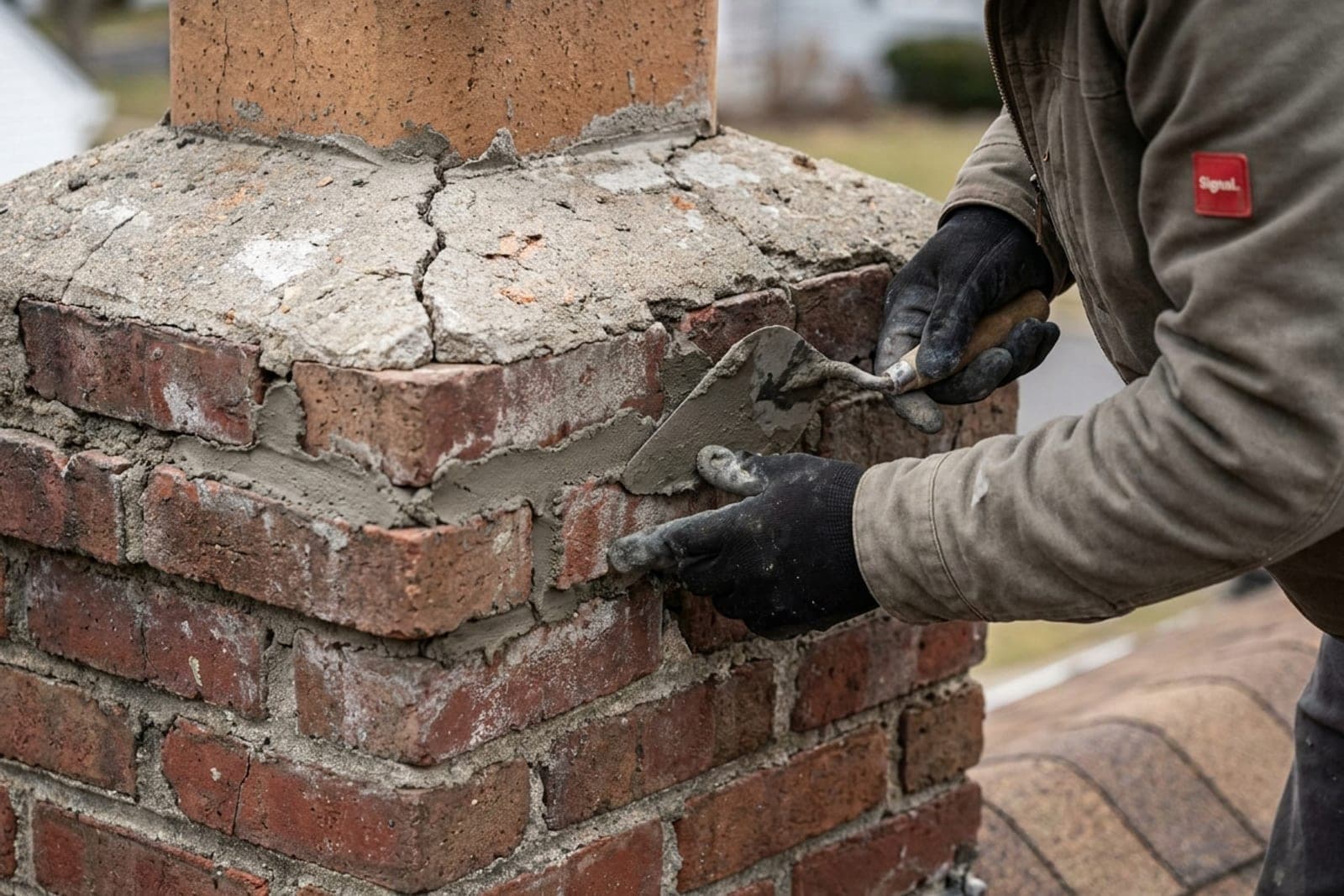
Our harsh North Jersey winters, with their dramatic freeze-thaw cycles, wreak havoc on masonry. Water seeps into cracks, freezes, expands, and then thaws, slowly but surely deteriorating mortar joints and bricks. This damage is often compounded by the acidic exhaust from gas furnaces, which can silently erode unlined or poorly lined flues from the inside out.
The Hidden Dangers of a Damaged or Unlined Flue
An compromised chimney flue isn't just an inefficiency; it's a significant safety risk. Cracks and gaps in the flue liner allow deadly carbon monoxide (CO) to leak into your living spaces. CO is colorless, odorless, and can be fatal, making a sealed flue liner absolutely essential for any appliance that produces combustion byproducts.
Beyond CO, a damaged flue presents a severe fire hazard. Hot exhaust gases, creosote (from wood-burning), or even embers can escape through cracks and ignite adjacent combustible materials in your home's structure – think wooden joists, wall studs, or attic insulation. Many older homes were built with minimal clearance between the chimney and framing, amplifying this risk.
A poorly functioning flue also means your heating appliance won't operate as intended. Inadequate draft leads to incomplete combustion, wasted fuel, and further accumulation of corrosive byproducts, shortening the lifespan of your furnace or boiler and increasing your energy bills.
When Relining Becomes Essential: Key Scenarios
One of the most common triggers for relining in our area is a change in heating appliance. Many homes originally heated by coal or oil have converted to natural gas. Coal flues, in particular, are often far too large for a modern gas furnace. An oversized flue allows exhaust gases to cool too rapidly, creating excessive condensation which, combined with gas byproducts, forms corrosive sulfuric acid that devastates unlined or improperly lined masonry.
Visible damage during a professional chimney inspection is another clear indicator. This includes cracked, spalled, or missing clay tiles, deteriorating mortar joints visible from the top or through cleanout doors, or signs of water penetration. Even hairline cracks can worsen rapidly under the stress of heating and cooling cycles.
Finally, simply the age and original construction of your chimney may necessitate relining. If your chimney was never lined, or if its original tile liner is decades old, it's highly likely it no longer meets current safety standards or offers adequate protection against modern appliance exhaust. A level 2 inspection can determine the internal condition of your flue.
Effective Relining Solutions for North Jersey Homes
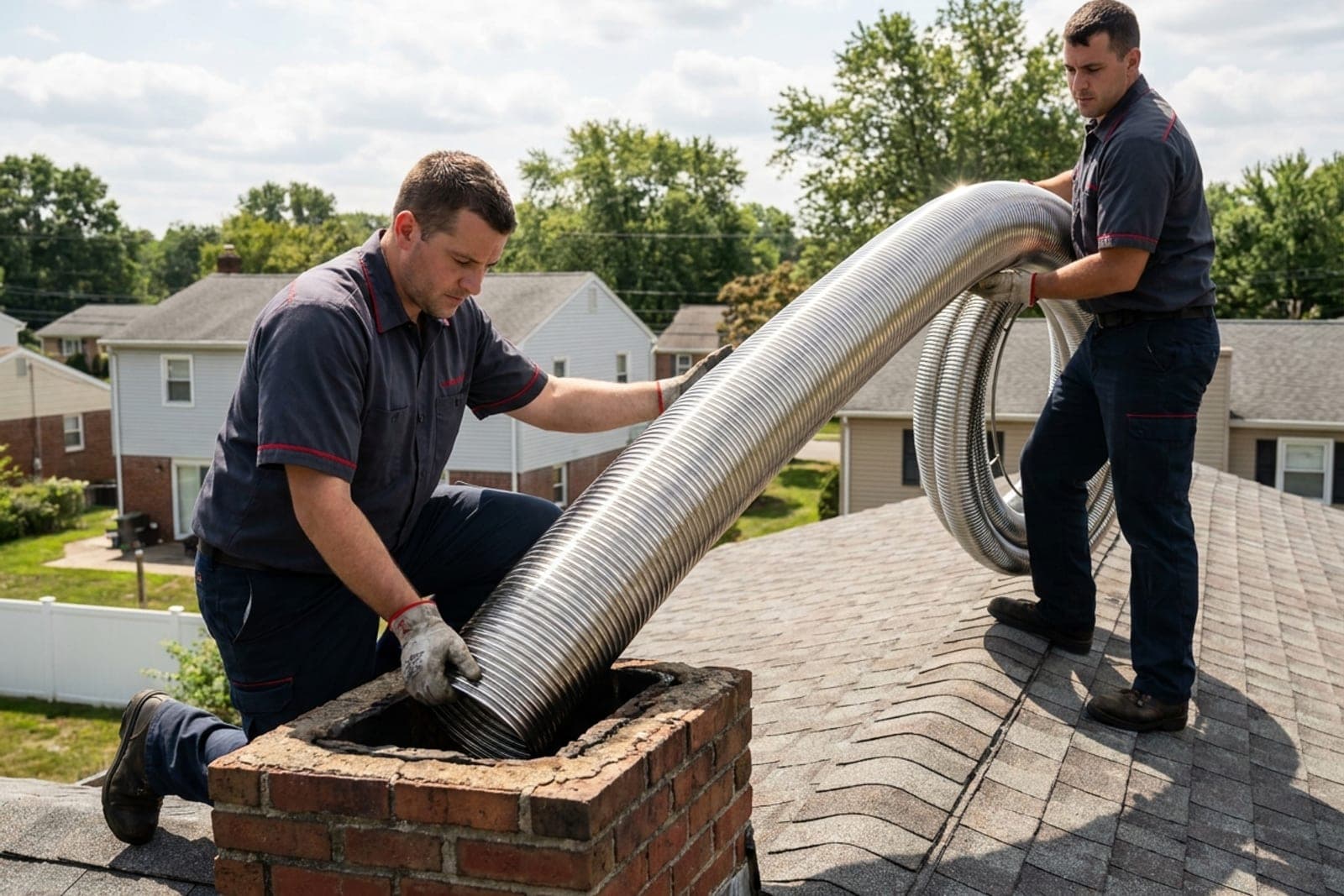
For most gas or oil appliance conversions and general flue damage, a stainless steel liner is the go-to solution. These durable, flexible liners are inserted directly into the existing flue. They come in various grades (304 for wood/coal, 316 for gas/oil) and diameters, ensuring a perfect fit for your specific appliance and chimney. Often, they are insulated to maintain flue gas temperature, promoting better draft and preventing condensation.
In cases of significant structural damage to the existing masonry or for very large, complex flues, a cast-in-place relining system might be recommended. This involves inflating a former inside the flue and pouring a specialized cementitious mixture around it. Once cured, the former is removed, leaving a new, seamless, and structurally sound flue that is highly resistant to heat and corrosion, effectively rebuilding the flue from within.
Beyond Safety: The Long-Term Value of Chimney Relining
Investing in proper chimney relining offers immediate and long-term benefits for your North Jersey home. Primarily, it provides peace of mind, knowing your family is protected from carbon monoxide poisoning and chimney fires. Your heating appliance will operate more efficiently, potentially lowering your energy consumption and extending its lifespan.
Furthermore, a properly lined chimney safeguards the structural integrity of the entire chimney system. It prevents corrosive exhaust from damaging the masonry, thereby avoiding far more extensive and costly repairs down the line. It's a critical upgrade that contributes to the safety, efficiency, and overall value of your home.
Related services