Hello, I'm Scott, your local chimney safety expert. For homeowners across Hudson, Essex, Bergen, and Union County, understanding the state of your chimney's flue liner isn't just about maintenance—it's about the safety and longevity of your historic North Jersey home. Many older masonry chimneys, particularly those built decades or even a century ago, are operating with inadequate or damaged liners, posing real risks that often go unnoticed.
Why North Jersey's Historic Chimneys Need Relining
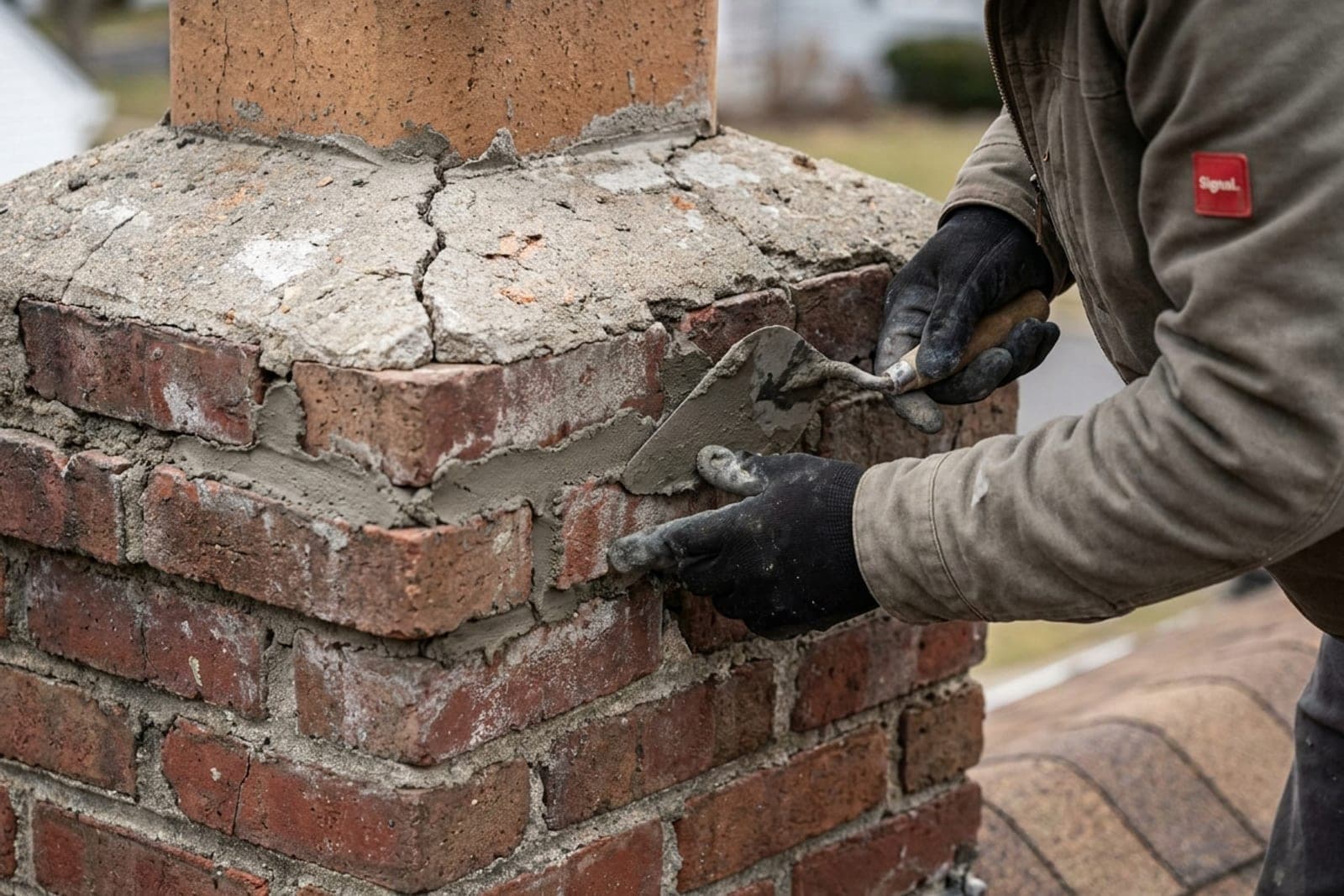
The charming brickwork of our Victorian homes and classic rowhouses in areas like Hoboken, Montclair, or Jersey City often hides aging and vulnerable chimney flues. These older masonry structures, frequently built with only clay tiles or unlined brick, are constantly battling our harsh freeze-thaw winters. Moisture penetrates cracks in the exterior masonry, freezes, expands, and then thaws, gradually deteriorating the mortar joints and brick inside the flue. This constant cycle weakens the integrity of the flue, creating pathways for dangerous carbon monoxide to enter your living space or for heat to ignite nearby combustibles.
Even without visible exterior damage, decades of use and environmental stress can lead to cracks, spalling, and missing mortar within the flue. A compromised liner cannot safely contain the byproducts of combustion, turning your essential venting system into a serious liability.
The Critical Shift: Coal Flues to Gas Appliances
A major factor for many homes in our region is the conversion from coal-burning furnaces to modern gas heating systems. Chimneys designed for coal had wider flues to accommodate the large volume of hot exhaust. When a high-efficiency gas appliance is vented through an unlined or inadequately lined coal flue, new problems emerge.
Gas exhaust is cooler and contains more acidic moisture than coal smoke. This acidic condensate attacks the old mortar and brick, dissolving it over time and causing deterioration at an accelerated rate. A proper, usually stainless steel, liner is essential to create a sealed, appropriately sized conduit for gas exhaust, protecting the existing masonry and preventing corrosive byproducts from seeping into your home or attacking the chimney structure itself. It's a conversion that demands a relining to ensure both efficiency and safety.
Identifying the Need for a Chimney Relining
How do you know if your chimney needs attention? Beyond a professional chimney inspection, which is always the best first step, look out for these signs: visible cracks, holes, or missing mortar in the flue (if you can see it from the top or bottom), spalling or crumbling brickwork inside, unusual odors coming from the fireplace or chimney (especially acidic smells or a strong smoky odor), poor draft from your fireplace or appliance, or unexplained carbon monoxide alarms.
Remember, many liner issues aren't visible to the untrained eye. An annual inspection by a CSIA-certified professional like myself, especially with a camera inspection, is the only way to accurately assess the condition of your flue liner and determine the safest path forward for your Union County, Bergen County, or other North Jersey home.
Choosing the Right Liner for Your North Jersey Home
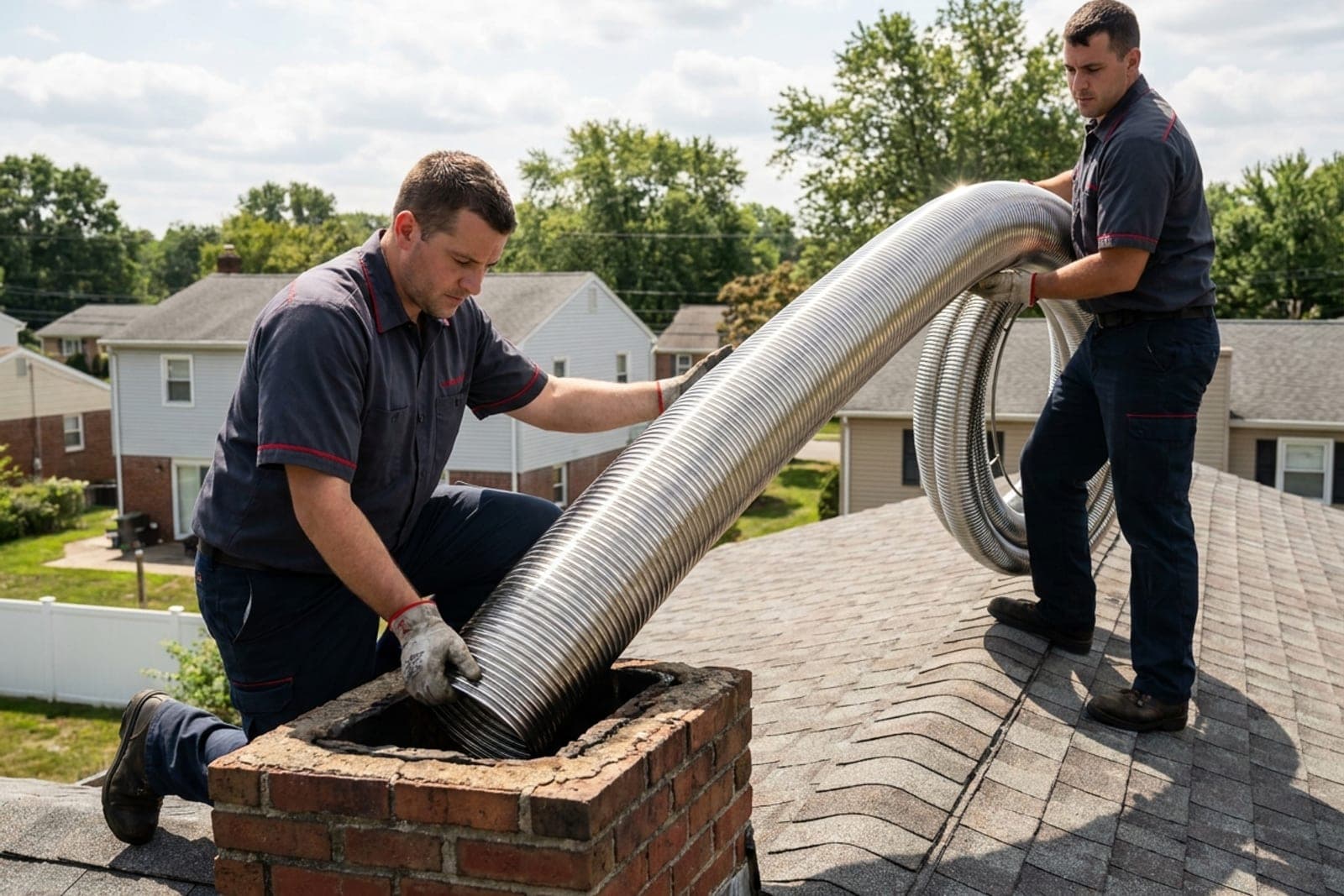
The type of liner required depends on your heating appliance, fuel type, and the condition of your existing chimney. For gas and oil appliances, a durable stainless steel liner is typically the safest and most effective choice, often flexible enough to snake through older, misaligned flues. For wood-burning, high-temperature-rated stainless steel or a cast-in-place liner might be recommended.
Proper sizing and installation are paramount. An improperly sized or installed liner can lead to inefficient appliance operation, accelerated creosote buildup, or dangerous downdrafts. This is not a project for an amateur; it requires specialized knowledge and tools to ensure compliance with local building codes and, most importantly, the safety of your family and your cherished Hudson County or Essex County home.
Related services