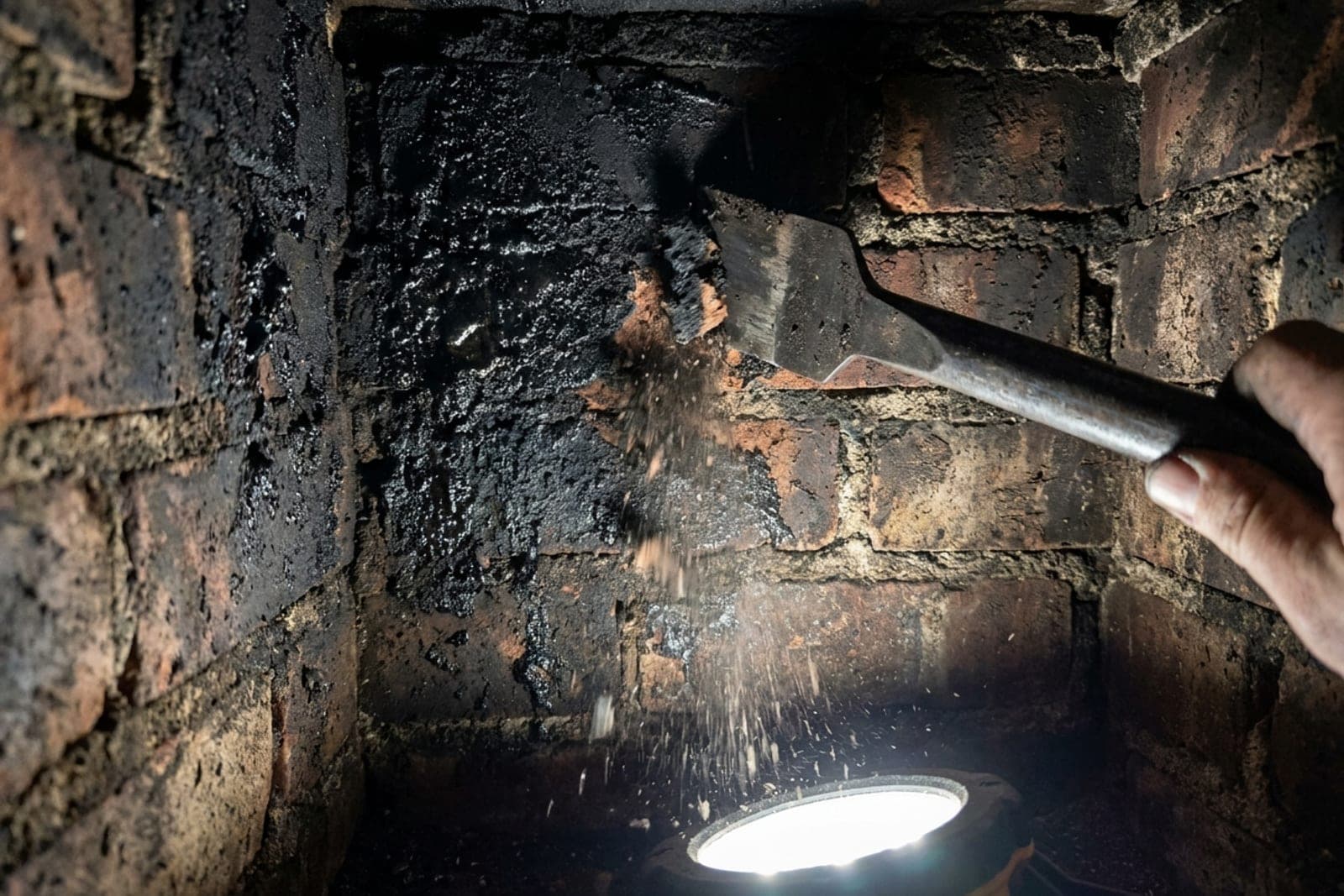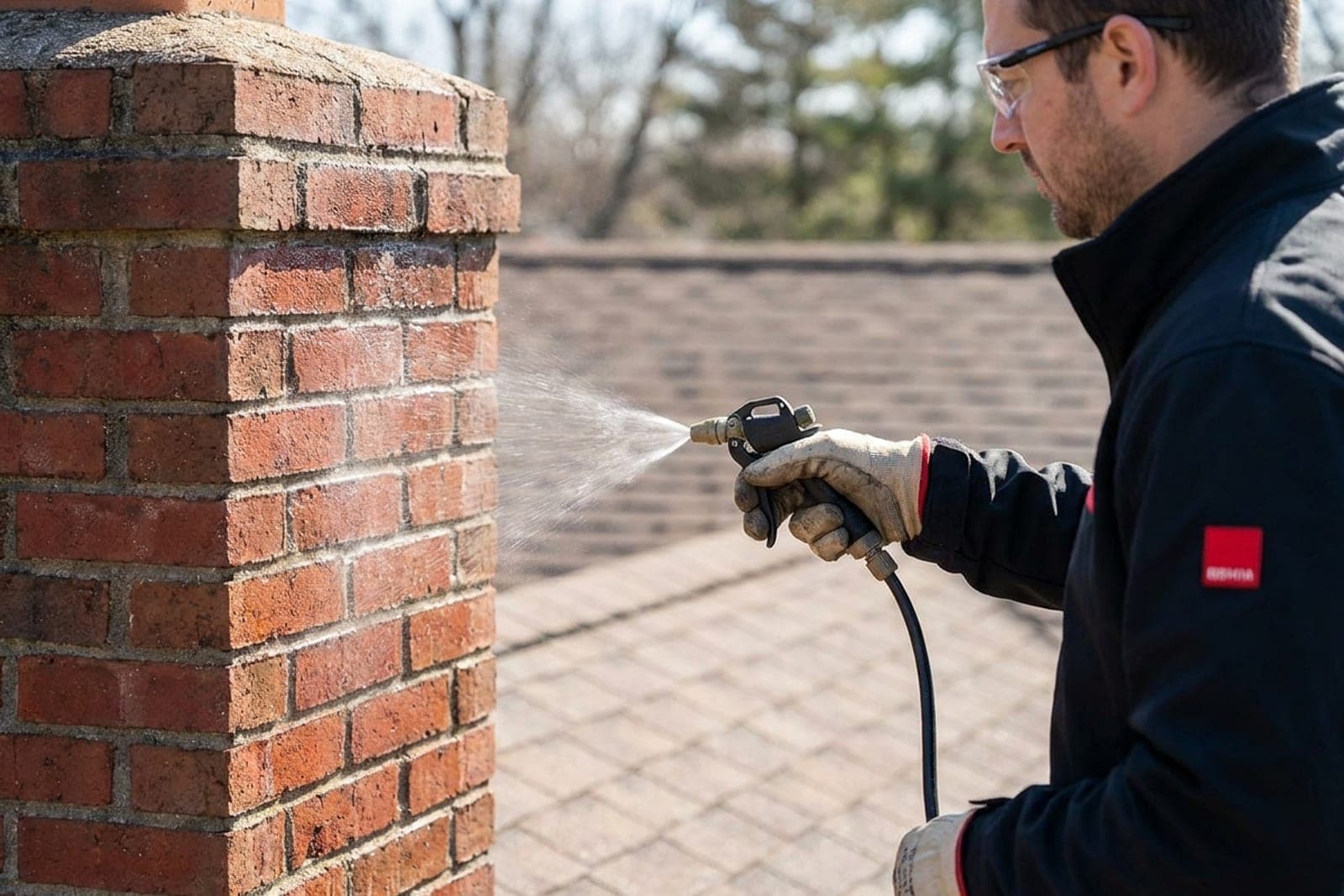
As a homeowner in North Jersey, your chimney faces unique challenges. The relentless freeze-thaw cycles of our winters, combined with the often century-old masonry common in areas like Hoboken, Montclair, or Westfield, make your chimney particularly vulnerable to water damage.
Why Your North Jersey Chimney Is At Risk
Many homes across Hudson, Essex, Bergen, and Union Counties feature masonry chimneys built decades, even a century or more, ago. These structures, common in historic Victorian properties and urban rowhomes, were built with materials that have endured significant environmental stress. While robust, this older brick and mortar has reached an age where its natural resistance to moisture begins to wane.
Crucially, our North Jersey climate presents an aggressive freeze-thaw cycle. Water absorbed into masonry freezes, expands, and then thaws. This continuous process creates microscopic cracks that steadily widen, leading to significant structural and aesthetic damage over time. This cycle relentlessly compromises both the exterior brickwork and the internal integrity of the flue.
The Silent Damage Water Inflicts on Masonry
Water infiltration manifests in several destructive ways. You might notice spalling, where the surface of bricks flakes or peels away, or efflorescence, those unsightly white salt deposits on the chimney exterior. Mortar joints can deteriorate, leading to crumbling and loss of structural cohesion. These aren't merely cosmetic issues; they directly compromise the chimney's ability to safely vent combustion byproducts.
Beyond visible damage, internal moisture is a major concern, particularly for homes that converted from coal-burning fireplaces to gas appliances. While a proper flue liner helps, moisture can still penetrate the outer brickwork. This dampness can accelerate the deterioration of the flue liner itself, potentially leading to blockages, reduced draft efficiency, and even dangerous carbon monoxide leaks if flue integrity is compromised.
Understanding Genuine Chimney Waterproofing
True chimney waterproofing is not akin to painting or applying a non-breathable sealant. Such coatings trap moisture inside the masonry, worsening damage. Instead, effective waterproofing involves applying a specialized, vapor-permeable sealant that allows moisture already within the chimney to escape, while simultaneously creating a barrier against external water penetration.
These professional-grade sealants typically contain siloxanes or silanes. They chemically react with the masonry to form a durable, water-repellent surface without altering the chimney's appearance or preventing the bricks from 'breathing.' This ensures that the chimney can still properly manage moisture from both internal and external sources.
Long-Term Benefits for North Jersey Homeowners
Investing in chimney waterproofing offers substantial long-term benefits. By preventing water-related damage, homeowners can avoid expensive and disruptive repairs such as tuckpointing, chimney crown replacement, or even full chimney rebuilding. Proactive waterproofing is almost always more cost-effective than reactive repairs.
Furthermore, a properly waterproofed chimney extends the lifespan of the entire structure, preserving its aesthetic appeal and structural soundness. This is particularly vital for maintaining the historic character and property value of older homes in our communities. A dry chimney also contributes to better energy efficiency by preventing heat loss through damp masonry.
When to Consider Waterproofing & Next Steps
The ideal time to consider waterproofing is after a thorough professional chimney cleaning and inspection. This is especially true if your chimney is over two decades old, has never been treated, or if you've noticed any early signs of moisture damage like staining or minor spalling. Addressing these issues before they escalate is key.
It's essential to consult with a certified chimney technician. A professional can accurately assess the condition of your specific chimney, identify any existing damage that requires repair *before* waterproofing, and recommend the most appropriate product and application method for your unique North Jersey home's masonry and environmental exposure.
Related services