Hi, I'm Scott. In North Jersey, our homes – especially those classic Victorians, sturdy rowhomes, and pre-war brick structures – have chimneys that have stood for decades, often a century or more. These chimneys are constantly exposed to our relentless weather. While they’re built tough, time and moisture are their greatest adversaries, making waterproofing a critical preventative measure for longevity.
Why North Jersey Chimneys Need Specific Protection
Our climate here in Hudson, Essex, Bergen, and Union Counties delivers harsh freeze-thaw cycles every winter. Water penetrates the porous older bricks and mortar, then freezes, expands, and causes the masonry to spall (flake off) or crack. This isn't just cosmetic; it compromises the structural integrity of your chimney.
Many of these historic homes, whether a stately Victorian in Montclair or a robust rowhome in Hoboken, were built with solid, absorbent brick. Without proper protection, these materials soak up moisture like a sponge, accelerating deterioration. Waterproofing offers a vital shield against this environmental assault.
The Silent Dangers of Water Intrusion
Beyond spalling, water inside your chimney can lead to several insidious problems. It can seep into your home, causing stained walls, damaged ceilings, and even mold growth in your attic or around the fireplace. Water can also erode the mortar joints, weakening the entire chimney structure over time, posing a safety hazard.
For homes where coal-era flues were converted to gas, internal moisture can be a particular concern. Gas furnace exhaust contains a significant amount of water vapor and is cooler, leading to condensation within the flue. If the original terracotta flue liner is cracked or deteriorated, or if there's no liner at all, this acidic moisture can wick into the surrounding masonry. While waterproofing protects the exterior, it also helps the exterior masonry repel any moisture that might migrate from a compromised flue liner, preventing further brick damage from the outside.
Effective Waterproofing: More Than Just a Sealant
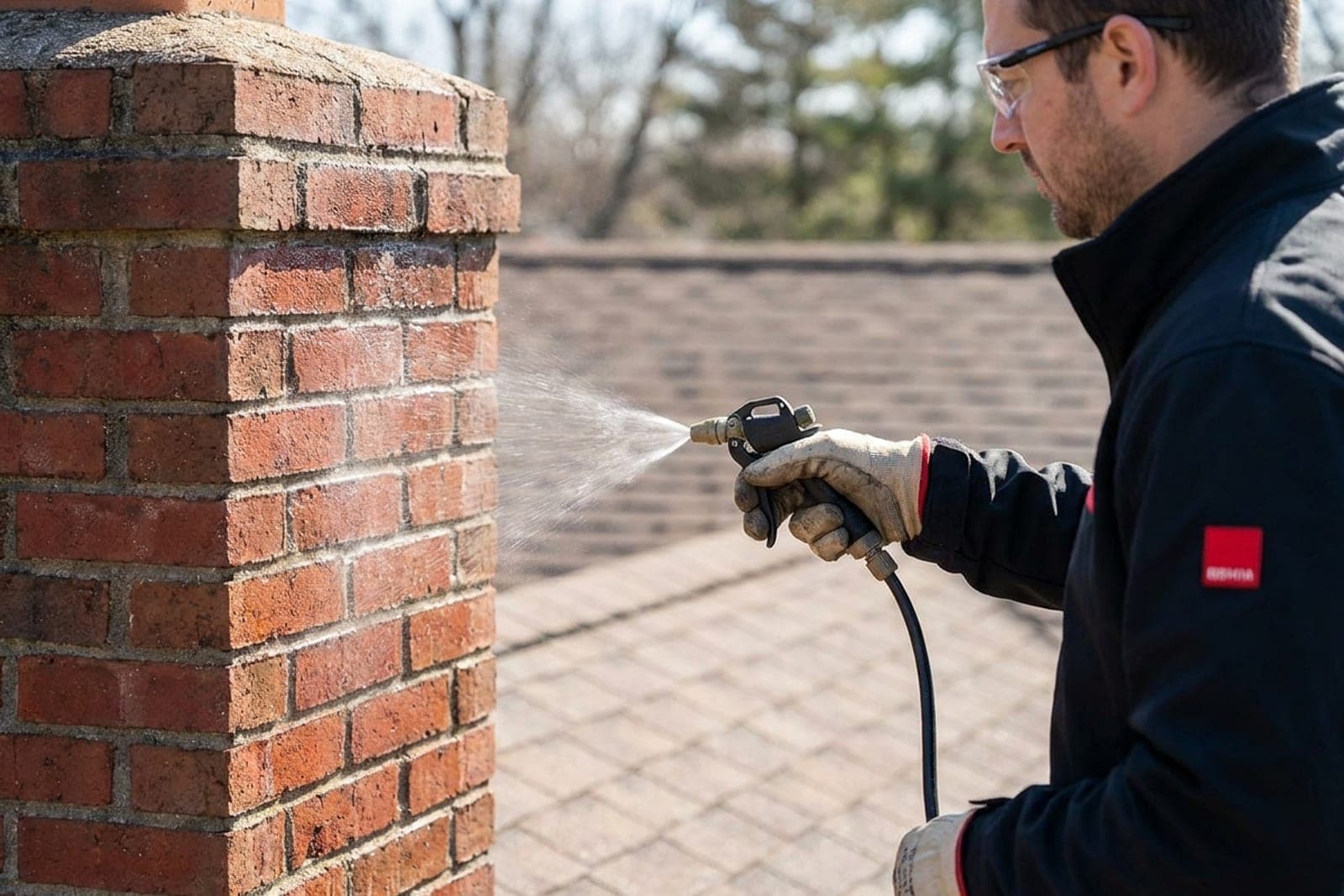
When we talk about chimney waterproofing, we’re not just talking about painting on a rubberized coating. Effective waterproofing involves applying a specialized, breathable sealant to the exterior masonry. This type of sealant repels water while allowing moisture vapor from inside the chimney to escape, preventing it from trapping moisture and causing issues.
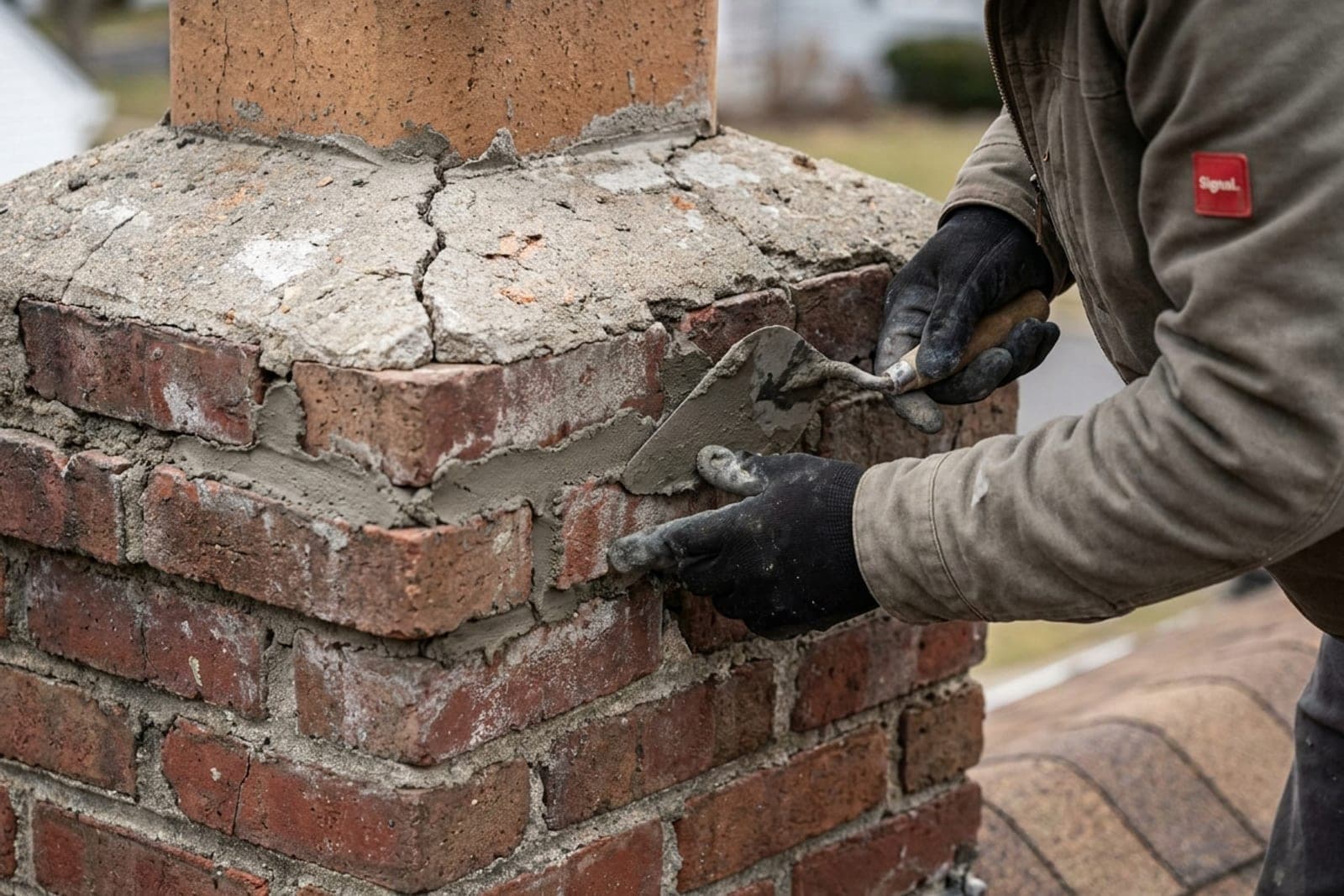
Before any sealant is applied, however, thorough preparation is crucial. This includes cleaning the chimney surface, repairing any cracked mortar joints (tuckpointing), addressing spalled bricks, and ensuring the chimney crown is solid and free of cracks. The crown, the slab on top of your chimney, is often the first line of defense against water; if it’s compromised, no amount of sidewall waterproofing will be fully effective. We also meticulously inspect flashing where the chimney meets the roof.
When to Consider Waterproofing Your Historic Chimney
The ideal time to waterproof is preventatively, before significant water damage occurs. If your chimney is showing any signs of efflorescence (white powdery residue on the brick), spalling, mortar deterioration, or visible water stains on the interior walls near the chimney, it's already past due. Even if you don't see obvious signs, a chimney that hasn't been waterproofed in decades (or ever) in our climate is a prime candidate.
As a rule of thumb, after any major masonry repair or a professional chimney inspection reveals porous brick or mortar, waterproofing should be seriously considered. It's a proactive investment that will extend the life of your chimney, protecting your home’s structural integrity and its historic charm from the damaging effects of water.
Related services