Hello, I'm Scott, and for years I've seen firsthand the unique challenges North Jersey chimneys face. From the historic Victorians of Bergen County to the busy rowhomes of Hudson, our homes' chimneys endure harsh winters and the wear of time, often needing specific, timely repairs to remain safe and efficient. This article will help you understand what to look for.
North Jersey's Freeze-Thaw Cycles & Your Masonry
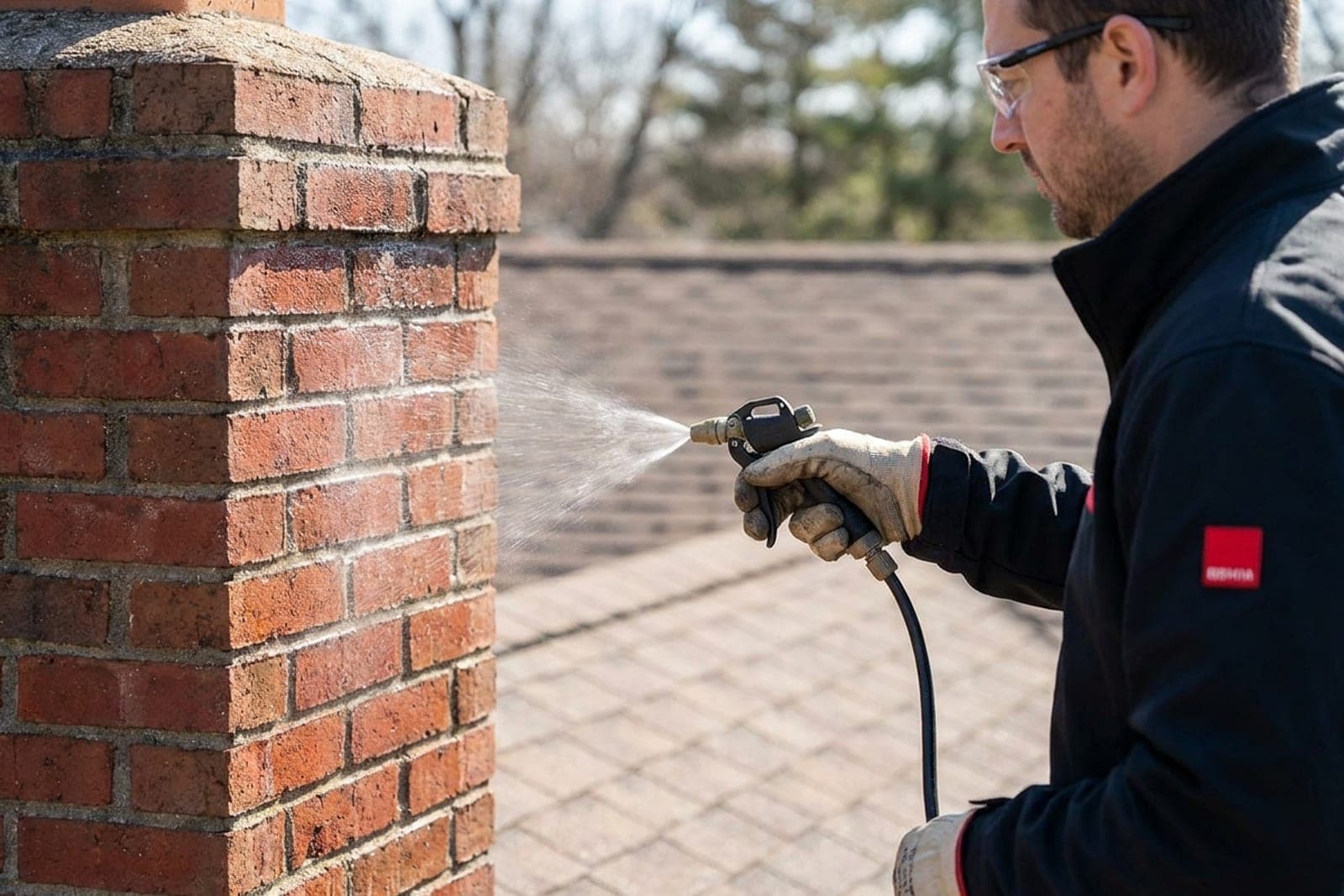
Our climate in Hudson, Essex, Bergen, and Union Counties features a relentless cycle of freezing and thawing throughout winter. Water seeps into microscopic cracks in your chimney's brick and mortar. When temperatures drop, this water freezes, expanding and exerting immense pressure from within. This repeated expansion causes spalling (surface flaking), crumbling mortar, and widening cracks.
Older masonry, common in our historic housing stock, is often more porous and thus more susceptible to this damage. Without timely intervention, what starts as a minor surface flaw can quickly compromise the entire chimney structure, leading to costly repairs and potential safety hazards.
From Coal to Gas: Addressing Your Older Flue
Many North Jersey homes were originally built with chimneys designed for coal-burning furnaces. When these systems were converted to natural gas, often the original, unlined or poorly lined flue remained in place. Flues designed for coal are typically much larger and have rougher interior surfaces than what's optimal for modern, efficient gas appliances.
Gas combustion produces acidic condensation, which silently degrades the mortar joints and brickwork within an unlined or improperly lined flue. This deterioration can lead to dangerous carbon monoxide leaks into your living space and compromises the structural integrity of the chimney liner over time. A correctly sized and installed flue liner is not just about efficiency; it's a critical safety component.
Beyond Weather: General Masonry Wear & Essential Repairs
Even without the extreme freeze-thaw cycles, mortar naturally deteriorates over decades, bricks can loosen, and the chimney crown (the slab covering the top of the chimney) can crack. These issues are particularly prevalent in the older Victorian homes, colonial-era houses, and multi-family rowhomes that characterize our counties. Neglecting these seemingly minor faults accelerates overall structural decline.
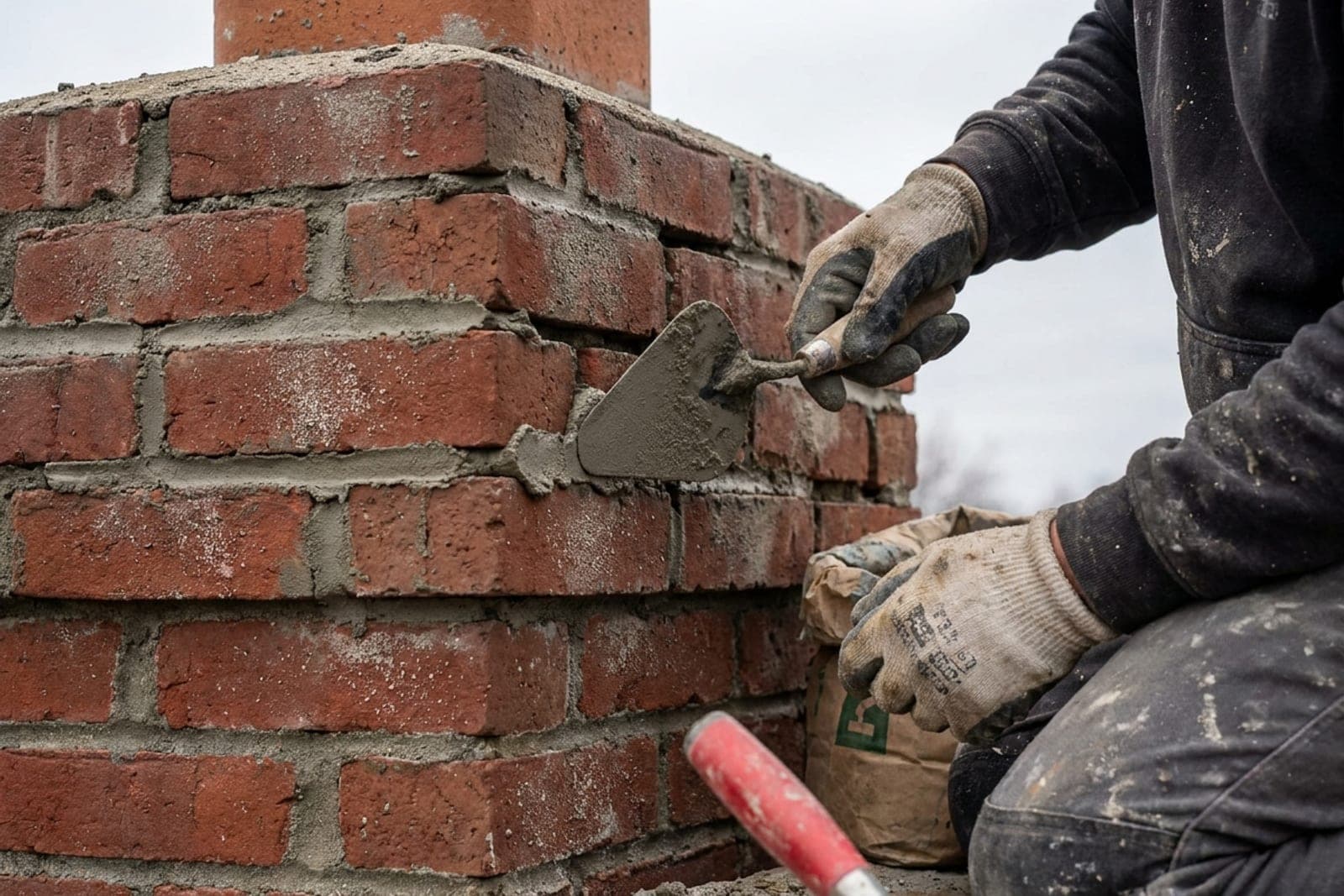
Repairs like tuckpointing, which involves grinding out deteriorated mortar joints and replacing them with fresh mortar, are common and essential for maintaining structural integrity and preventing water penetration. A damaged or missing chimney cap and crown are direct entry points for water, exacerbating all other issues and leading to interior leaks and rot.
Know the Signs: When to Call a Professional
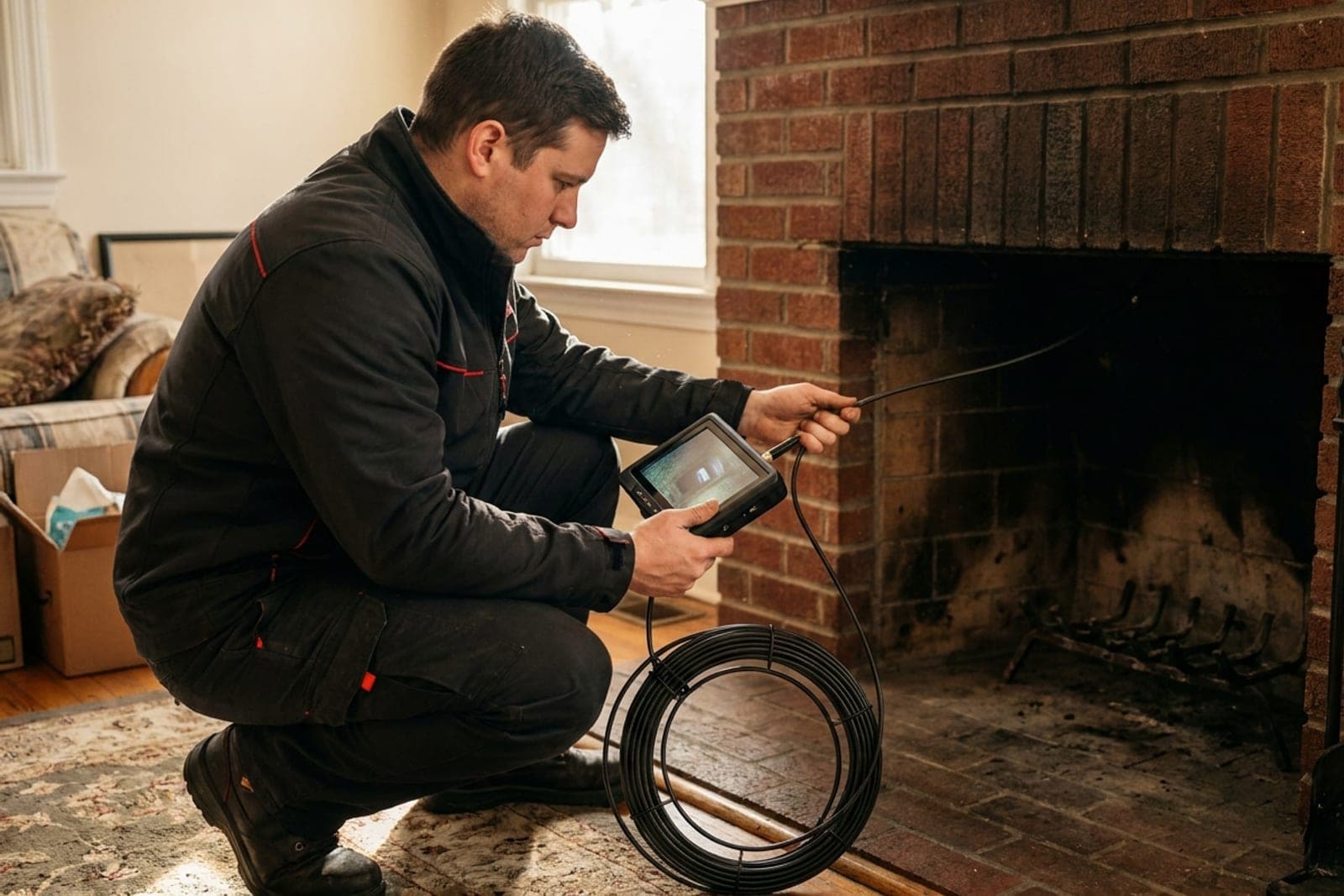
Be vigilant for common warning signs: visible exterior damage such as cracked bricks, missing or crumbling mortar, or a lean in the chimney structure. Inside, look for water stains on walls or ceilings near the chimney, white powdery residue (efflorescence) on interior fireplace brickwork, strange odors (especially a gas smell or lingering smoke), or bits of debris falling into the firebox.
These indicators are not merely cosmetic; they point to underlying structural or functional issues that demand professional attention. Delaying repairs only allows problems to worsen, increasing costs and safety risks. A professional inspection, especially after a particularly harsh winter, is your best defense against major chimney failures.
Related services