For homeowners in Hudson, Essex, Bergen, and Union County, your chimney is more than just a roof fixture—it's a critical component, especially in North Jersey's older housing stock. With historic Victorians, classic rowhomes, and homes with decades of service, understanding the need for regular chimney inspections isn't just about code; it's about preserving your home and family's safety against unique local challenges.
North Jersey's Unique Chimney Challenges
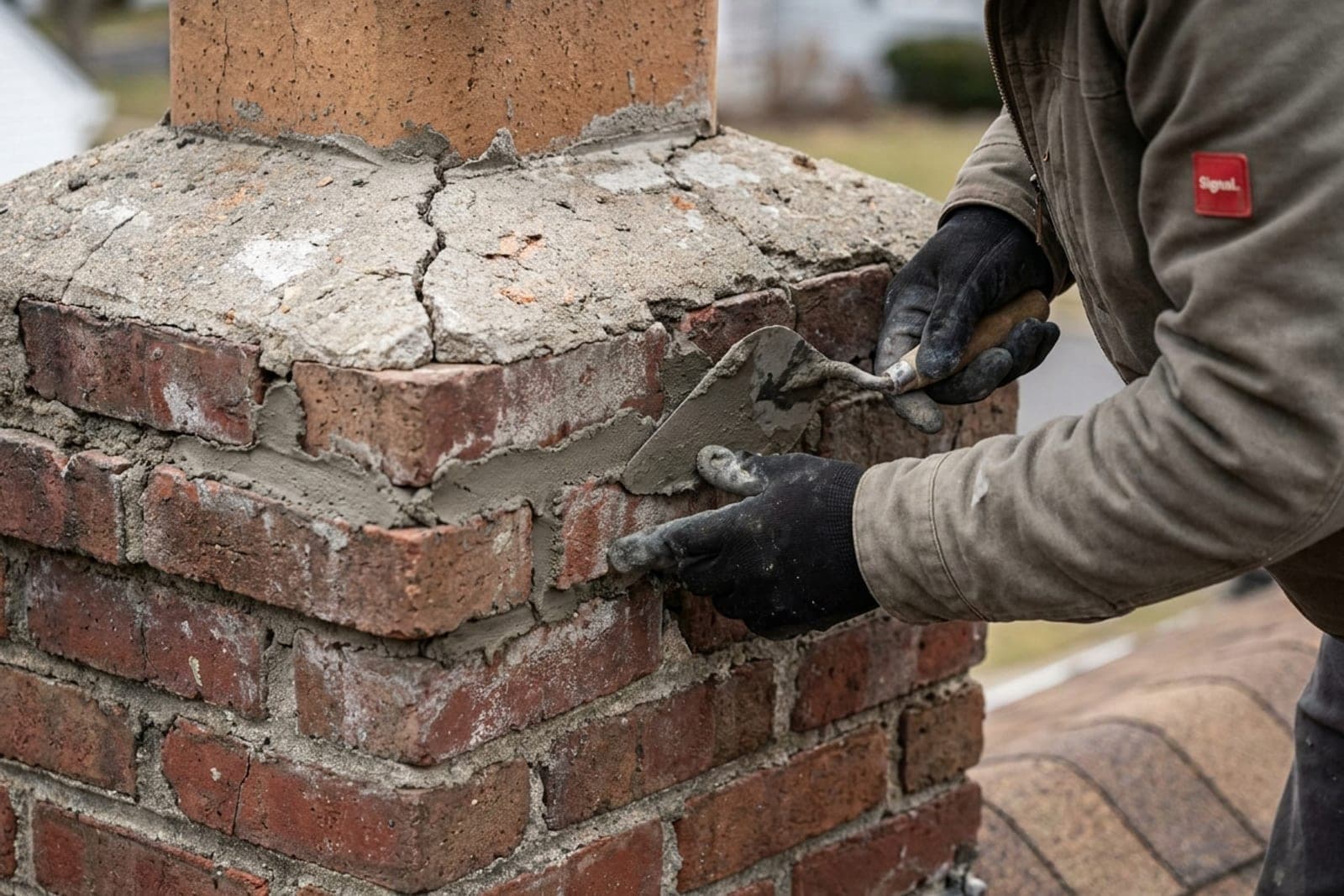
Homes across Hudson, Essex, Bergen, and Union Counties often boast rich histories, many dating back to the late 19th or early 20th century. This age means their original masonry chimneys have endured over a century of use and the elements. Mortar joints can deteriorate, bricks spall, and foundational shifts can compromise structural integrity over time, leading to hidden weaknesses that aren't apparent from the ground.
Our region’s harsh freeze-thaw cycles further accelerate this degradation. Moisture seeps into tiny cracks in the brickwork and mortar during wetter months. When temperatures drop below freezing, this water expands, widening cracks and causing pieces of the chimney to flake off, a process known as spalling. This makes regular, thorough inspections crucial for early detection and preventing extensive, costly repairs.
The Dangers of Converted Flues
Many North Jersey homes were originally heated with coal, meaning their chimneys were designed for a much different exhaust profile. As heating systems transitioned to oil and then natural gas, existing flues were often repurposed. Gas appliances produce cooler, more acidic exhaust which, without a properly sized and constructed liner, can condense within the original, unlined masonry flue. This condensation creates corrosive acids that rapidly deteriorate mortar and brick from the inside out.
Beyond structural damage, an unlined or improperly lined flue for modern gas appliances poses severe safety risks. It can lead to carbon monoxide leaks into your living space due to flue gas seepage through compromised masonry. Inadequate draft or blockages caused by deteriorating mortar can also prevent toxic gases from venting correctly, making regular inspections essential for detecting these silent, deadly threats before they become a tragedy.
What a Professional Inspection Uncovers
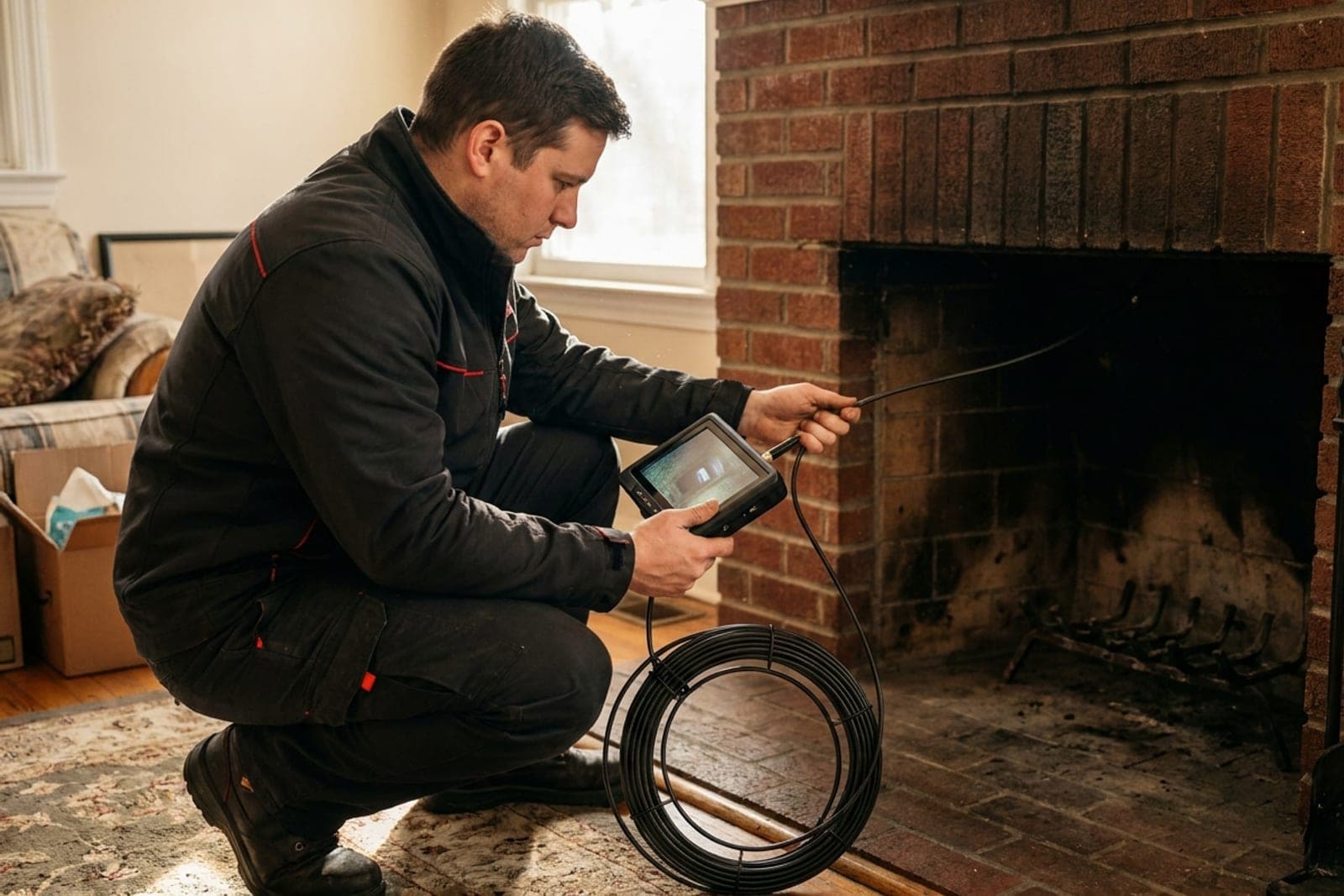
A comprehensive chimney inspection goes far beyond a casual glance. As a certified professional, I perform detailed assessments, often using specialized cameras to examine the interior flue lining from top to bottom. We look for creosote buildup (a leading cause of chimney fires), obstructions like animal nests or debris, cracks in the flue tiles or liner, and any signs of spalling or deterioration in the masonry.
Our goal is to identify potential hazards and structural deficiencies before they escalate into major problems. This includes assessing the chimney crown for cracks, checking flashing for leaks, and ensuring all components meet current safety standards. Early detection means preventative maintenance, which can save you from a catastrophic chimney fire, dangerous carbon monoxide exposure, or expensive structural repairs down the line.
When to Schedule Your Chimney Inspection
The general recommendation is an annual chimney inspection, especially if you actively use your fireplace or heating appliance. This routine check ensures minor issues don't become significant hazards over the off-season or during periods of heavy use. Even if your chimney isn't frequently used for wood fires, it still vents your furnace or water heater, making annual checks vital for gas and oil appliance safety.
Beyond annual checks, specific events warrant an immediate inspection. This includes purchasing a new home in these counties (a Level 2 inspection is critical), after any major weather event like a severe storm or earthquake that could cause structural damage, if you notice any changes in performance (like smoking or strange odors), or when converting or replacing a heating appliance connected to the chimney.
Related services