As a homeowner in Hudson, Essex, Bergen, or Union County, you understand that your home, often steeped in history, comes with its own set of unique maintenance considerations. This is especially true for your chimney, a vital but often overlooked component facing specific challenges in our region.
The North Jersey Chimney Reality: Age & Weather
Many homes here, particularly historic Victorians and classic rowhomes in places like Hoboken, Jersey City, Montclair, or Elizabeth, feature masonry chimneys that have stood for a century or more. While undeniably beautiful, this aged brick and mortar are constantly battling the elements.
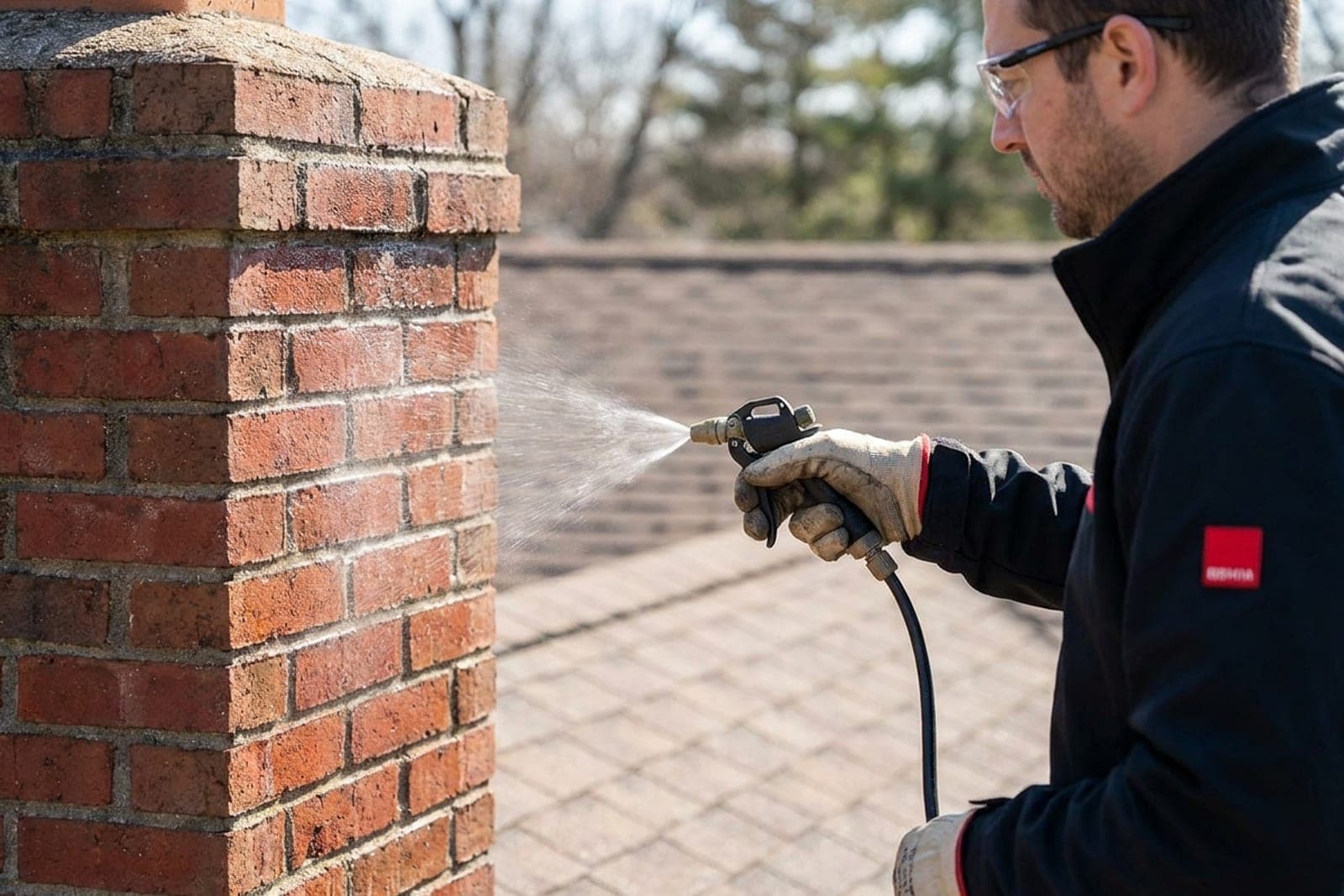
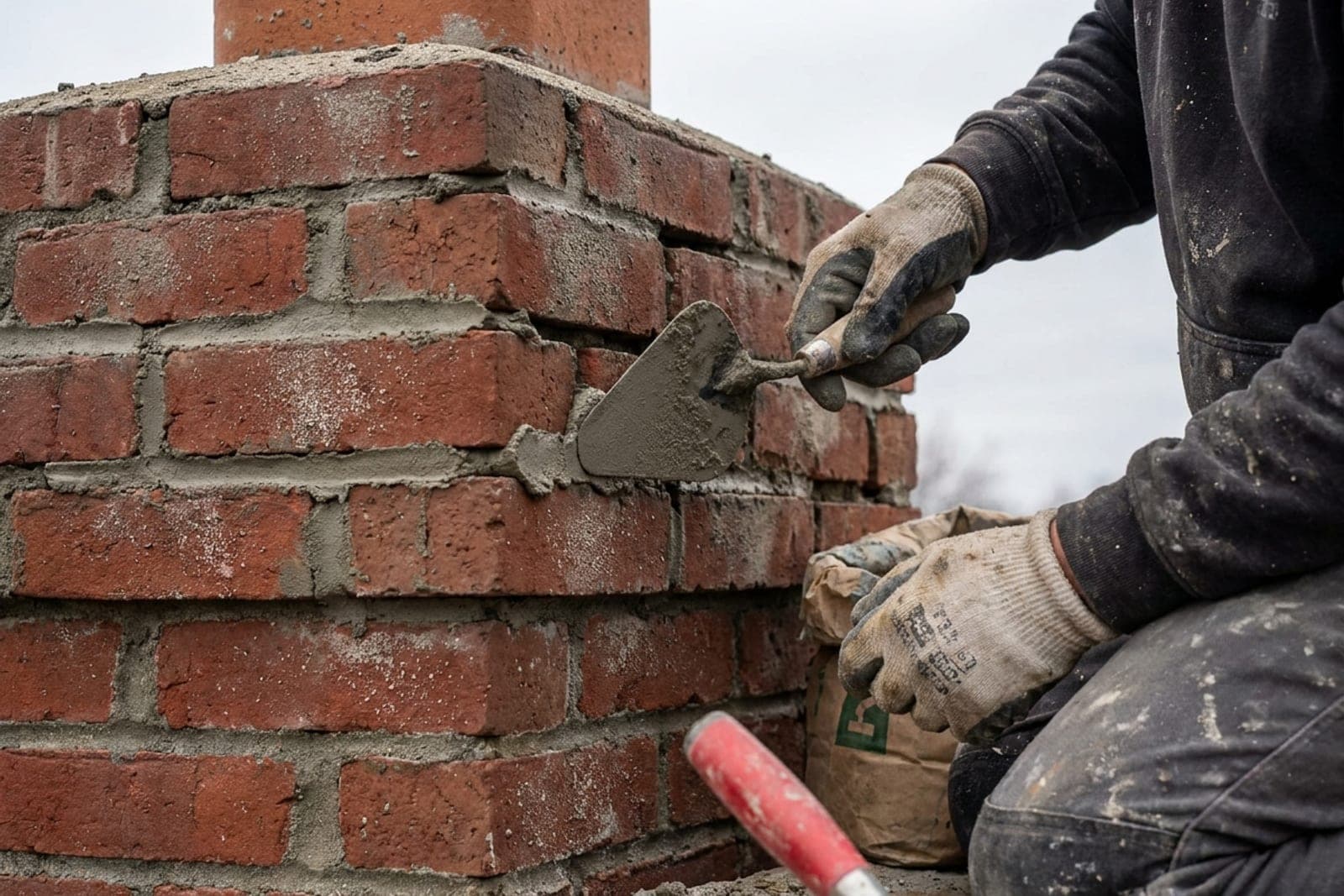
Our brutal North Jersey winters, with their repeated cycles of freezing temperatures and thawing, are particularly hard on these structures. Water seeps into tiny cracks, freezes, expands, and then thaws, gradually deteriorating the masonry. This isn't just cosmetic; weakened mortar joints and spalled bricks compromise structural integrity and can lead to dangerous flue breaches.
The Hidden Dangers of Gas Conversions
A common scenario we encounter in our service area is the conversion of old coal or oil-burning chimneys to vent modern high-efficiency gas appliances. While seemingly a simple switch, this change dramatically alters the flue's internal environment.
Gas furnaces produce cooler, more acidic exhaust than traditional solid fuels. When this exhaust cools too rapidly in an oversized, unlined, or improperly sized flue originally designed for hot coal smoke, it creates corrosive condensation. This condensation can slowly but surely eat away at the mortar and tile liners, leading to dangerous leaks of carbon monoxide or even chimney collapses.
What an Expert Inspection Reveals
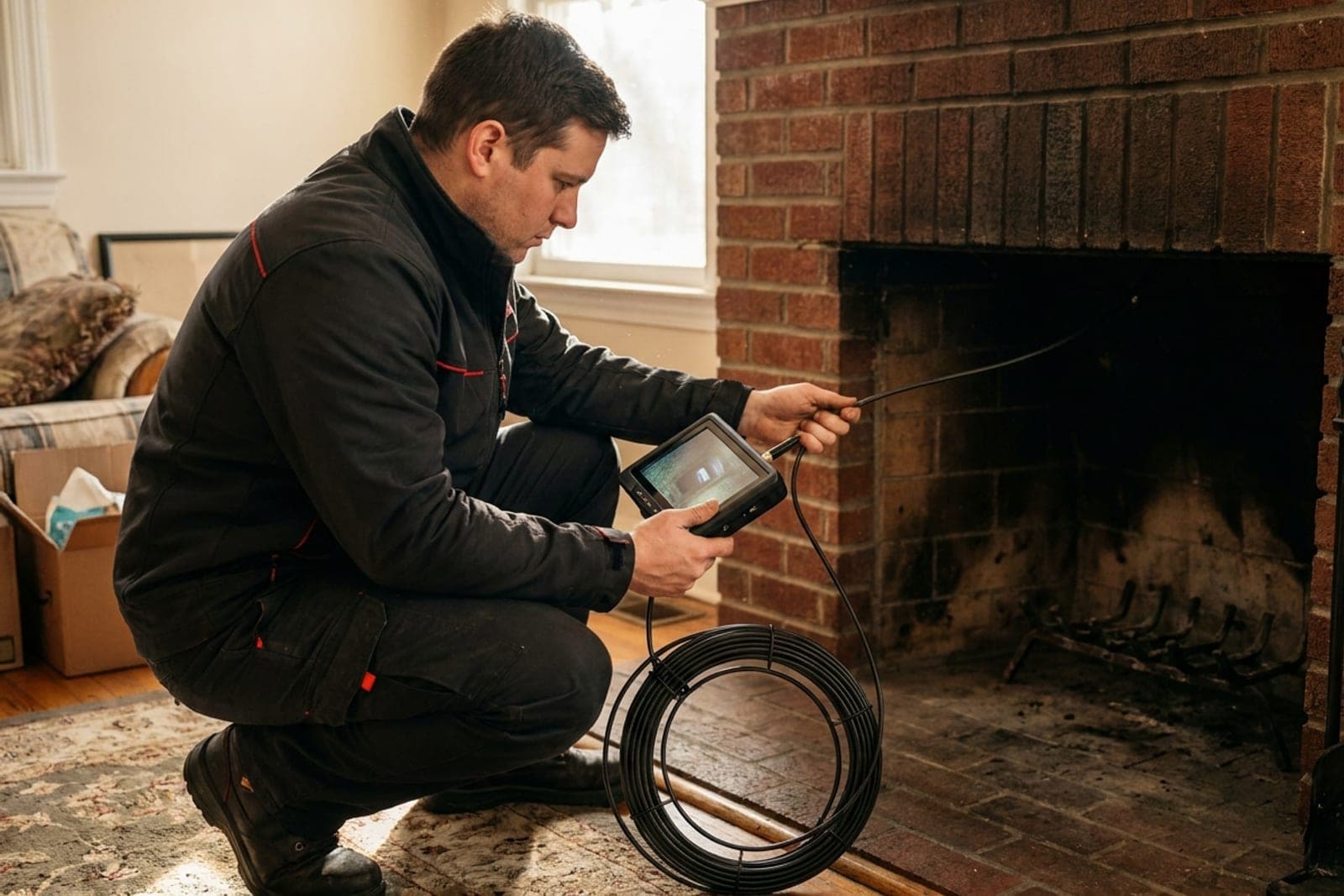
A professional chimney inspection goes far beyond a casual glance. For Level 2 inspections, especially recommended for real estate transactions or after a significant weather event, we use specialized cameras to thoroughly examine the entire flue length, liner, smoke chamber, and damper from top to bottom.
We look for creosote buildup (even in gas flues, though less common), cracks in the flue liner, damaged mortar joints, obstructions, proper sizing for current appliances, and any signs of water intrusion or structural compromise. We also assess the chimney cap, flashing, and crown – crucial components often damaged by weather and critical for protecting the chimney from further degradation.
Why Annual Inspections Are Non-Negotiable
Think of your chimney inspection as the annual physical for your home's respiratory system. Catching minor issues early, like a small crack or early stages of deterioration, can prevent costly repairs, dangerous carbon monoxide leaks, or even a chimney fire down the line. This is especially vital for homes that are heating with gas and rely on that flue for venting combustion byproducts safely out of your home.
Given the unique challenges of our North Jersey climate and historic housing stock, an annual inspection isn't just a recommendation; it's a critical safety measure. It ensures your heating system operates safely and efficiently, protecting your family and your significant investment in your home.
Related services