For homeowners in Hudson, Essex, Bergen, and Union County, a properly installed chimney cap isn't just an accessory; it's a critical defense against the elements and common issues affecting North Jersey's diverse housing stock. Given our region's specific climate and architectural history, understanding the role and necessity of a chimney cap is paramount for long-term chimney health.
Why Chimney Caps are Crucial for North Jersey Homes
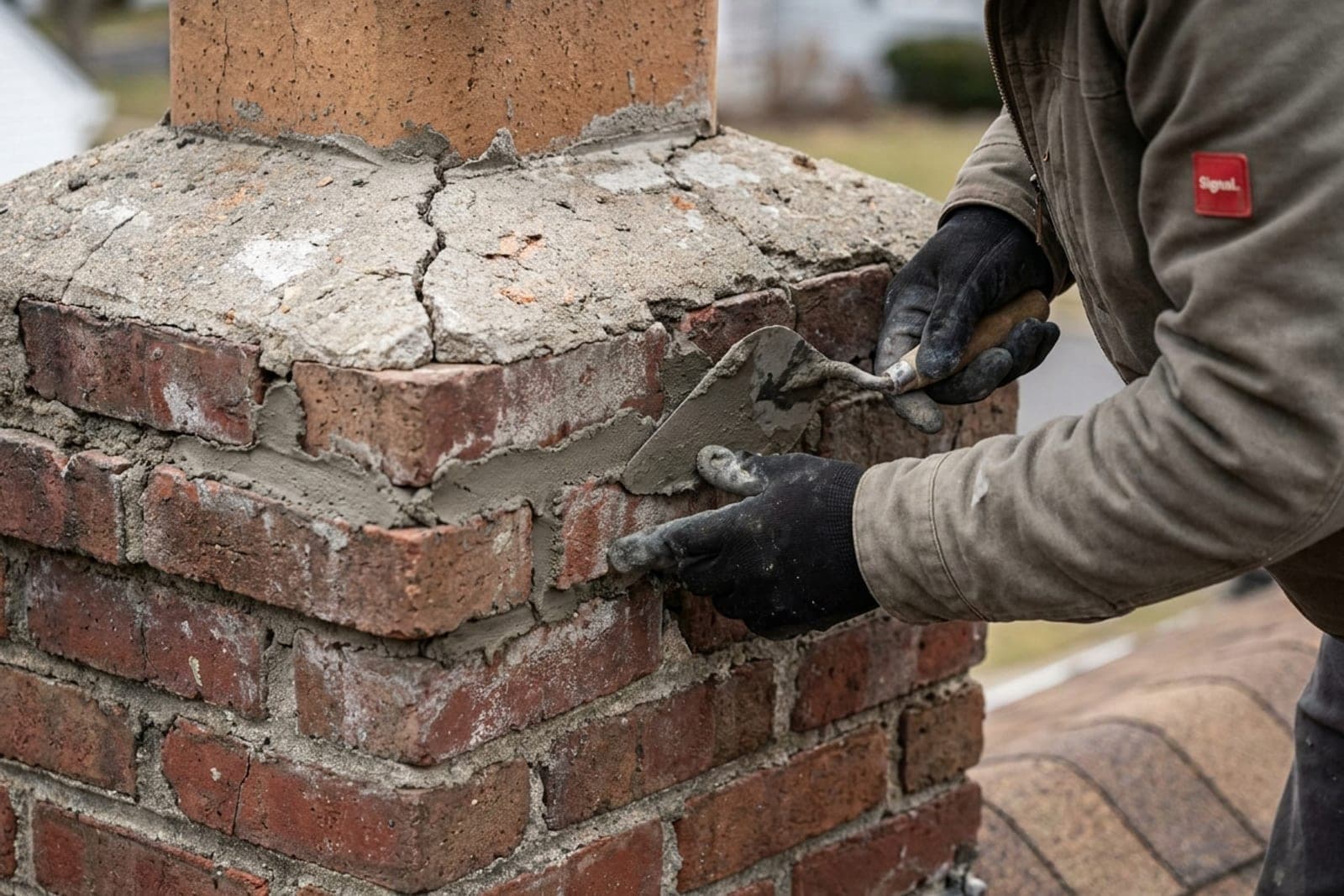
Our harsh freeze-thaw cycles and heavy precipitation can significantly impact unprotected masonry. Water entering an uncapped flue slowly deteriorates the liner and mortar joints, leading to costly repairs and potential safety hazards like spalling bricks. A quality chimney cap provides the first line of defense, diverting rain, snow, and ice away from your chimney's interior.
Beyond weather, animals like raccoons, birds, and squirrels frequently seek shelter or nesting sites within open flues. These intrusions can lead to blockages, unpleasant odors, and the spread of disease. A securely fitted cap, often with a mesh screen, effectively prevents wildlife entry while allowing smoke and gases to exit freely.
Debris such as leaves, branches, and other airborne particulates can also accumulate inside an uncapped flue, restricting airflow and increasing the risk of creosote buildup, particularly in wood-burning systems. Even in gas-fired chimneys, debris can obstruct the flue, hindering proper ventilation and posing a carbon monoxide risk.
Navigating North Jersey's Historic and Converted Flues
Many homes throughout Hudson, Essex, Bergen, and Union County, particularly historic Victorian, Edwardian, and classic rowhomes, were constructed before chimney caps became standard. Their original brickwork and often multiple flues present unique challenges and opportunities for modern protection. Installing a cap on these older structures requires careful assessment of the existing crown and masonry integrity.
A common scenario in our area involves coal-era chimneys converted to gas. These conversions often leave an oversized flue for the smaller exhaust pipe, creating an inviting space for animals and allowing excessive moisture accumulation. Proper capping in these instances requires precise sizing to accommodate the new flue setup while protecting the entire chimney opening, often involving specialized or custom-fabricated caps.
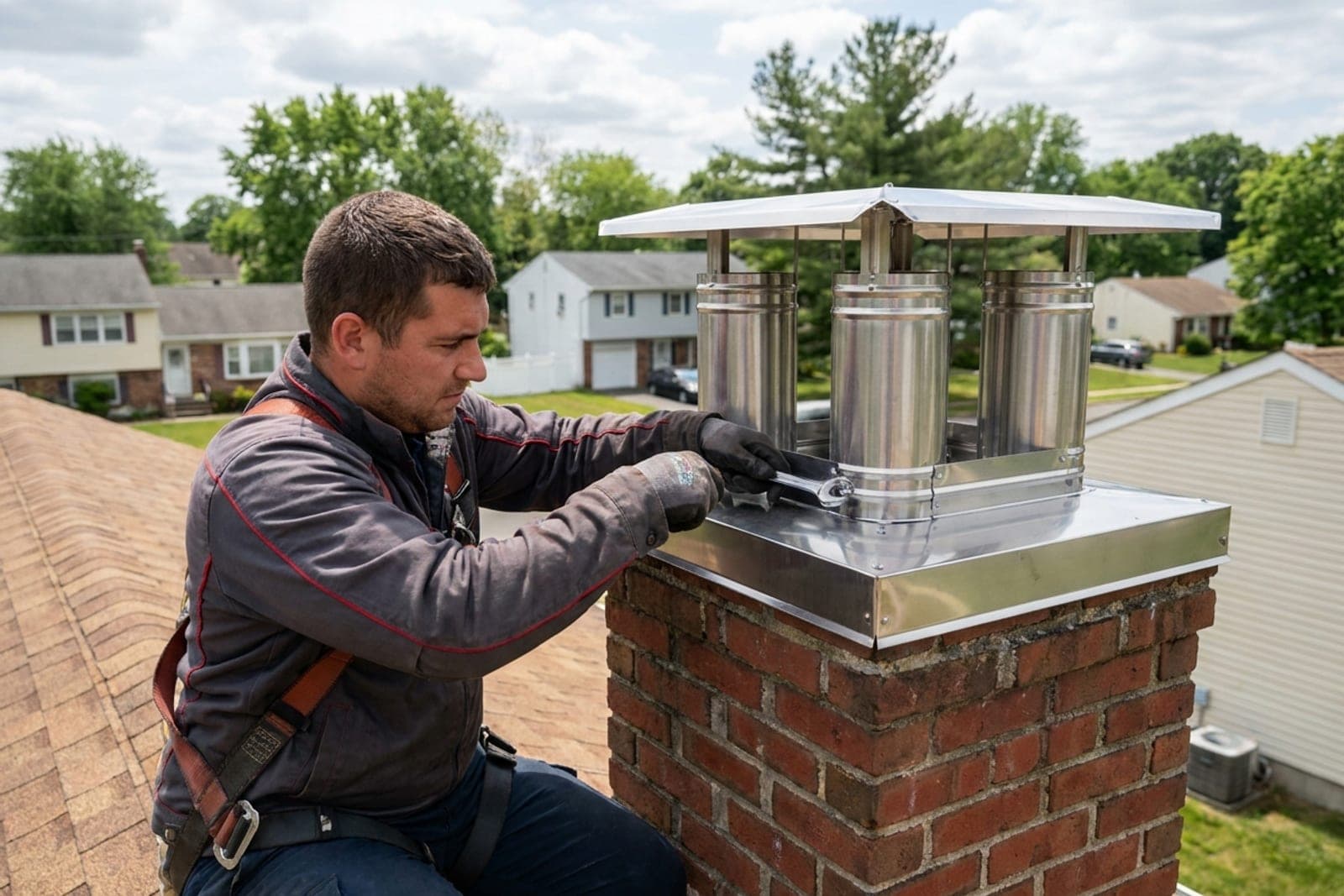
Multi-flue chimneys, prevalent in larger historic homes, demand comprehensive solutions. Each flue typically requires its own cap or a custom multi-flue cap designed to protect all openings adequately. This ensures that while individual flues are optimized for their specific appliances, the entire chimney structure receives uniform protection.
Choosing the Right Cap: Materials and Customization
The best chimney cap material for North Jersey's climate is typically stainless steel or copper. Stainless steel offers excellent durability and corrosion resistance against our salty air and precipitation, making it a cost-effective, long-lasting choice. Copper, while a higher initial investment, provides superior longevity and develops a beautiful patina over time, often preferred for its aesthetic appeal on historic properties.
Galvanized steel caps are a less durable option; their lifespan is significantly shorter in our harsh conditions, often leading to premature rust and failure. We generally recommend avoiding these for long-term protection.
Proper sizing is non-negotiable. A cap too small won't offer adequate protection, while one too large can affect draft. For historic homes with unique or irregular flue sizes, custom-fabricated caps are often the ideal solution. These are designed to perfectly fit your chimney's specific dimensions, ensuring optimal performance and a seamless aesthetic that respects the home's original character.
The Professional Installation Advantage
Chimney cap installation involves working at heights, often on steep roofs and aging masonry that may not be stable. Attempting a DIY installation is inherently dangerous and can lead to injury or further damage to your chimney. Professional technicians possess the necessary safety equipment, training, and insurance to perform the job securely.
Beyond safety, professional installers ensure the cap is correctly sized, securely fastened, and properly sealed. An improperly installed cap can leak, dislodge in high winds, or even impede the chimney's draft, creating a carbon monoxide hazard. Our experience with Hudson, Essex, Bergen, and Union County homes allows us to anticipate and address specific challenges like uneven crowns, multiple flues, and historical preservation considerations.
During installation, a professional can also identify and advise on other potential issues, such as a damaged crown, deteriorating mortar joints, or a cracked flue liner, preventing minor problems from escalating into major, more expensive repairs down the line.
Related services