
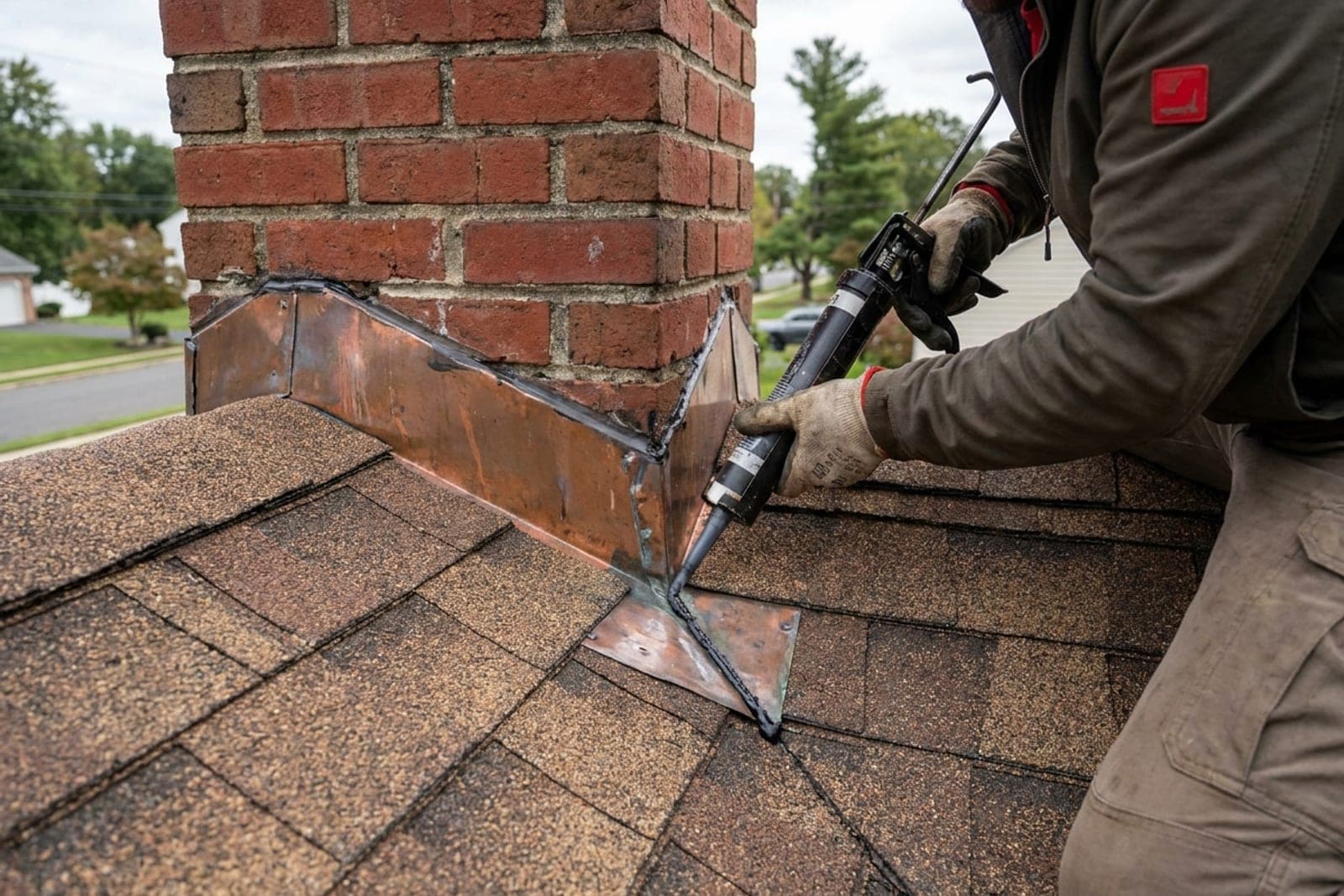
Here along the Jersey Shore, your chimney takes a beating. From relentless salt air to Nor'easters and freezing winters, the weakest link in your roofline is often the chimney flashing. Ignoring a flashing problem can lead to expensive water damage, so let's get you informed.
Why Ocean & Monmouth Chimneys Need Superior Flashing
Our coastal environment is uniquely tough on building materials. The salt-laden air accelerates corrosion on metal flashing, weakening its integrity much faster than inland homes. Then you add our notorious freeze-thaw cycles: water seeps into tiny cracks, freezes, expands, and turns small issues into major breaches. Nor'easters don't just bring rain; they bring wind-driven rain, finding every potential entry point around your chimney.
Many older shore homes in towns like Point Pleasant Beach, Bay Head, or Spring Lake might have original flashing that's simply past its lifespan or was installed with materials not designed for this severe climate. It's not just about the rain; it's about the combination of environmental stressors that are unique to our specific region.
Common Signs of Flashing Failure (Don't Ignore These!)
The most obvious sign is water stains on your ceiling or walls near the chimney, especially after heavy rain or snowmelt. Don't assume it's just a roof leak; the chimney flashing is a prime suspect. Another clue is dampness in your attic or around the chimney chase. Visible rust, buckling, or separation of the metal flashing where it meets the roof are also red flags.
On older homes, keep an eye out for missing caulk, or caulk that has cracked and pulled away. Caulk is a secondary seal, not a primary barrier. If you can see daylight where the chimney meets the roof, you've got a definite problem. Even a small drip can cause significant rot in your rafters, insulation, and drywall over time.
The Real Cost of Ignoring Flashing Repair
A small flashing repair today can prevent a catastrophic repair tomorrow. Water intrusion from faulty flashing doesn't just damage aesthetics; it compromises the structural integrity of your home. Rotting wood framing can lead to sagging ceilings, mold growth (a major health hazard in our humid environment), damaged insulation, and even electrical issues if wiring is compromised.
Imagine the cost of replacing a section of your roof, repairing ceilings, remediating mold, and potentially dealing with weakened supports – all because of a preventable flashing issue. For Ocean & Monmouth homeowners, protecting your investment against our relentless weather begins with a solid, leak-proof chimney.
| Service | Cost Estimate |
|---|---|
| On-site Inspection | $149 (credited to job) |
| Chimney Flashing Repair | $300–$1,200 |
| Chimney Waterproofing | $250–$650 |
Our Local Approach to Flashing Repair in NJ
When we assess flashing issues in towns like Toms River or Manasquan, we don't just patch; we diagnose. We consider the specific challenges of the Jersey Shore climate, recommending durable materials like copper or heavy-gauge aluminum that can withstand salt air and extreme temperature swings. We ensure proper step flashing and counter flashing techniques, creating a watertight seal that channels water away, not towards, your chimney.
Proper installation is critical. We don't rely solely on sealants; flashing should be installed as a series of overlapping metal layers, integrated with your roofing materials to provide a redundant barrier against water. This isn't a DIY job; it requires specialized knowledge of both roofing and chimney construction to ensure longevity and compliance with local building codes.
Common questions
- How do I know if my chimney flashing is failing?
- Watch for water stains on ceilings or walls near your chimney, especially after heavy rain or snowmelt. Other key signs include dampness in your attic, visible rust, buckling, or separation of the metal flashing where it meets the roofline. If you observe any of these indicators, prompt professional assessment is recommended to prevent further damage.
- Why is the Jersey Shore climate so tough on chimney flashing?
- The unique coastal environment combines several destructive factors. Salt-laden air rapidly corrodes metal flashing, weakening it much faster than inland areas. Our region also experiences frequent freeze-thaw cycles that expand tiny cracks into major breaches. Furthermore, strong Nor'easters bring wind-driven rain that exploits any vulnerabilities in the flashing seal.
- What happens if I ignore a small chimney flashing leak?
- Ignoring even a minor flashing leak can lead to severe and expensive water damage over time. Water intrusion can cause rotting in your home's wood framing, leading to sagging ceilings and compromised structural integrity. It also creates ideal conditions for hazardous mold growth and can damage insulation or even electrical wiring.
- What materials do Jersey Chimney Pros use for flashing repairs?
- We prioritize durable materials that are specifically chosen to withstand the harsh Jersey Shore climate. This includes high-quality copper and heavy-gauge aluminum, which offer superior resistance to salt air corrosion and extreme temperature swings. These materials ensure a long-lasting, watertight seal for your chimney system.
- How much does chimney flashing repair typically cost in Ocean or Monmouth County?
- The cost for chimney flashing repair generally ranges from $300 to $1,200, depending on the repair's complexity and the materials required. We begin with a thorough on-site inspection for $149, and this fee is fully credited against the total cost if you choose to proceed with our repair services. This process ensures an accurate and fair quote for your specific needs.