
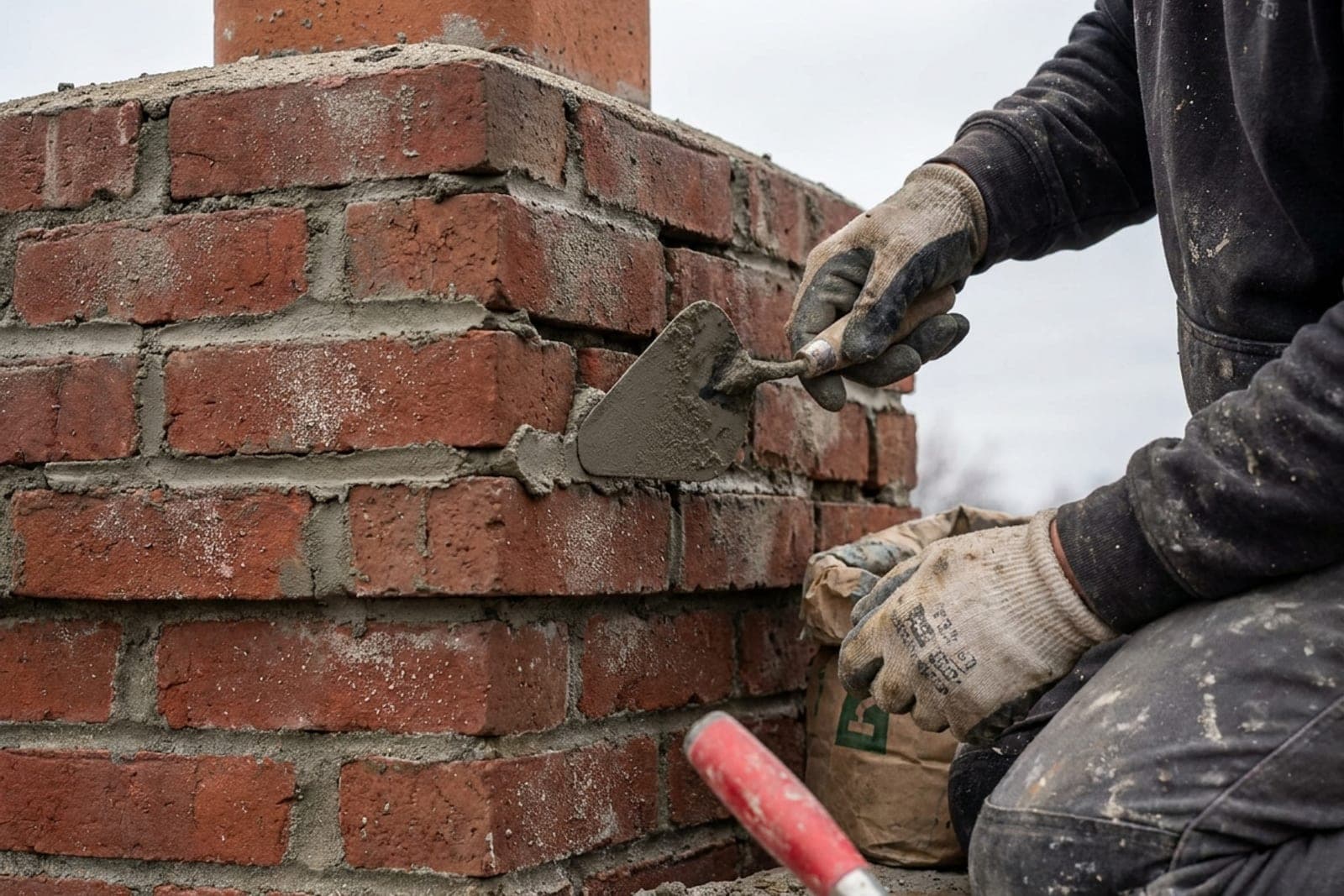
Hello, I'm Scott. Living here in Ocean & Monmouth County, you understand the unique demands our coastal environment places on everything, especially your home. Your chimney, often overlooked, faces a relentless assault from salt air, harsh winters, and powerful storms. Neglecting its condition isn't just a risk to your comfort; it's a safety concern and a threat to your property's integrity. Let's discuss why proactive chimney repair is non-negotiable for shore homeowners.
The Shore's Relentless Assault on Your Chimney
The air we breathe, rich with salt, is highly corrosive. This salt accelerates the deterioration of brick, mortar joints, and any metal components of your chimney, like caps, flashings, and chase covers. What might be a minor issue inland can quickly become a serious structural problem here by the shore.
Our harsh freeze-thaw cycles are equally destructive. Water penetrates microscopic cracks in mortar and brick, freezes, expands, and then thaws. This repeated action causes bricks to spall (flake off) and mortar to crumble, significantly weakening the entire chimney structure. Older shore homes, often built with materials less resistant to these cycles, are particularly vulnerable.
Nor'easters bring more than just high winds. The driving rain and prolonged moisture exposure from these storms can seep deep into compromised chimneys, leading to internal damage, water leaks inside your home, and further material degradation. A sturdy, watertight chimney is your first line of defense against these powerful coastal events.
Many homes in Ocean and Monmouth County are older, with chimneys that have stood for decades. While charming, these older structures often feature original construction methods and materials not designed for the sustained environmental stress they now face. Age alone makes these chimneys more susceptible to the elements, requiring closer inspection and specialized repair knowledge.
Spotting Trouble: Warning Signs for NJ Shore Homeowners
Visible damage to brick and mortar is a clear indicator. Look for spalling bricks (flaking or crumbling surfaces) or deteriorating mortar joints that appear sandy, crumbling, or have pieces missing. This isn't just cosmetic; it means your chimney's structural integrity is compromised and water is finding its way in.
Water stains or leaks in your attic, around the fireplace, or on interior walls are red flags. This often points to issues with the chimney crown, flashing, or a cracked flue liner. Given our coastal rains, any sign of water intrusion needs immediate professional assessment to prevent extensive interior damage.
Inside the firebox, look for rust on the damper or firebox components, or signs of efflorescence (white, powdery residue) on the brickwork. These are common indicators of persistent moisture problems within the chimney system, often stemming from a damaged cap or crown.
Finally, pay attention to the chimney cap and crown. A cracked or missing crown allows direct water entry into the flue and structure. A rusted or missing cap means rain, animals, and debris can freely enter, leading to blockages and accelerated internal damage. These components are vital protective barriers against our shore weather.
The Critical Importance of Timely Repair
Delaying repairs on a compromised chimney in our area is a costly mistake. What starts as a minor crack in the crown can quickly lead to widespread water damage, structural instability, and significantly more expensive repairs down the line, especially with the accelerated decay rates here.
A damaged chimney system is a serious safety hazard. Cracks or breaches in the flue liner can allow dangerous carbon monoxide to enter your home or even lead to a chimney fire. For our older homes, ensuring the flue is intact and functioning properly is paramount for the safety of your family.
The chimney is an integral part of your home's structure. As it weakens, it can compromise the surrounding roofline and even the stability of the house itself. Protecting your chimney means protecting your entire investment, which is particularly important for the resale value and longevity of shore properties.
Our local conditions mean small issues don't stay small for long. Addressing problems promptly can save you thousands in future repairs, prevent property depreciation, and give you peace of mind knowing your home is secure against Ocean and Monmouth County's unique environmental challenges.
| Service / Issue | Cost / Impact |
|---|---|
| On-site Inspection | $149 (credited to job) |
| Minor Repair (initial cost) | From $350 |
| Delaying Minor Repair | Significantly higher costs |
| Consequence of Delay | Structural instability & water damage |
| Unrepaired Chimney | Serious safety hazard |
| Timely Repair Benefit | Prevents escalating damage |
Why Professional, Local Expertise Matters for Your Shore Chimney
Chimney repair is not a generic service. For homeowners in Ocean & Monmouth County, you need a professional who understands the specific stresses our coastal environment places on chimneys. This includes knowledge of salt's corrosive effects, the impact of freeze-thaw cycles, and the structural considerations for older shore homes.
An experienced local expert will select the right materials and techniques that are best suited to withstand our harsh conditions. This means using weather-resistant mortars, high-quality sealants, and durable replacement components designed for longevity in a coastal setting, ensuring your repairs last.
Professional repair goes beyond patching visible damage. It involves a thorough inspection of the entire chimney system, from the foundation to the cap, identifying underlying issues and providing comprehensive solutions. This holistic approach prevents recurring problems that temporary fixes often leave behind.
When choosing a chimney repair specialist, always look for certified technicians. Certifications like those from the Chimney Safety Institute of America (CSIA) signify a commitment to industry best practices, safety, and ongoing education. This expertise ensures your chimney repair is done correctly, safely, and effectively for our specific local climate.
Common questions
- How much does a chimney inspection cost?
- An on-site inspection for your chimney costs $149. This fee is fully credited towards your repair job if you decide to proceed with the recommended work. It's a small investment to ensure your chimney's health and safety in our unique coastal environment.
- What are the first signs my chimney needs repair?
- Look for visible damage like spalling bricks, which are flaking or crumbling surfaces, or deteriorating mortar joints that appear sandy. Water stains in your attic, around the fireplace, or on interior walls are also critical red flags. These signs indicate water intrusion and compromised structural integrity.
- Why is chimney repair more urgent in Ocean & Monmouth County?
- Our coastal environment, with its corrosive salt air, harsh winters, and powerful storms, significantly accelerates chimney deterioration. What might be a minor issue inland can quickly become a serious structural problem here, making timely repairs crucial. Neglecting issues risks rapid escalation of damage and higher costs.
- How much does chimney repair typically cost?
- Chimney repair services at Jersey Chimney Pros start from $350. The final cost depends on the extent of the damage and the specific repairs needed to restore your chimney's integrity. Addressing issues early can prevent more extensive and costly repairs in the future.
- Can I just ignore minor chimney damage?
- Delaying even minor chimney repairs in our coastal area is a costly and dangerous mistake. Small cracks can quickly lead to widespread water damage, structural instability, and significantly more expensive repairs due to accelerated decay. It also compromises your home's safety by potentially allowing dangerous gases like carbon monoxide to escape.