
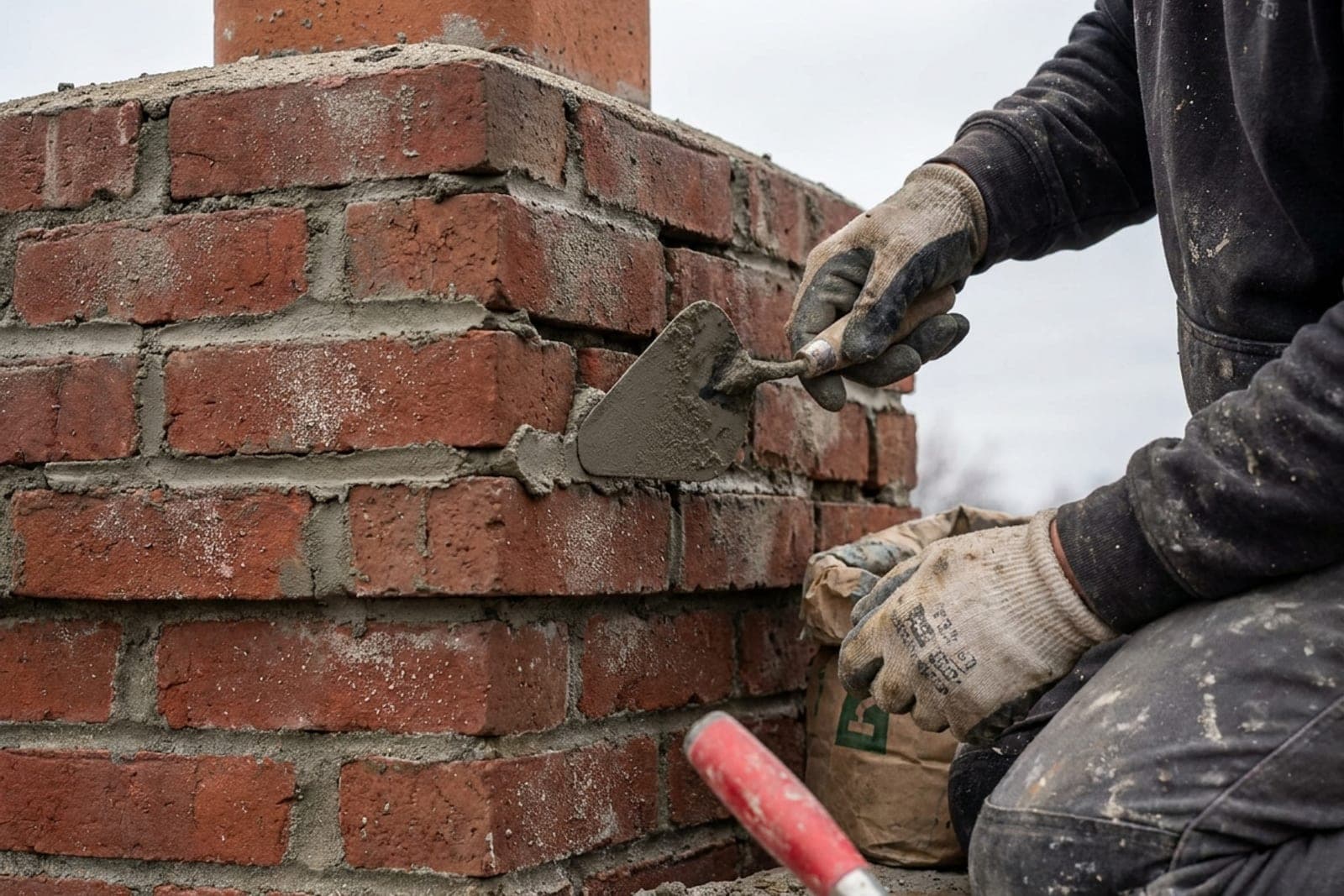
As Scott, a local chimney expert, I understand the unique wear and tear chimneys endure here in Ocean & Monmouth County. From brutal Nor'easters to relentless salt air, your chimney takes a beating year-round, making timely repair crucial for safety and longevity of your home.
The Unique Strain on Shoreline Chimneys
Living on the coast means dealing with persistent salt air. This salty environment is highly corrosive, aggressively eroding mortar joints, chimney caps, flashing, and other metal components far faster than inland areas. Small cracks become pathways for this destructive air, weakening your chimney's structural integrity.
Our harsh freeze-thaw winters are another major culprit. Water penetrates porous masonry during warmer spells, then freezes and expands in freezing temperatures, causing bricks to spall (flake off) and mortar to crumble. This cycle repeats, accelerating deterioration and compromising the entire structure, especially in older homes with less resilient materials.
Nor'easters and other severe coastal storms deliver a powerful one-two punch of high winds and driving rain. These storms can rip off chimney caps, damage crowns, dislodge flashing, and force water deep into your chimney system, initiating further decay and creating hidden problems that escalate quickly.
Clear Signs Your Chimney Needs Immediate Attention
Visually inspect your chimney from the ground up. Look for crumbling, missing, or eroding mortar joints – a primary indicator of water intrusion and structural weakness. Cracked, spalling, or missing bricks are also red flags. Inside your home, water stains on ceilings or walls near the chimney indicate significant leaks.
The chimney crown, the slab capping the masonry, should be solid and crack-free. Cracks here allow water directly into the flue and structure. A rusted, damaged, or missing chimney cap exposes your flue to rain, snow, animals, and debris. Also, check flashing where the chimney meets the roof; gaps or pulls can lead to serious roof leaks.
Beyond visible damage, pay attention to performance. If you notice a damp, musty smell, especially after rain, it signals water intrusion and potential mold. Poor draft, smoke backing into your living space, or unusual sounds could point to internal flue damage or blockages requiring professional assessment.
The Critical Importance of Prompt Repair
A compromised chimney isn't just an aesthetic issue; it's a safety hazard. Cracks in the flue liner or masonry can allow dangerous carbon monoxide to seep into your home. A damaged flue also increases the risk of a chimney fire spreading to combustible materials in your walls or attic, a very real threat, especially with older, less insulated homes.
Delaying repairs almost always leads to more extensive and costly problems. Small leaks left unaddressed can cause significant water damage to your home's interior, including ceilings, walls, flooring, and structural timbers. This creates ideal conditions for mold growth, further jeopardizing both your property and family's health.
For older shore homes, many of which are cherished family legacies, proactive maintenance extends their lifespan. Addressing minor issues like repointing or crown repair early prevents the need for a full, expensive chimney rebuild later, preserving the integrity and value of your home against the relentless coastal elements.
Essential Chimney Repair Solutions for Coastal Homes
Effective masonry repair, known as repointing, involves carefully removing deteriorated mortar and replacing it with fresh, durable material. This is crucial for strengthening the chimney and preventing water intrusion. For severely spalled or cracked bricks, individual brick replacement is necessary, always using materials appropriate for coastal exposure.
Chimney crown repair or rebuilding is vital to shed water effectively. A quality crown directs water away from the chimney's face. Flashing, the metal seal between the chimney and roof, often needs repair or replacement to ensure a watertight seal. Installing or replacing a robust chimney cap protects the flue from the elements and wildlife, a must-have in our environment.
Internal issues like flue liner damage require specialized attention, often leading to full liner replacement with appropriate stainless steel or cast-in-place systems, ensuring safe and efficient venting. Any repair work in Ocean & Monmouth County must consider the unique environmental stresses, using materials and techniques designed to withstand salt, moisture, and extreme temperatures.
| Service | Price / Notes |
|---|---|
| Chimney Repair | from $350 |
| Chimney Inspection | $150-$500 |
| Chimney Sweep | $179-$399 |
| Chimney Flashing Repair | $300-$1,200 |
| On-site Inspection | $149 (credited to job) |
| Chimney Liner Replacement | On Quote |
| Chimney Crown Repair | On Quote |
Common questions
- Why do coastal chimneys need more frequent attention?
- Coastal chimneys endure unique stresses from persistent salt air, which aggressively erodes mortar and metal components. Harsh freeze-thaw cycles also accelerate damage, making these chimneys susceptible to faster deterioration. Regular inspections and prompt repairs are essential to maintain their safety and structural integrity in such environments.
- What are the first signs I should look for to know my chimney needs repair?
- Homeowners should look for crumbling, eroding, or missing mortar joints and cracked or spalling bricks on the exterior. Inside, water stains on ceilings or walls near the chimney are a clear indicator of leaks. Also, inspect the chimney crown for any cracks, as this can lead to significant water intrusion.
- How often should I have my chimney inspected by a professional?
- It is highly recommended to have your chimney professionally inspected at least once a year, especially for homes in coastal New Jersey. Annual inspections help identify potential issues like salt corrosion or storm damage early. This proactive approach ensures your chimney remains safe and prevents minor problems from escalating into costly repairs.
- What is repointing, and why is it important for my chimney's longevity?
- Repointing is a critical masonry repair process where deteriorated mortar joints are carefully removed and replaced with new, durable mortar. This technique is vital for restoring the structural integrity of your chimney and preventing water penetration. Proper repointing significantly extends the lifespan of your chimney, particularly in harsh coastal conditions.
- Is a damaged chimney really a serious safety concern for my home?
- Absolutely. A damaged chimney is a significant safety hazard. Cracks in the flue liner can allow dangerous carbon monoxide fumes to leak into your home. Furthermore, compromised masonry or a damaged flue increases the risk of a chimney fire spreading to combustible materials within your walls or attic, posing a serious threat.
- How much does a professional on-site chimney inspection cost?
- An on-site chimney inspection with Jersey Chimney Pros costs $149. This fee provides a thorough assessment of your chimney's condition. If you decide to proceed with any recommended repair work, the $149 inspection fee will be credited towards the total cost of the job.