
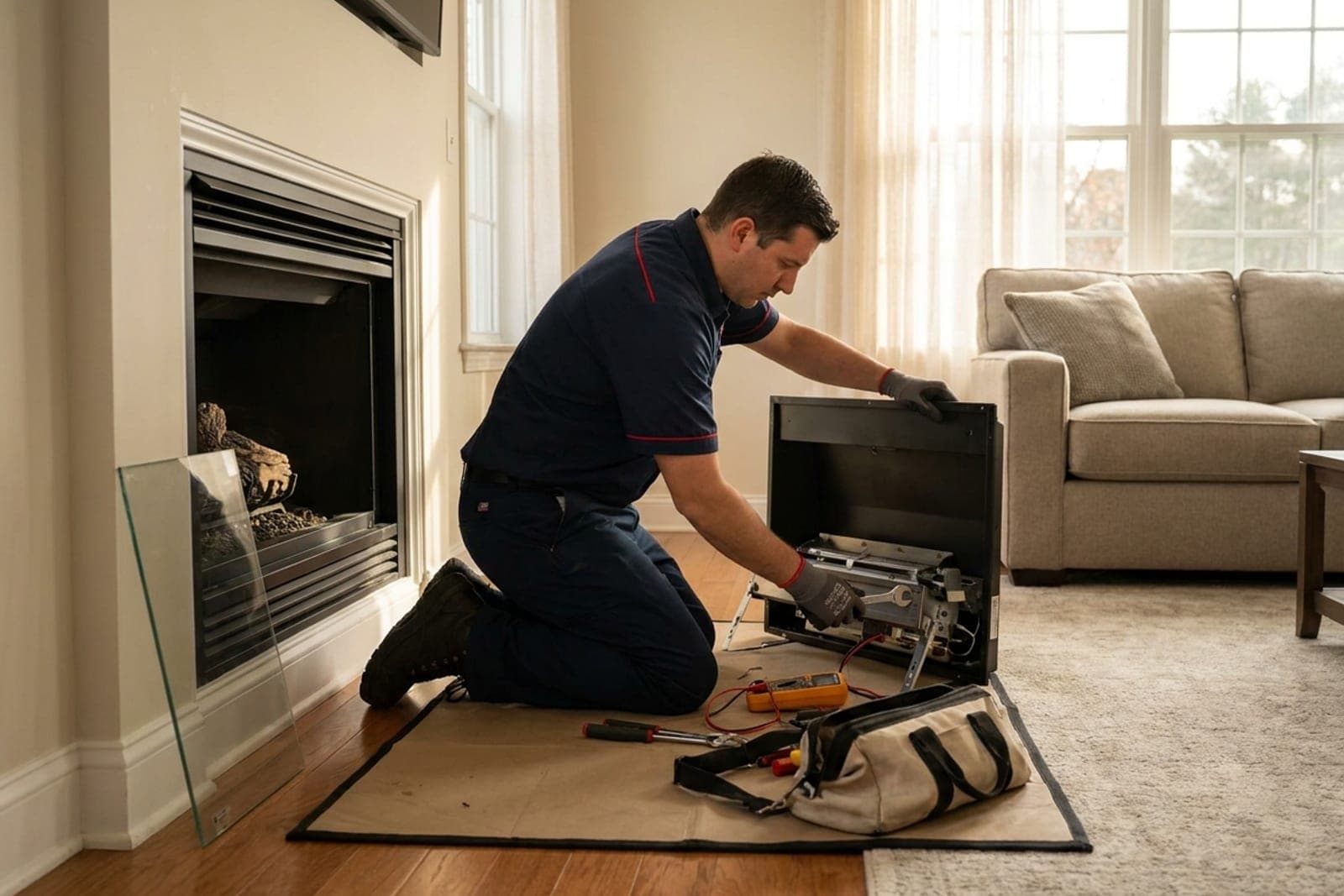
Living along the Jersey Shore in Ocean or Monmouth County means enjoying unique benefits, but also facing distinct challenges. Your gas fireplace, a cherished source of warmth, is constantly battling the same salt air and extreme weather that impact the rest of your home, requiring diligent care to remain safe and efficient.
The Unique Coastal Challenges for Your Gas Fireplace
The constant presence of salt-laden air along our coast in Ocean and Monmouth County is incredibly corrosive. Metal components within your gas fireplace – from the burner assembly and gas lines to the igniter and control valves – are under relentless attack. This silent corrosion can lead to leaks, blockages, or component failure, compromising both efficiency and, more critically, safety.
Beyond the salt, our infamous freeze-thaw cycles and powerful Nor'easters introduce significant stress. Extreme temperature fluctuations can crack seals, degrade vent pipes, and loosen connections, especially in older shore homes. High winds and driving rain can also impact external venting systems, potentially leading to downdraft issues or moisture intrusion that further degrades internal components.
Beyond the Flame: Hidden Risks Annual Service Uncovers
While your gas fireplace may seem to be operating normally, unseen issues can develop. A primary concern is the production of carbon monoxide (CO), an odorless, colorless, and highly toxic gas. Improper combustion, a blocked vent, or a faulty component can cause CO to vent into your living space, posing a severe health risk. Only professional testing can accurately identify these dangers.
Crucial components like the thermocouple, thermopile, pilot assembly, and gas valve wear down over time. These parts are integral to safe operation, ensuring gas flow is controlled and combustion is complete. Even minor corrosion or wear can lead to a pilot light that won't stay lit, inefficient burning, or a failure to ignite, often at the least convenient time.
Older Homes, Greater Vigilance
Many charming homes across Ocean and Monmouth County boast significant history, which often means older heating and ventilation systems. Original gas fireplace installations, or retrofits, in these structures might use venting that has deteriorated over decades or was never fully optimized for modern safety standards. These older systems are more prone to blockages, rust-through, or separation in the flue pipe, creating hazardous conditions.
Ignoring these potential vulnerabilities is not an option. What might seem like a minor aesthetic issue in an older home can indicate a deeper structural or functional problem that affects your fireplace's safety. Annual service provides an expert assessment, catching developing issues before they become expensive repairs or, worse, safety threats.
What a Professional Gas Fireplace Service Entails
A comprehensive service for your gas fireplace goes far beyond a quick visual check. It involves a thorough inspection of the gas line connections for leaks, examination of the burner and pilot assembly for proper operation and cleanliness, and verification of the thermopile/thermocouple functionality. We also rigorously inspect the entire venting system for blockages, damage, and proper draft, ensuring all byproducts exit your home safely.
The service concludes with meticulous cleaning of the logs, burner area, and glass, ensuring optimal heat output and visual appeal. We confirm the ignition system is firing correctly, the flame is adjusted for peak efficiency, and conduct crucial carbon monoxide testing to guarantee your unit is operating safely within your home. This proactive approach ensures peace of mind through every stormy winter.
| Service Aspect | Key Check |
|---|---|
| Gas Line | Connections for leaks |
| Burner & Pilot | Operation & cleanliness |
| Thermopile/Thermocouple | Functionality verification |
| Venting System | Blockages, damage, draft |
| Overall Service | Comprehensive annual safety |
| Typical Cost Range | $150-$400 |
Common questions
- Why do I need to service my gas fireplace every year?
- Annual service is crucial, especially in coastal areas like Ocean and Monmouth County. It ensures your fireplace operates safely by checking for hidden issues like corrosive damage, gas leaks, and potential carbon monoxide production, which are often undetectable without professional equipment. Regular maintenance also improves efficiency and extends the lifespan of your unit.
- How much does a gas fireplace service cost?
- A professional gas fireplace service with Jersey Chimney Pros typically ranges from $150 to $400. This comprehensive service includes inspecting gas lines, burner assembly, thermopile/thermocouple, and the entire venting system to ensure safety and proper operation.
- Can I tell if my gas fireplace is leaking carbon monoxide?
- Carbon monoxide is a highly toxic gas that is both odorless and colorless, making it impossible to detect without specialized equipment. Only a professional gas fireplace service can accurately test for CO leaks and ensure proper venting. Installing a CO detector is a vital backup safety measure for your home.
- My gas fireplace seems to be working fine, do I still need service?
- Yes, even if your gas fireplace appears to be functioning normally, unseen issues can develop, particularly due to the corrosive salt air along the Jersey Shore. Annual service uncovers hidden risks like developing gas leaks, blockages in the venting system, or component wear that could compromise safety and efficiency over time.
- What's involved in your professional gas fireplace service?
- Our comprehensive service includes a detailed inspection of gas line connections for leaks, examination of the burner and pilot assembly, verification of thermopile/thermocouple functionality, and a thorough check of the entire venting system for damage or blockages. This ensures your unit is safe, clean, and operating efficiently.