
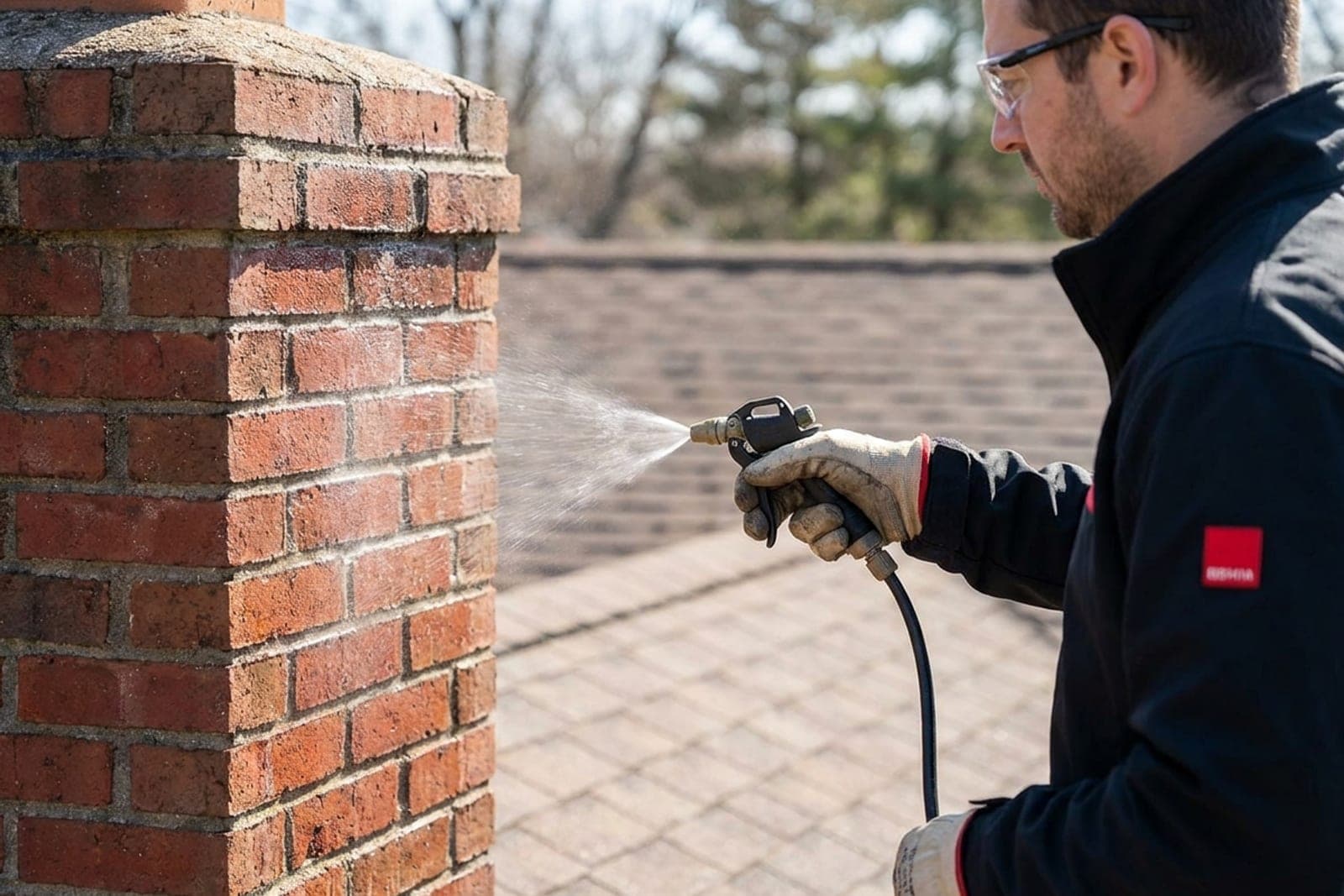
Homeowners in Ocean & Monmouth County understand the unique challenges our coastal environment presents. Your chimney, a critical component of your home, takes a constant beating from salt-laden air, relentless Nor'easters, and the severe freeze-thaw cycles of our New Jersey winters. Neglecting its protection can lead to costly damage, but proper waterproofing offers a powerful defense.
Why Your Shore Home's Chimney Needs Special Attention
Traditional brick and mortar are porous materials, especially when subjected to the intense conditions we experience here. Salt air accelerates deterioration, making the masonry more susceptible to absorbing moisture. Then, as temperatures drop below freezing, this absorbed water expands, creating tiny cracks that grow with each cycle. This isn't just about aesthetics; these cracks compromise the structural integrity of your chimney.
Older homes common throughout areas like Long Beach Island, Point Pleasant, or Spring Lake often feature chimneys built with materials that are even more vulnerable to water intrusion. While well-built, their age means decades of exposure have taken their toll. Waterproofing isn't a luxury for these homes; it's a preventative necessity against escalating repair costs down the line.
The Devastating Effects of Water Intrusion
The consequences of an unprotected chimney are far-reaching. Beyond the visible spalling (flaking brick) or efflorescence (white mineral deposits), water can saturate the internal structure. This leads to weakened mortar joints, a primary cause of chimney collapse if left unaddressed. Inside your home, you might see water stains on ceilings or walls adjacent to the chimney, indicating that moisture has penetrated all the way through.
Furthermore, persistent dampness creates an ideal environment for mold and mildew growth within the chimney flue and chase, impacting indoor air quality. During colder months, saturated masonry offers less insulation, potentially drawing more heat from your home and slightly increasing heating costs. Over time, rust can develop on metal components like damper assemblies or flue liners, leading to expensive repairs or replacements.
The Science of Effective Chimney Waterproofing
Chimney waterproofing isn't simply painting on a sealant. Professional application involves specialized, breathable sealants specifically formulated for masonry. Unlike conventional paints or sealers that trap moisture *within* the brick, these products allow the chimney to vent any existing moisture while preventing new water from penetrating. This breathability is crucial for the long-term health of your chimney.
Before any sealant is applied, the chimney must be thoroughly cleaned to remove dirt, mildew, and loose debris. Any existing cracks or deteriorated mortar joints must be repaired (a process known as tuckpointing) to ensure a sound surface for the waterproofing agent. This preparation is as vital as the application itself, as it addresses underlying issues rather than merely covering them up.
Protecting Your Investment: A Preventative Measure
Think of chimney waterproofing as essential home maintenance, much like sealing your deck or painting your siding. For Ocean & Monmouth County residents, it's an investment that pays dividends by averting major structural repairs, preserving your home's value, and ensuring the safety of your heating system. Addressing water intrusion proactively is always more cost-effective than reacting to severe damage later.
A professionally waterproofed chimney offers peace of mind, knowing that your home is better equipped to withstand the unpredictable and often harsh weather conditions unique to our beautiful but challenging New Jersey coast. Don't wait for the tell-tale signs of damage; consider waterproofing as a vital part of safeguarding your shore home.
| Service | Cost Range | Purpose |
|---|---|---|
| On-site Inspection | $149 | Assesses chimney condition; credited to job |
| Chimney Waterproofing | $250–$650 | Prevents water intrusion into masonry |
| Chimney Repair | from $350 | Fixes existing damage like cracks or leaks |
Common questions
- How much does chimney waterproofing cost in Ocean & Monmouth County?
- The cost for professional chimney waterproofing with Jersey Chimney Pros typically ranges from $250 to $650. This investment helps protect your chimney against the harsh coastal environment and prevents more expensive repairs down the line. An on-site inspection is $149, which is credited toward the job if you proceed with the work.
- How often should I have my chimney waterproofed?
- While the exact frequency can depend on your chimney's exposure and condition, professional waterproofing usually offers protection for several years, often between 5 to 10 years. We recommend regular chimney inspections to assess the condition of the waterproofing and determine the optimal time for reapplication, especially in our challenging coastal climate.
- Is chimney waterproofing different from just painting or sealing?
- Yes, professional chimney waterproofing uses specialized, breathable sealants designed specifically for masonry. Unlike conventional paints or sealers that can trap moisture within the brick, these advanced products allow existing moisture to escape while preventing new water from penetrating. This breathability is crucial for maintaining the long-term health and integrity of your chimney's structure.
- What if my chimney already shows signs of water damage?
- If your chimney already has visible signs of water damage, such as spalling bricks or interior water stains, waterproofing alone is not enough. Jersey Chimney Pros offers comprehensive chimney repair services, starting from $350, to address existing damage before applying a preventative waterproofing treatment. We recommend an on-site inspection to properly diagnose the issues.
- Why is an inspection needed before waterproofing?
- An on-site inspection is crucial to accurately assess your chimney's current condition and identify any underlying issues like existing damage or structural weaknesses. This allows us to recommend the most effective waterproofing solution tailored to your chimney's specific needs. The $149 inspection fee is credited towards the cost of the waterproofing service if you decide to proceed.