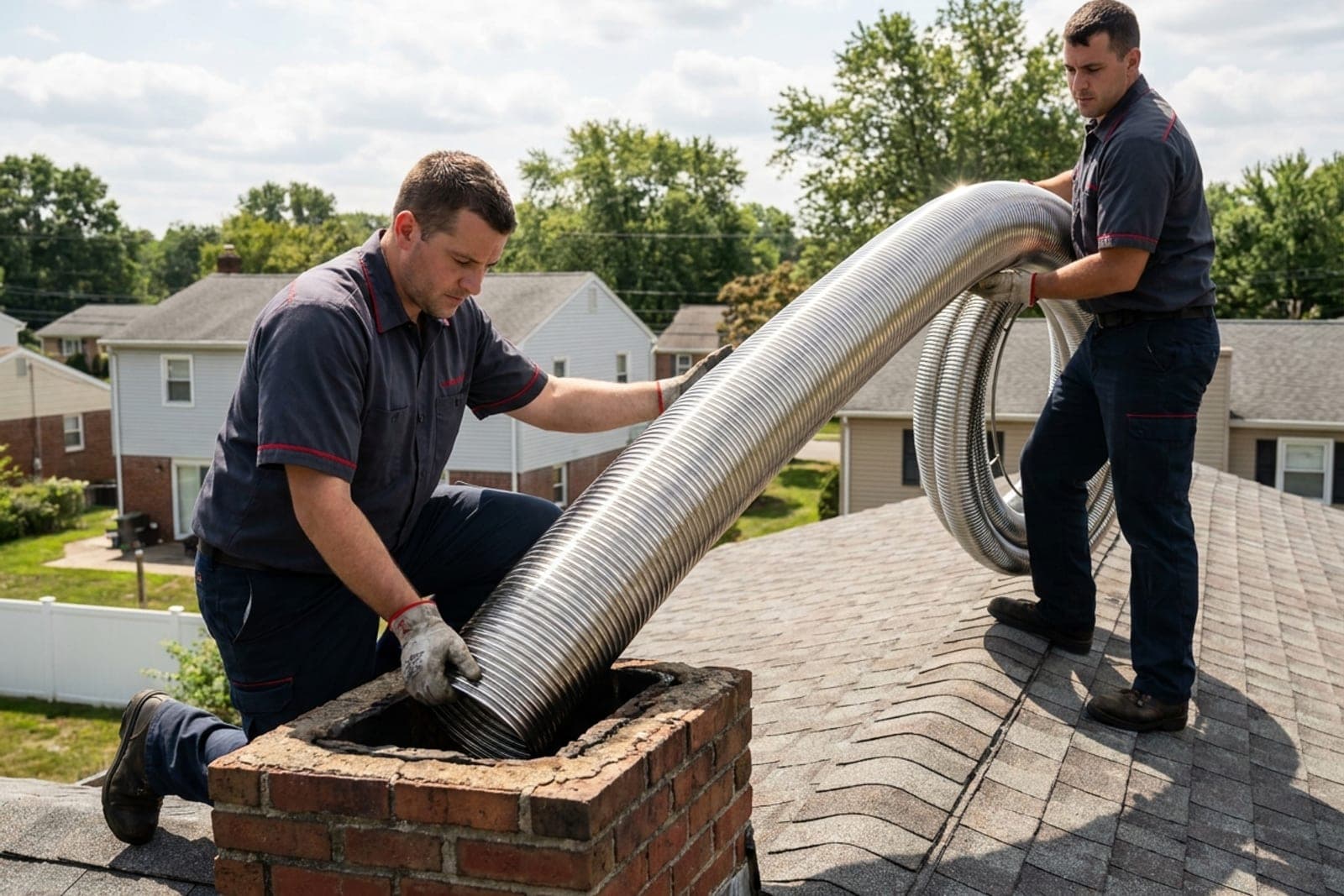
Fort Lee, Bergen County
Ensure the enduring safety and efficiency of your heating system with expert chimney relining services in Fort Lee, NJ. From the classic single-family homes of Coytesville to the soaring high-rises dominating the Palisades, Jersey Chimney Pros provides essential flue upgrades for the diverse properties across this vibrant Hudson-side borough.
From $1,500
Book your free inspection
Pick a real open slot on our crew's calendar — takes about a minute.
Chimney Relining in Fort Lee
No openings on that day. Please pick another date.
In Fort Lee, where the housing stock boasts a fascinating mix of pre-war charm and modern architectural marvels, our crews frequently encounter chimneys that have weathered decades of use. Many of these older flues, originally constructed for wood or coal, now struggle to safely vent the exhaust from contemporary gas or oil heating appliances, making professional relining a critical consideration.
Chimney relining is the process of installing a new liner inside an existing chimney flue, creating a safe and efficient conduit for exhaust gases. This critical service is paramount for homeowners in Fort Lee, as a compromised liner can lead to serious hazards, including carbon monoxide leaks into living spaces or a devastating house fire. Given Fort Lee's mix of historic residences and modern high-rises, ensuring every chimney functions optimally is key to protecting its 40,191 residents.
The necessity for relining often stems from aging, deterioration, or a change in heating appliance fuel type. Many of Fort Lee's older homes, particularly in sections like Coytesville and Linwood, feature chimneys originally built for solid fuels. When these systems are converted to modern, high-efficiency gas furnaces, the existing, often oversized or unlined, flues can lead to dangerous condensation, creosote buildup (in the case of wood-burning), or even structural collapse of the chimney itself. A damaged or missing liner poses an invisible threat, allowing deadly carbon monoxide to seep into your home.
Fort Lee's specific climate and geography directly impact chimney health. The town's location along the Hudson River and atop the Palisades exposes chimneys to higher moisture levels and significant temperature fluctuations. These conditions exacerbate the natural wear and tear on masonry, leading to cracks, spalling, and mortar joint failure within the flue. Such damage compromises the chimney's ability to safely contain and vent combustion byproducts, necessitating a robust, intact liner to protect your property and ensure proper appliance draft.
Various types of liners are available, with stainless steel being a popular and highly effective choice for many Fort Lee homes due to its durability and suitability for gas, oil, and wood-burning appliances. Other options include cast-in-place liners or heat-shielding refractory cement. All relining work must adhere to strict safety standards set forth by organizations like the National Fire Protection Association (NFPA 211), ensuring the new liner provides proper insulation and prevents combustion byproducts from escaping into the home or igniting nearby combustibles.
The relining process typically begins with a thorough inspection and cleaning of the existing flue. Once cleared, the new liner is carefully installed from top to bottom, often with specialized equipment, ensuring a seamless and airtight fit. For Fort Lee properties ranging from spacious homes near Fort Lee Historic Park to apartments overlooking the George Washington Bridge, precise installation is vital. Connections to the heating appliance are then securely made, and a new top plate and rain cap are installed to protect the system from the elements.
Understanding when to book chimney relining is crucial for preventative maintenance and safety. Annual chimney inspections, as recommended by the NFPA, are the best way to detect early signs of liner damage. Relining is distinct from a routine cleaning or minor repair; it's a comprehensive upgrade essential when the existing liner is severely deteriorated, improperly sized, or missing entirely. Don't wait for visible smoke or odors to prompt action; proactive relining safeguards your Fort Lee home's heating system for years to come.
A damaged liner can allow dangerous gases, like carbon monoxide, to leak into your home, especially in older Fort Lee residences where chimneys may be original to the structure. Furthermore, an intact liner protects the chimney's masonry from corrosive gases and intense heat, preventing premature structural damage and reducing the risk of a chimney fire. Investing in relining is an investment in your Fort Lee property's safety and longevity.
Book your free inspection
Pick a real open slot on our crew's calendar — takes about a minute.
Chimney Relining in Fort Lee
No openings on that day. Please pick another date.
What's included
Every chimney relining we do in Fort Lee includes:
Fort Lee's distinctive riverfront setting, perched atop the Palisades overlooking the Hudson River, subjects chimneys to unique environmental stressors. The frequent freeze-thaw cycles inherent to our region, combined with the persistent humidity from the river, can accelerate the deterioration of older masonry and compromise the integrity of existing flue liners in neighborhoods like Palisade and Taylorville.
See the difference
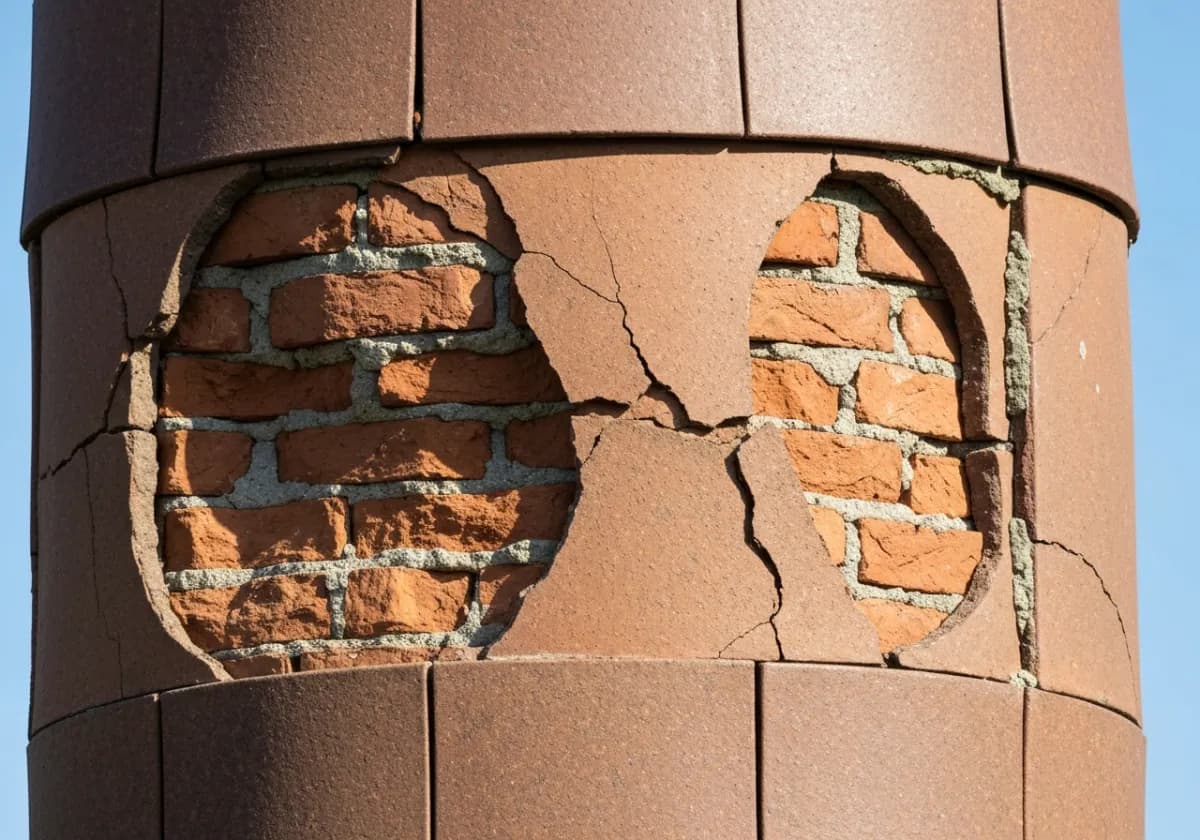
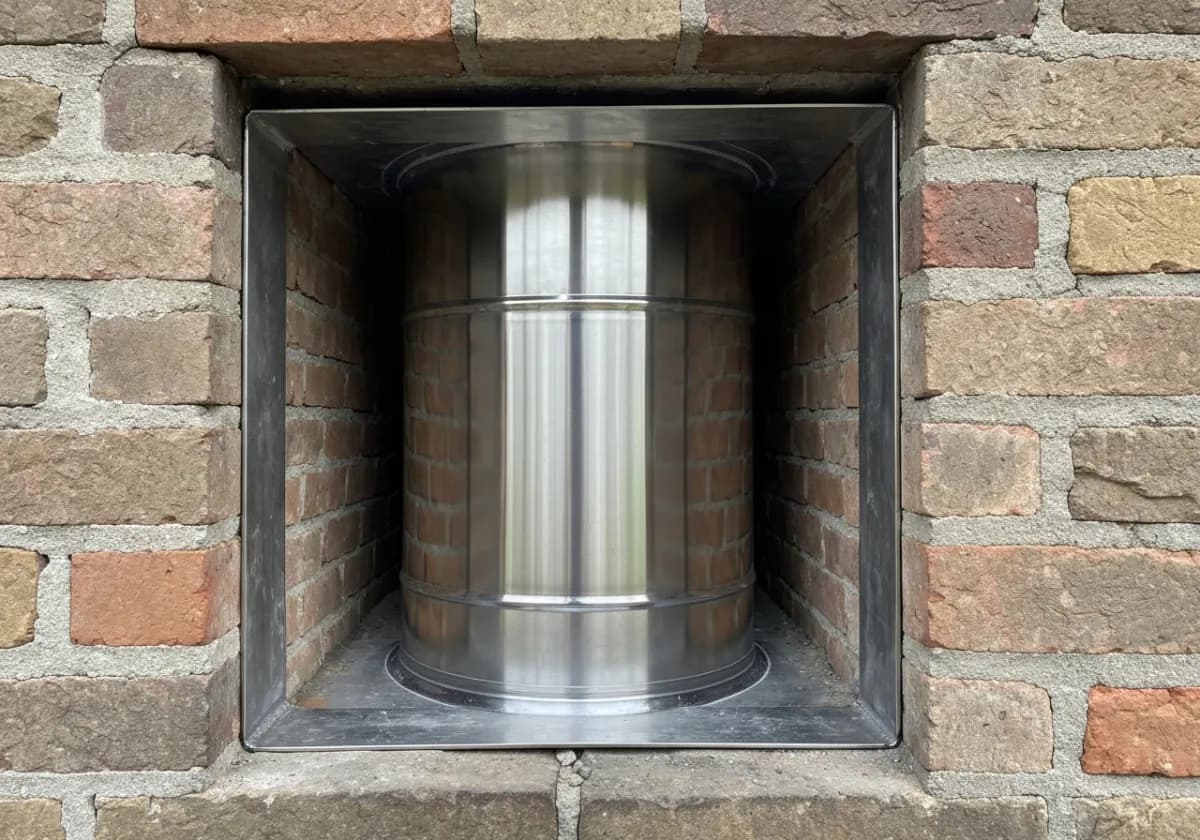
A cracked, deteriorated flue lined with a new code-compliant stainless liner.
Representative example of a typical chimney relining — not a specific customer job. We add photos of our own completed North New Jersey projects as we finish them.
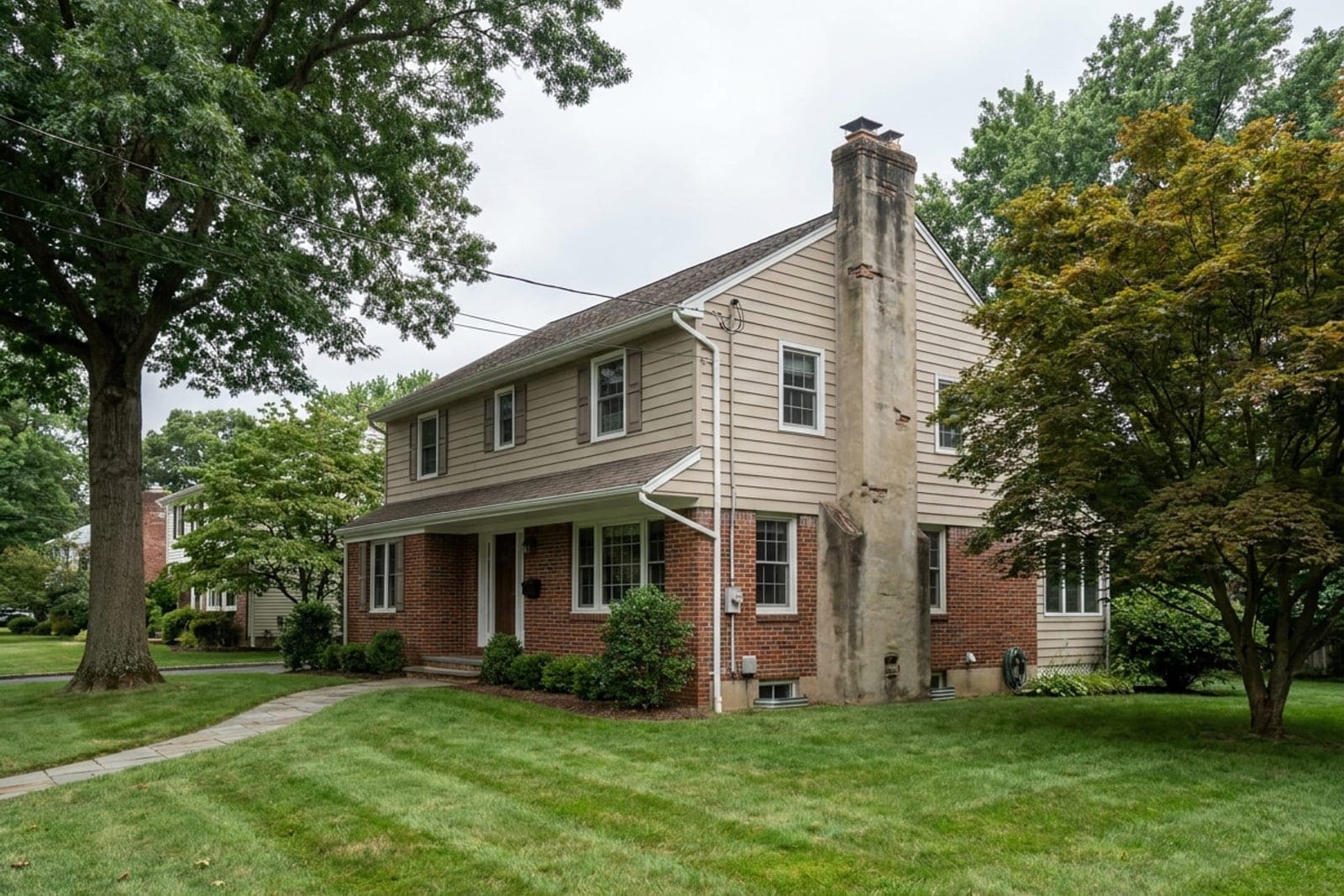
Fort Lee, Bergen County
Book a free on-site inspection in Fort Lee — pick a real open slot, get a written quote, and see before-and-after photos of every fix.
How it works
Our certified technicians will conduct a detailed inspection of your Fort Lee chimney, identifying existing liner damage and determining the best relining solution. This includes a thorough cleaning to prepare the flue for the new liner.
Using specialized tools and techniques, we expertly install the new, U.L. Listed liner system. This ensures a perfect, airtight fit that creates a safe and efficient pathway for combustion byproducts from your heating appliance.
After installation, we securely connect your furnace, boiler, or water heater to the new liner and conduct a crucial smoke test to verify proper draft and seal integrity. Your relined chimney in Fort Lee will then be ready for safe operation.
More in Fort Lee
Chimney Relining nearby
